Anabezi Camp Review: Luxury Safari in Zambia’s Lower Zambezi
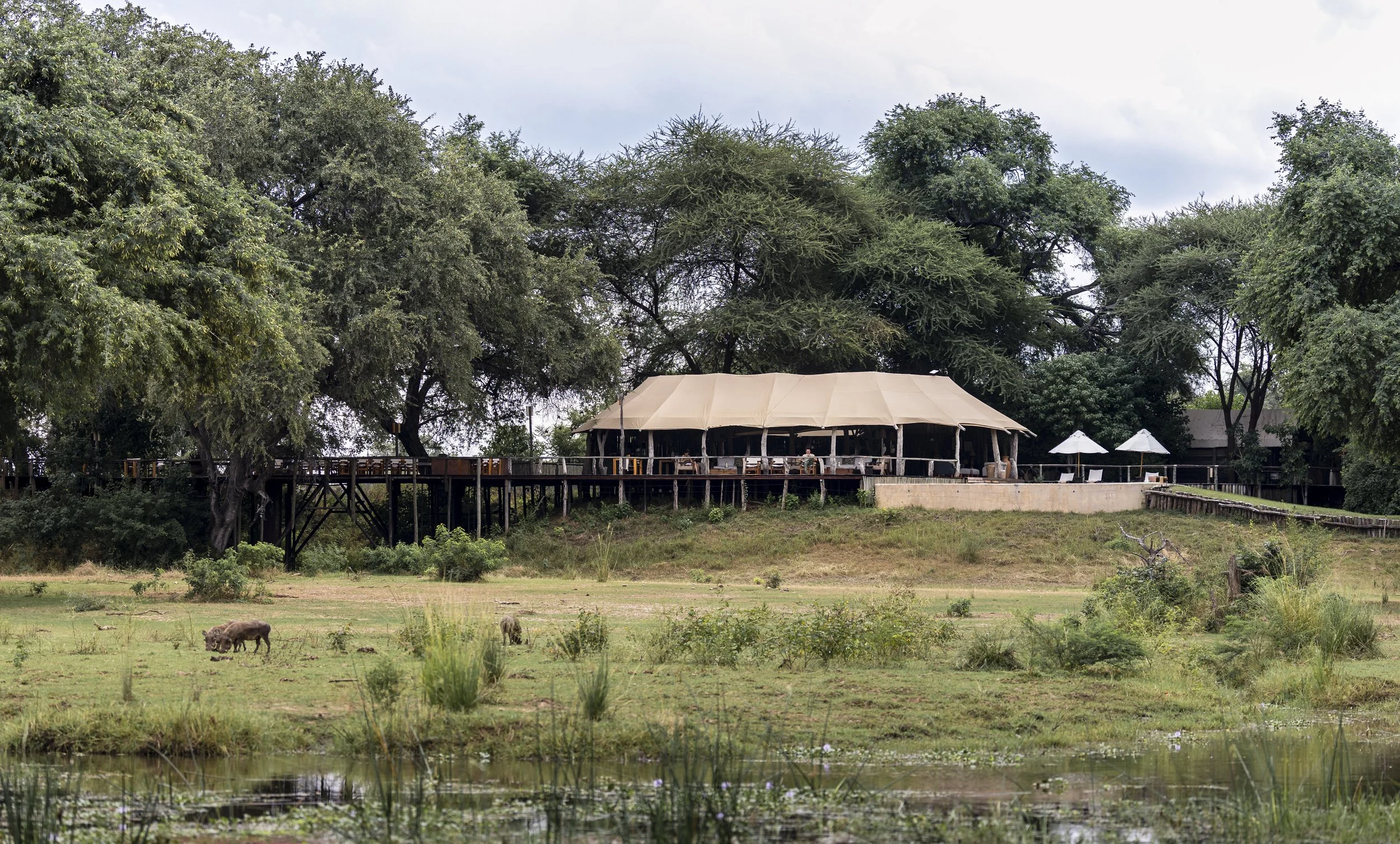
Anabezi Camp, Lower Zambezi National Park
I stayed at Anabezi Camp in April 2026, right at the start of the Lower Zambezi season, while assessing potential future WildLens Adventures itineraries in Zambia. This review focuses on the camp itself: the rooms, main areas, food, service, guiding, activities, photography potential and the type of guest I think Anabezi suits best.
As a Lower Zambezi safari lodge, Anabezi is a polished, high-comfort safari camp on the eastern side of Lower Zambezi National Park. Its greatest strength is the way it combines luxury with access to one of Zambia’s most distinctive safari landscapes: the winterthorn forest, Zambezi River, floodplain and Kulefu Channel.
This is not my full Lower Zambezi trip report. That separate article tells the story of the destination and the daily experience. This review is intended as a more practical assessment of Anabezi as a lodge.
I was invited by Dulini to experience Anabezi on a complimentary basis as part of my work developing future WildLens Adventures itineraries in Zambia. This review reflects my own honest assessment of the camp, its strengths, who it suits best, and how I would position it for future guests.
Anabezi at a glance
Location: Eastern side of Lower Zambezi National Park, Zambia
Style: High-end luxury safari camp
Rooms: 12 tented suites linked by raised boardwalks
Best for: Luxury couples, small private groups, first-time Zambia guests and travellers wanting both land and water-based safari
Activities: Game drives, night drives, walking, boating, canoeing and fishing
Standout strengths: Service, food, rooms, river setting, activity variety and winterthorn forest scenery
Photography: Excellent for elephants, leopard, river scenes, birdlife, lodge interiors and wide-angle landscapes
Season note: April is beautiful and quiet; later dry season should offer more concentrated wildlife and better visibility
WildLens view: A polished, comfortable and very complete way to experience the Lower Zambezi
How long should you stay?
I stayed three nights, which was enough to experience game drives, boating, fishing, walking and the camp itself. However, if guests want a less rushed stay, especially if canoeing, photography or a slower river rhythm is important, I would consider four nights ideal. Three nights works well as part of a wider Zambia itinerary; four nights gives Anabezi more room to breathe.
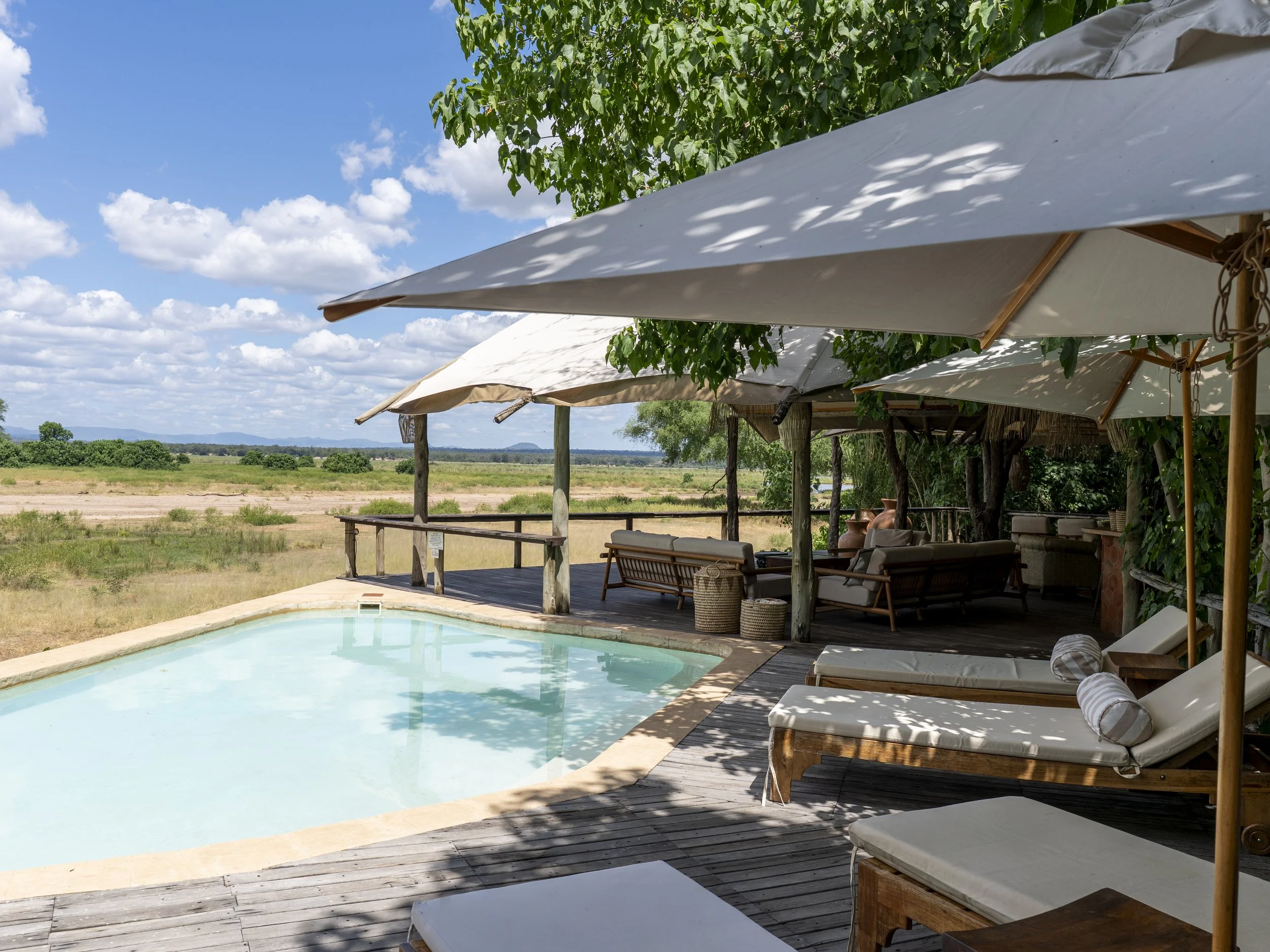
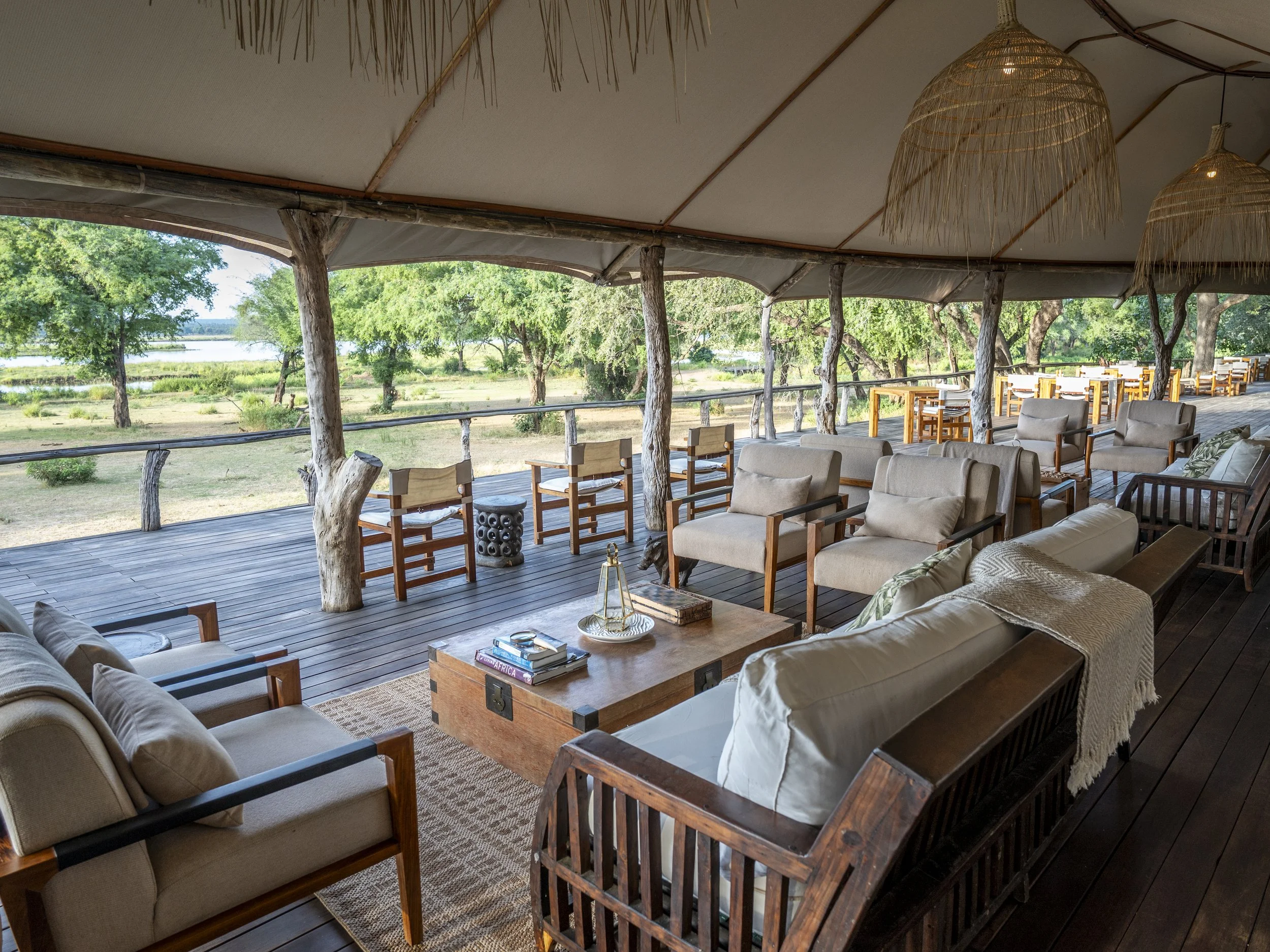
From a lodge review perspective, Anabezi’s greatest asset is not only the camp itself, but its position in one of Zambia’s most distinctive safari landscapes. The winterthorn forest, river frontage and access to both land and water-based activities give the lodge a setting that does a lot of the heavy lifting.
I naturally gravitate a little more towards rustic, old-school bush camps rather than the comfortable high-end camps, but there is no question that it is a beautifully run luxury base in one of Africa’s most striking safari settings. For couples, small private groups, and guests who want comfort, excellent service and genuine variety across both land and water, it is a very compelling option. Third-party reviews also consistently highlight its comfort, photogenic setting, guiding and strong wildlife experience.
Setting and first impressions: Anabezi in the Lower Zambezi
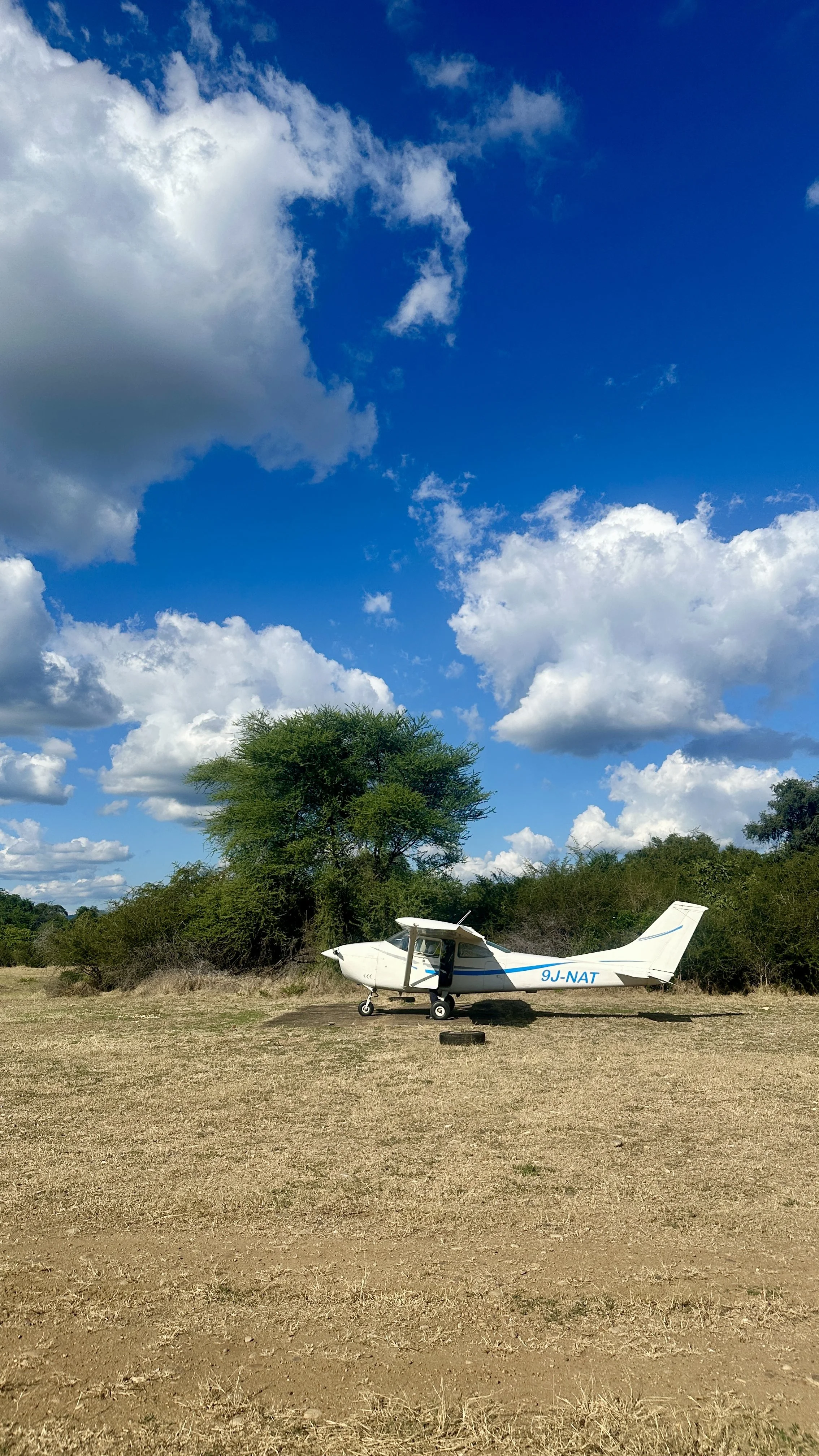
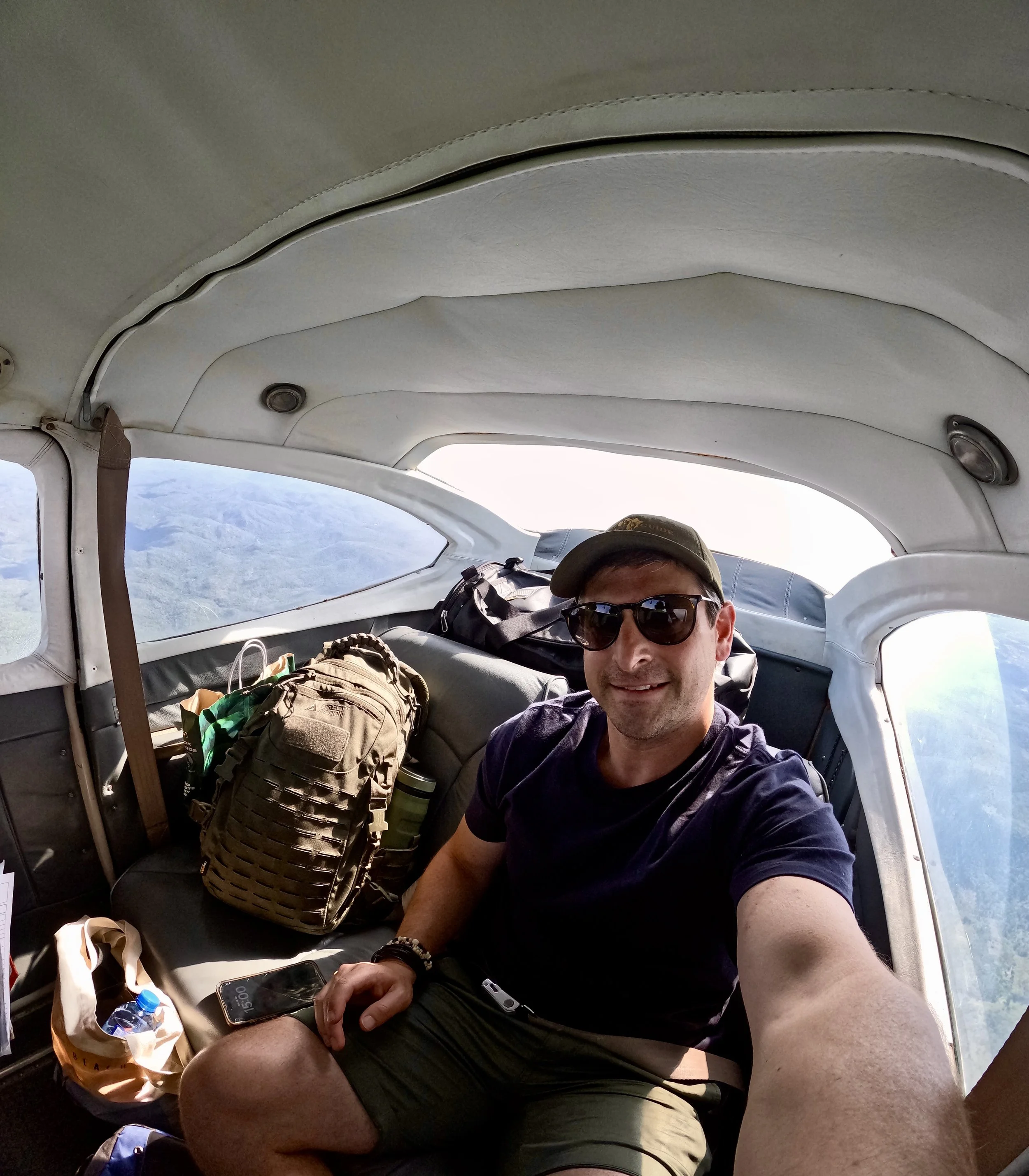
I arrived on a tiny four-seater aircraft, the only passenger on board, and from the air the valley already felt different to anywhere else I had visited. The river, the escarpment, the patchwork of floodplain, woodland and forest, and above all the winterthorn trees gave it an extraordinary sense of beauty and space. Lower Zambezi National Park is well known for this mix of river frontage, valley floor and escarpment backdrop, and in person it feels every bit as dramatic as that suggests.
Anabezi is normally accessed by light aircraft into Jeki Airstrip, followed by a road transfer through the park to camp. On my visit, Jeki was still closed at the start of the season, so I flew into Katemo Airstrip instead.
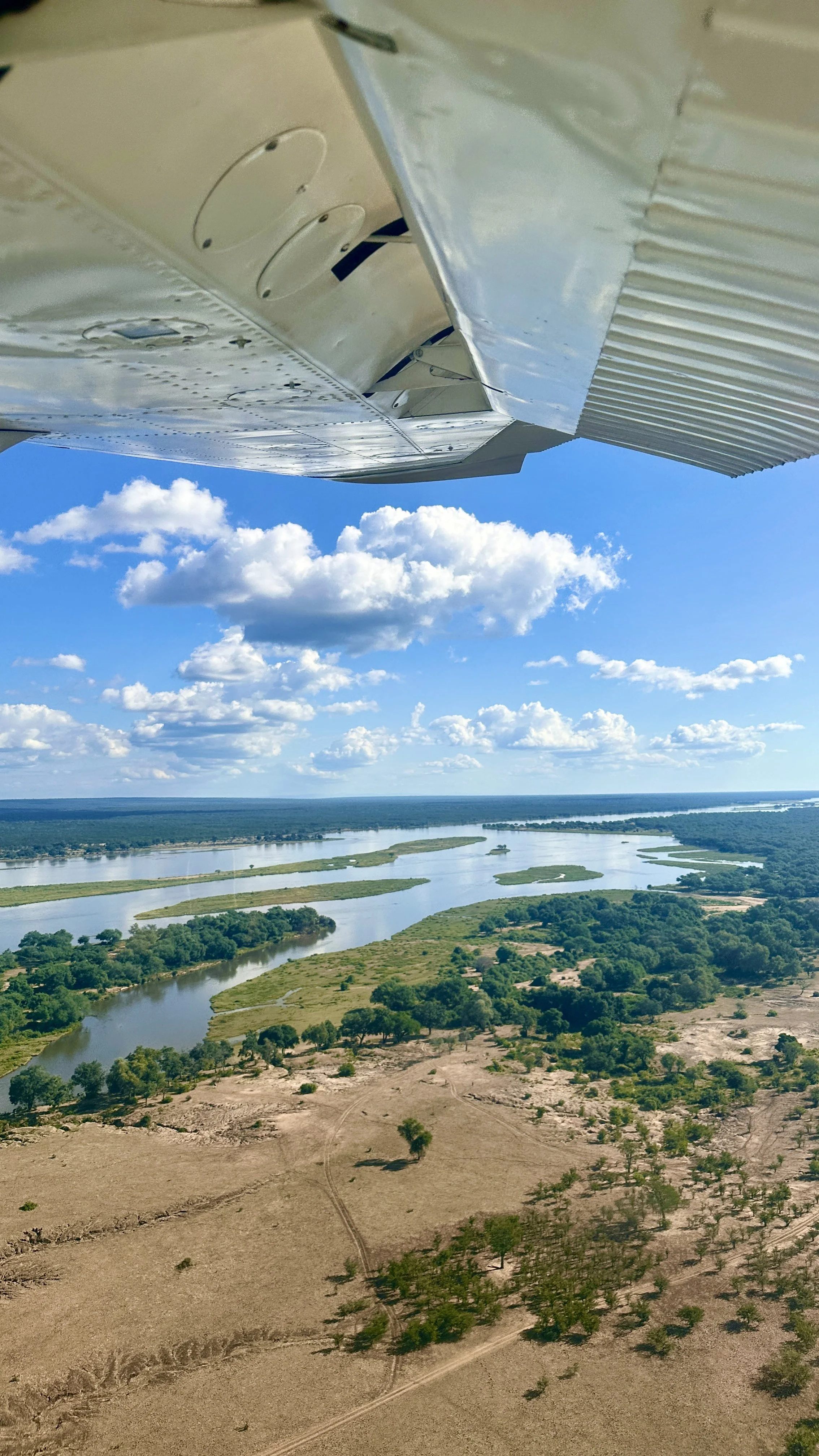
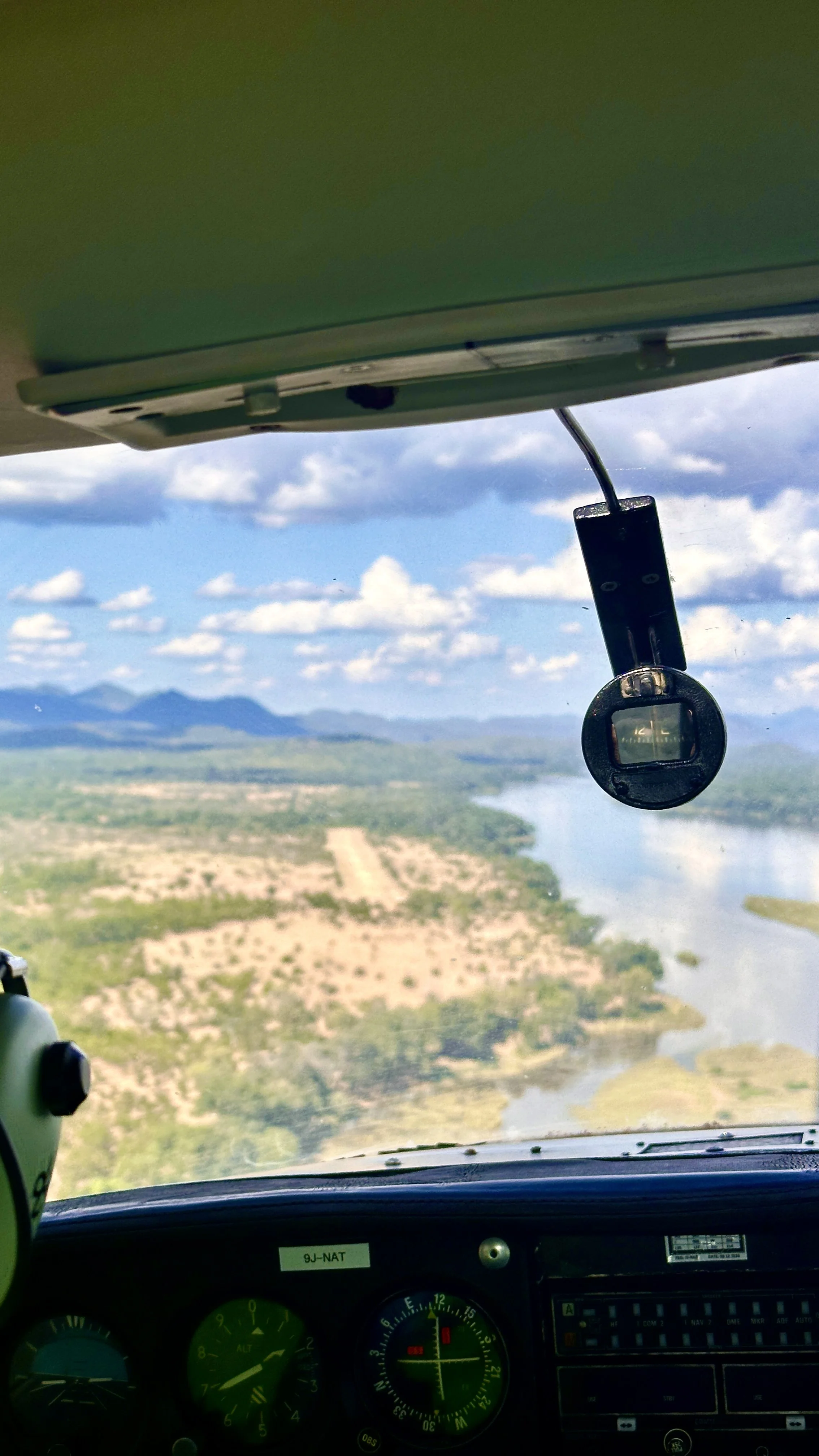
I had done a lot of research before arriving. Even so, Anabezi and the wider destination exceeded my expectations; the landscape itself still surpassed the photographs. From a lodge-review perspective, the winterthorn forest is one of Anabezi’s greatest assets because it gives the camp an immediate and distinctive sense of place.
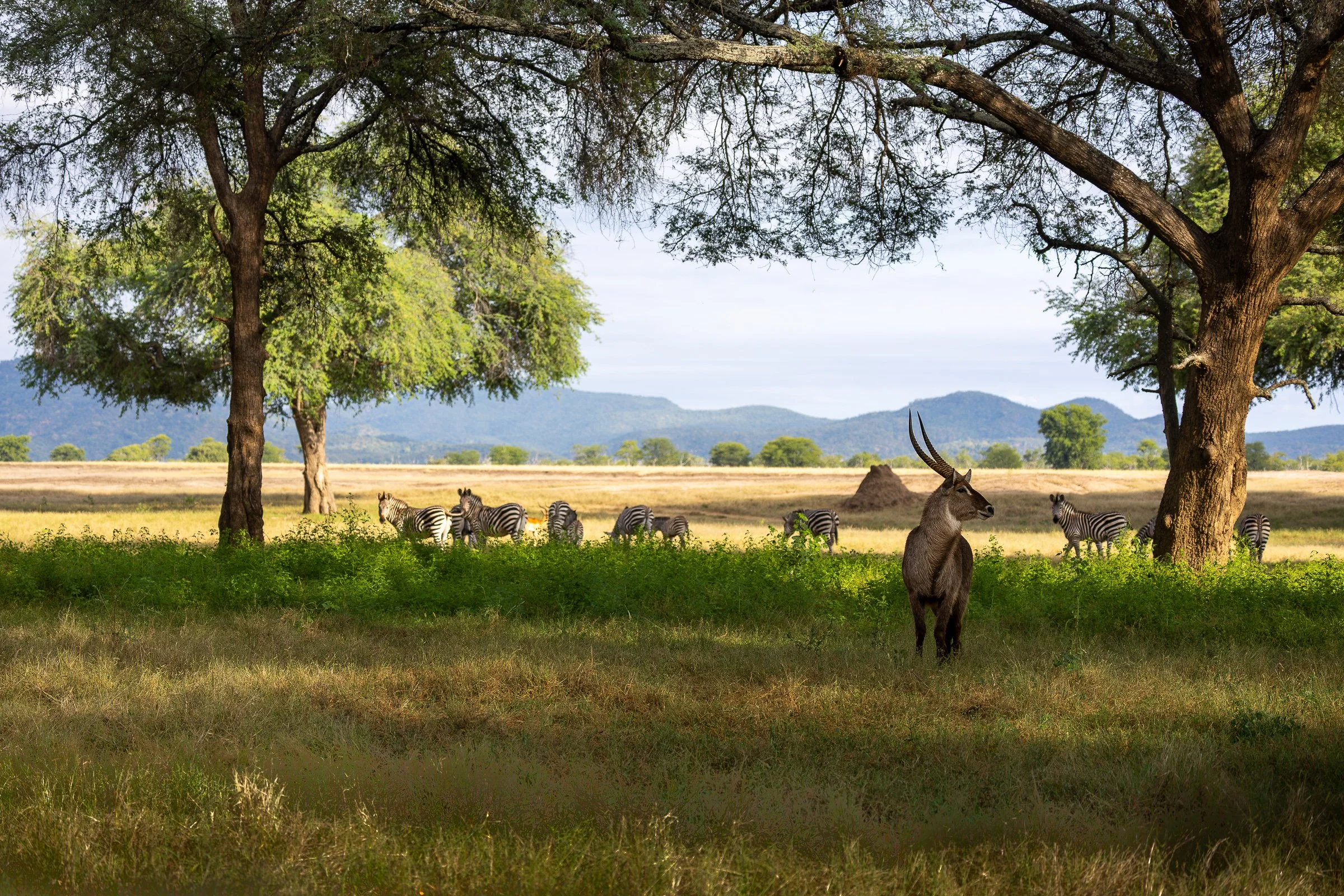
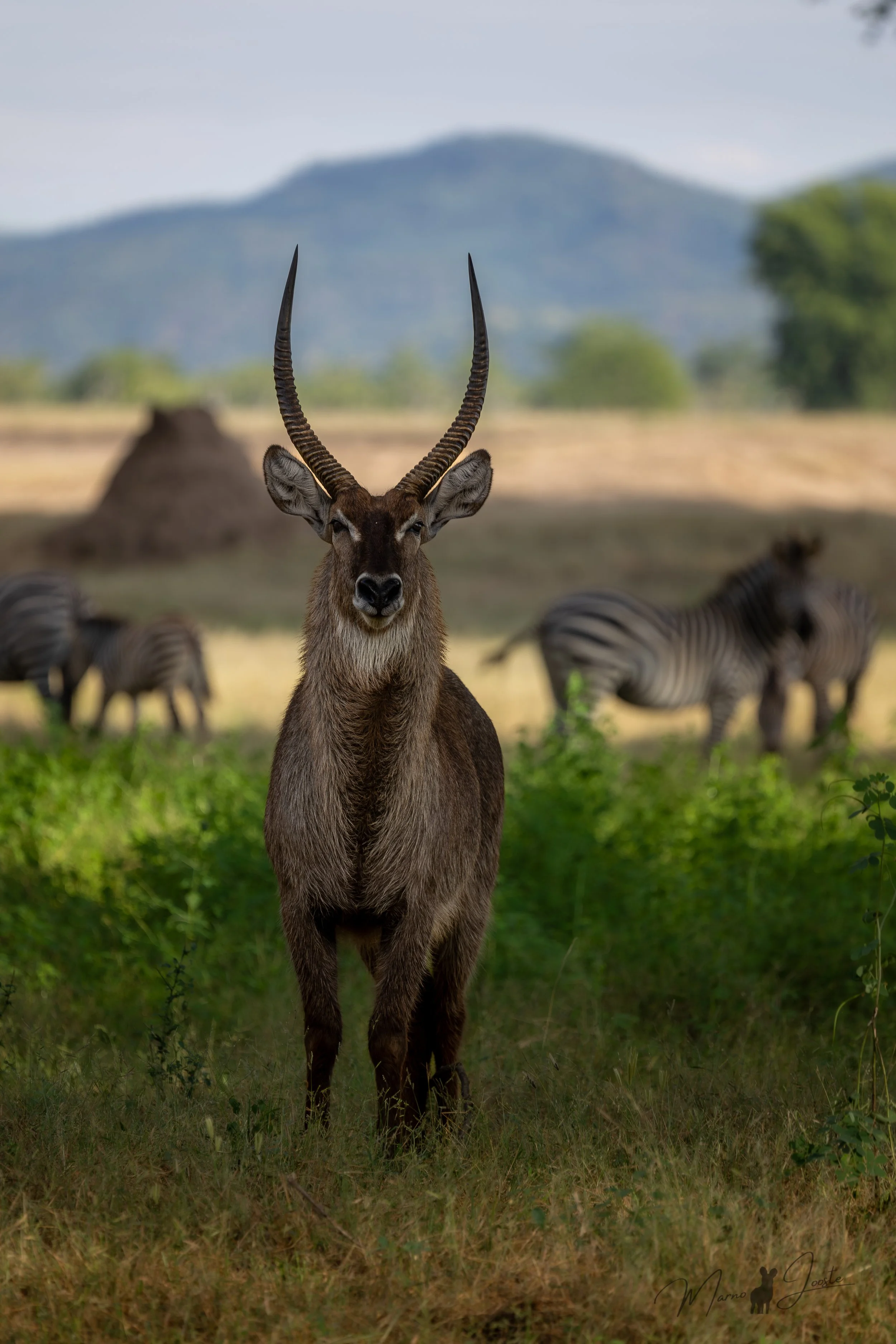
Waterbuck and zebra enjoy the lush green vegetation of the winterthorn forests
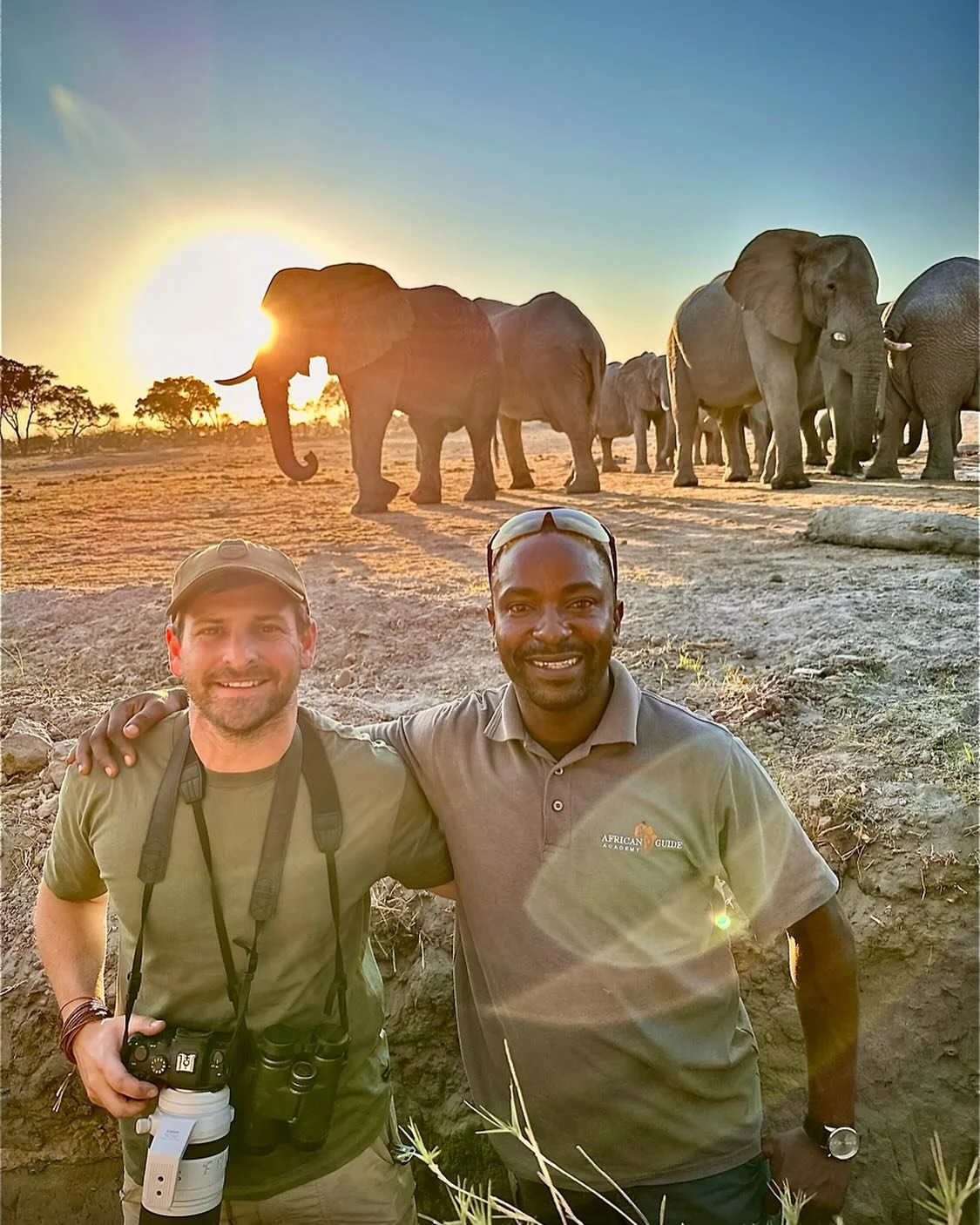
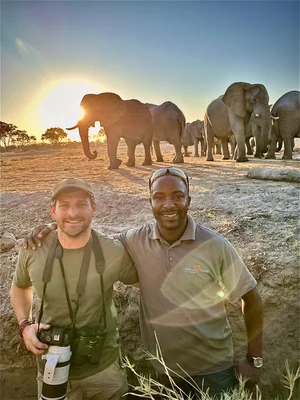
I was picked up by my guides Richman and Chris at the airstrip. It was a short 25-minute drive to camp where I received a very warm welcome from the staff and enjoyed a refreshing drink and a cold towel to wipe the sweat.
Anabezi makes the most of that setting. The camp’s position within the winterthorn forest and beside the river is a major part of its appeal, and the raised boardwalk design helps the camp sit lightly within the environment while still giving guests a very comfortable sense of access and ease.
Rooms and design
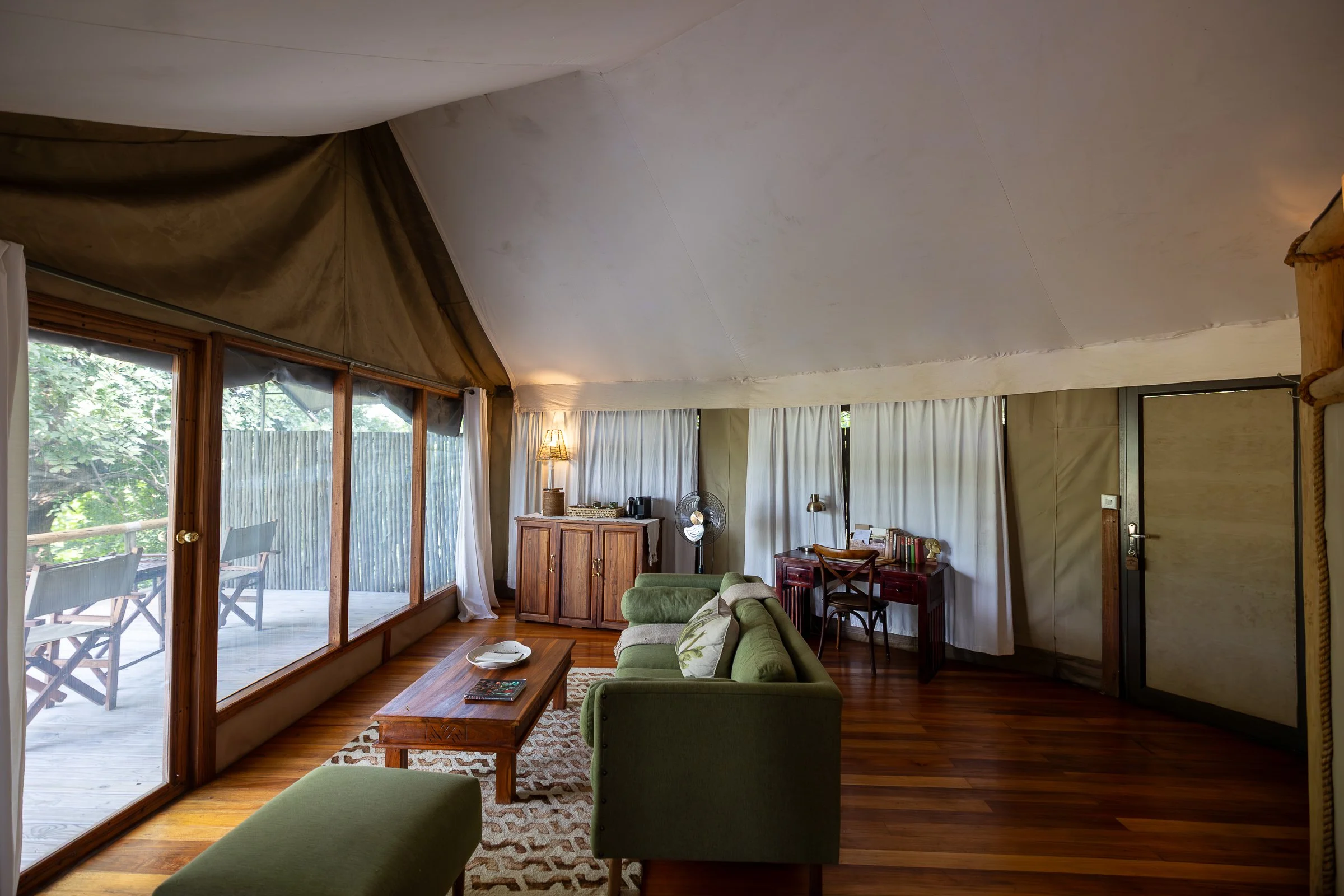
The lounge makes for a very relaxing spot to sit in the afternoon with a drink from the minibar.
The rooms are a major strength.
They are large, comfortable and very well equipped, with a huge bed, plenty of desk space, a well stocked minibar, private plunge pool, outdoor shower, and a bathroom layout that combines indoor comfort with outdoor safari atmosphere. Each suite includes an indoor bathroom with Victorian-style soaking bath and an outdoor bathroom with shower, which matches what I experienced on the ground.
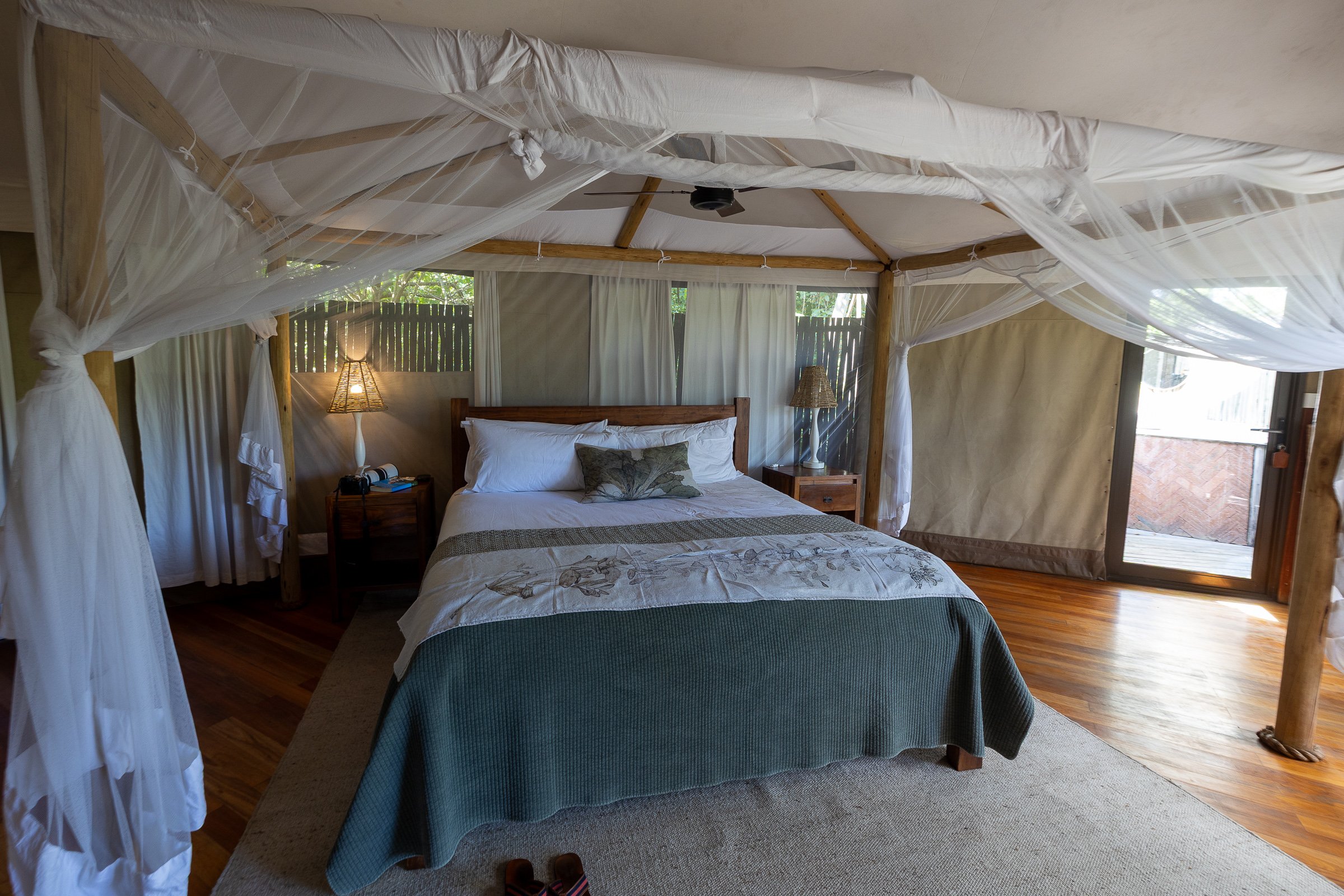
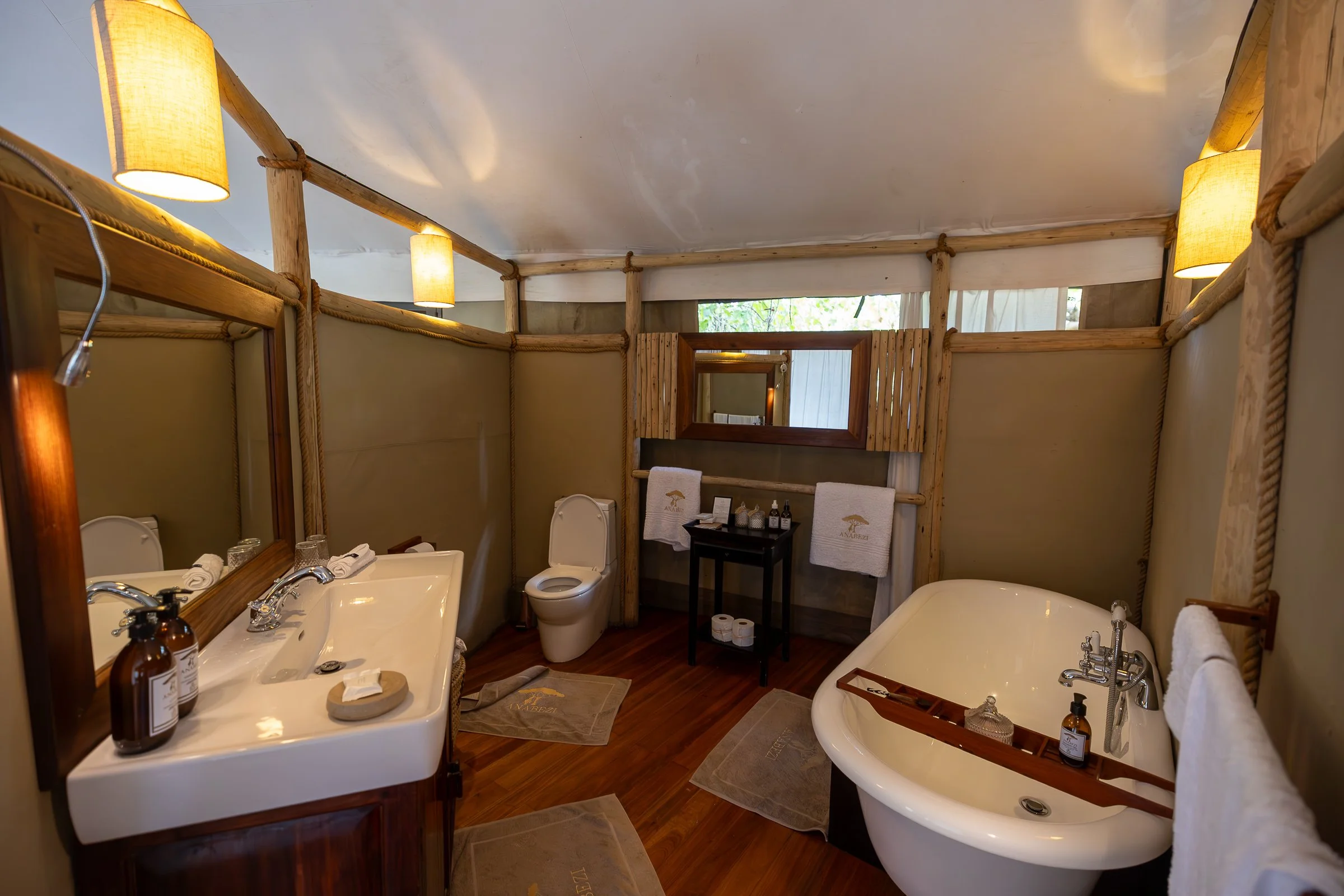
Sleep quality was excellent. The bed was extremely comfortable, and the rooms felt genuinely restful and spacious rather than simply decorative. I also liked the thoughtful additions such as the yoga mat and resistance band, which gave the room a more lived-in feel.
A practical point for future guests is that room position matters. The rooms on the left side had more tree cover and therefore more shade and privacy, while the rooms on the right had a more open aspect and were being redone at the time of my stay. The more enclosed rooms are attractive in their own way, but the heavier shade can make plunge pools cooler and reduce the amount of light coming into the room. That is worth bearing in mind if you strongly prefer sunnier, more open views.
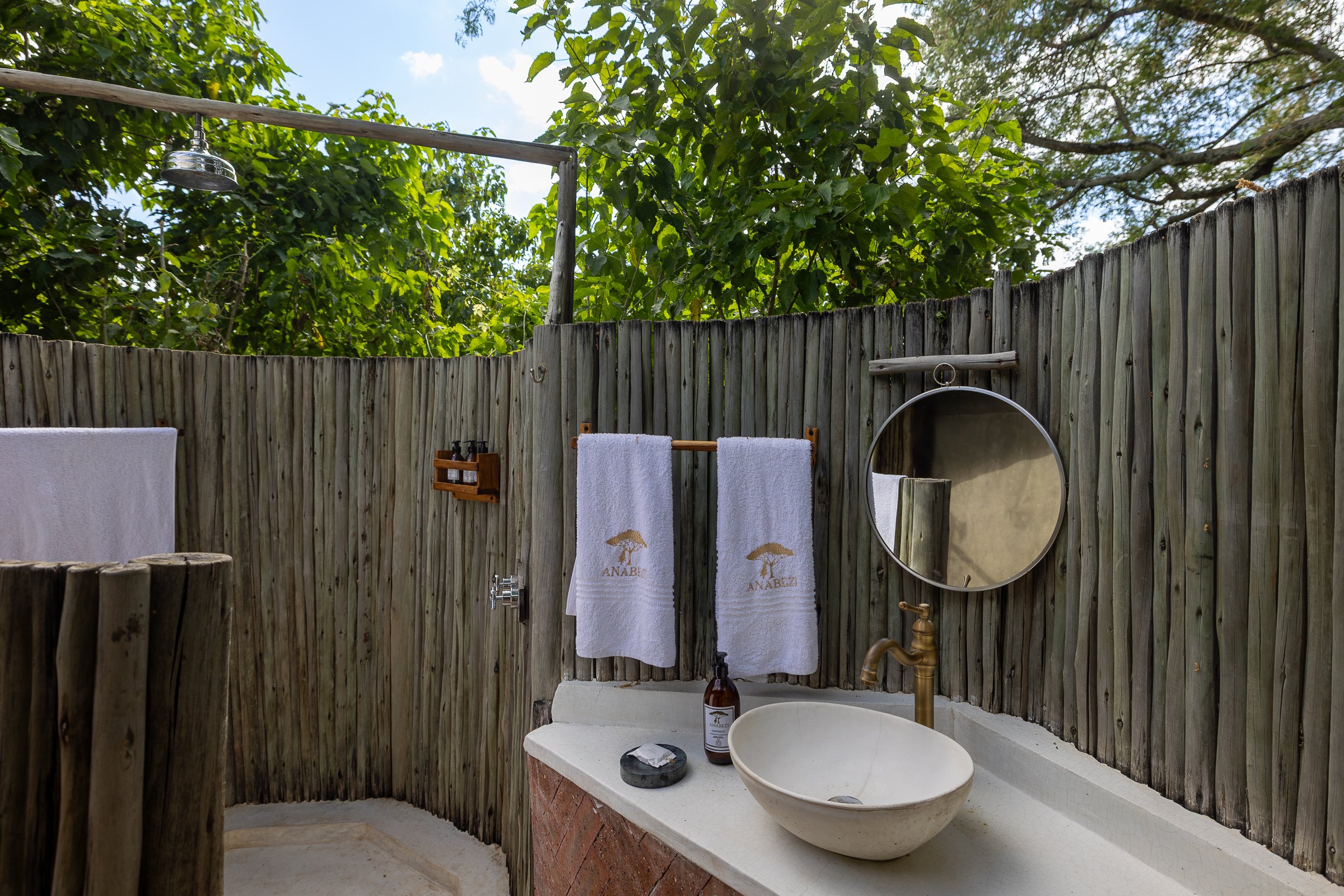
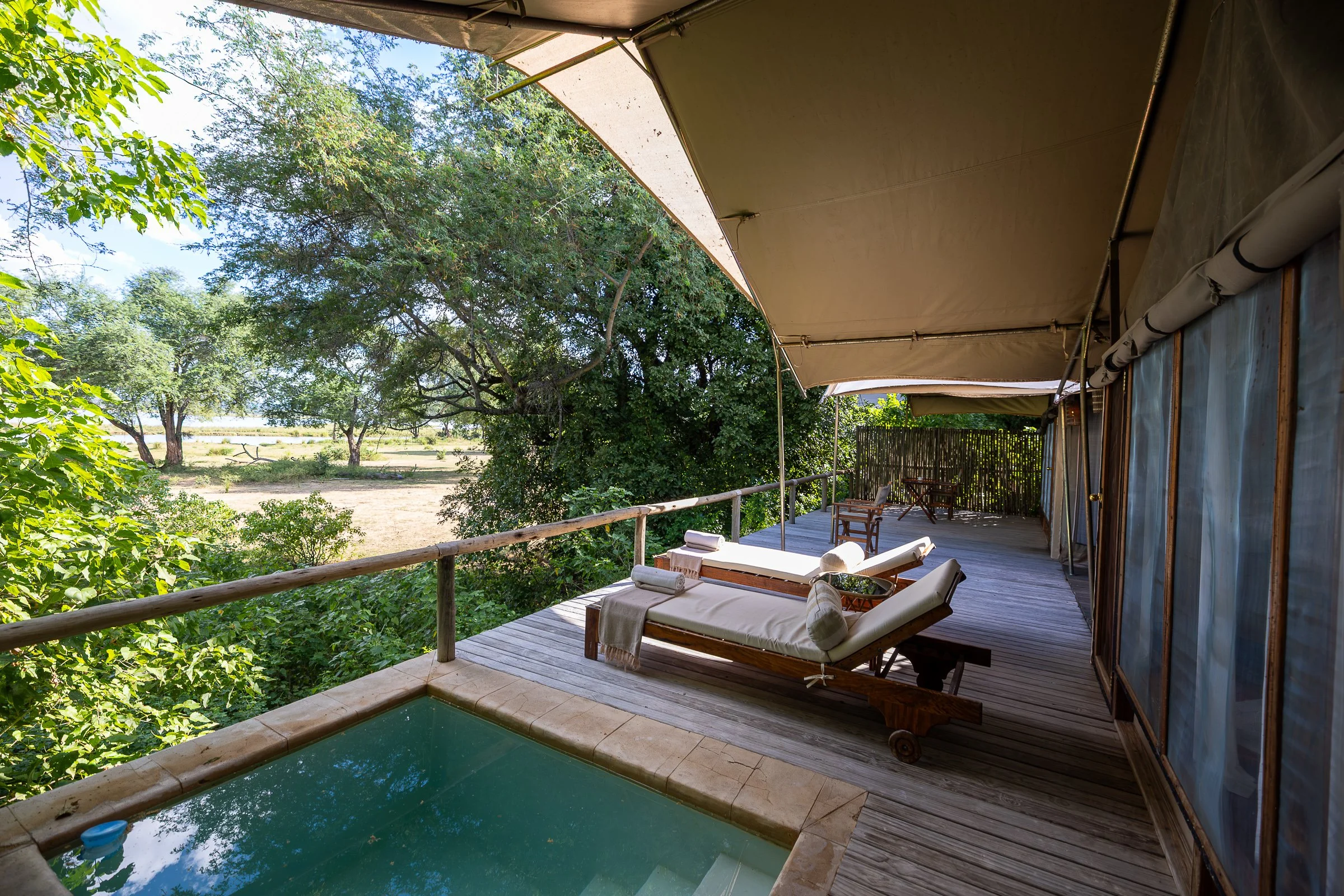
The rooms had proper charging points and enough space to manage camera gear, batteries and personal items without feeling cluttered. Wi-Fi is available, but as with most remote safari camps, I would treat it as useful for light communication rather than something to rely on for work. Laundry is available free of charge, which also helps keep packing light for a wider Zambia itinerary.
Entrance to a guest suite at Anabezi Camp
I was also shown the room renovations taking place during my stay. The updated rooms are expected to include air conditioning above the bed and a redesigned bathroom layout, with a more private enclosed toilet and bath area. From what I saw, the changes should make the rooms feel even more comfortable while preserving the sense of space and connection to the bush. The bath views, in particular, should be excellent.
Main area and atmosphere
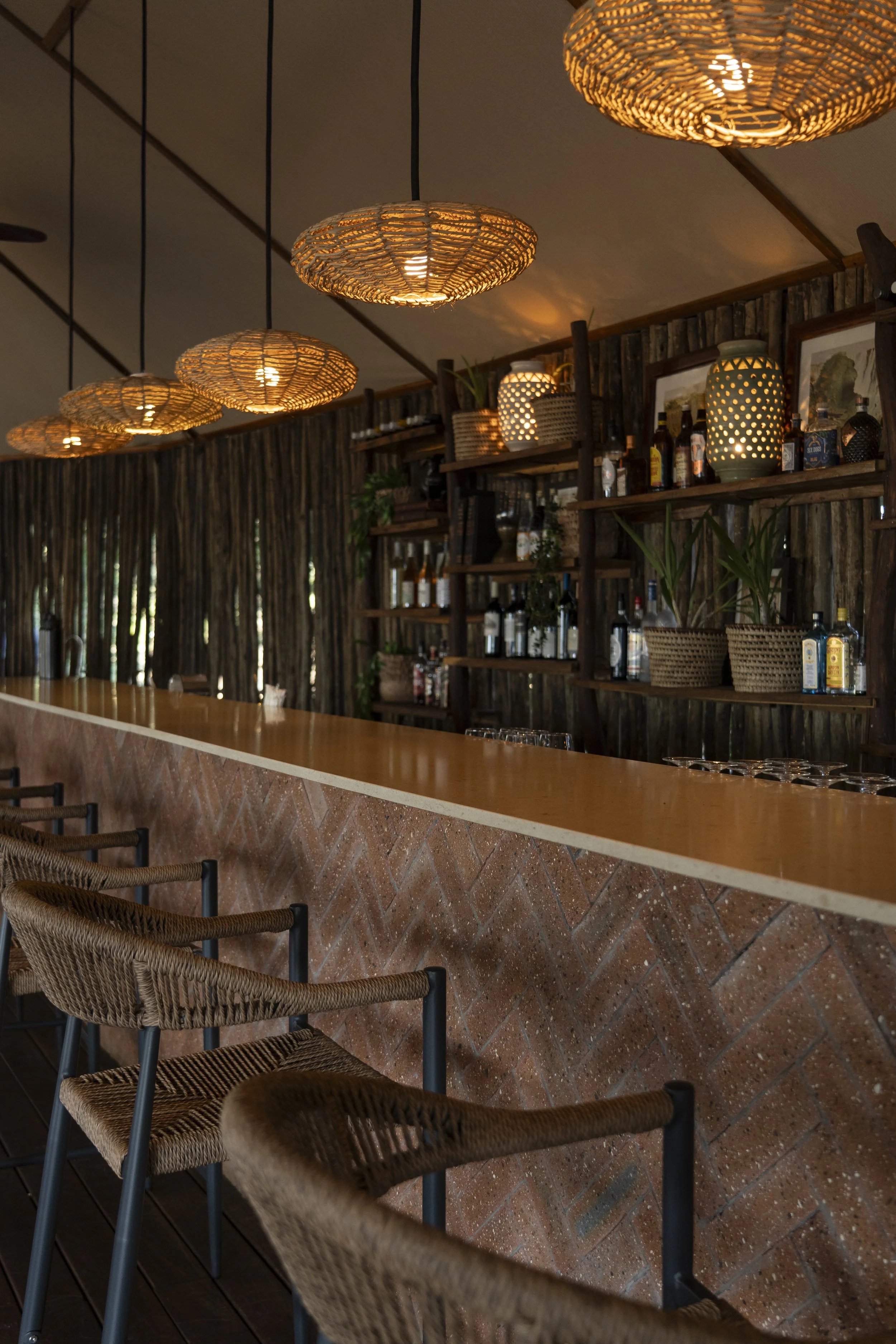
The main areas are spacious, attractive and extremely comfortable.
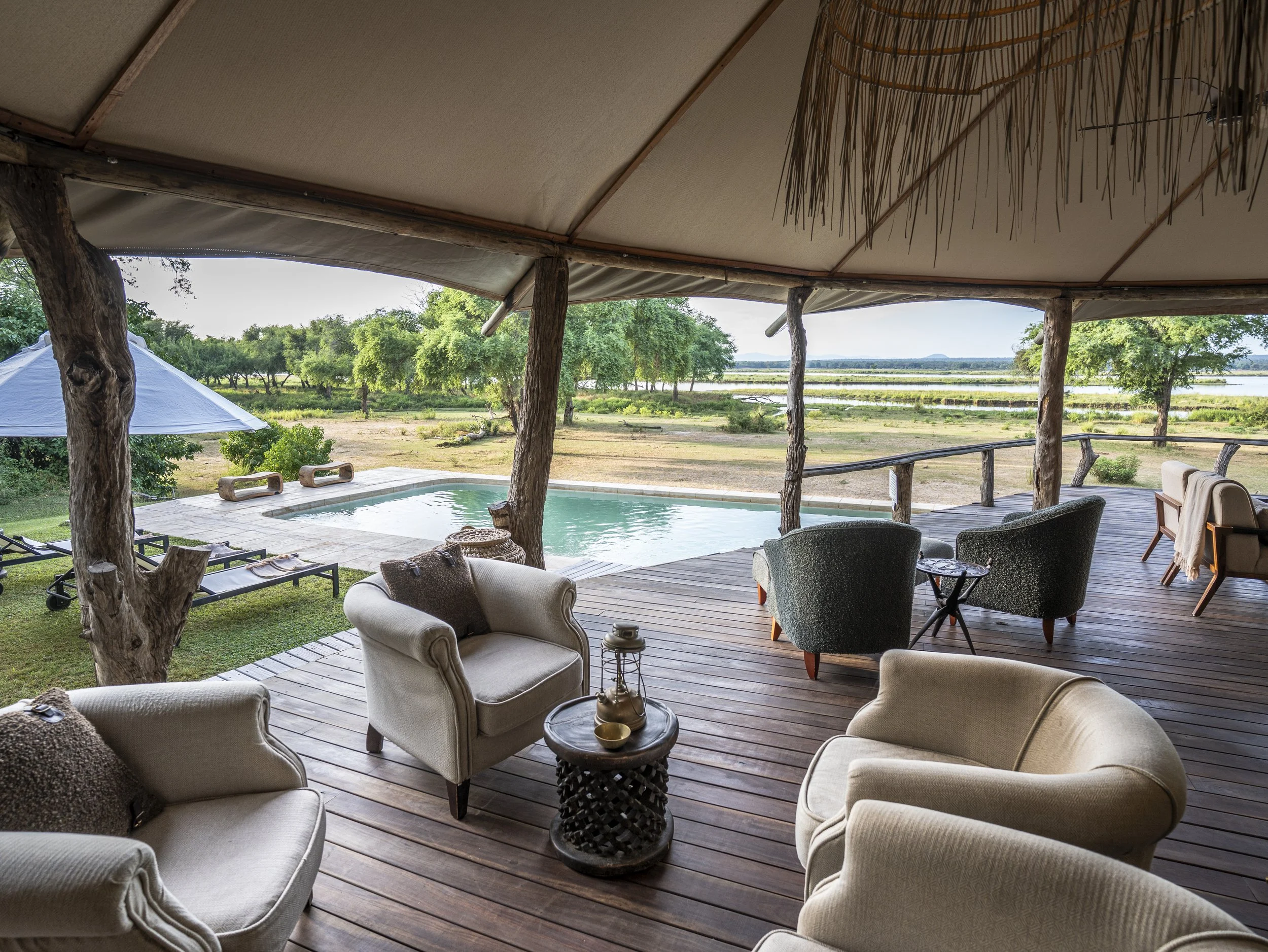
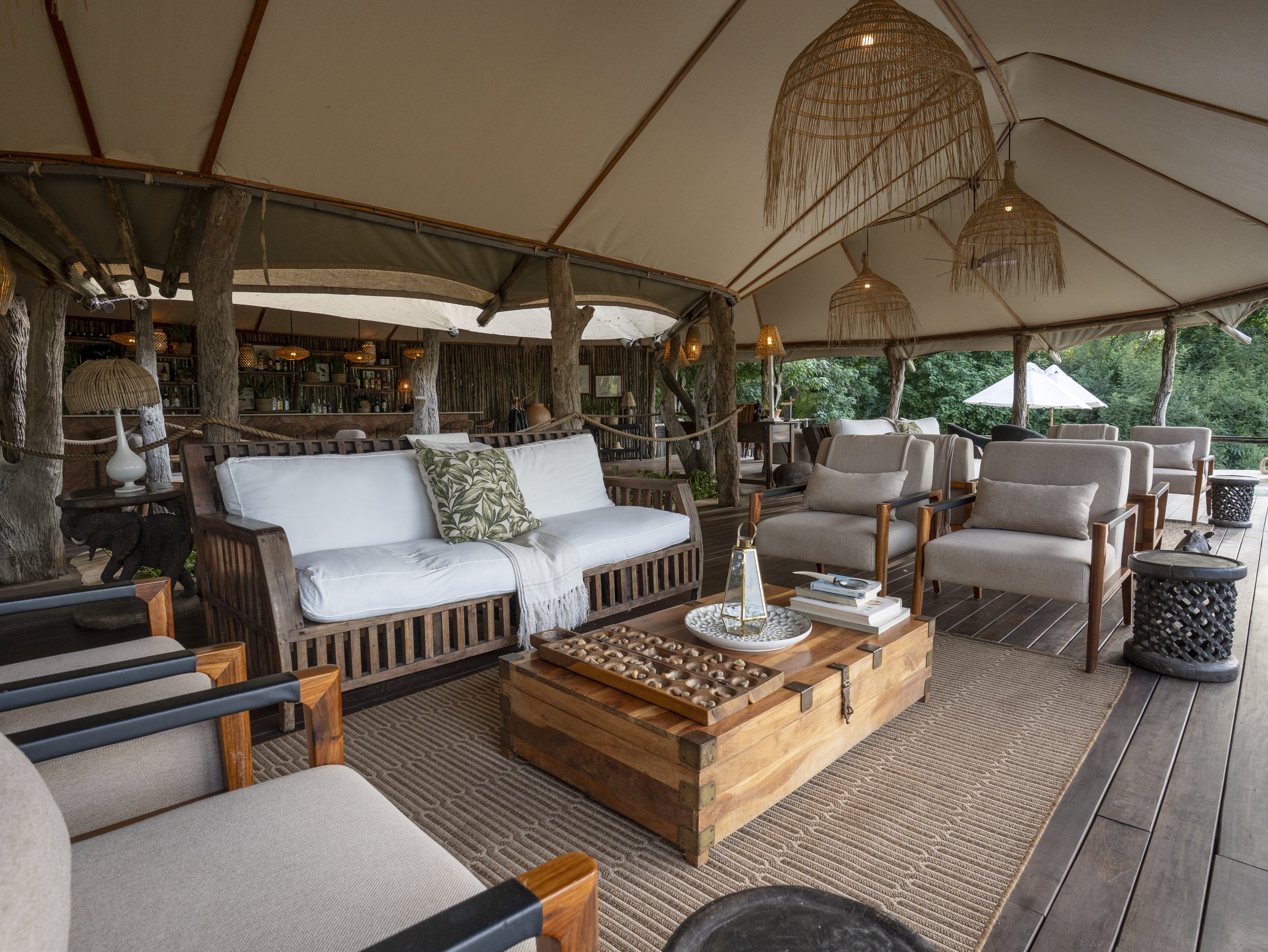
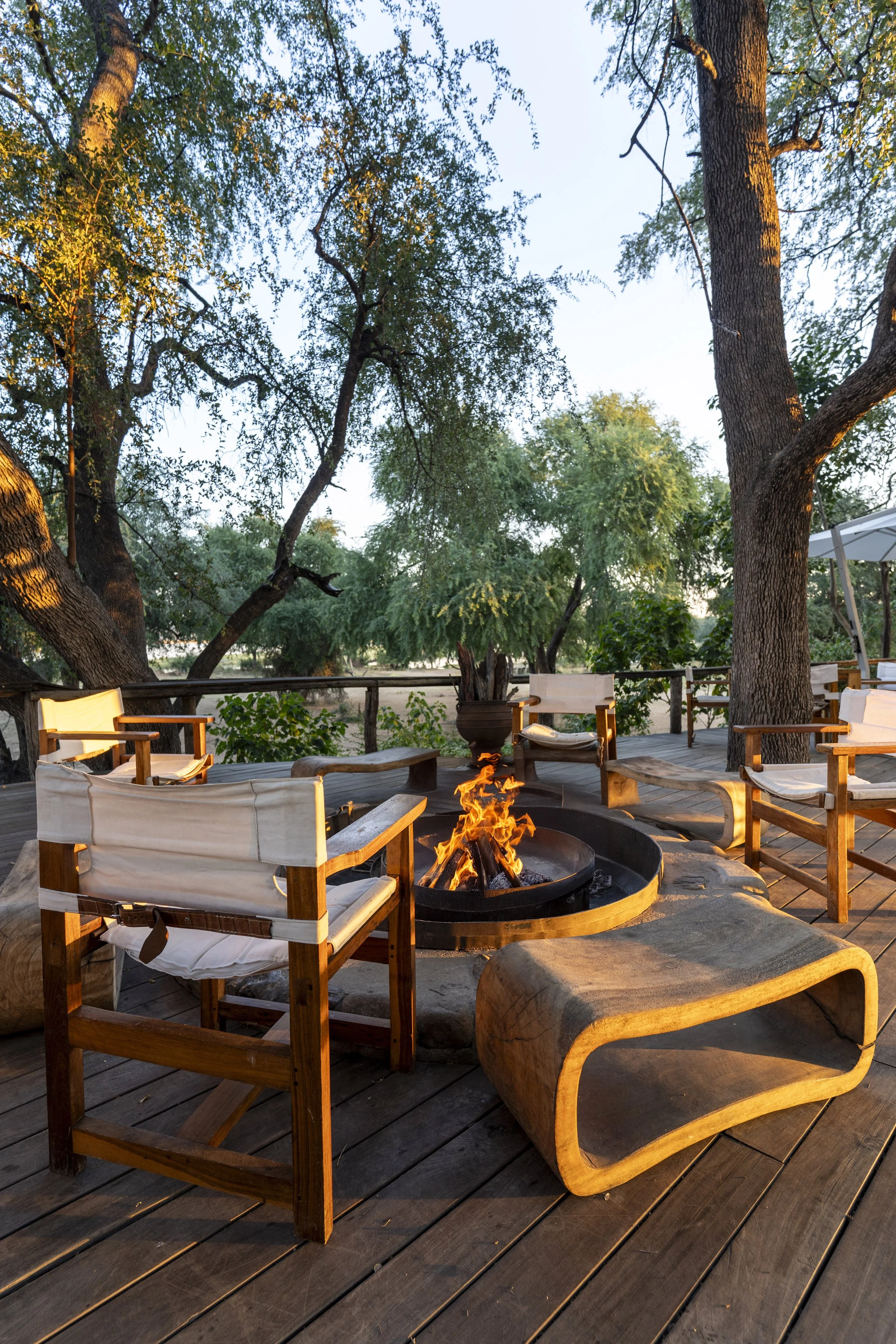
Anabezi has two distinct communal spaces: the Zambezi Deck, which is the social heart of camp and the main meeting point for meals and activities, and the Mushika Deck, which sits further along the boardwalk and feels quieter and more secluded. Both official camp descriptions and my own experience align closely here. The Zambezi Deck has the headline river views and a stronger central energy; the Mushika Deck is more peaceful and more about slowing down - I preferred spending my afternoons there.
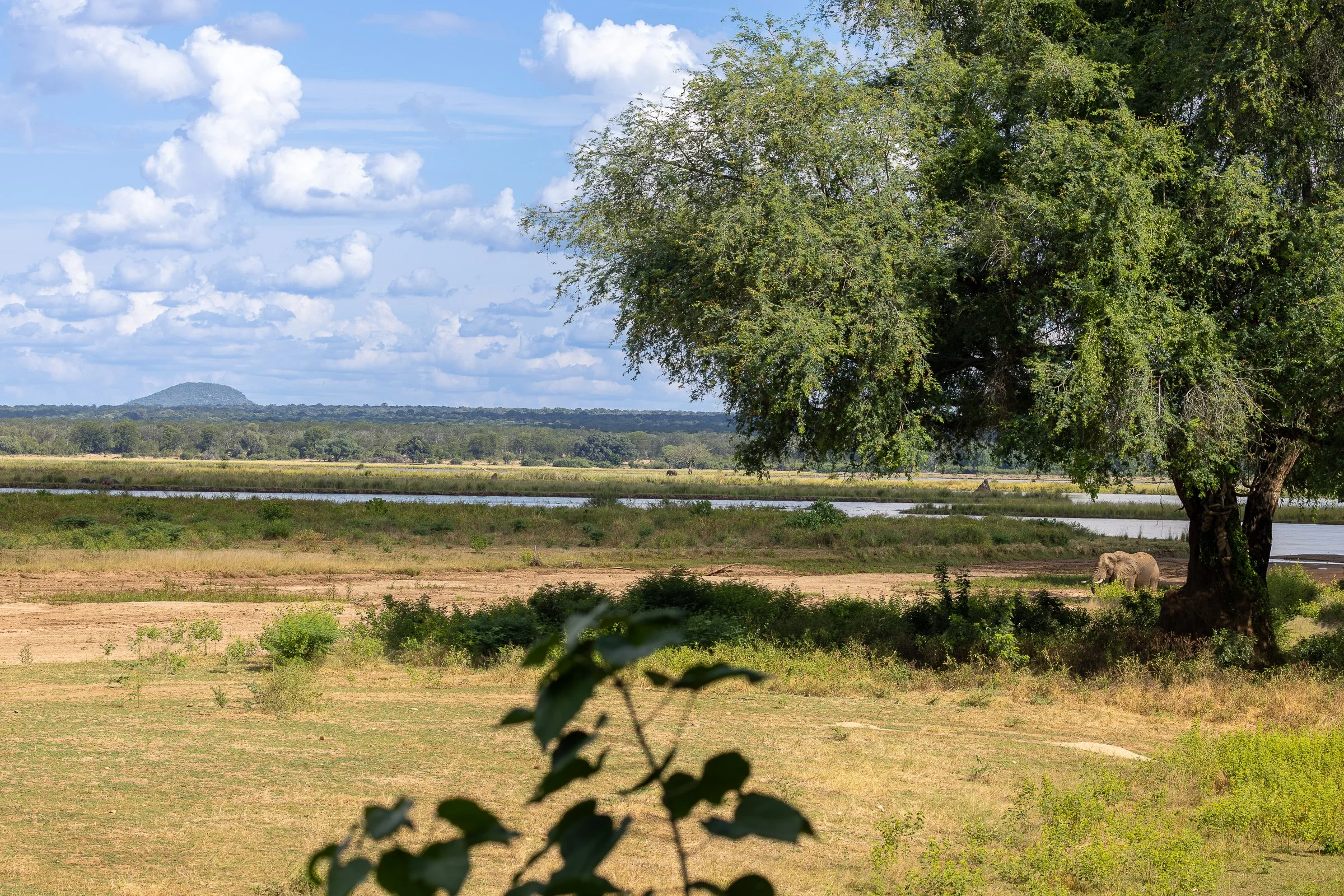
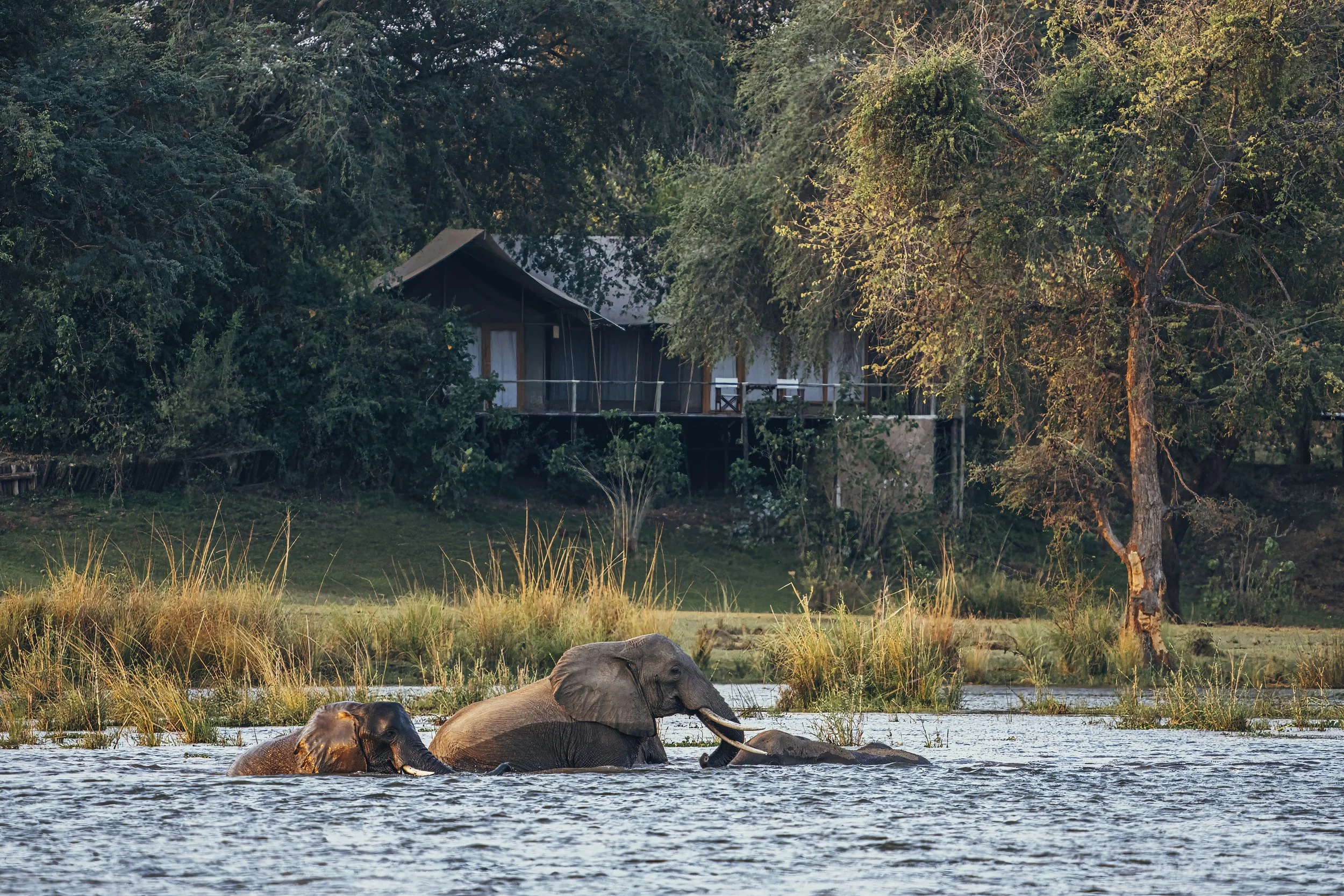
The river views from the main areas were excellent in practice and were one of the camp’s standout features. This is very much a lodge where you can sit still and still feel as though the safari is continuing around you. Elephants, buffalo, antelope and birdlife all use the area around camp, and the elevated design gives a very good vantage point over it.
Official descriptions mention regular wildlife movement through camp and close views of animals from the decks, which felt entirely believable based on what I saw. The day after I left the local lion pride made its way through camp and could be seen lounging around the front area of the camp, with the deck providing excellent vantage point for the views.
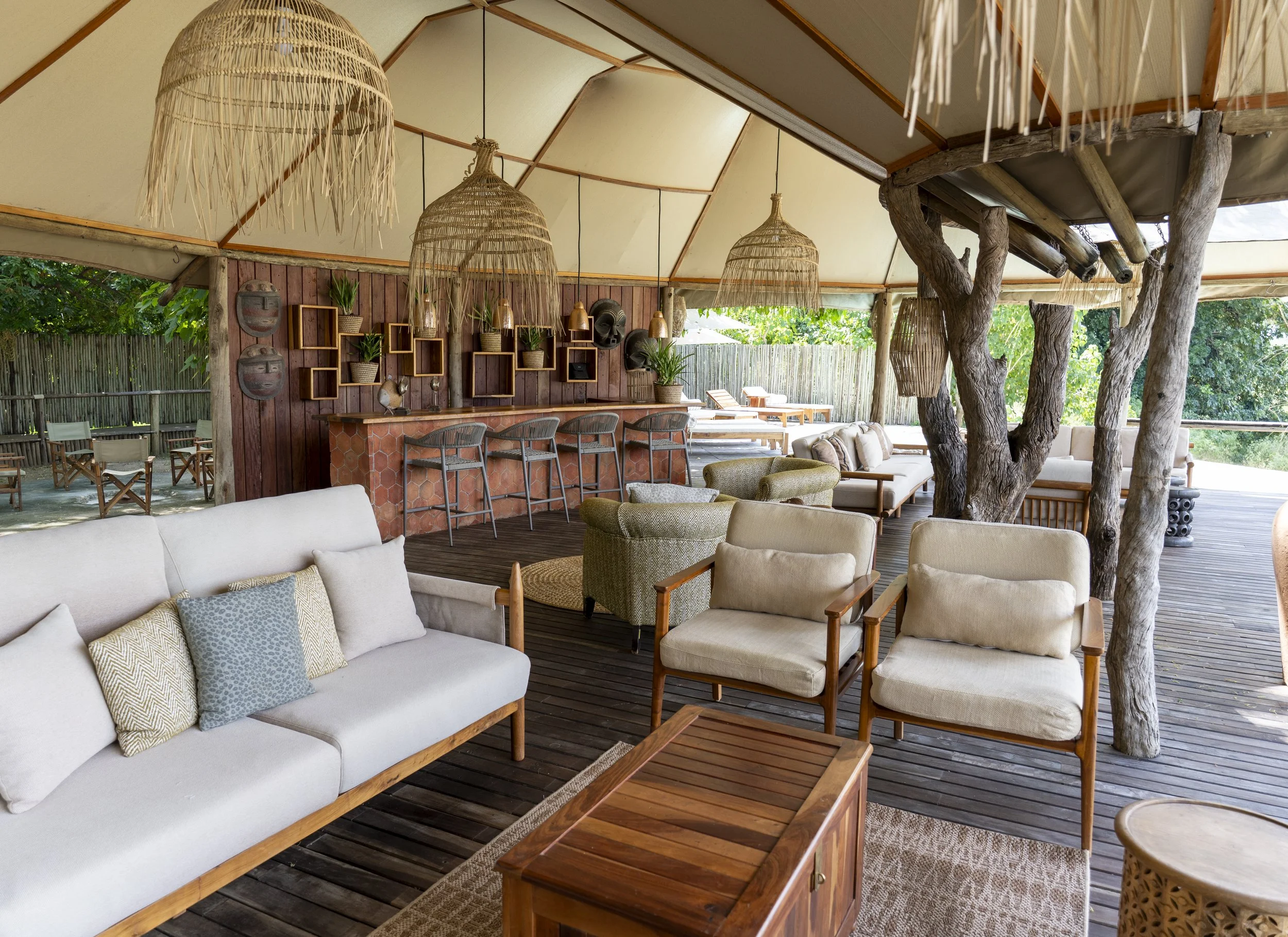
The atmosphere during my stay was unusual because I arrived right at the start of the season. There was only one other group of two at the camp for the first two nights of my stay and then I was the only person on the last night. In one sense that made it feel exclusive and very private, but it also felt a little too quiet. Given the size and the setting, the atmosphere will feel warmer and more naturally balanced when the camp has a few more guests in residence.
Mushika Deck at Anabezi Camp, a quieter communal area in camp
That did, however, allow me to get to know the staff well. On my final night, I had a memorable dinner with my guides, Richman and Chris, the camp manager Carol, and the building site manager overseeing the room upgrades. It was a relaxed and enjoyable evening, and a testament to the quality of the team currently working at Anabezi.
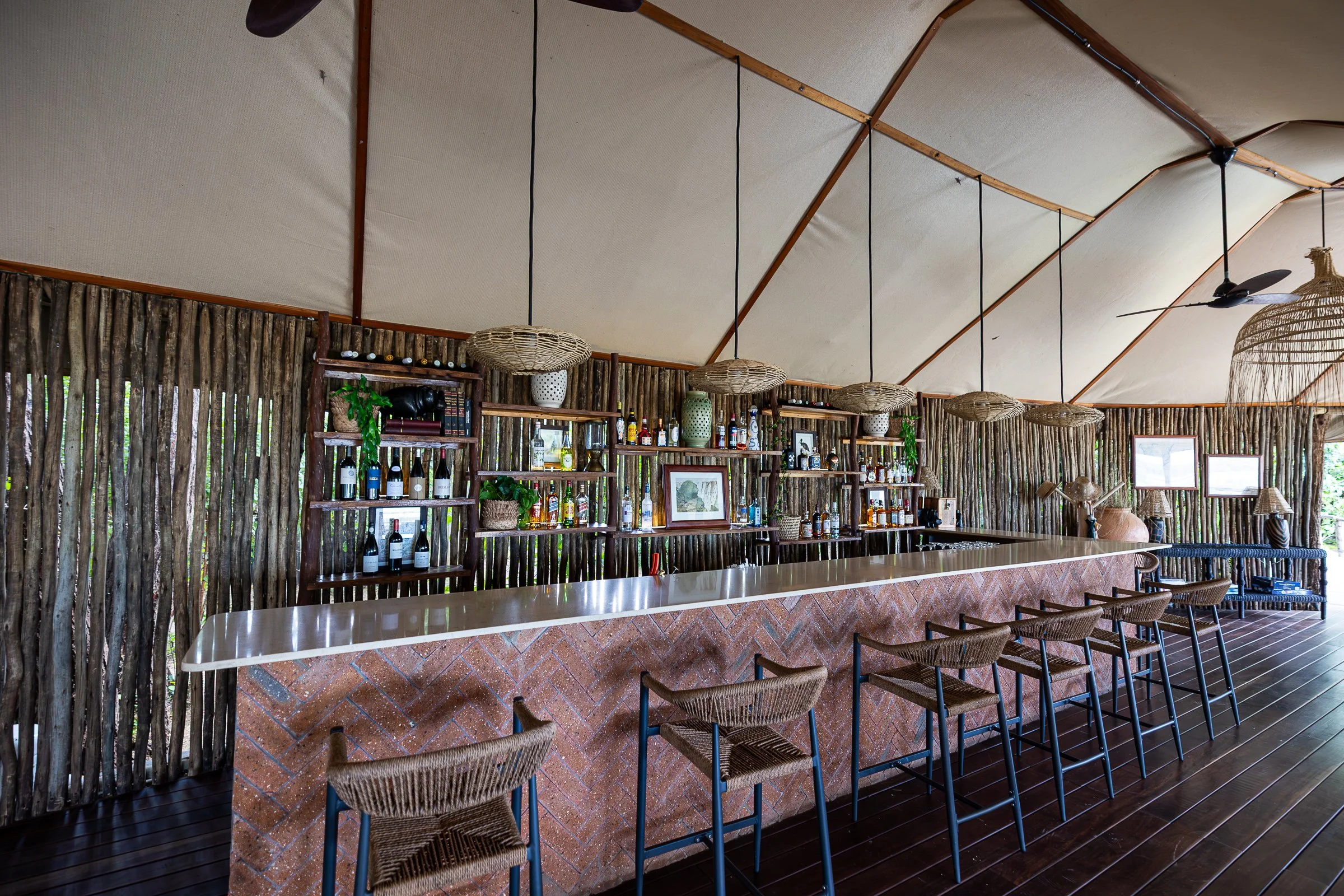
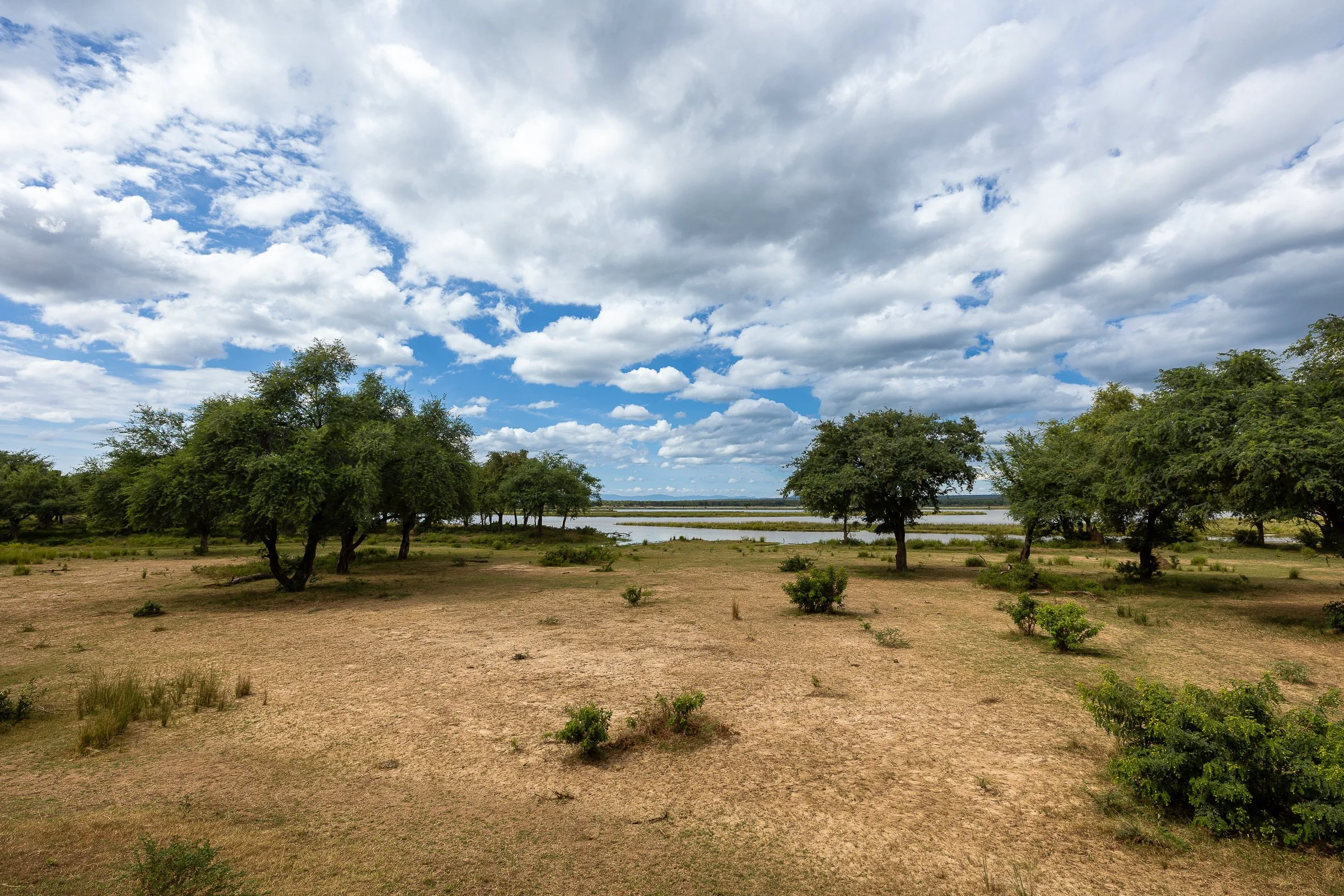
Close to the main area is a curio shop stocked with safari clothing, locally hand-made jewellery and a variety of African souvenirs.
Curio shop at Anabezi Camp with safari clothing and local crafts
Food, wine and service
Food and service were both excellent. The food was by far the best I have had on a safari to date.
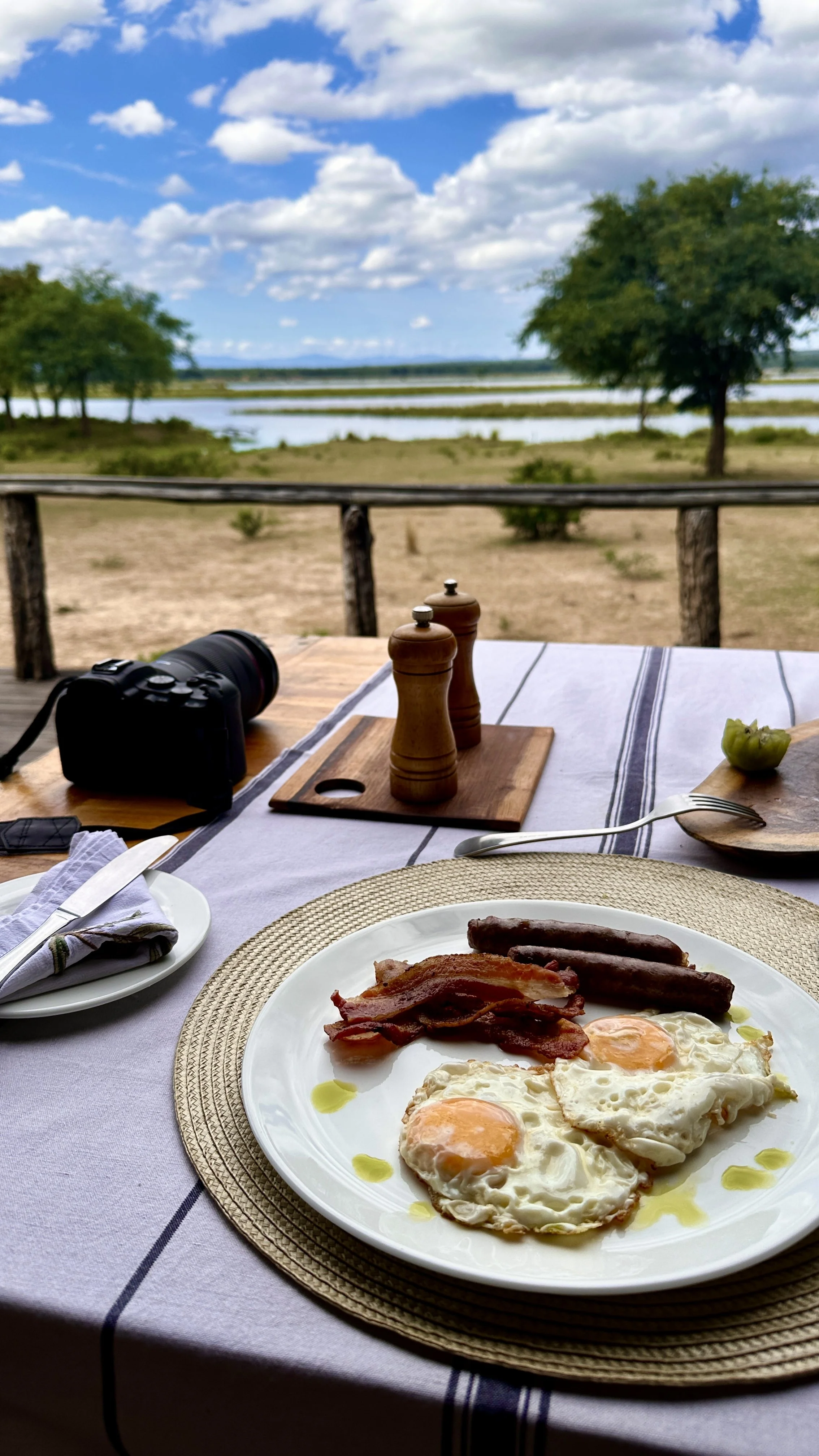
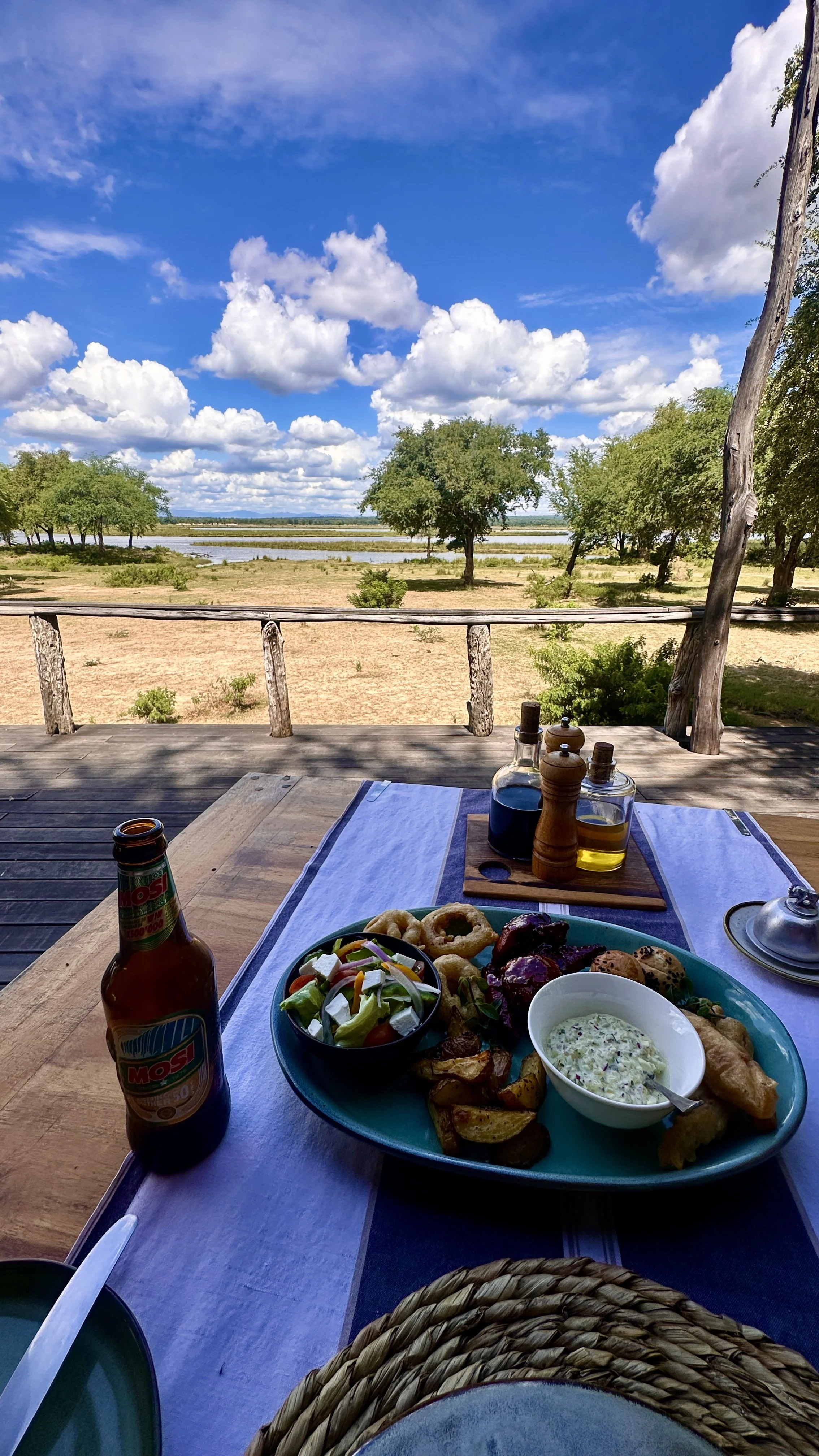
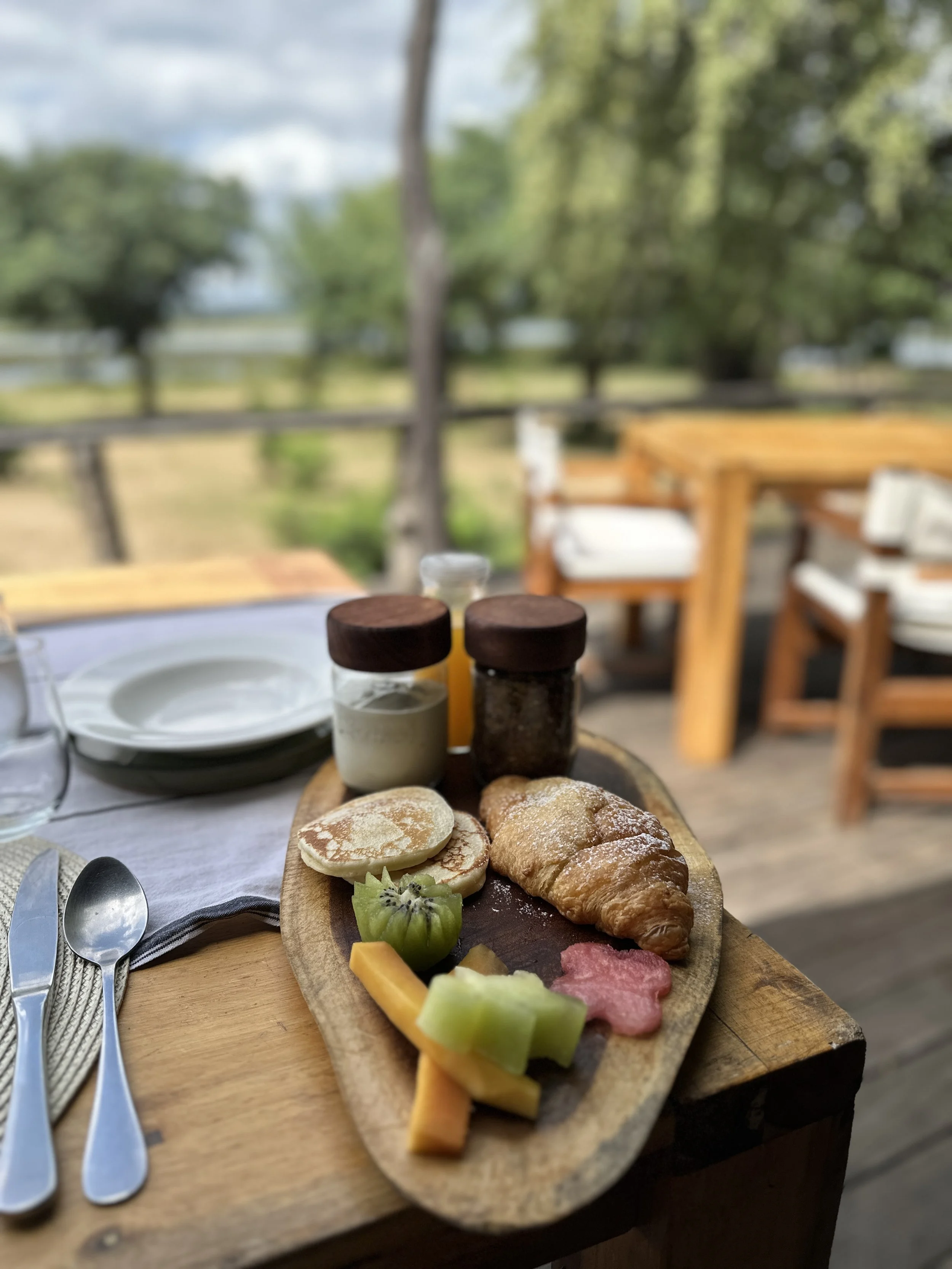
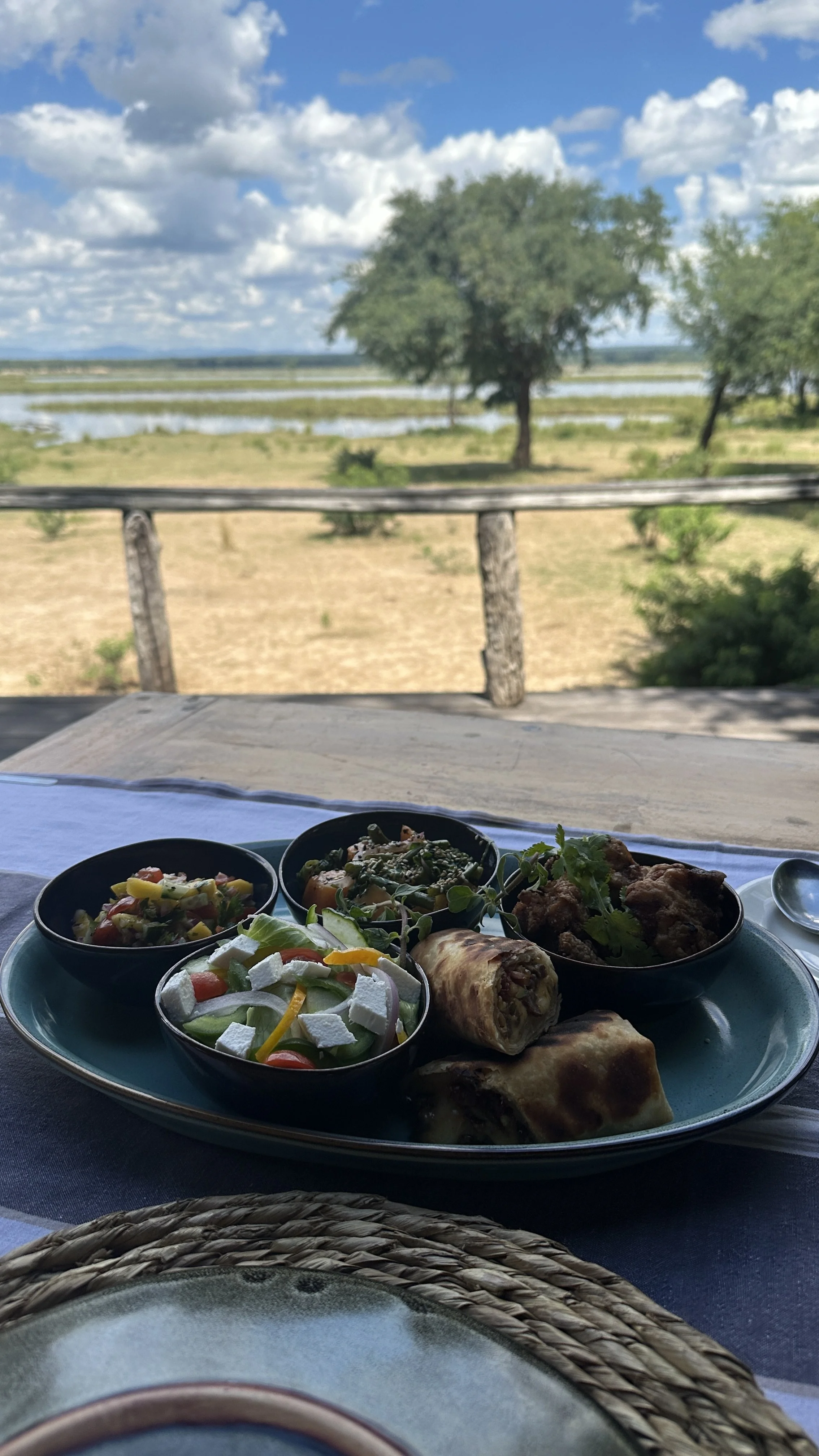
Early mornings started with cereals and muffins at around 5:30 am before heading out, coffee, tea and rusks on the daily bush breakfast stop and then a full breakfast on return with plenty of choice. Lunches were generous and varied, with a good spread of meat, salads and fruit. Afternoon tea followed at 3.30pm before the afternoon activity, with tea, coffee and freshly baked cake.
Dinner was a proper three course affair with options at each stage. Bush tea and sundowner snacks were also done very well, and the drinks offering felt high quality throughout. Soft drinks, house wine and local spirits are included, but fine wines, champagne and imported spirits and liqueurs are charged as extras.
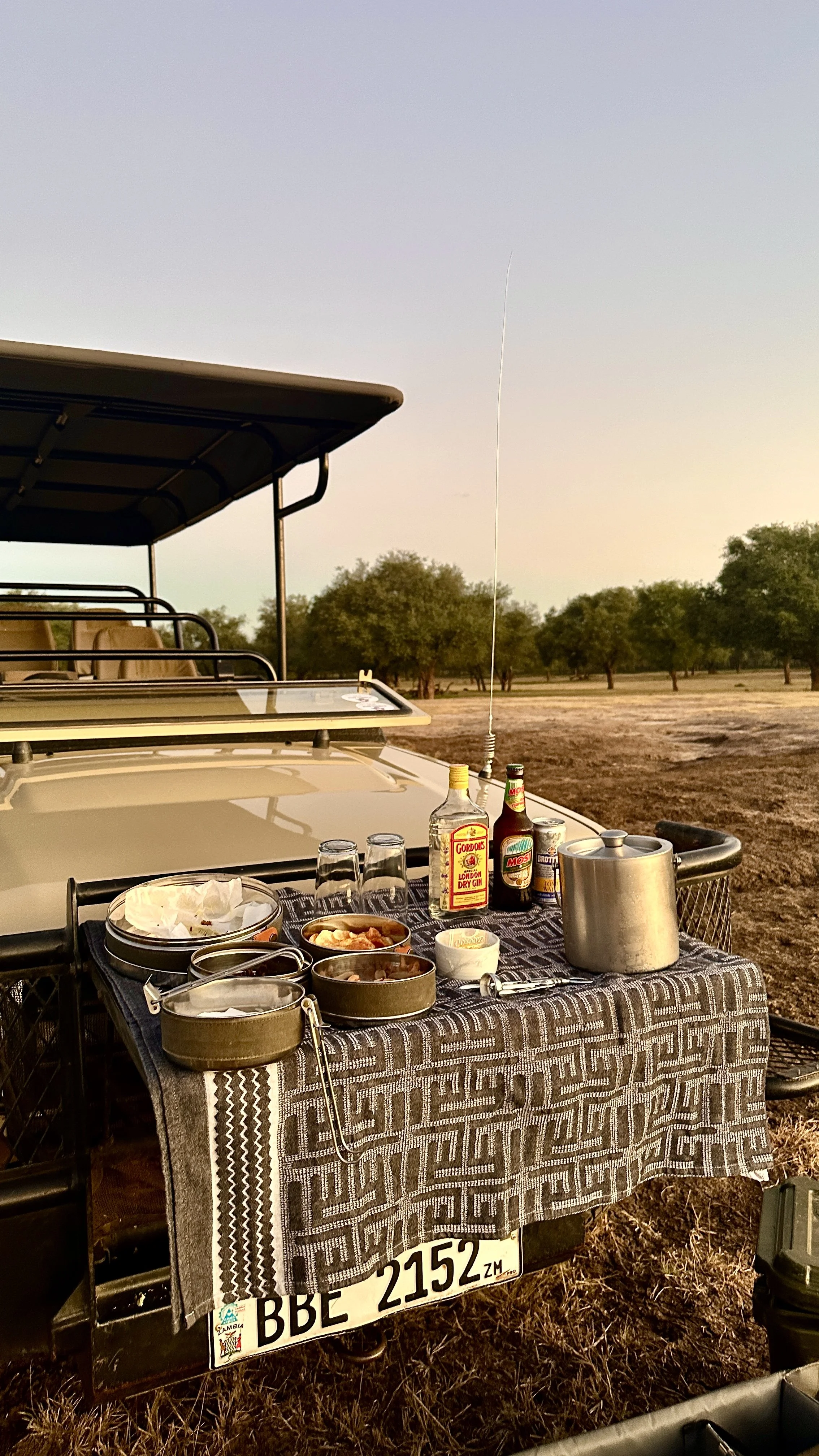
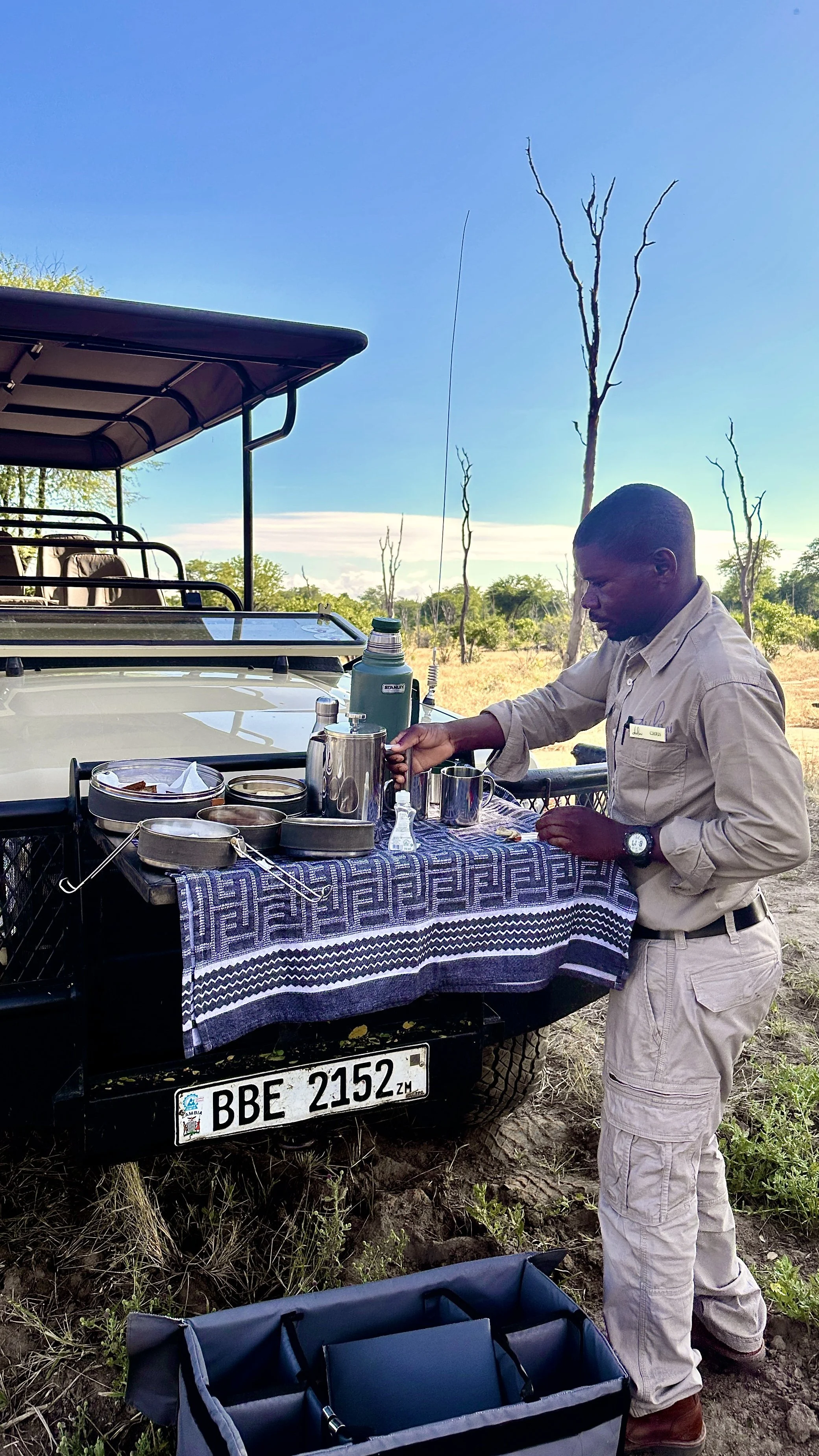
The wine was notably good, and there was a generosity to the service style that I appreciated. New bottles were opened without fuss, and nothing felt mean-spirited or overly controlled. More broadly, the staff were outstanding. Service was attentive, warm and professional at every meal and on every activity, and it is no exaggeration to say this was probably the best service I have experienced on safari.
Guiding and wildlife in the Lower Zambezi
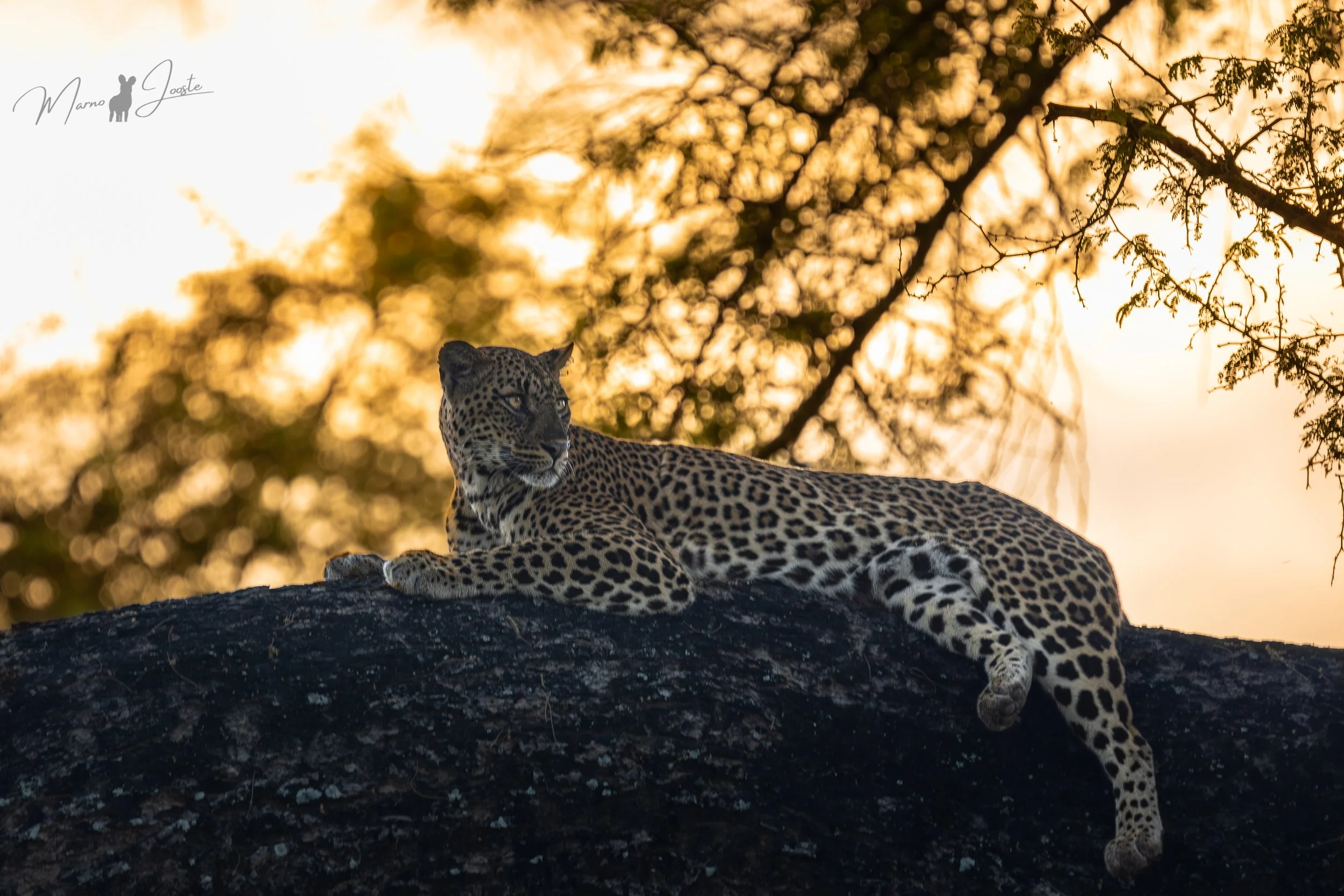
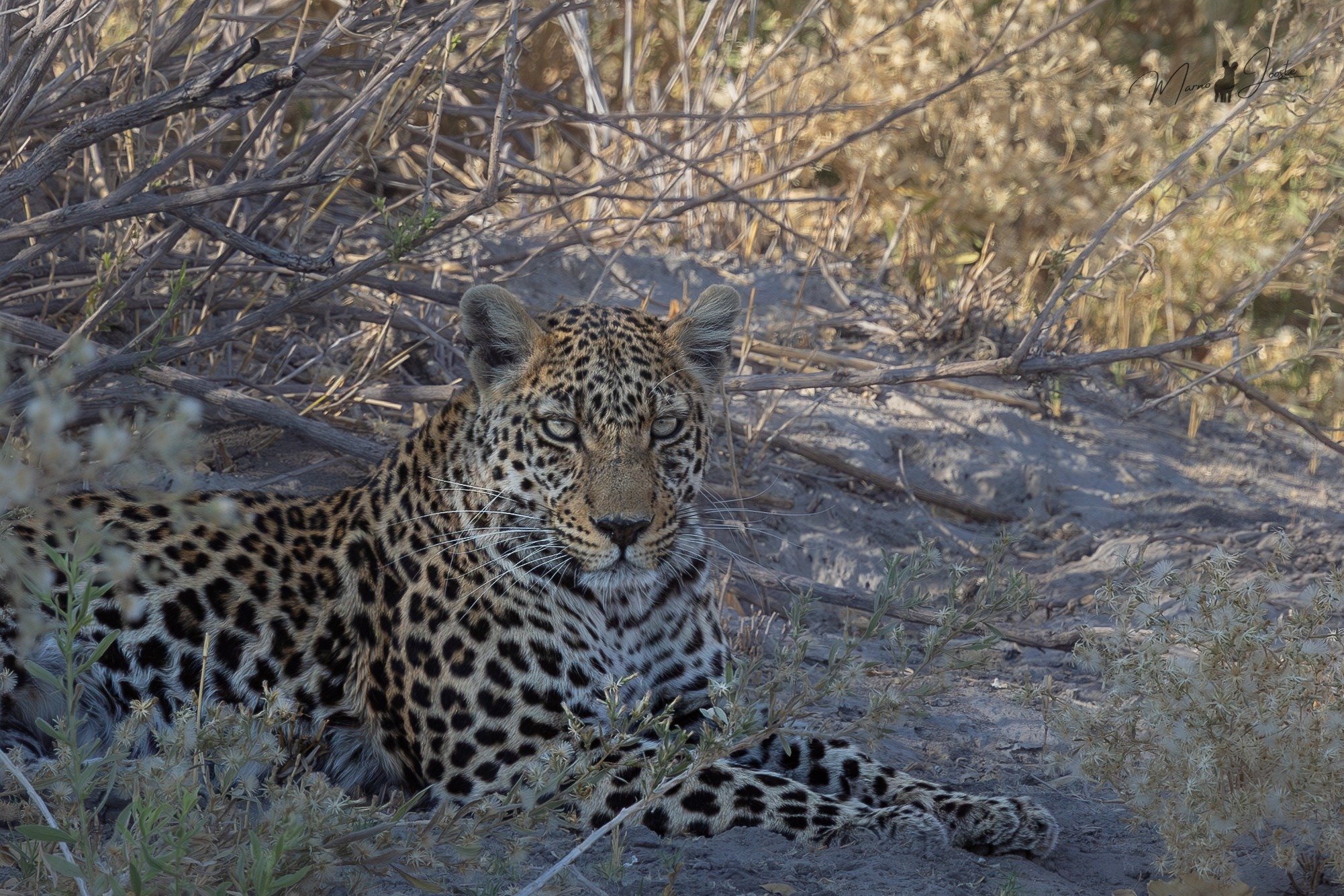
A female leopard uses the high trees as a vantage point at the start of the morning’s hunt
This is one of the most important sections for any Lower Zambezi lodge, and overall Anabezi delivered a very enjoyable wildlife experience.
My standout sighting was a long morning with a female leopard known as Scar, which I describe in more detail in my Lower Zambezi trip report. From a lodge-review perspective, what mattered was the quality of the guiding: the sighting was handled patiently, the vehicle positioning was good for photography, and we were able to spend proper time with the leopard rather than rushing on.
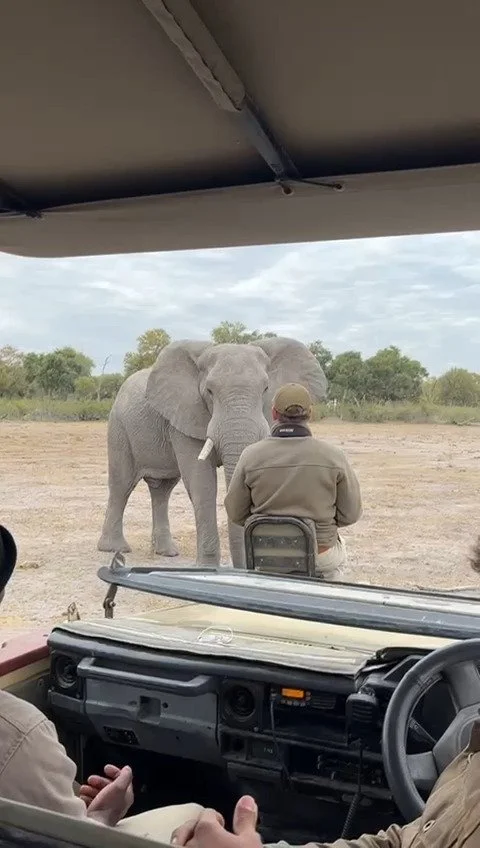
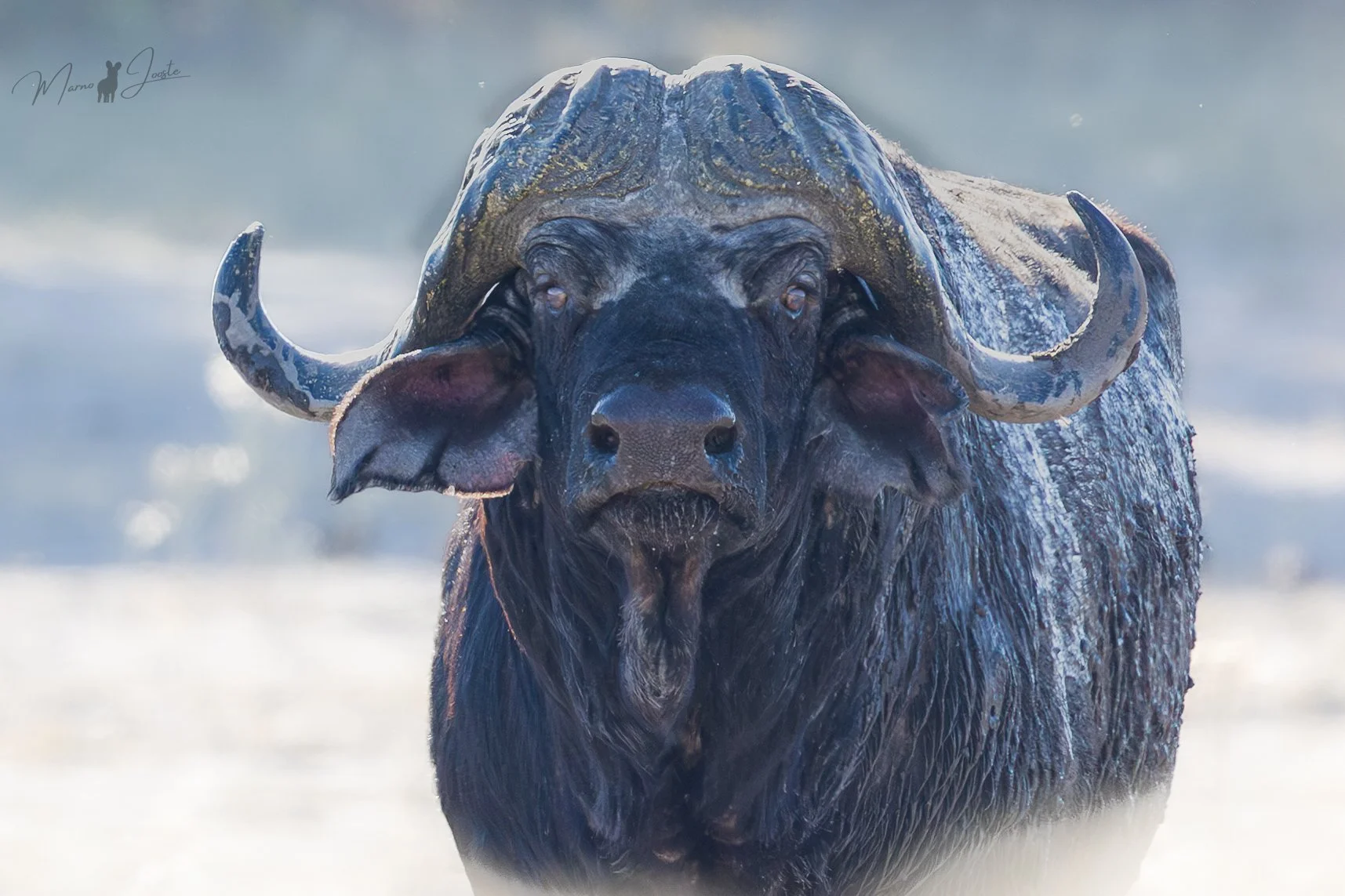
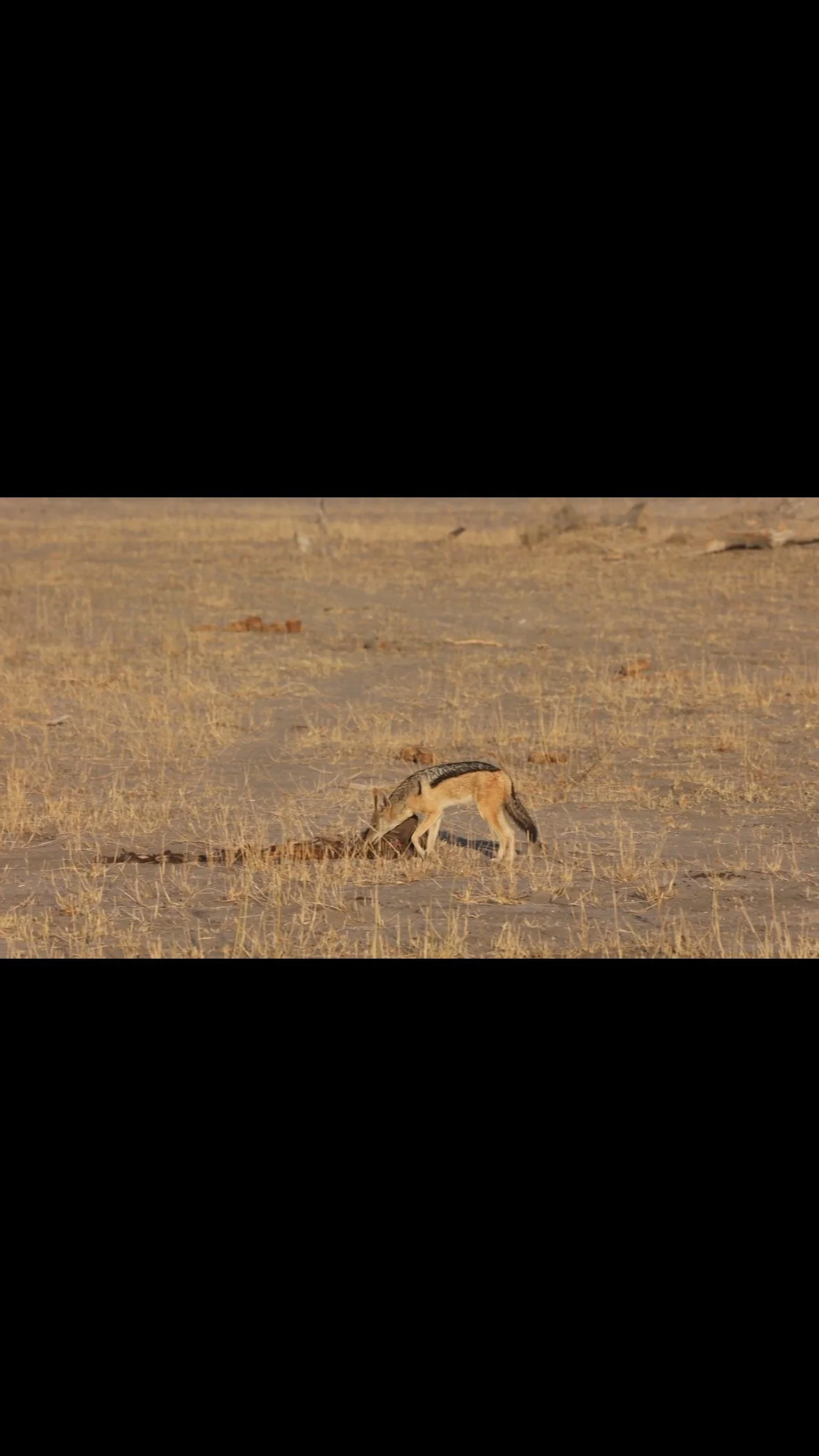
Beyond that, there was a very good spread of wildlife: elephant, including a herd of 50-plus; buffalo; zebra; kudu; waterbuck; hippo; crocodile; hyena; baboons; vervet monkeys; banded mongoose; white-tailed mongoose; genet; and lions on the way to the airstrip on the last morning. I was taken aback by the sheer density of herbivores in the area – around every corner there were more antelope, zebra or primates.
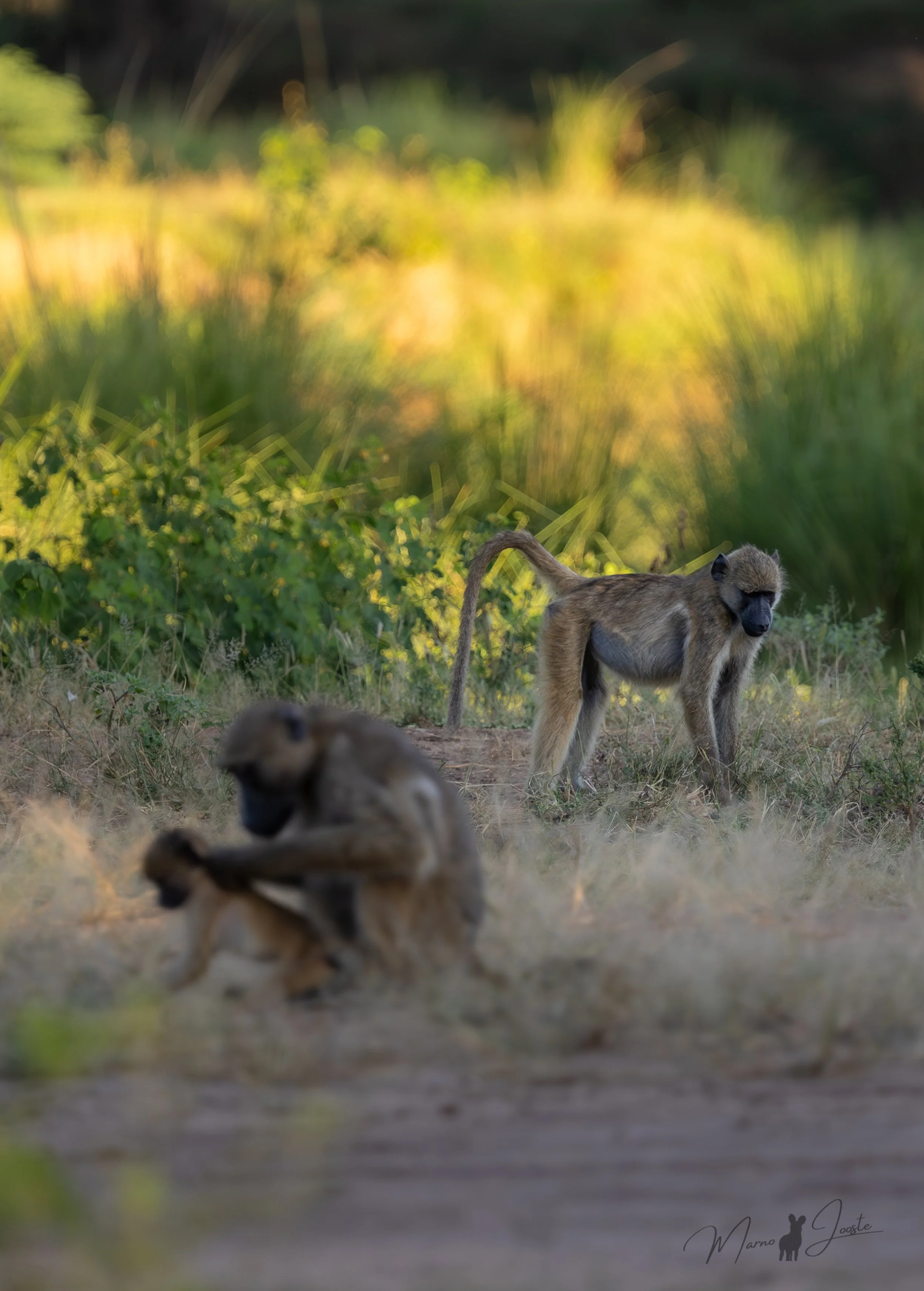
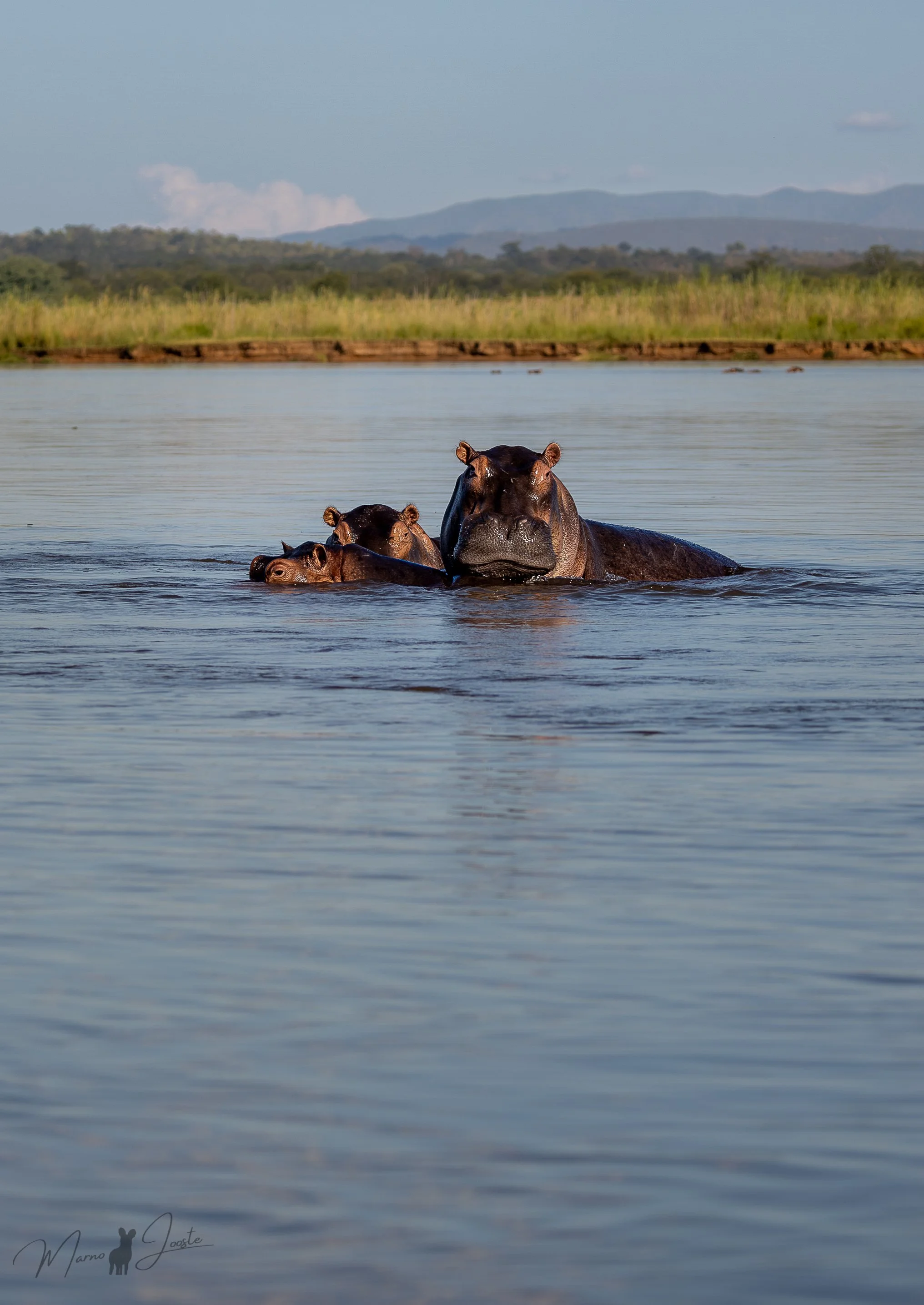
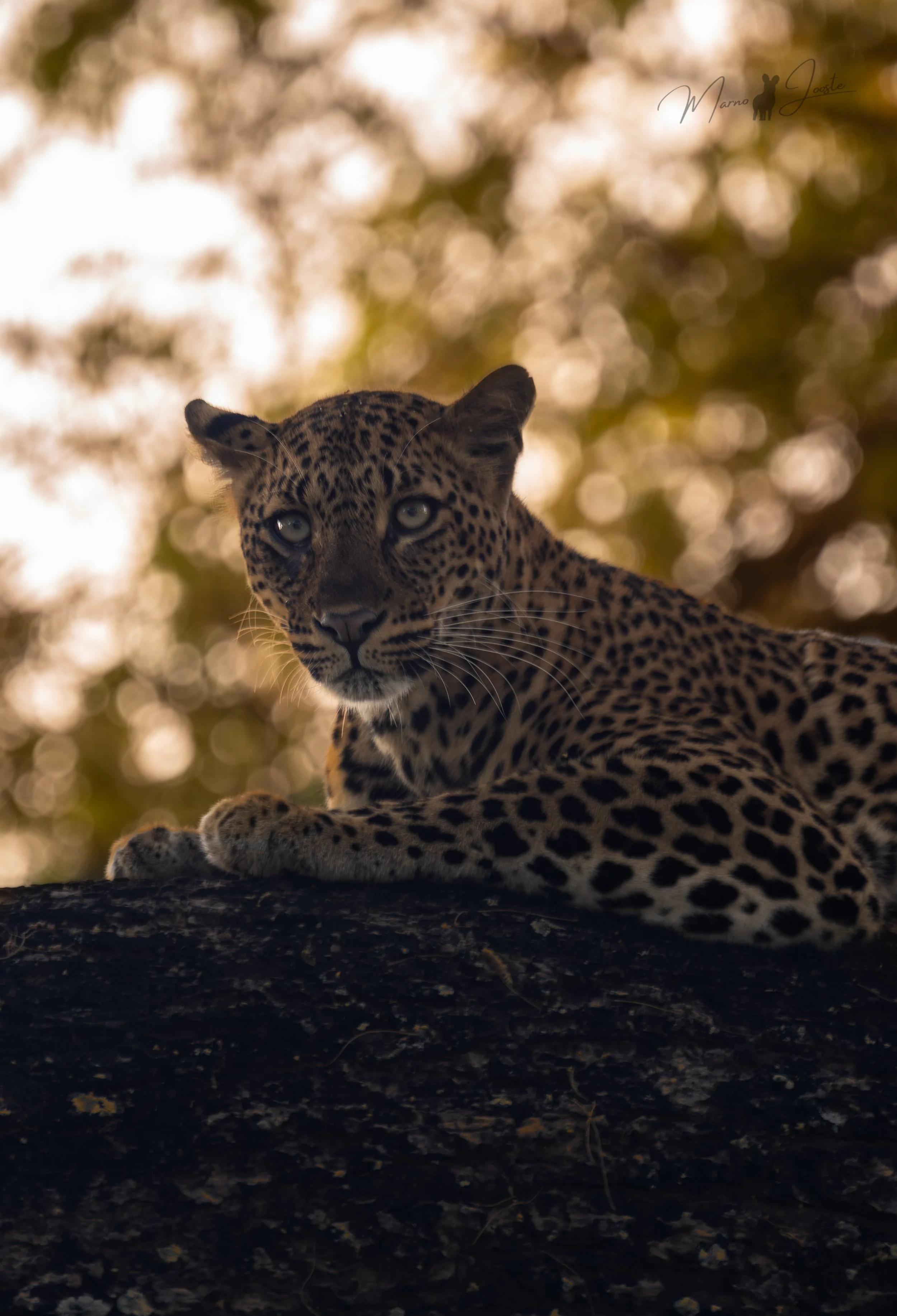
The guides also added value through interpretation. Some of the most enjoyable learning came in the gaps between sightings: understanding the winterthorn setting, how hippos affect roads and river systems, how the landscape changes through season, and how the wider Lower Zambezi ecology works. The pace of the activities felt comfortable and guest-friendly, and the river-based guiding in particular was very well handled.
For a photography-led guest, the camp’s official emphasis on photographic safaris is relevant too. Anabezi states that it can modify vehicles for photographers, provide beanbags and arrange private vehicles if needed, and its eastern position in the park is specifically described as helping produce strong sightings with fewer other vehicles around which certainly was the case when I visited.
Activities at Anabezi
One of Anabezi’s biggest strengths is simply how much it allows you to do.
Game drives were productive and varied, and benefit from the habitat diversity around camp. The mix of riverine edge, open spaces and forest gives drives a changing feel.
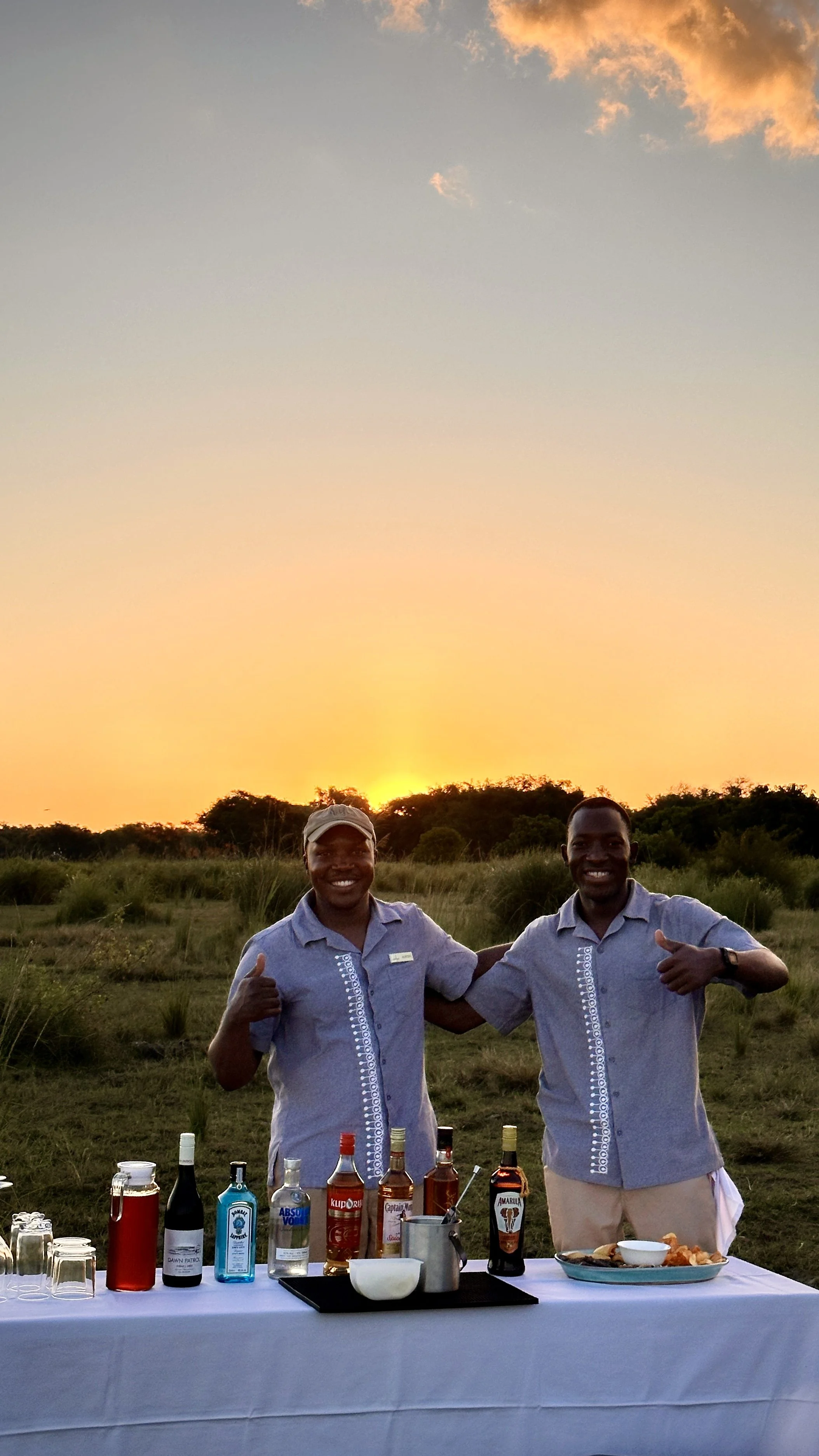
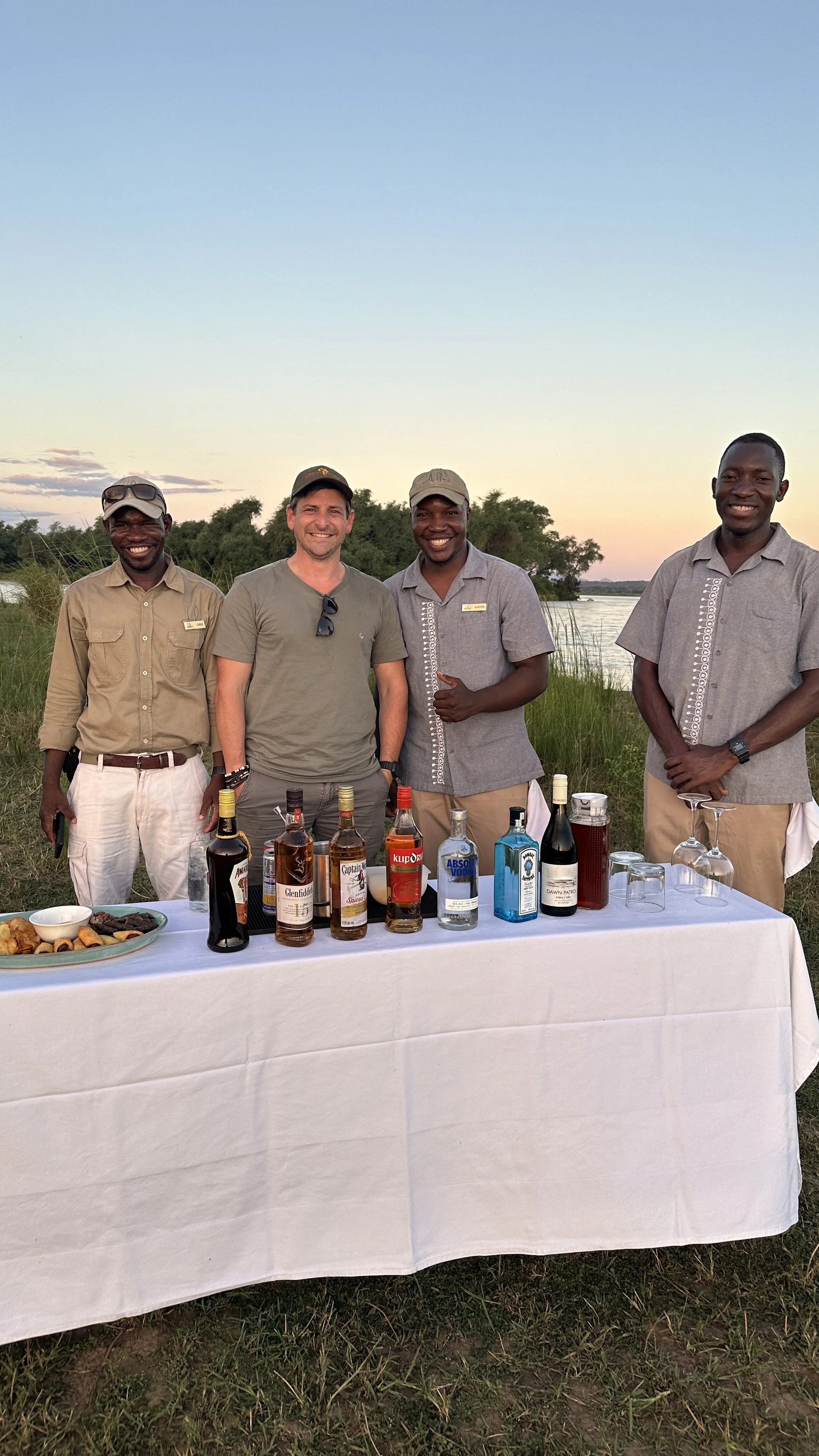
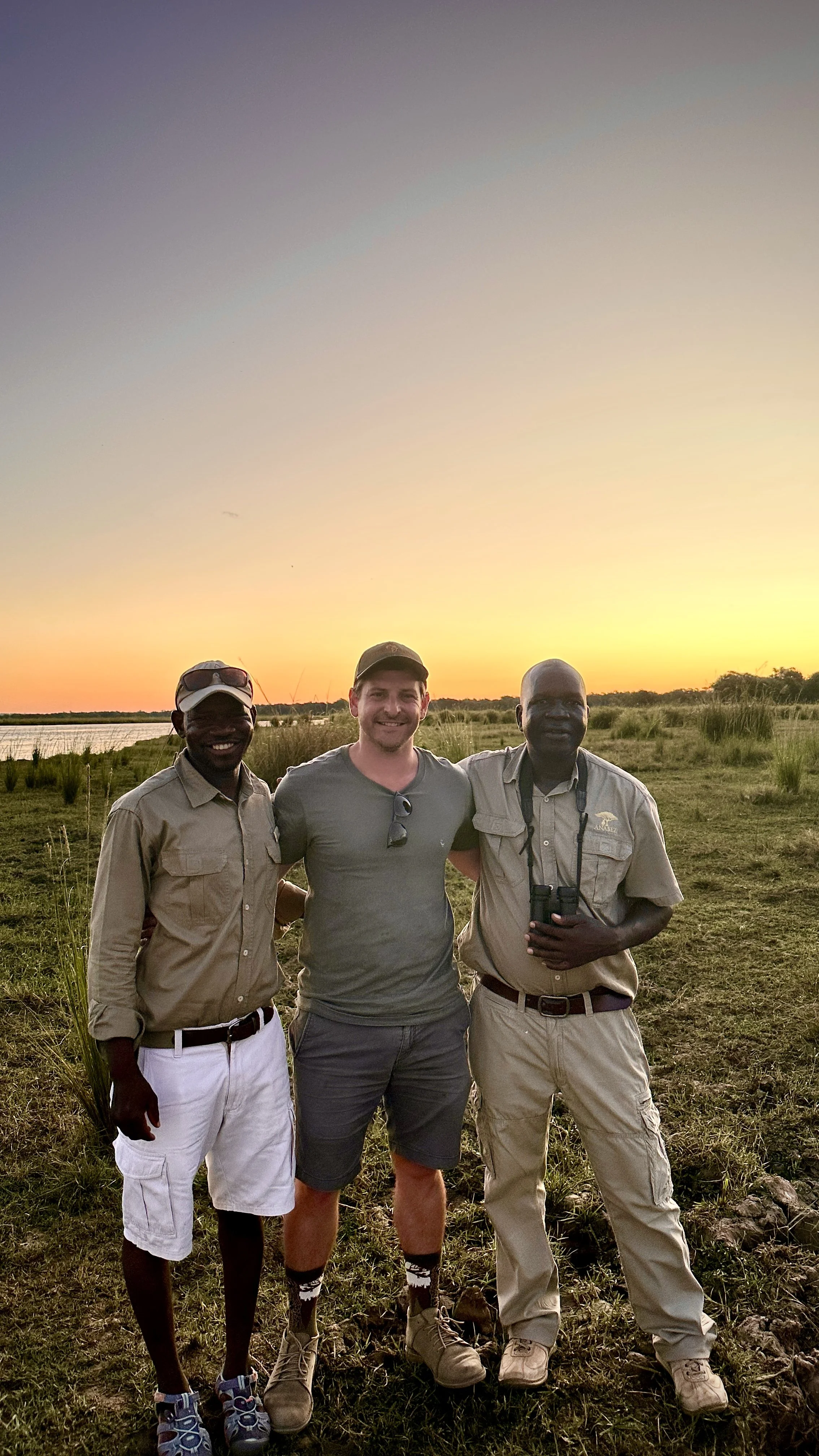
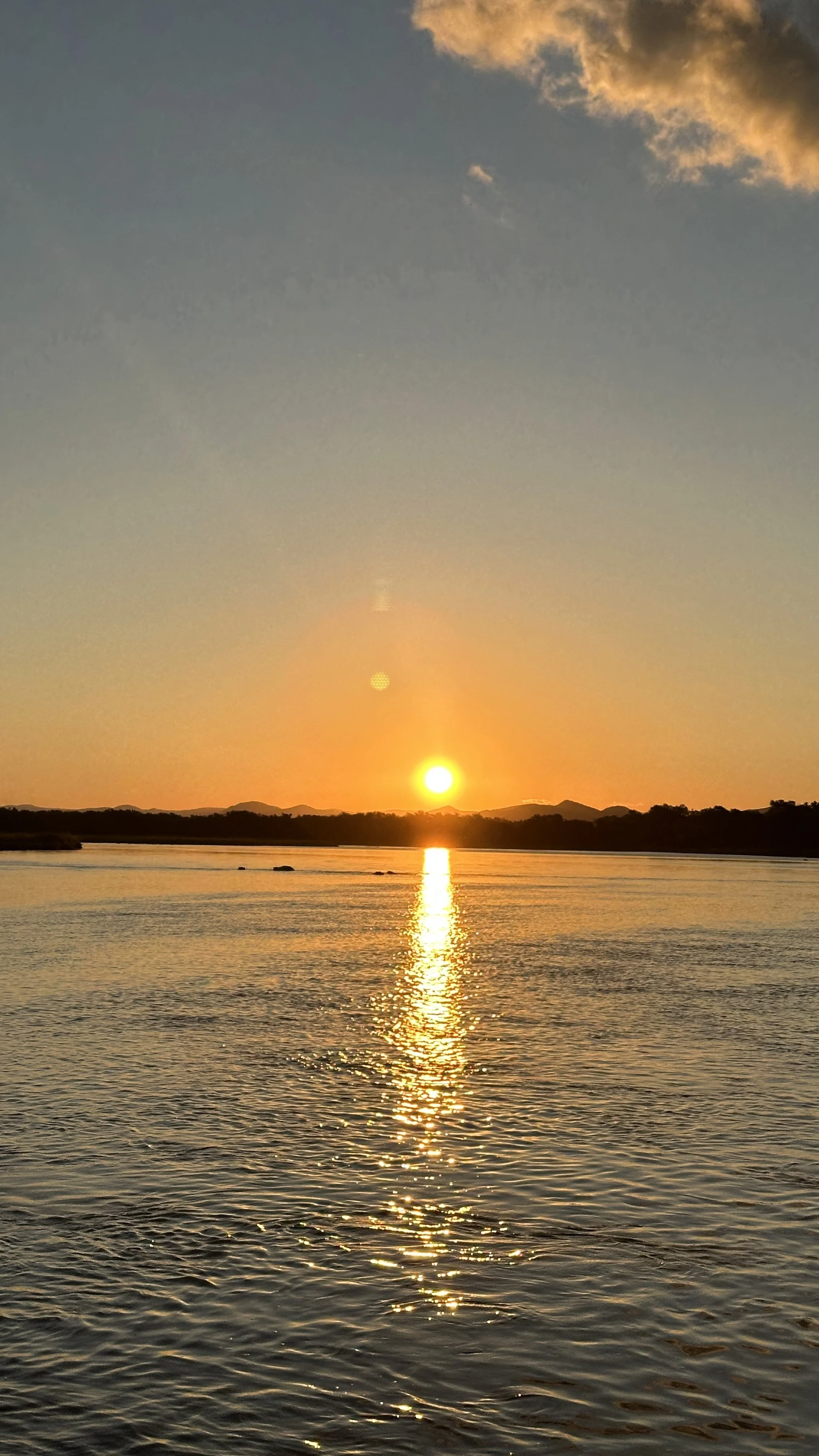
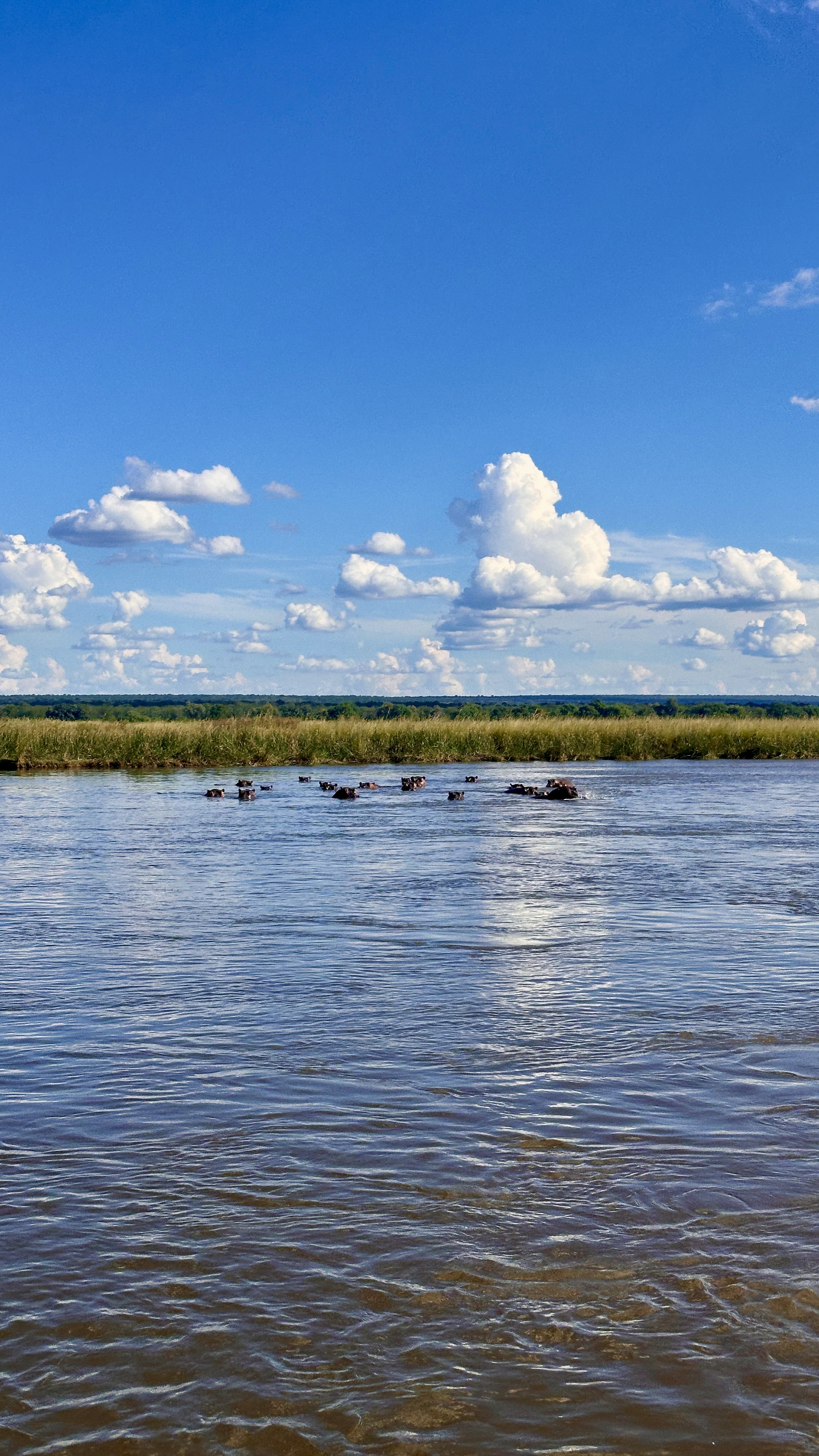
Boat safaris were one of the real highlights for me. Lower Zambezi is one of the few places where the river genuinely transforms the safari rather than merely decorating it, and seeing elephants, hippos, crocodiles and birdlife from the water adds a completely different dimension. Anabezi’s own materials make a strong case for the value of exploring the area by water, and I would agree with that entirely.
Canoeing is offered, but I did not do it on this trip.
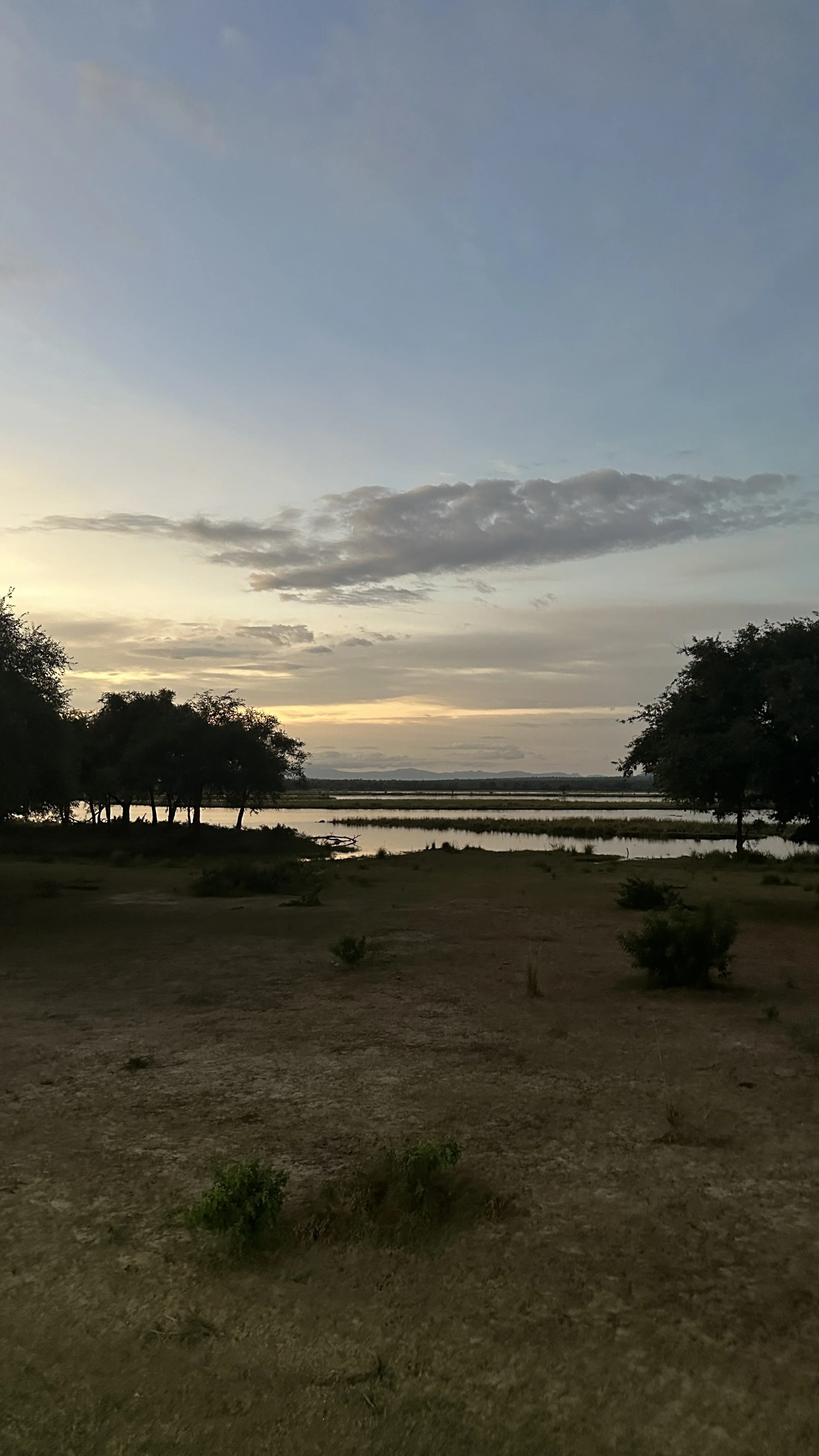
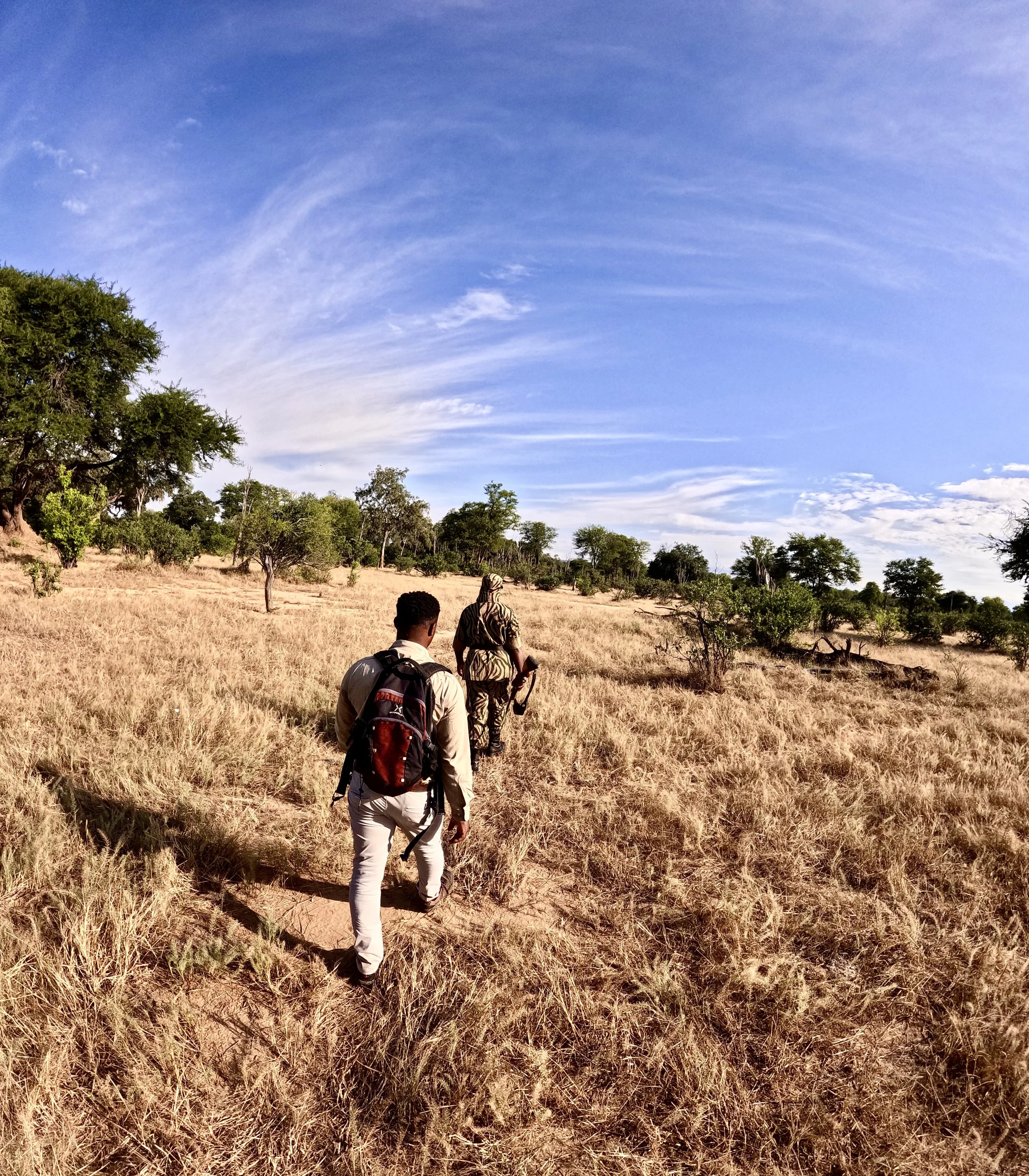
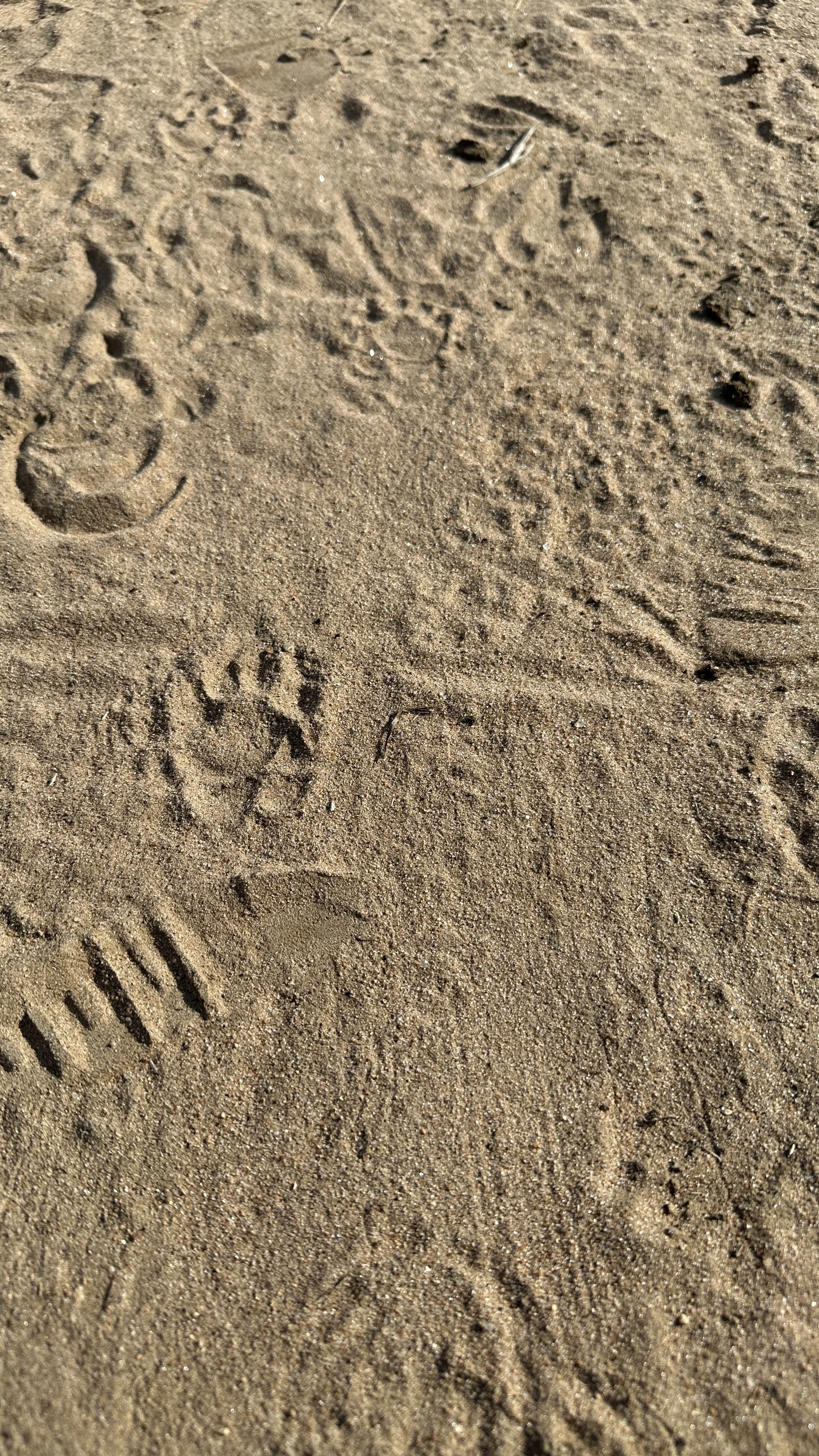
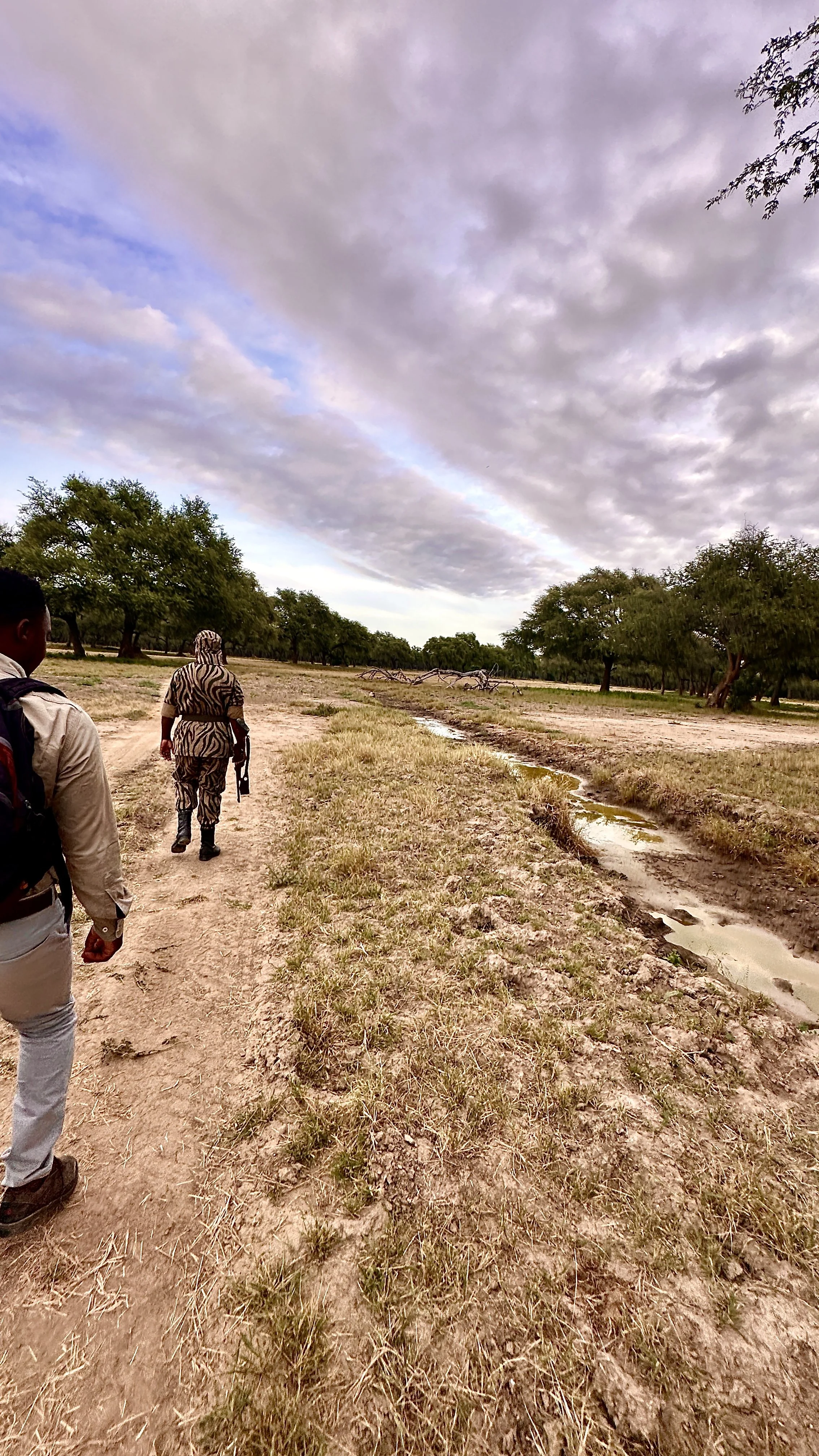
Walking was enjoyable and interpretive, but it was conservative during my visit because the bush was still thick from the green season and venturing into denser cover would have been too dangerous. This is important context rather than criticism. However, the walk was very enjoyable and our guide, Costain, provided great insight on the walk, making sure we noticed the smaller details that only a bush walk can properly reveal.
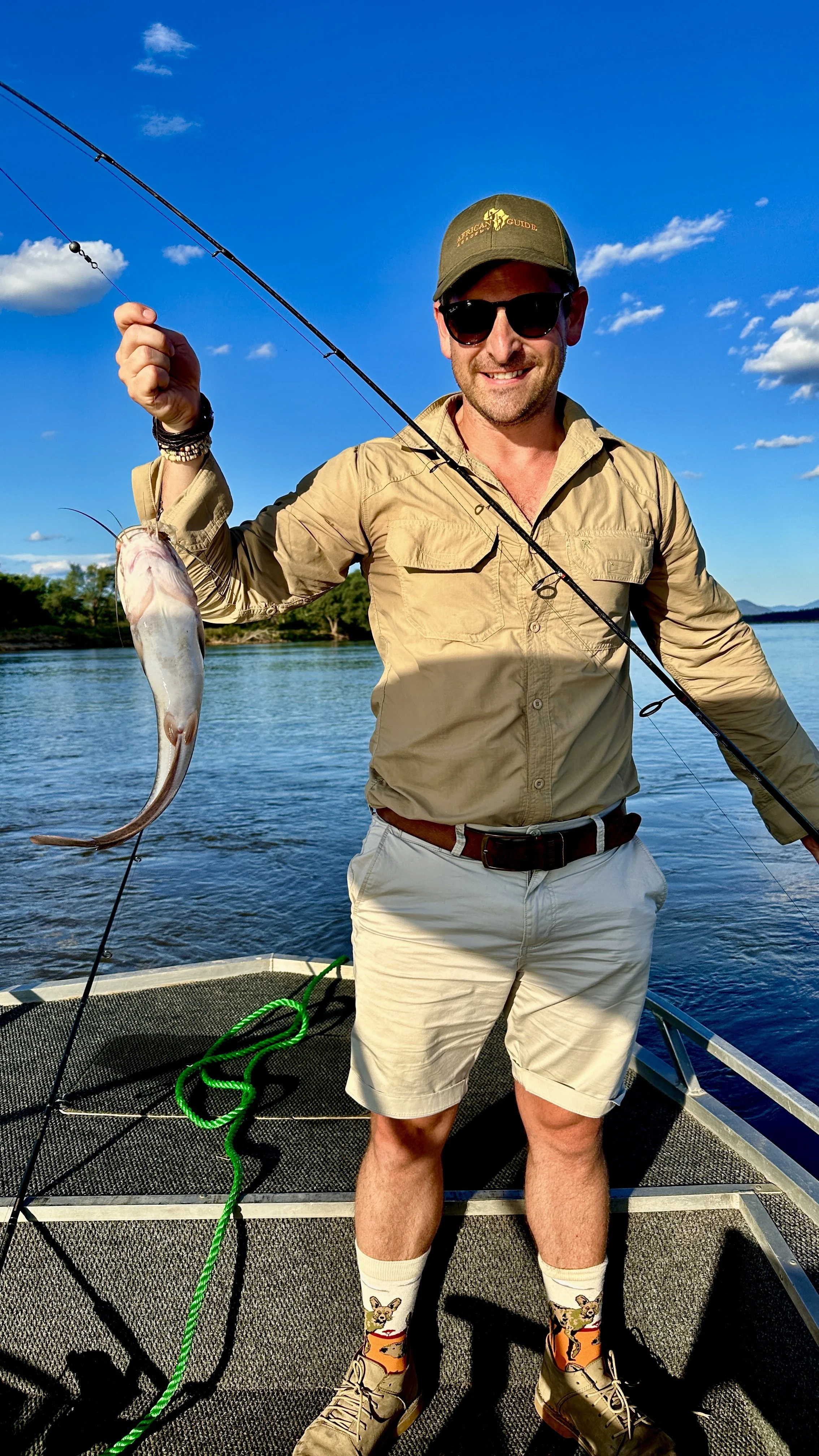
Fishing was another genuine highlight. I fished with Chris and learnt a great deal about the river system while doing so. We fished near hippo areas, discussed how the food chain works there, and ended with one vundu of 8.2kg and two small catfish. Fishing is an official core activity at Anabezi, particularly for guests interested in tigerfish, and it adds real breadth to the safari.
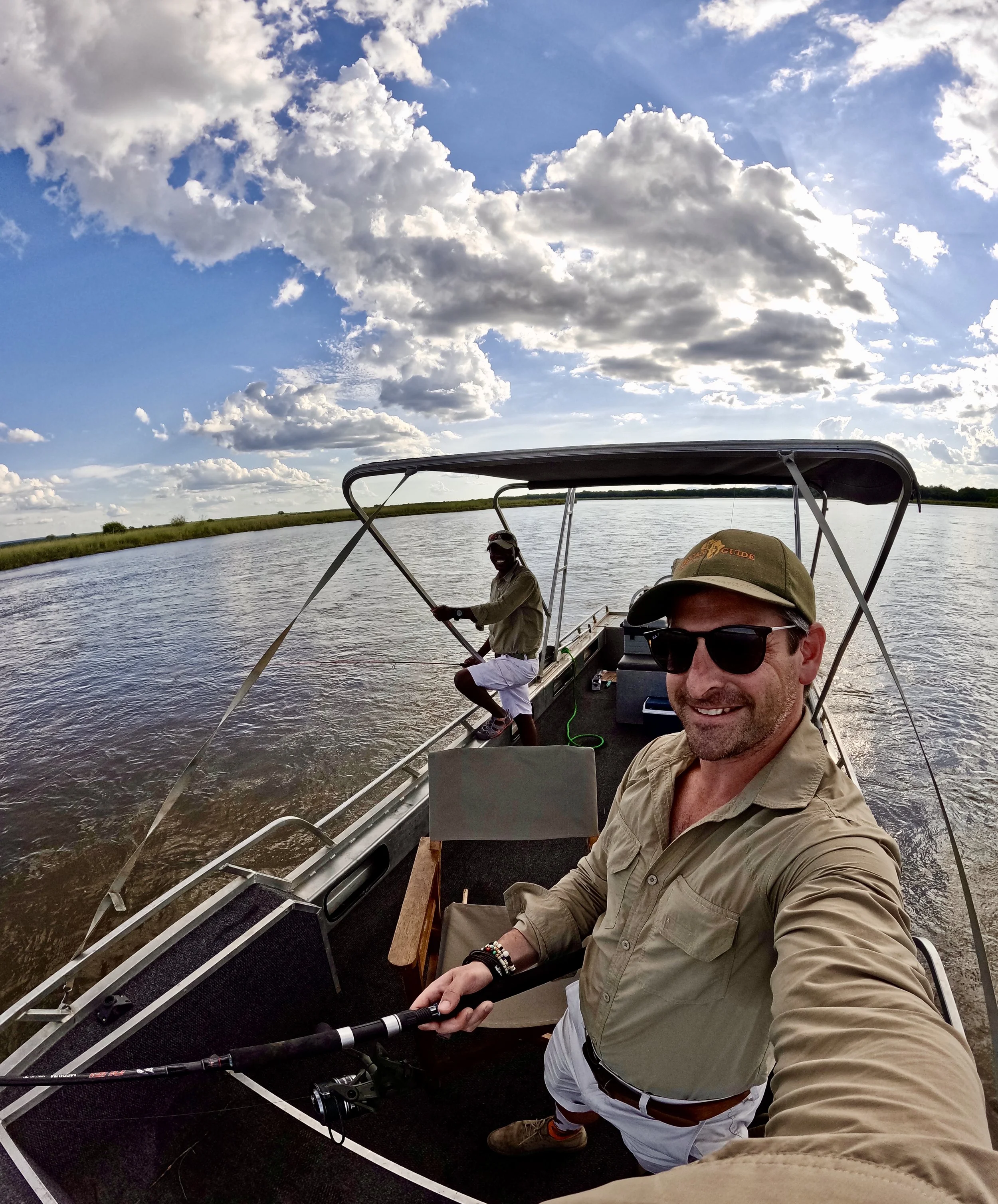
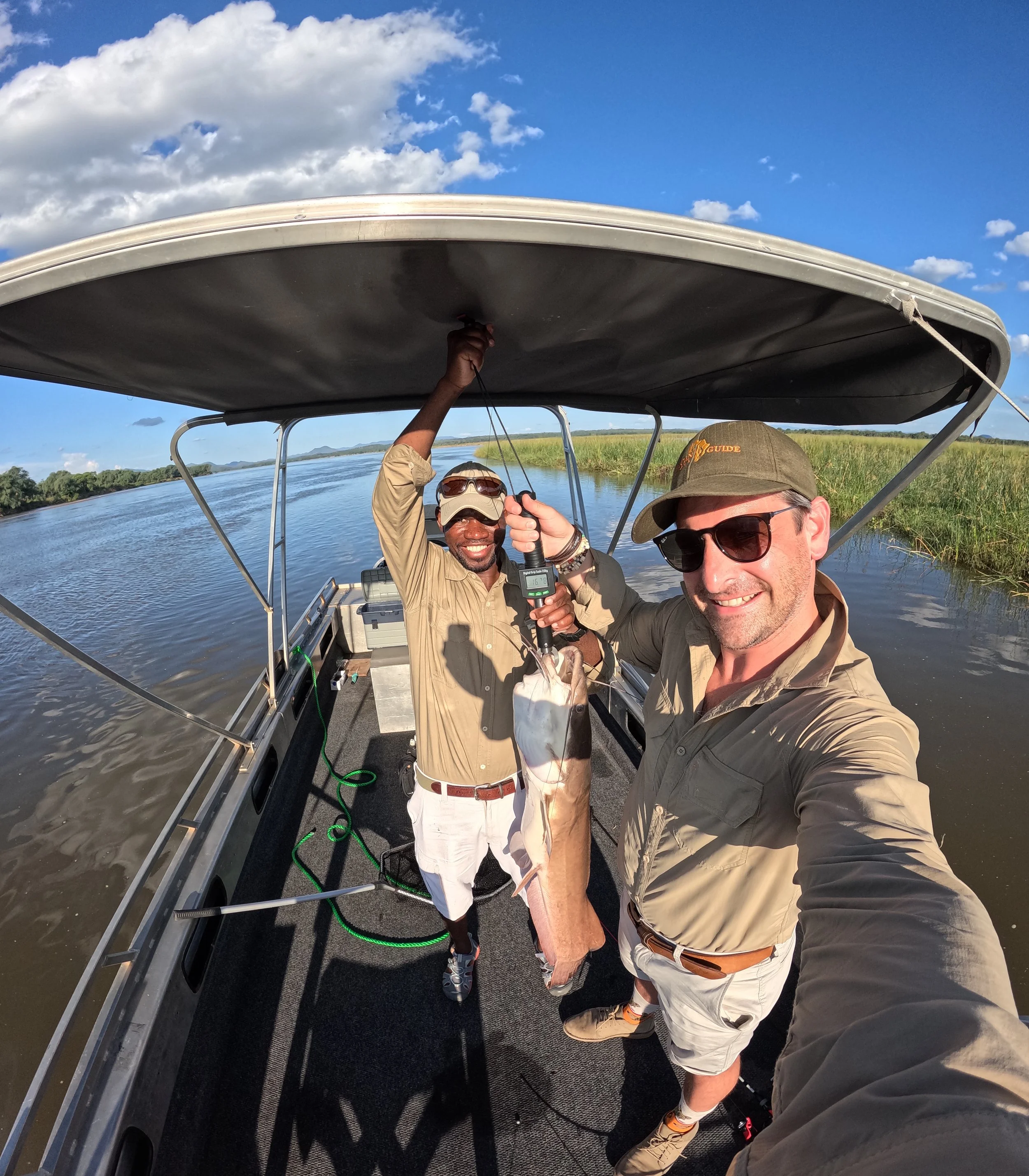
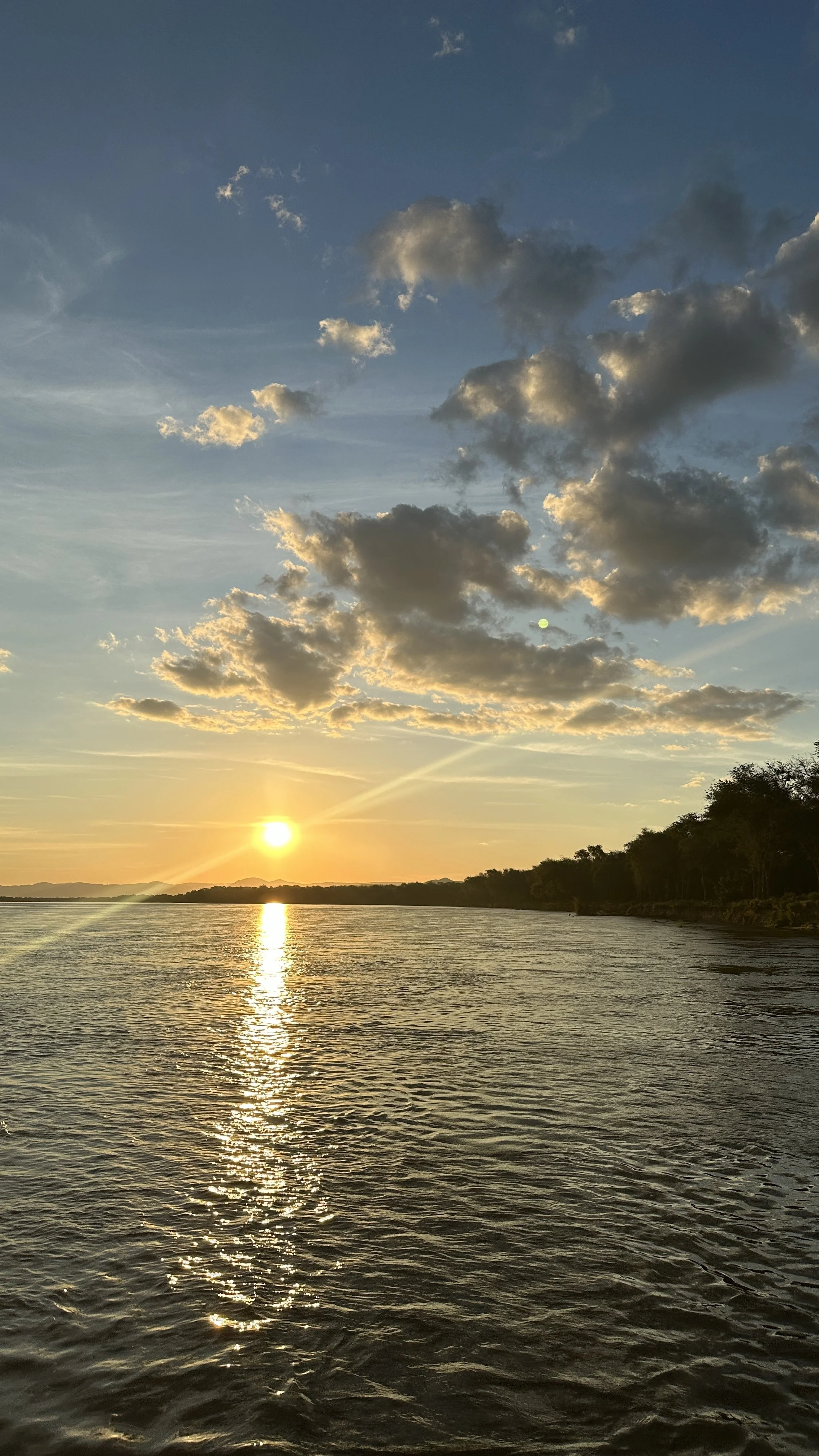
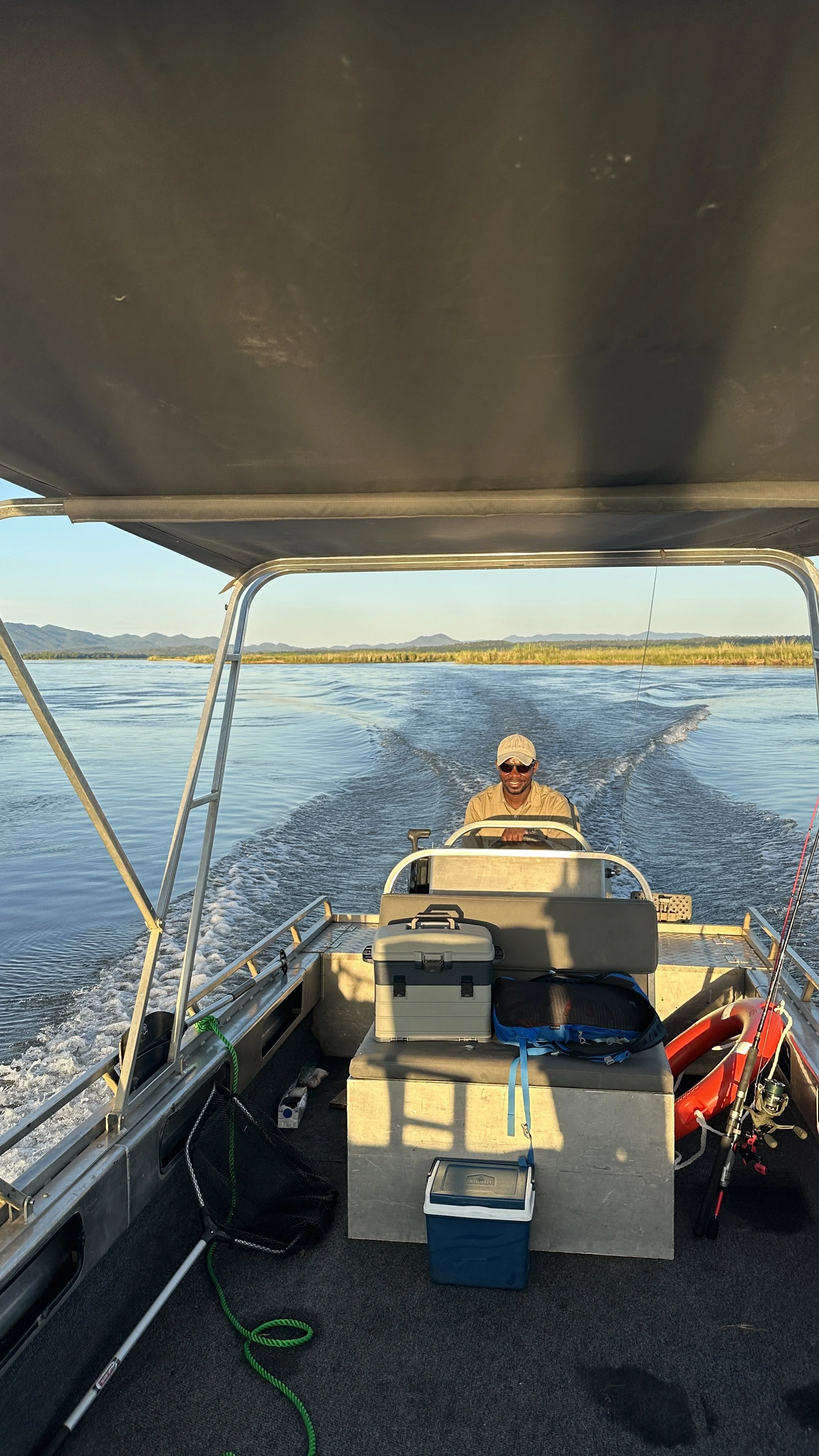
More broadly, this is a camp that works especially well for guests who like variety. Not every safari traveller wants to spend all day in a vehicle, and Anabezi is very strong in that respect.
My stay gave me an unusual glimpse of what Anabezi feels like when the camp is very quiet. For solo travellers, the quality of the staff matters enormously, and this is where Anabezi performed very well. I never felt awkward or overlooked; if anything, the team made the stay feel personal and relaxed. That said, guests who enjoy more social energy may prefer travelling when camp occupancy is a little higher.
Photography potential
Photographically, Anabezi has a lot going for it.
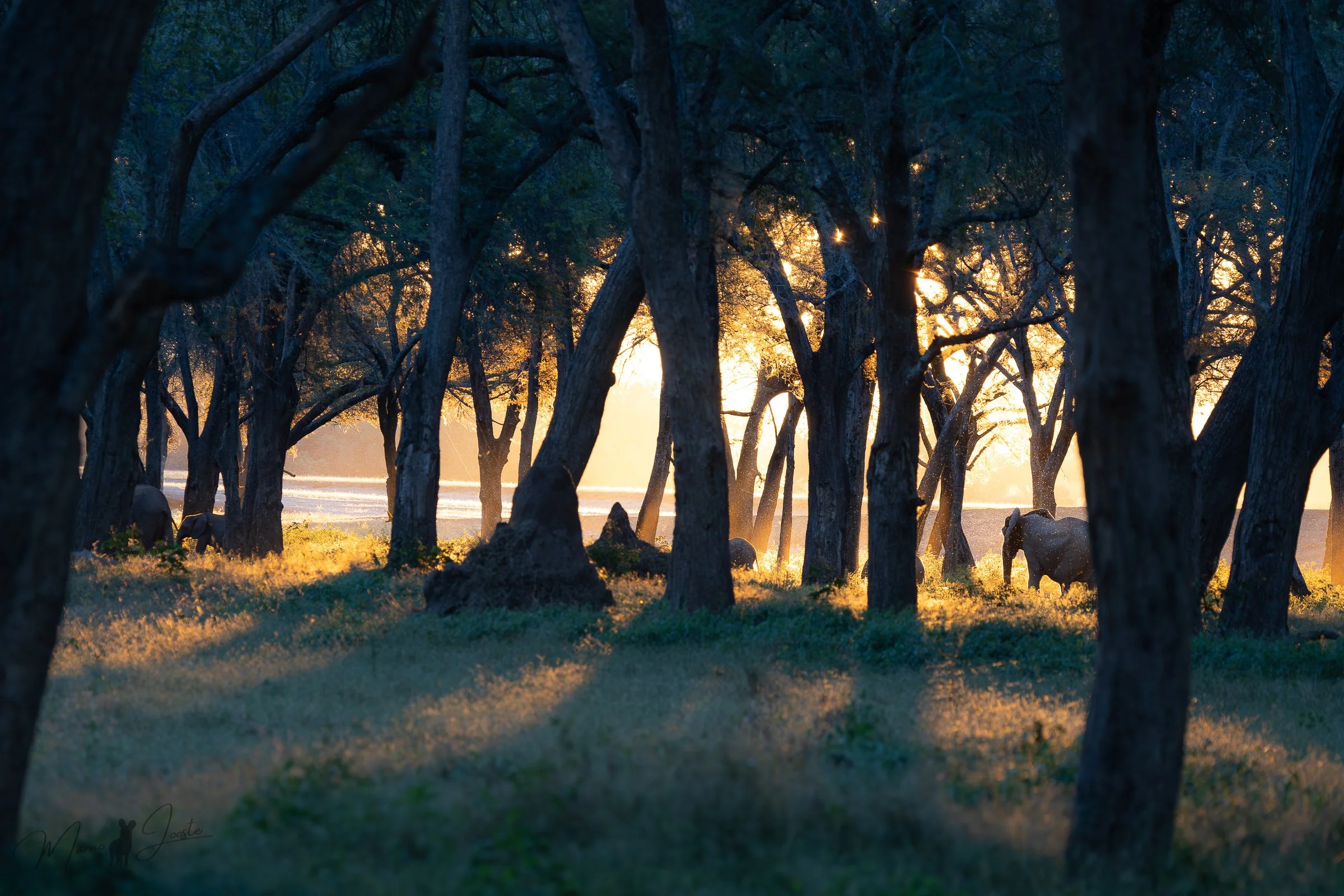
The winterthorn forest is the star. It is visually distinctive, gives the area a real identity, and creates a backdrop unlike many other safari destinations. The river adds both subject matter and atmosphere: reflections, crossing elephants, hippo scenes, birds at eye level from the boat, and broad scenic compositions with water and escarpment light.
For wildlife photography, the camp’s strongest potential lies in:
· leopard habitat and leopard sightings within the forest;
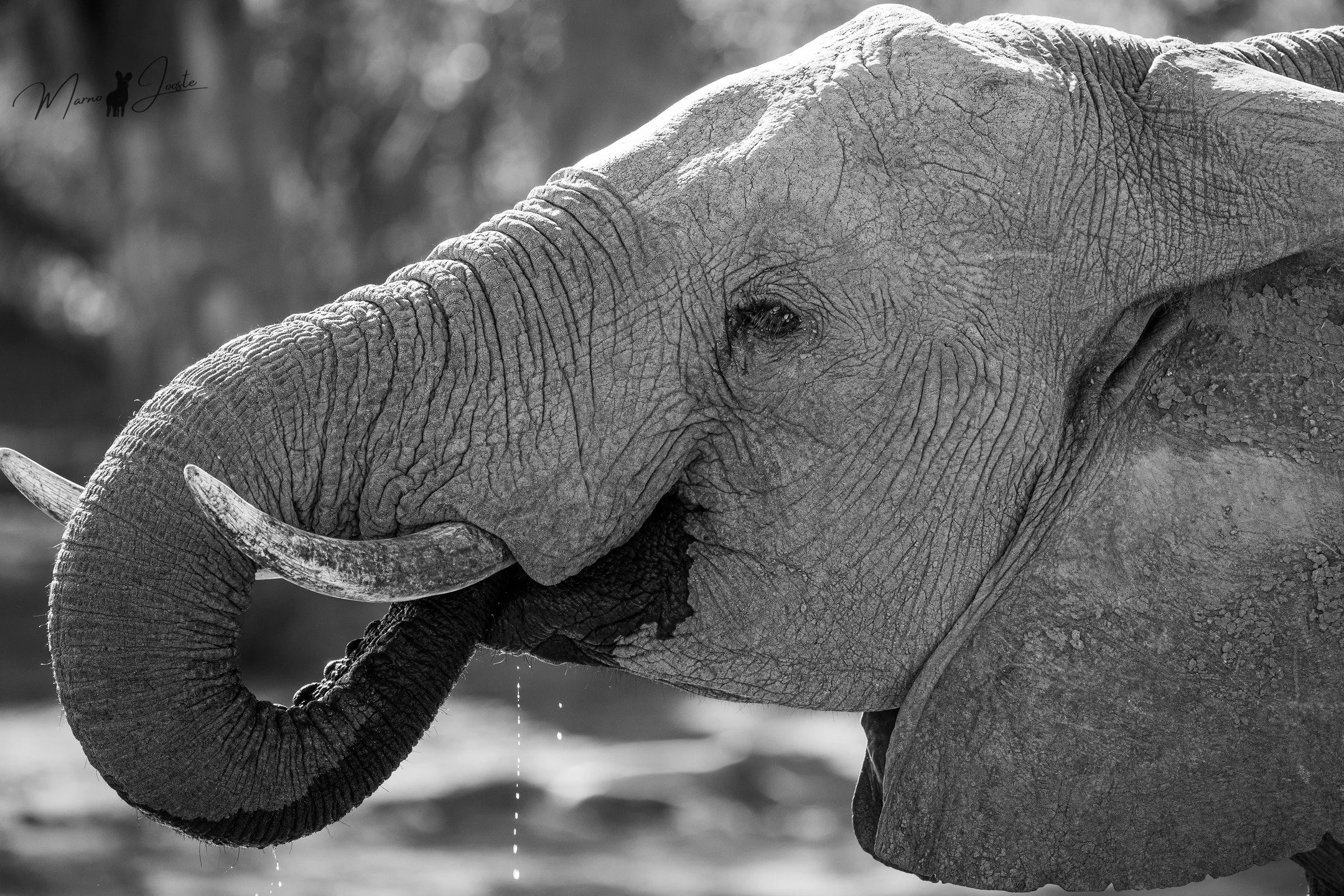
· elephants along the river and in camp surrounds;
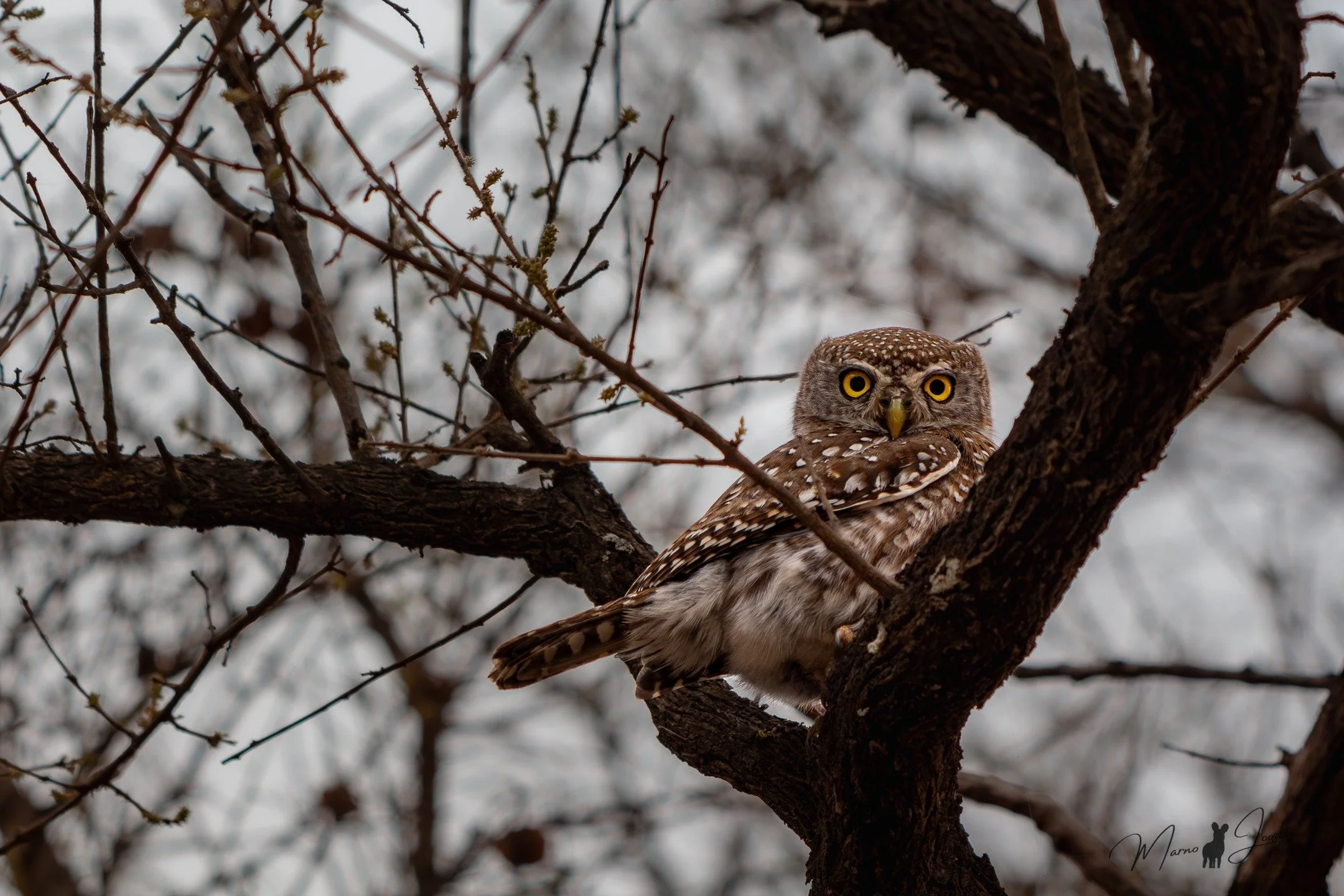
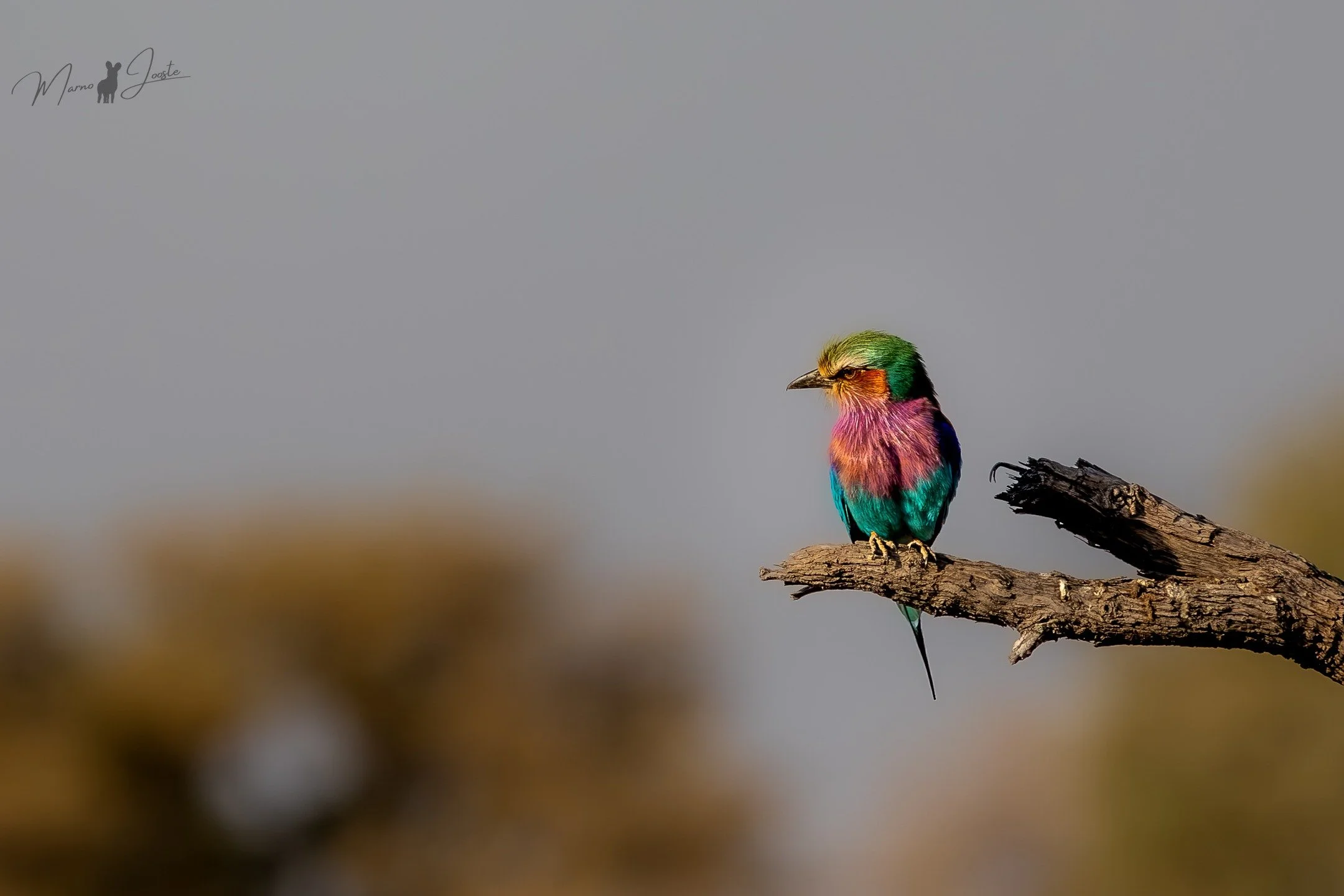
· birdlife, including fish eagles, hornbills and a wide range of water-associated species;
· river-based photography from boats;
· wide-angle landscape work around camp and on the Zambezi.
Anabezi itself also photographs beautifully. The suites, boardwalks, decks and pools are all visually strong without feeling over-designed, so it suits guests who care not just about wildlife images but also about capturing the style and atmosphere of the safari experience.
Best time to visit Anabezi and the Lower Zambezi
I visited right at the start of the season, when the camp was quiet and the park was still transitioning after the rains. That matters.
The Lower Zambezi in April is not the same experience as August or September, and anyone considering the area should understand how much seasonality shapes access, wildlife movement and atmosphere. In April, the landscape is lush, green and exceptionally beautiful. The bush is thick, the light can feel softer, and the whole park has a fresher, more atmospheric look. The thicker vegetation does make wildlife harder to spot, but it also gives the park a remarkable beauty. Combined with the birdlife, softer light and green backdrop, April can be very rewarding from a photographic point of view, even if it is not the easiest month for classic game viewing.
Later in the dry season, the feel will be very different. Vegetation thins, inland water dries up, and wildlife tends to become more concentrated around the river. Predator viewing generally strengthens as a result, and walking also changes because visibility improves. Anabezi itself is open seasonally, open from mid-April to mid-November, which reinforces how much seasonal timing matters here.
For prospective guests, this is not a drawback so much as a planning point. April is for beauty, atmosphere and green-season charm. Late dry season is more about intensity, concentration and classic high-season game viewing.
Birdlife is also excellent here. Even without making a particular effort to focus on birding, I still recorded more than 50 species over the course of the stay.
Final verdict: who Anabezi is best for
Anabezi is a beautifully run, high-end camp in one of the most beautiful safari destinations I have visited. What Anabezi does, it does very well: spacious luxury, excellent food, truly outstanding service, beautiful river-facing main areas, and a safari experience that makes full use of both land and water.
The biggest reason I would recommend it is that it gives guests a very comfortable and very complete way to experience Lower Zambezi. And Lower Zambezi itself is the real triumph here: the winterthorn forest, the river, the light, the elephant herds, the leopards, the sense of space. Anabezi allows that destination to shine in a polished, premium and highly accessible way.
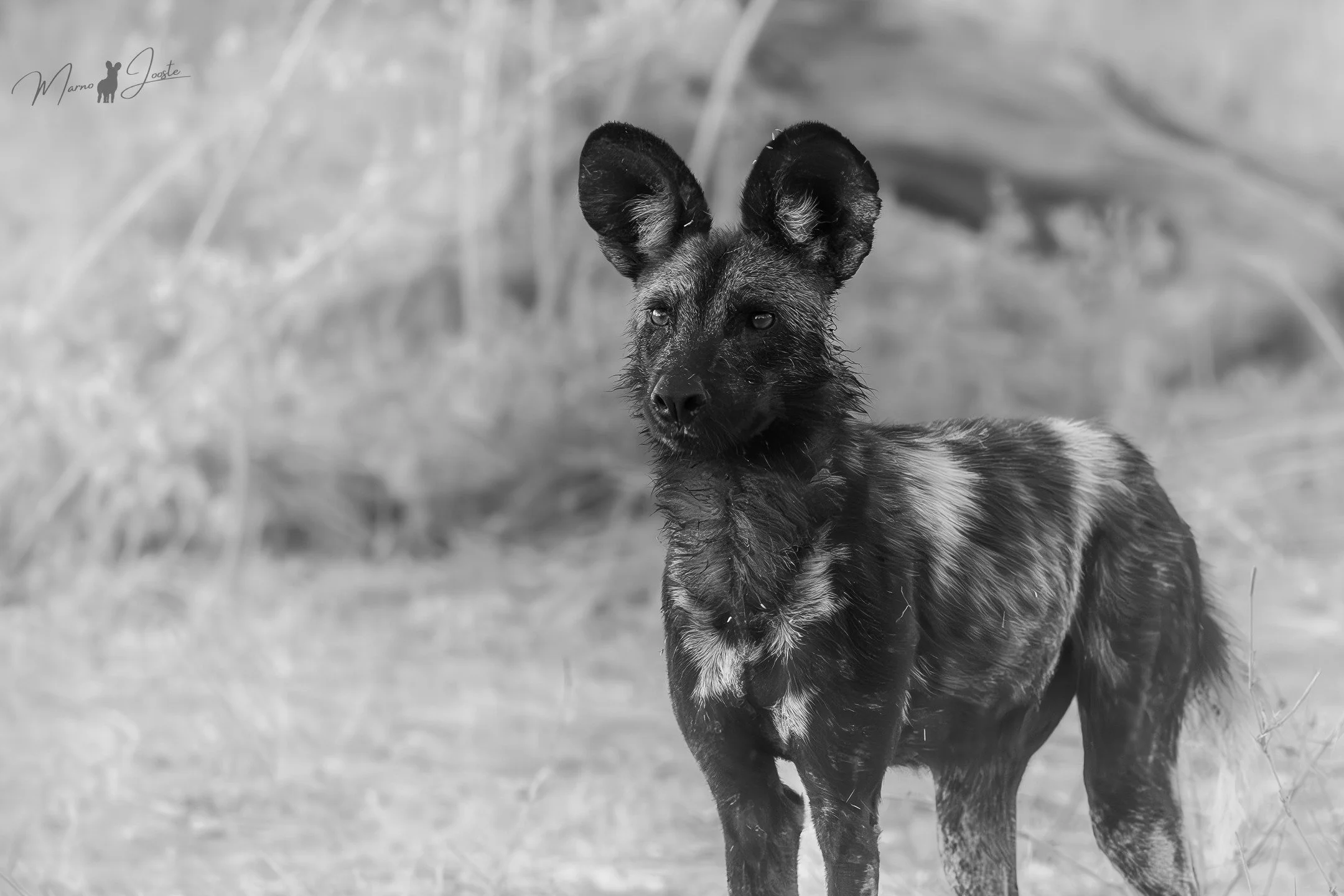
I would most likely pair it with South Luangwa for guests who want a broader Zambia safari: South Luangwa for walking, leopard, wild dogs and a more classic bush-camp rhythm; Lower Zambezi for river, winterthorn forest, elephants, boating and a more luxurious finish. If timing allows it, a trip to Victoria Falls is also a must, which is only a short flight from the Lower Zambezi.
If your idea of safari is luxury, comfort and variety in one of Zambia’s finest landscapes, Anabezi is a very strong choice.
Specific things I loved:
The destination itself. Lower Zambezi is my favourite safari destination I have visited, and the winterthorn forest was even more beautiful in reality than in photographs.
The river-based safari. Boat cruising and fishing gave the stay a richness and variety that many land-only camps cannot match.
The service. Simply exceptional, and among the best I have experienced anywhere on safari.
The room quality. Spacious, comfortable and genuinely luxurious without feeling disconnected from the bush.
The setting of the main areas. The river views from the Zambezi Deck in particular are a major asset.
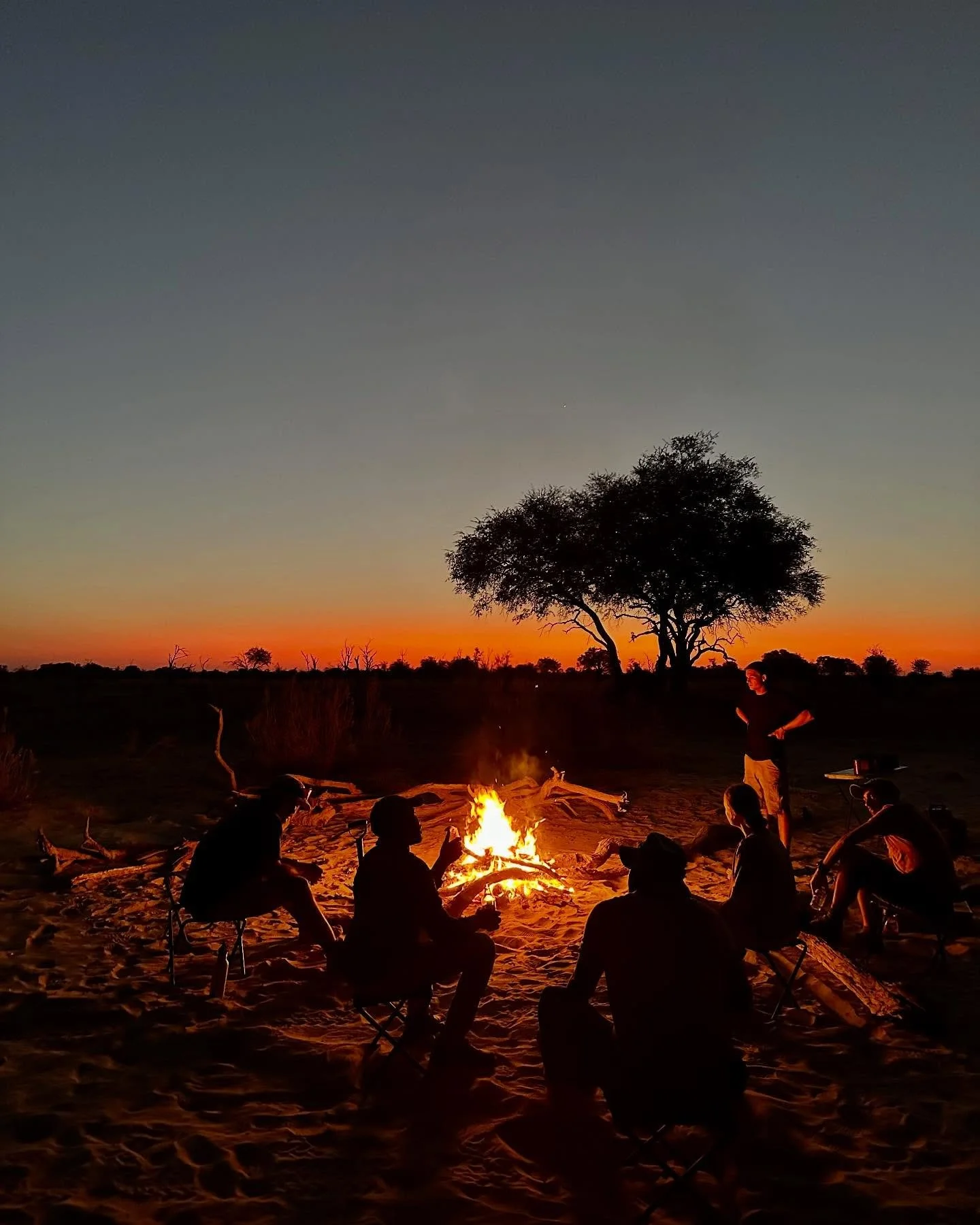
Night-time wildlife activity around Anabezi Camp
This camp is best suited for:
· Luxury couples.
· First-time Zambia guests.
· Small private groups.
· Travellers wanting both river and land safari.
· Guests who value comfort, privacy and excellent service.
May not be the best for:
· Guests looking for more rustic bush camps where you feel right in the heart of the bush.
· Travellers who want a heavily walking-led safari.
· People expecting peak dry-season predator density during start-of-season months.
Follow @marno_jooste for more content from the bush.