Among the Winterthorns: A Journey into Zambia’s Lower Zambezi
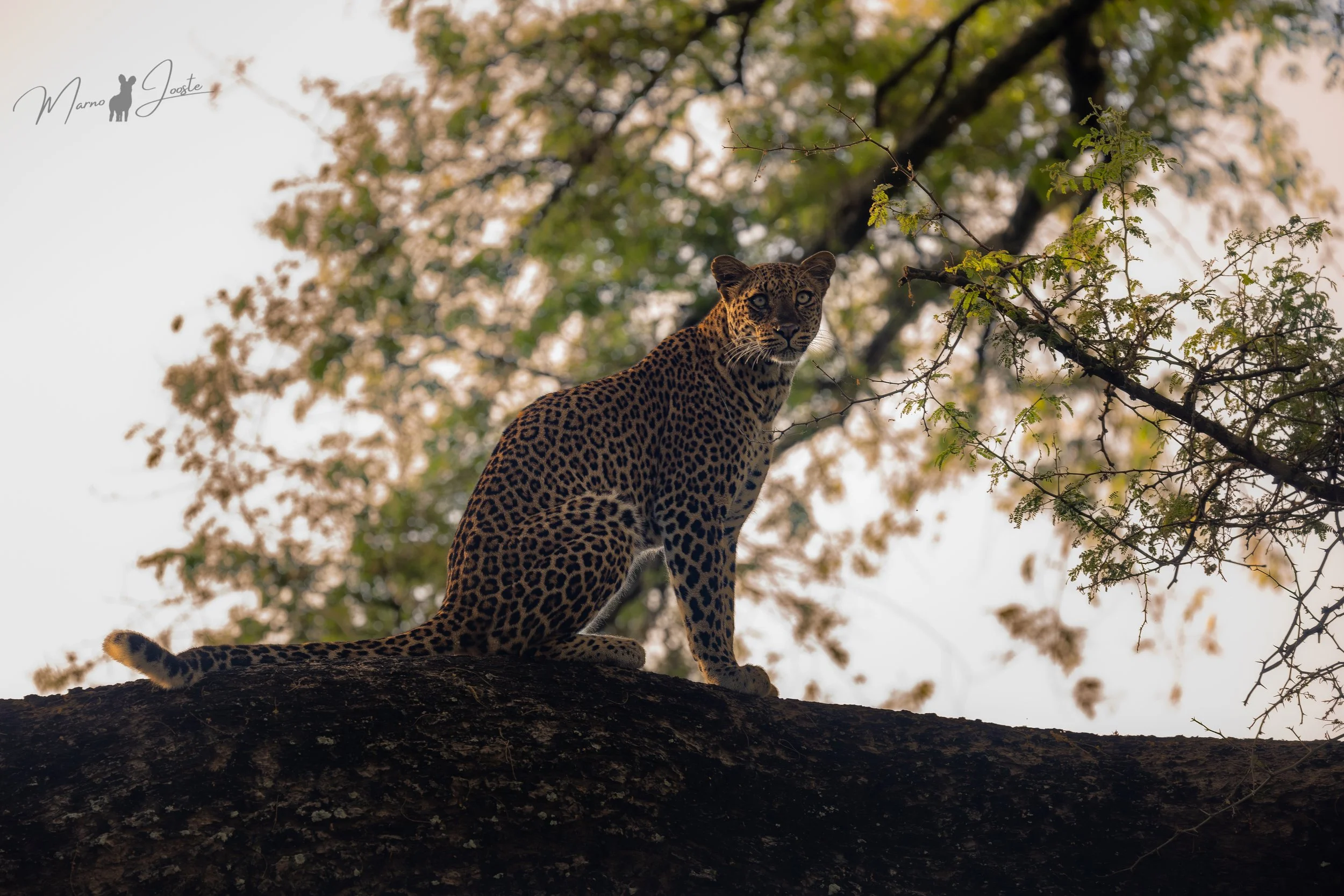
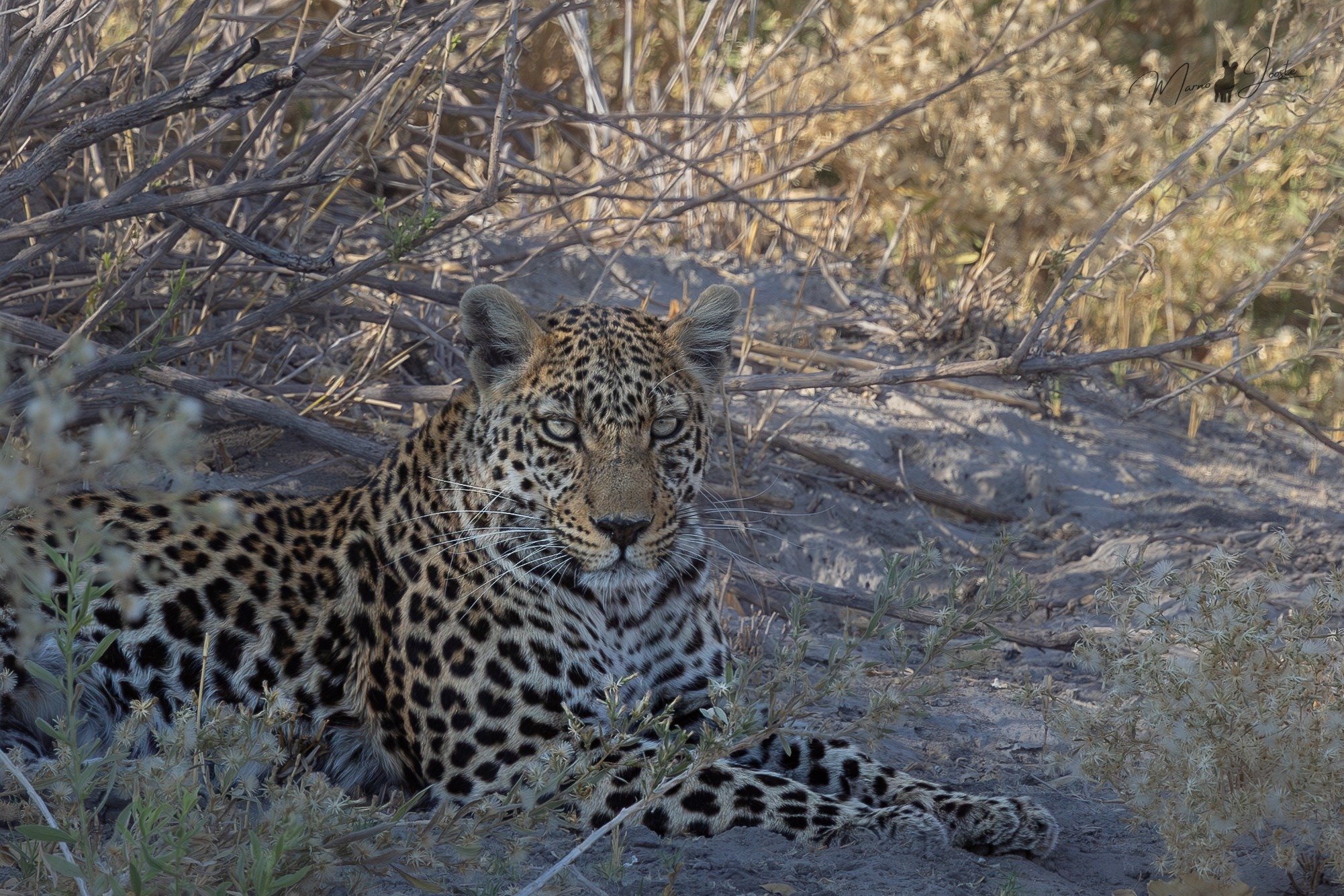
A female leopard named “Scar”, scans across the forest floor for her next meal.
In April 2026, I travelled to Zambia’s Lower Zambezi National Park for three nights at Anabezi, a luxury camp set deep within one of Africa’s most distinctive safari landscapes.
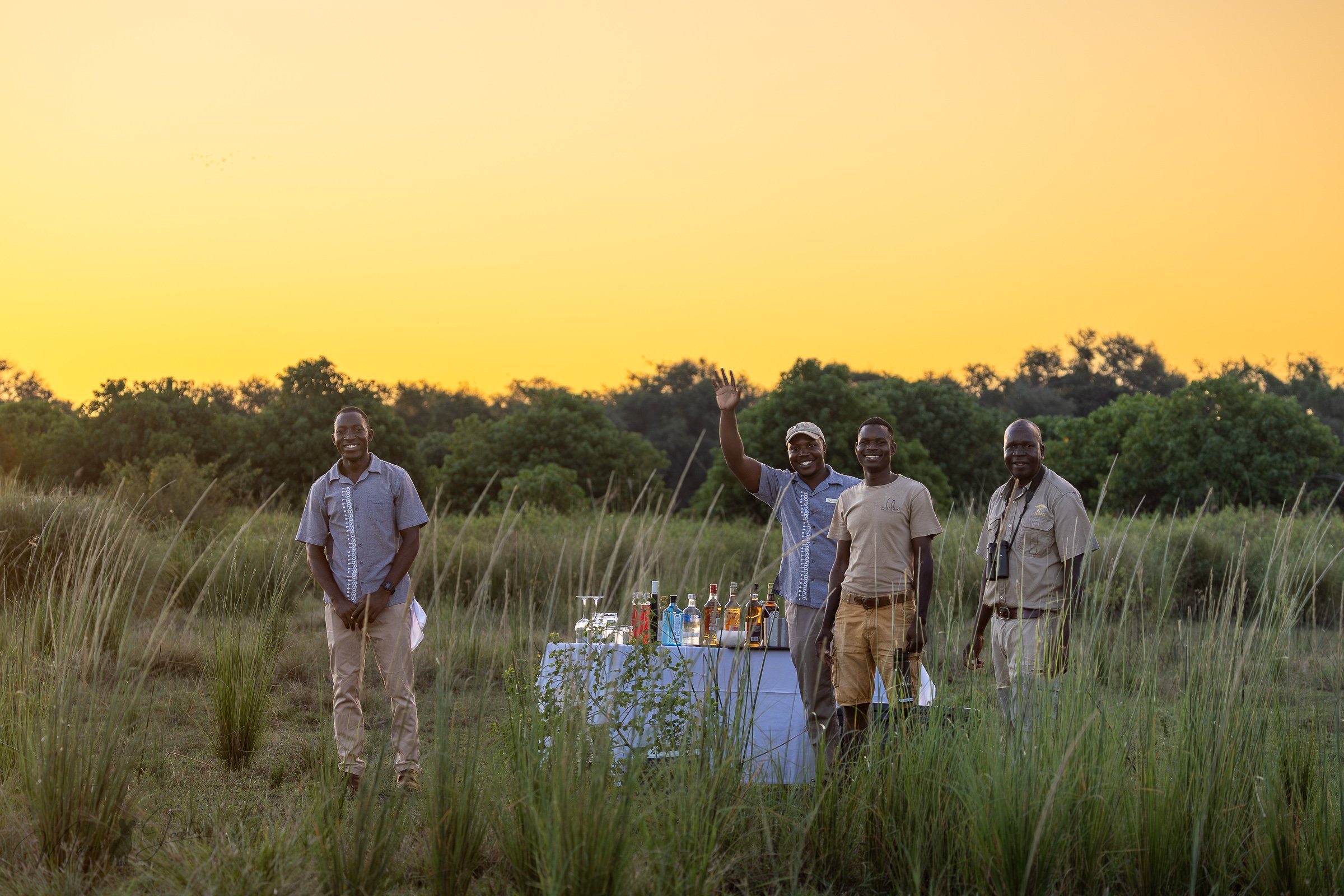
Across the Zambezi from Mana Pools in Zimbabwe, the Lower Zambezi combines river frontage, floodplain, woodland and escarpment in a way that feels markedly different to anywhere else I have visited in Africa. Anabezi, positioned in the eastern side of the park, sits within the heart of the winterthorn forest and offers access to the river as well as a broad mix of activities, from drives and walking to boating and fishing.
I had wanted to visit the Lower Zambezi for a long time. I had seen the photographs, read the reviews, and heard enough from people who knew Zambia well to understand that this was not simply another safari stop to be added onto a wider itinerary. It was somewhere with a character of its own. Even so, I was still not fully prepared for the impact of arriving there. By the end of the trip, one thing was already clear: this had become one of my favourite safari destinations I have ever visited.
Trip at a glance
Destination: Lower Zambezi National Park, Zambia
Dates travelled: April 2026
Length: 3 nights
Camp: Anabezi
Activities: Game drives, boat safari, night drives, fishing and walking safari
Best wildlife moment: A morning with Scar, a female leopard, in the winterthorn forest
Best for: Luxury safari guests, couples, small groups, photographers and travellers looking to combine river-based and land-based safari
Season note: April is start of season: green, quiet and beautiful, but very different from the drier September/October period
This trip report focuses on the destination and daily experience. I have written a separate review of Anabezi Camp covering the rooms, service, guiding, food, activities and who I think the lodge is best suited to.
Day 1 – First Light in the Lower Zambezi’s Winterthorn Forests
The journey into the valley could hardly have been a better introduction.
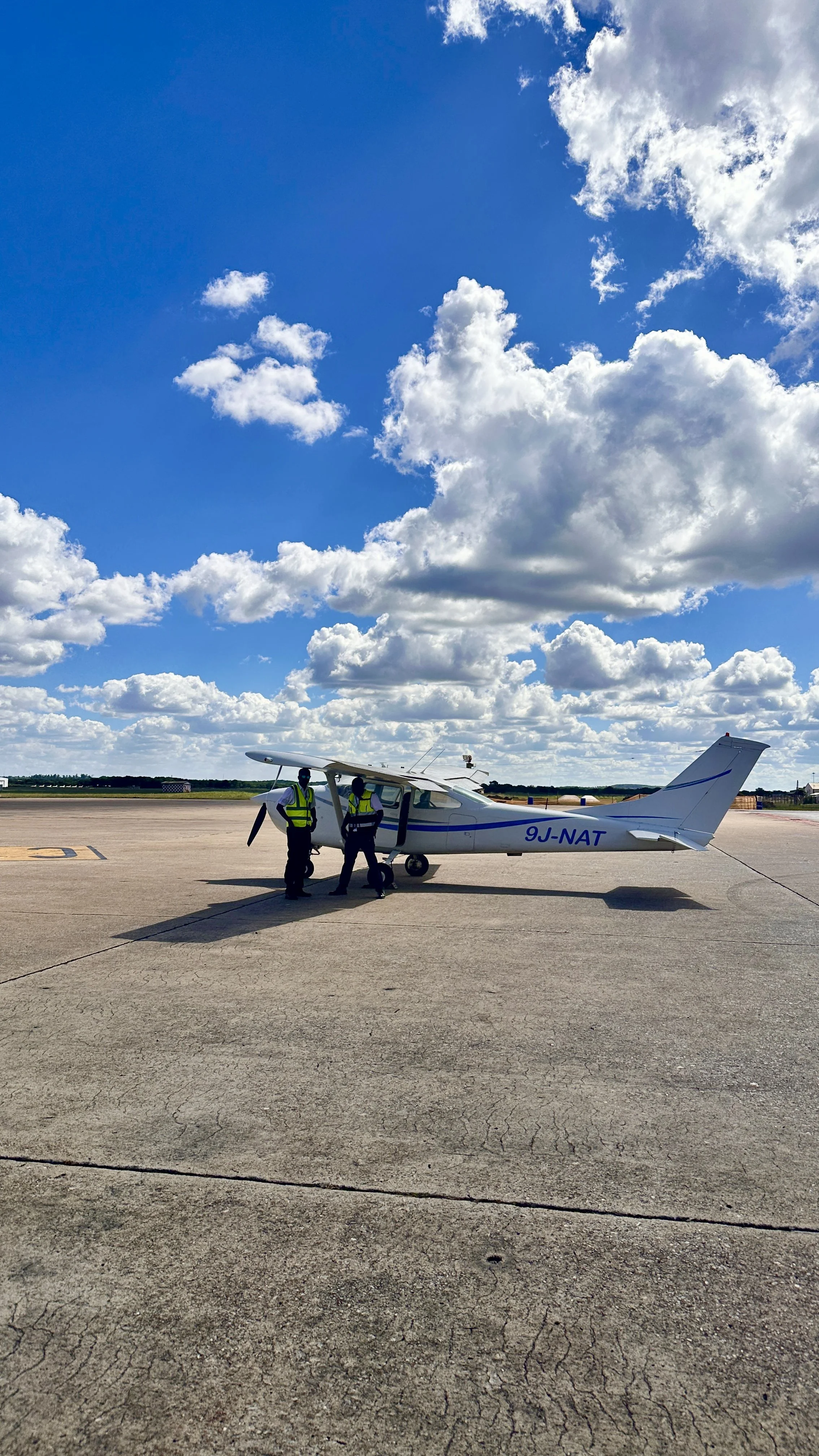
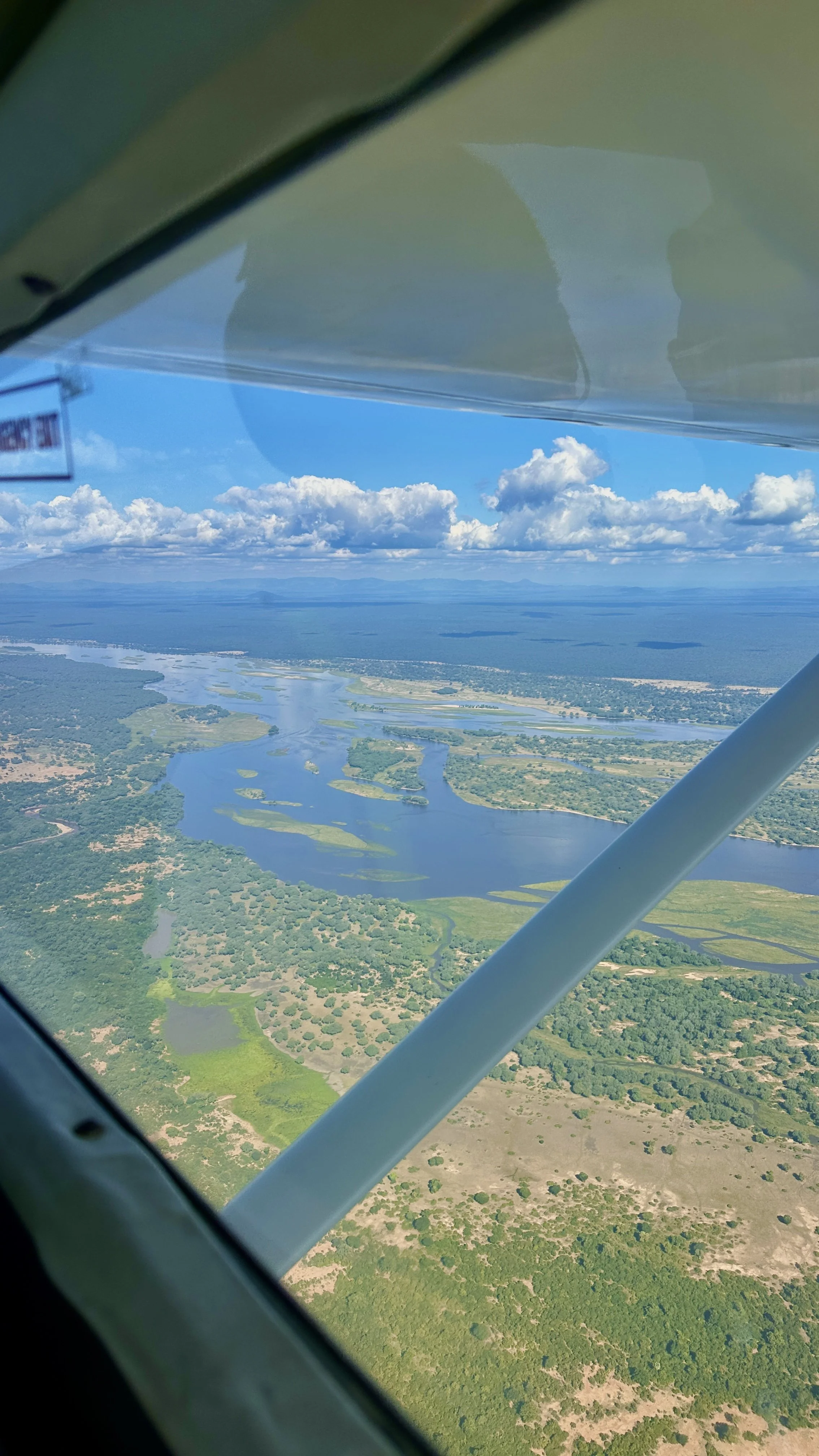
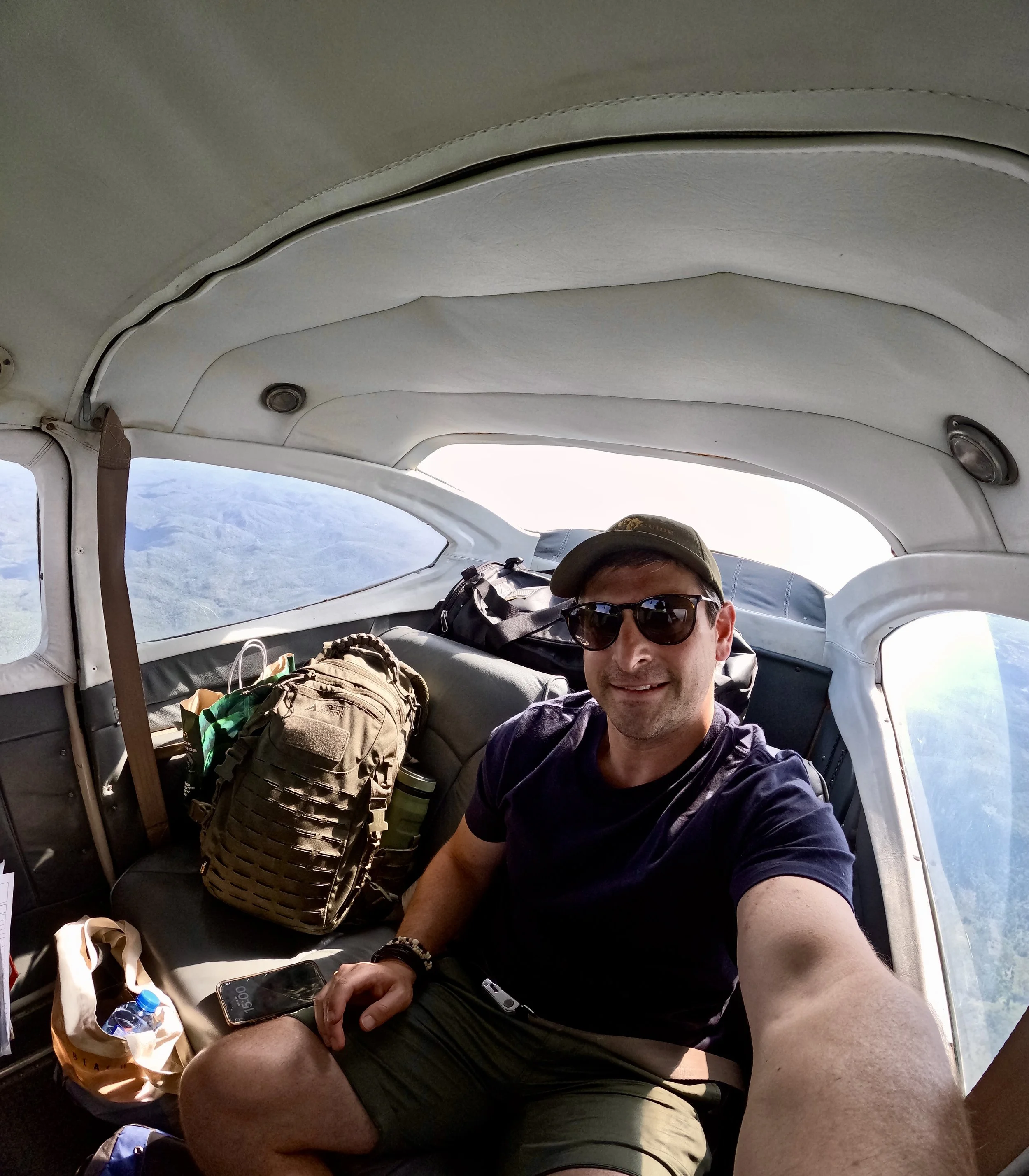
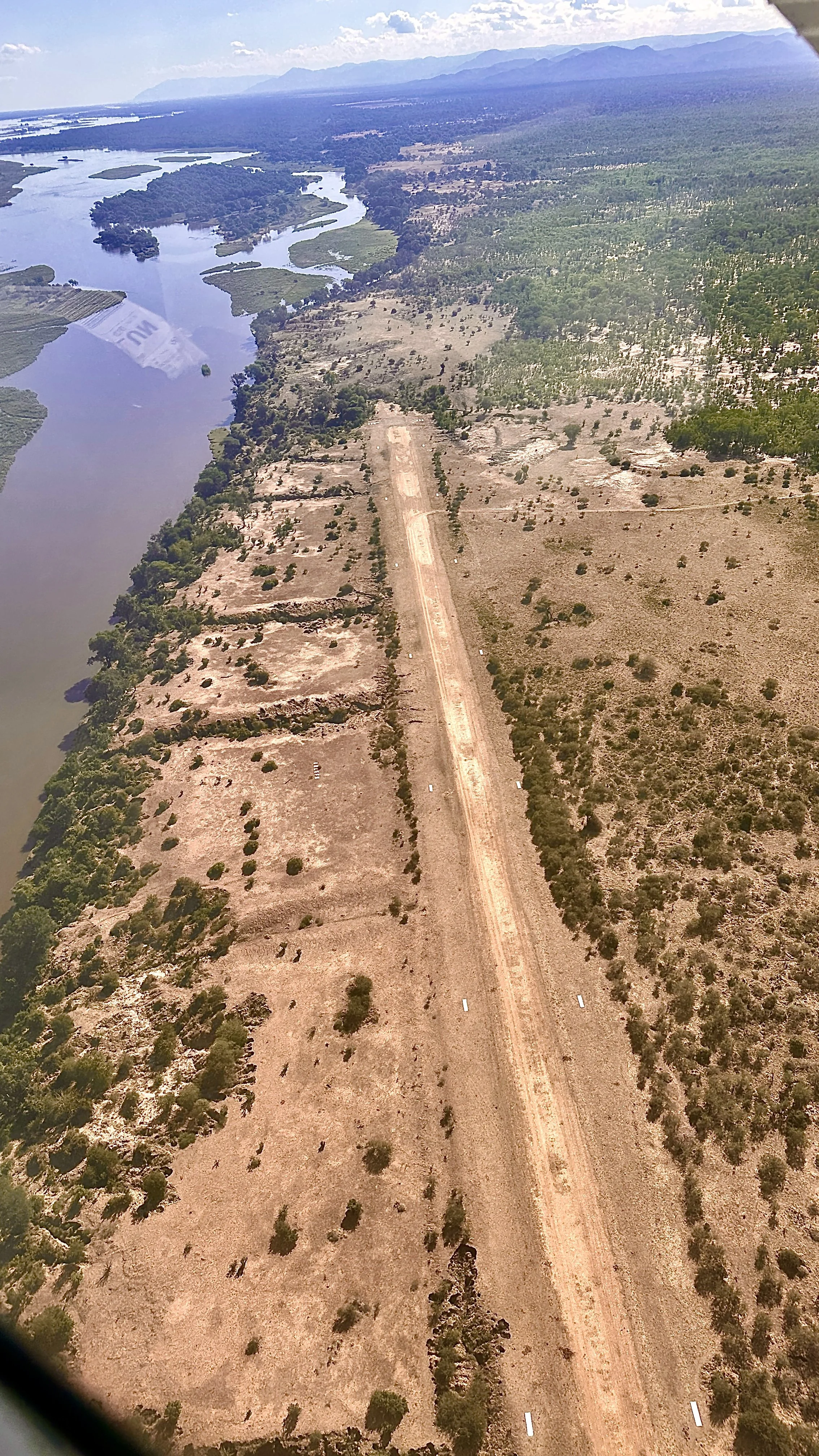
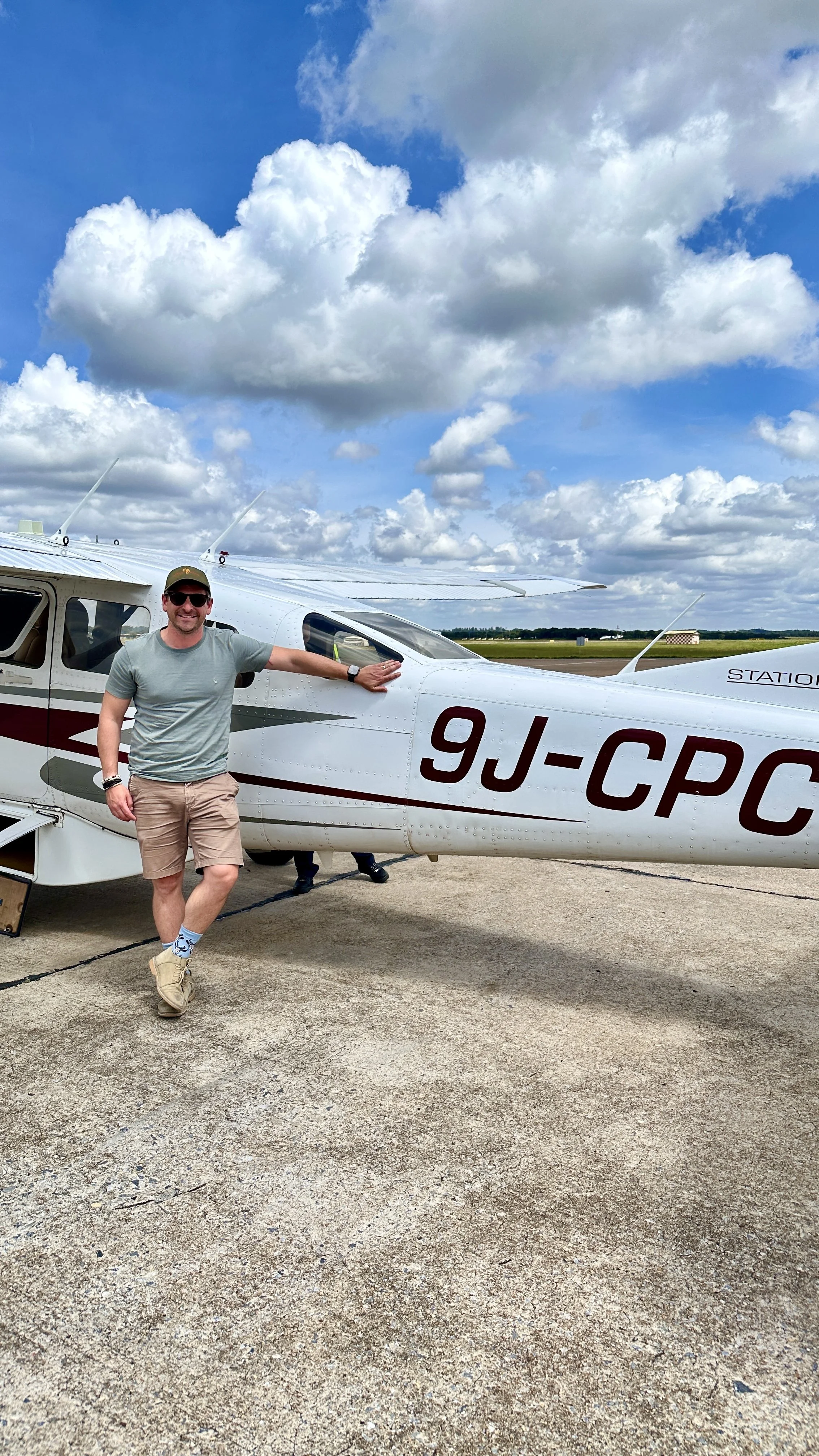
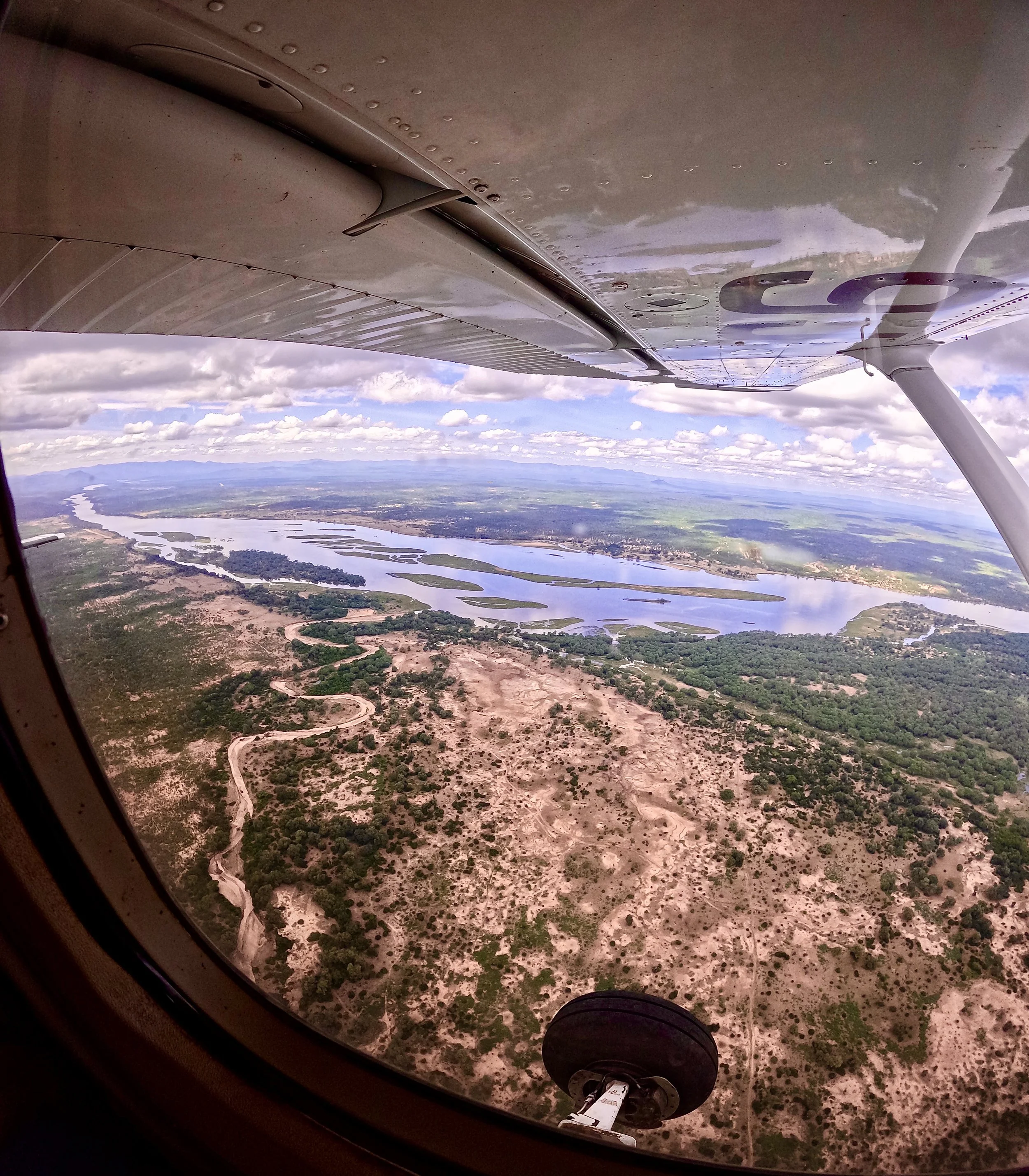
I flew into the park on a tiny four-seater aircraft and, in keeping with the remoteness of the destination, I was the only passenger on board. From above, the valley opened out in layers: the Zambezi, the floodplain, belts of woodland and forest, and the escarpment rising in the distance. It was an excellent way to arrive and immediately gave a sense of the scale of the place.
Anabezi itself sits in a superb position, tucked into the eastern side of the park among the winterthorn trees, with raised boardwalks linking its tented suites to the main camp areas. It is a polished, high-comfort safari camp and, although this trip report is separate from my full lodge review, it is worth saying here that it provided a very comfortable and well-run base from which to experience the destination.
By the time I reached camp and headed out that afternoon, the winterthorn forest had already made an impression. The light came through the trees in pale golden shafts, catching branches and grass and giving the area a very distinctive look. I had seen the winterthorns in photographs before, but standing among them made it much easier to understand why this landscape is so closely associated with the Lower Zambezi.
The afternoon drive was a gentle introduction, with elephants and various antelope appearing as the landscape slowly began to take shape. None of the sightings that afternoon were dramatic, but that hardly mattered. It was enough to begin understanding the setting and how the river, the forest, the floodplain and the wider woodland fit together.
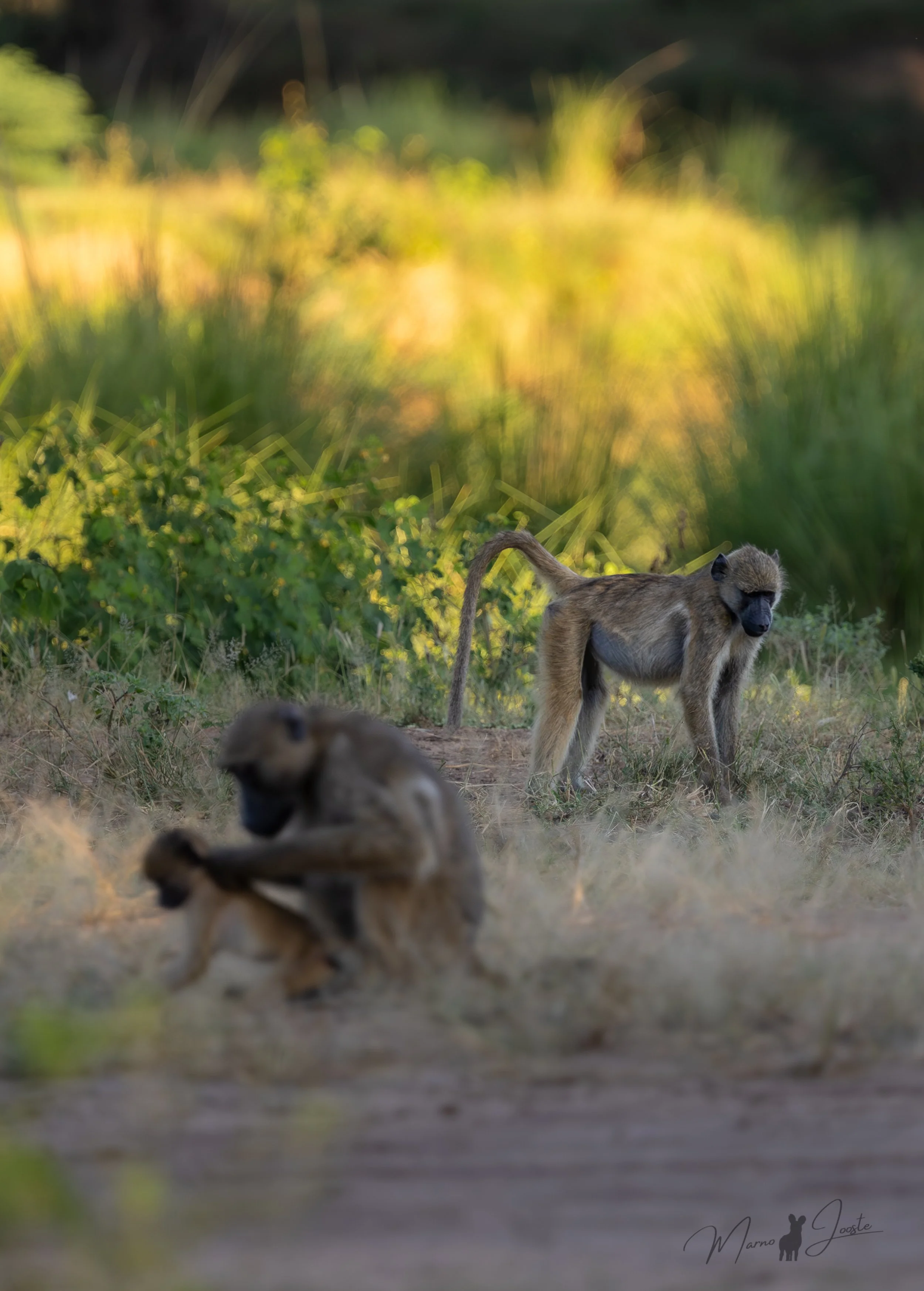
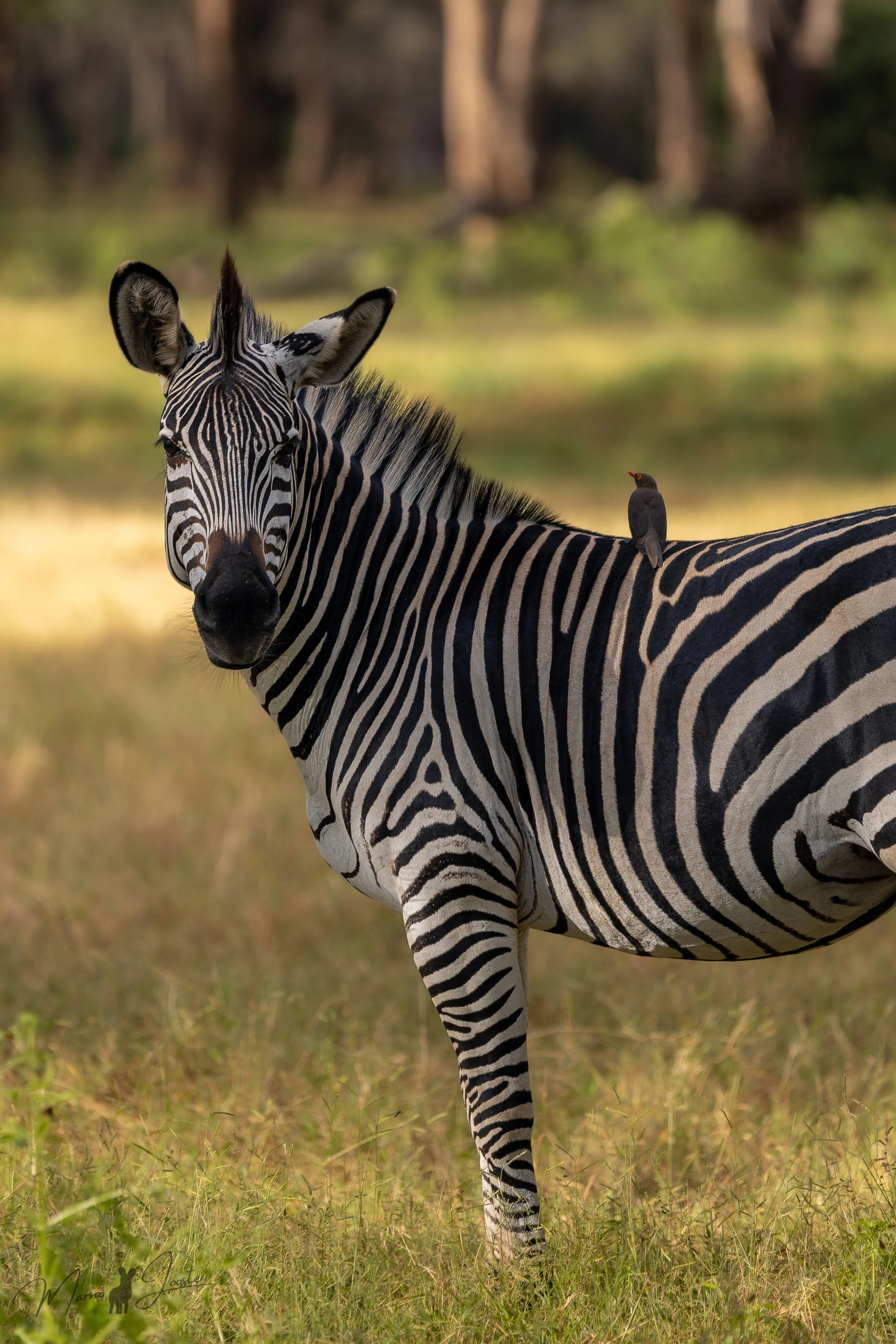
In April, the Lower Zambezi is still green after the rains, and that changes the feel of everything. The bush is thicker, the light softer, and the park feels fresh and full. Even on that first afternoon, it was obvious that this was not a one-dimensional safari destination.
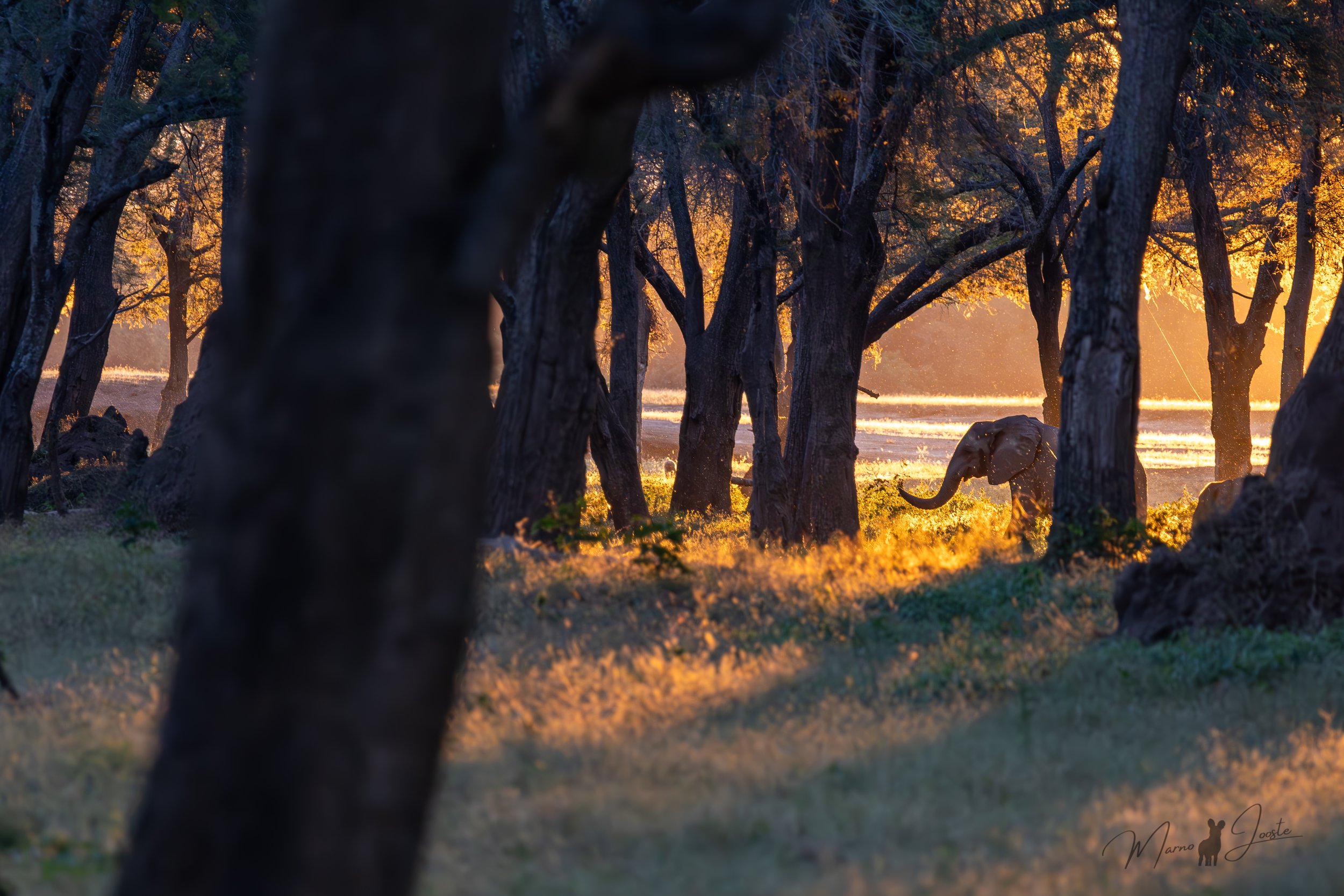
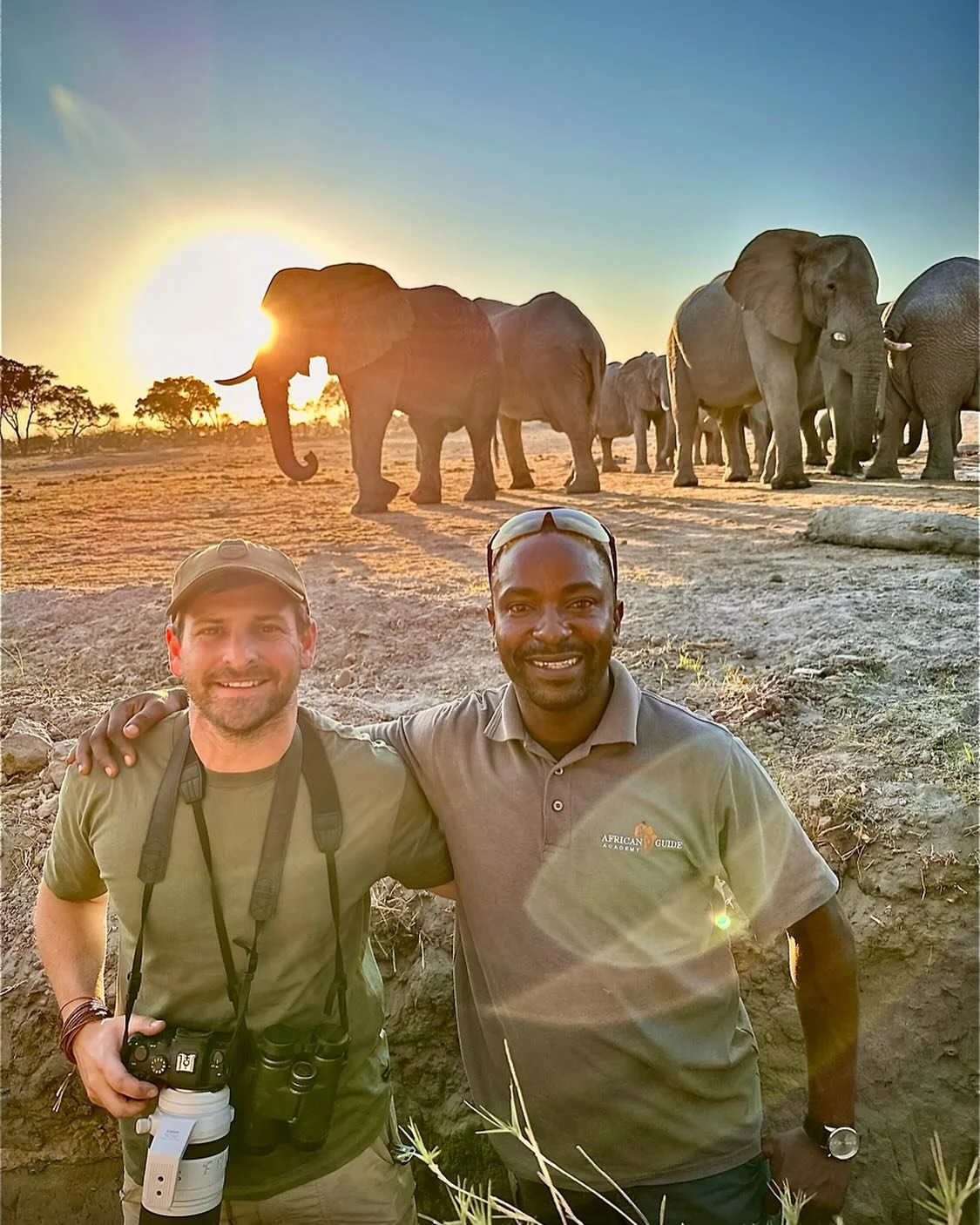
Elephants moving through the winterthorn forests in the afternoon light.
Day 2 – The Leopard Morning
The second morning produced the standout sighting of the trip.
We found a female leopard known as Scar in a tree, watching impala in the distance with that unmistakable mix of stillness and intent. She looked as though she wanted to hunt, but nothing about the sighting felt rushed. There was tension in it, but a measured kind of tension, the sort that makes you settle in and simply watch rather than wait for immediate action. Leopards are incredibly patient hunters and can stalk prey for a long time before finally moving into position.
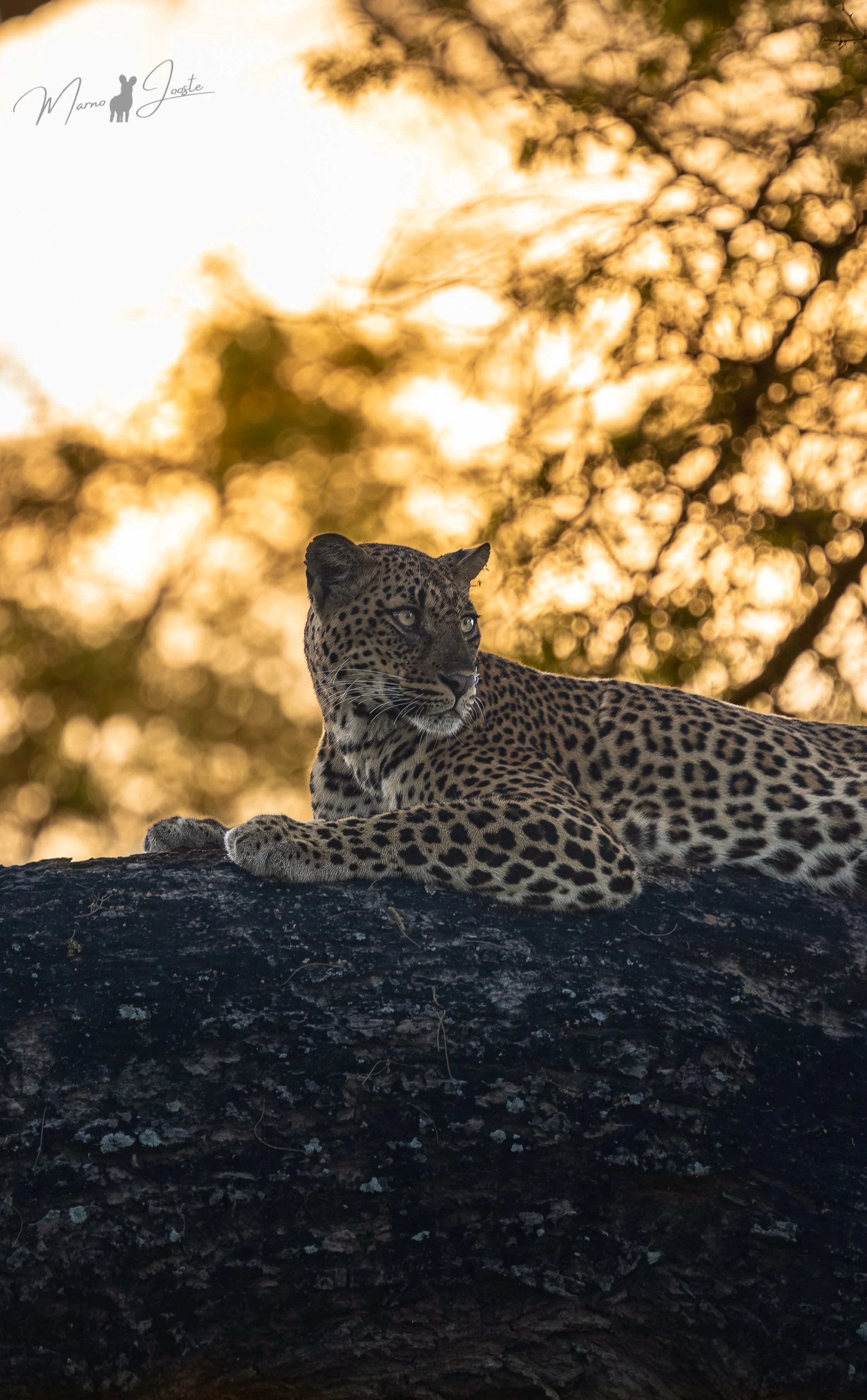
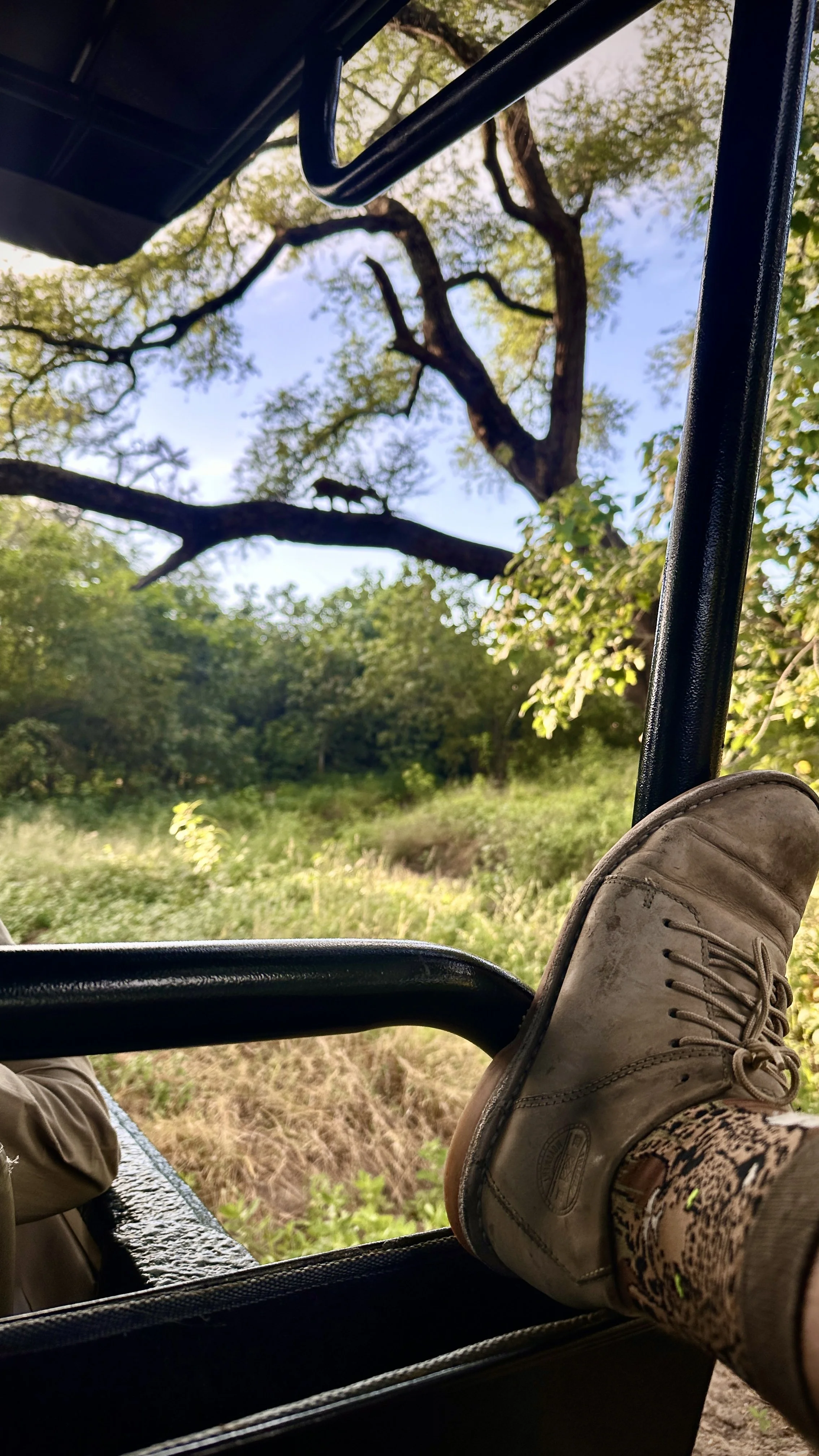
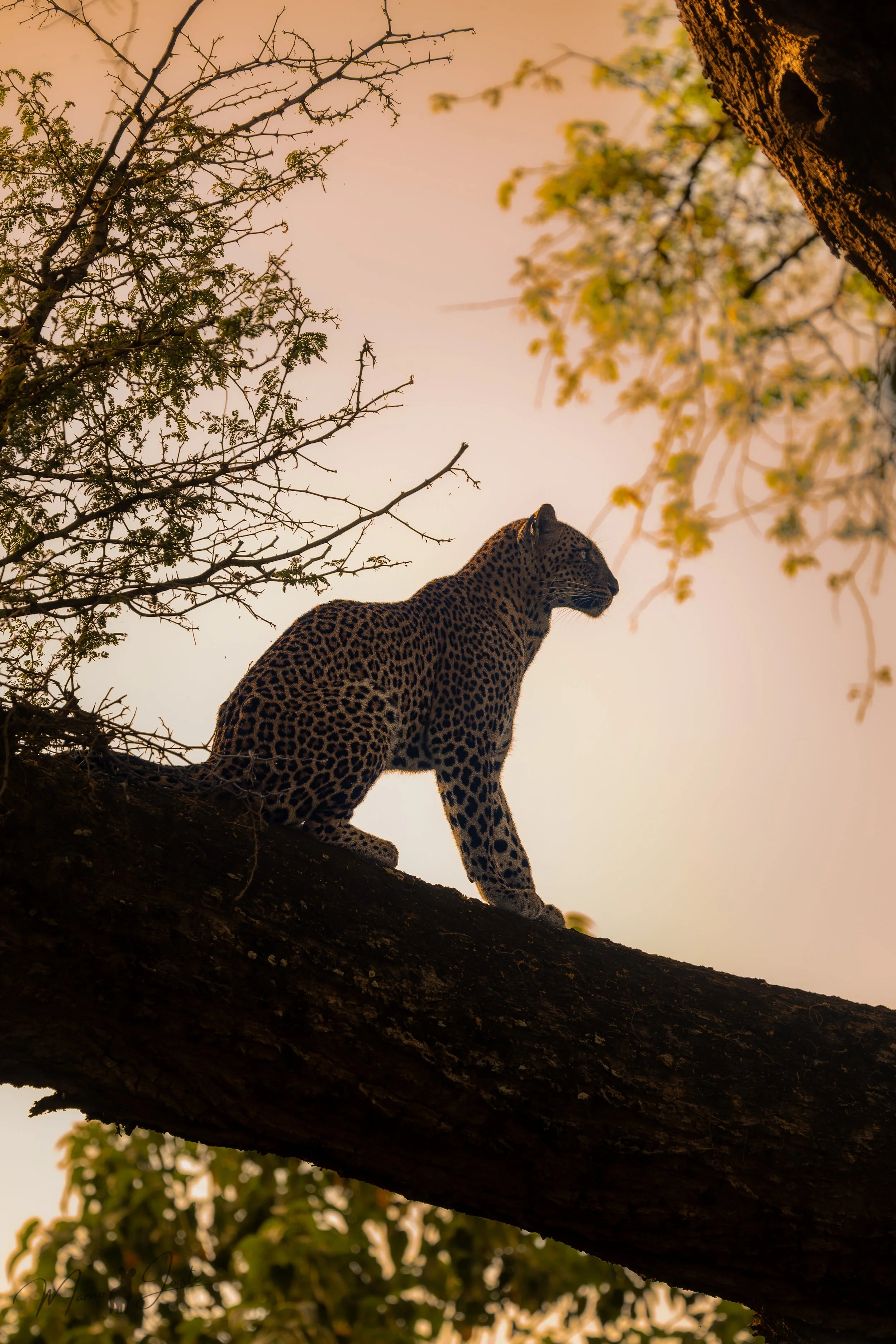
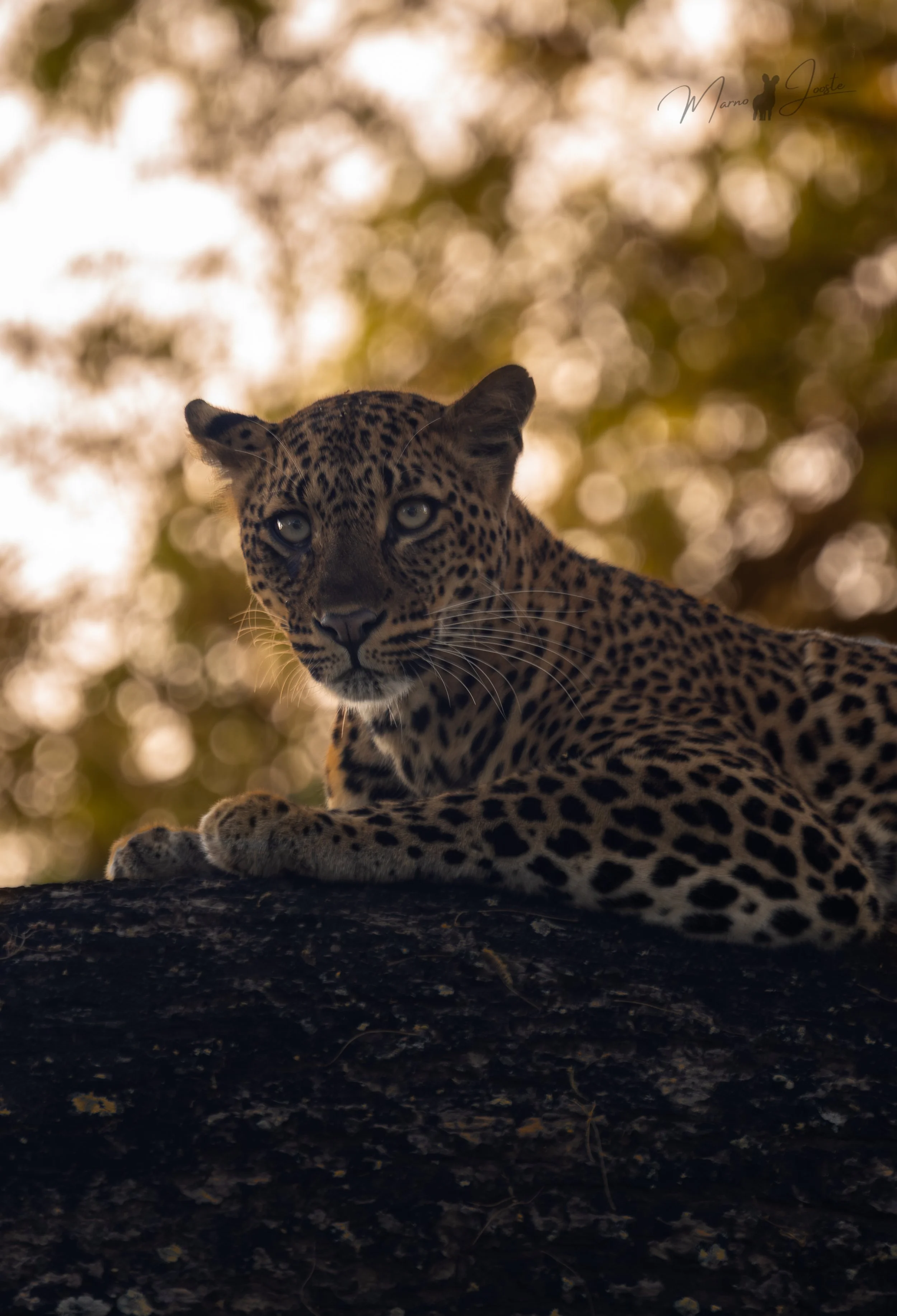
We stayed with her for a long time, and that was what made the sighting so memorable. It was not just about finding the leopard, but about having enough time to watch her properly and see how the scene developed.
It was also the photographic highlight of the trip. The leopard herself was impressive, but the setting mattered just as much: the shape of the tree, the filtered light and the winterthorn backdrop all came together particularly well.
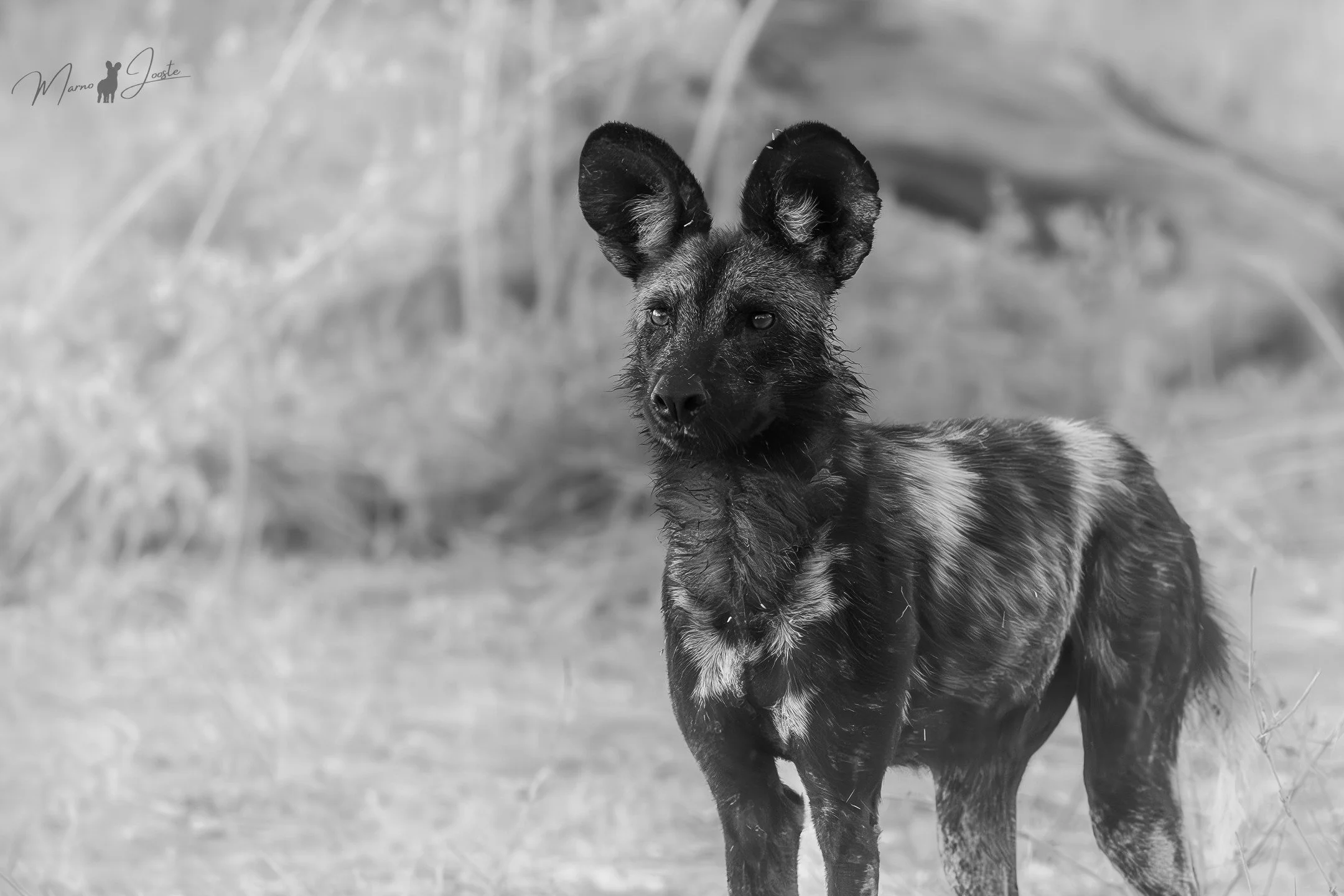
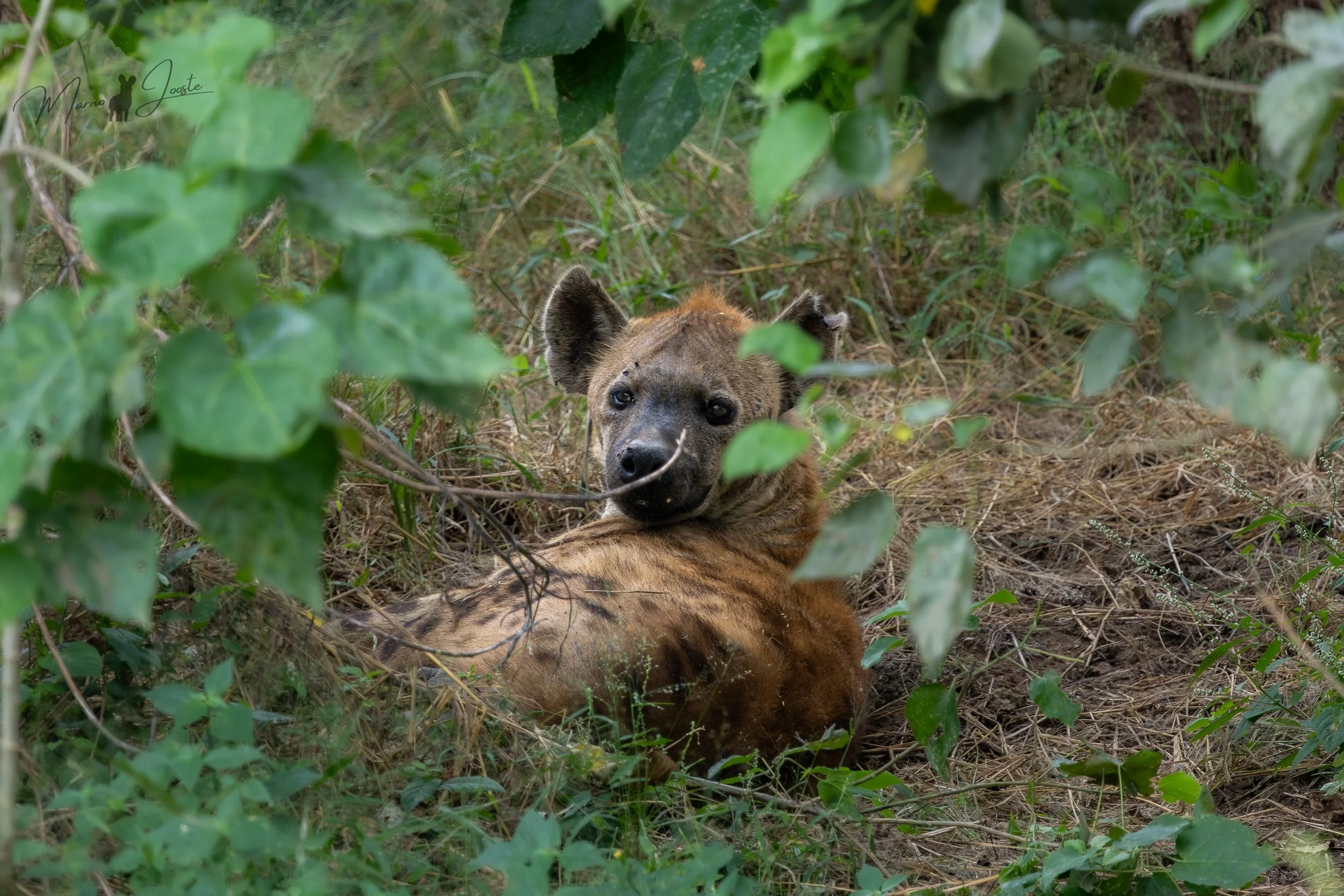
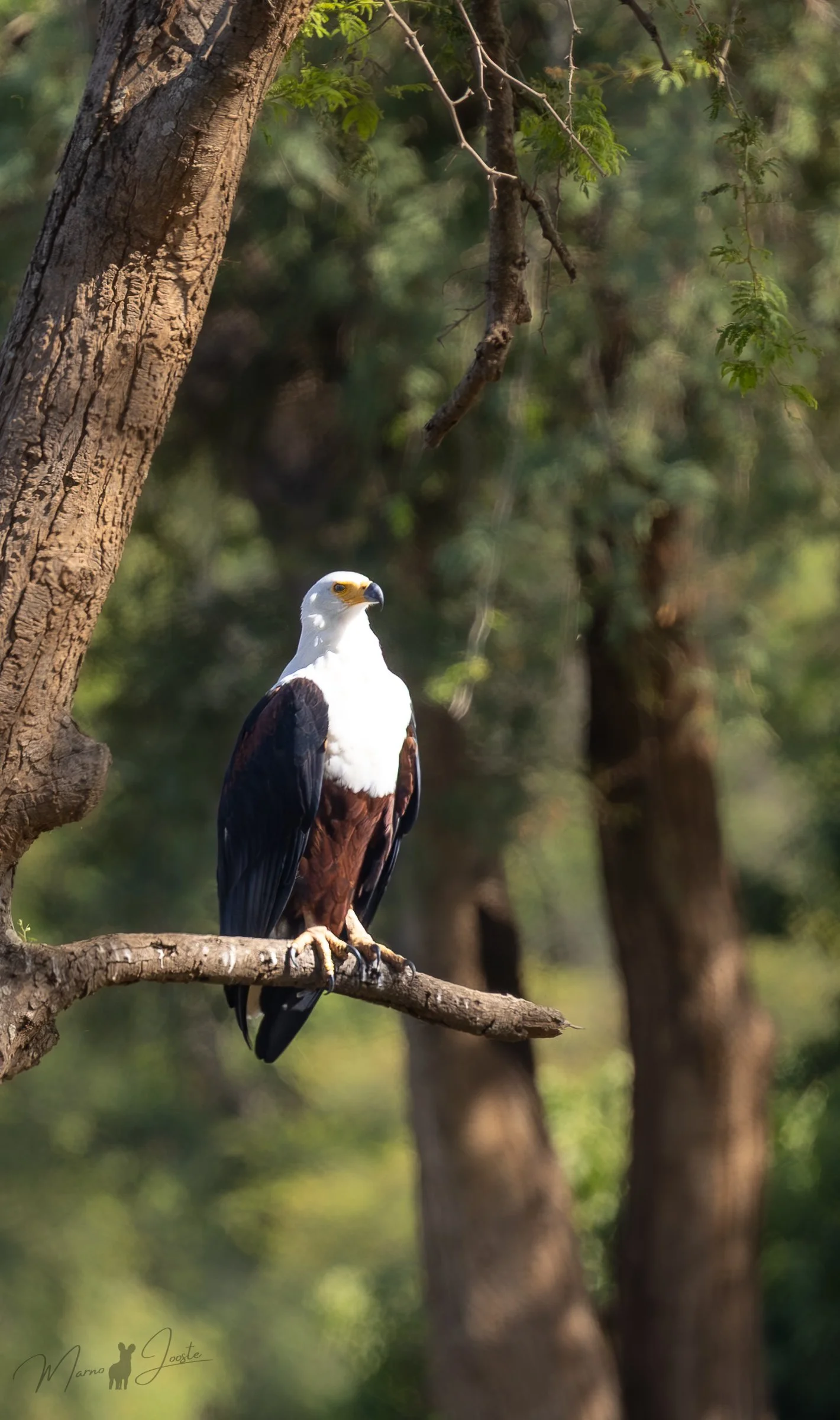
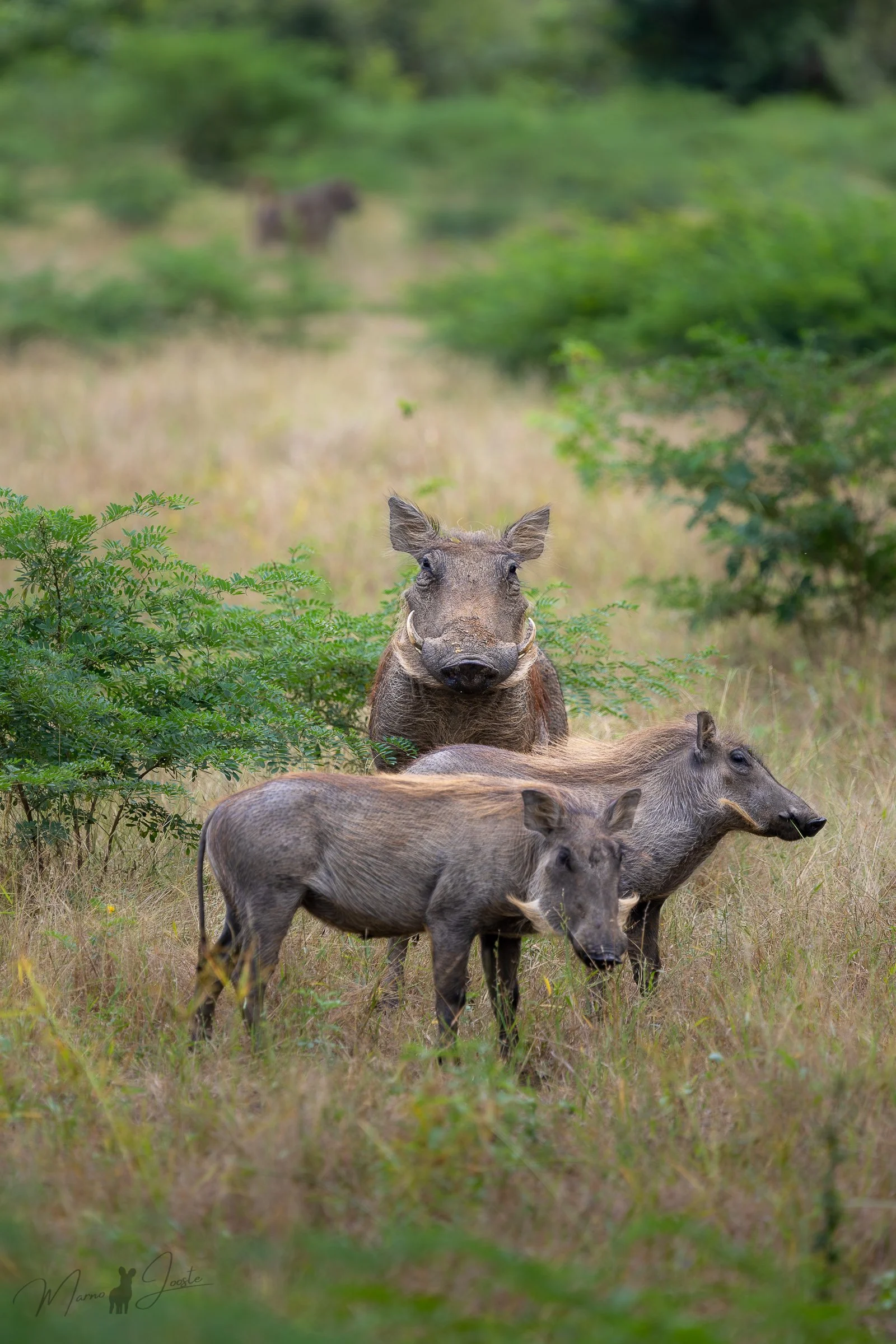
Around us, the rest of the morning kept unfolding. Ground hornbills moved through the area, fish eagles called, zebras and baboons passed through, and waterbuck, kudu, warthogs, impala and vervet monkeys all added to the scene. At one point, a hyena rested quietly in the bush with impala not far away and seemingly untroubled by its presence. It was one of those mornings where the interest came not from speed or constant movement, but from the number of different things happening at once.
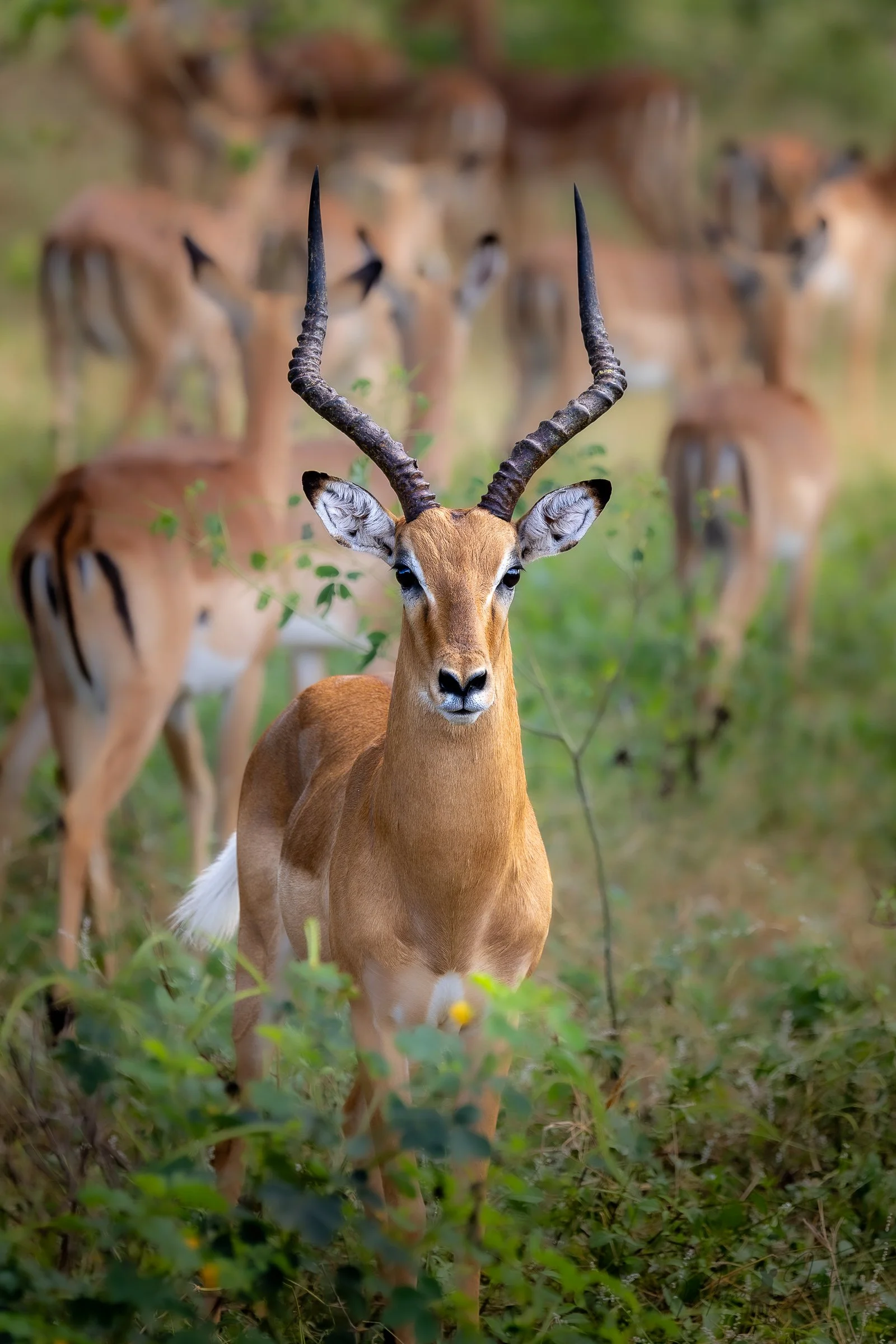
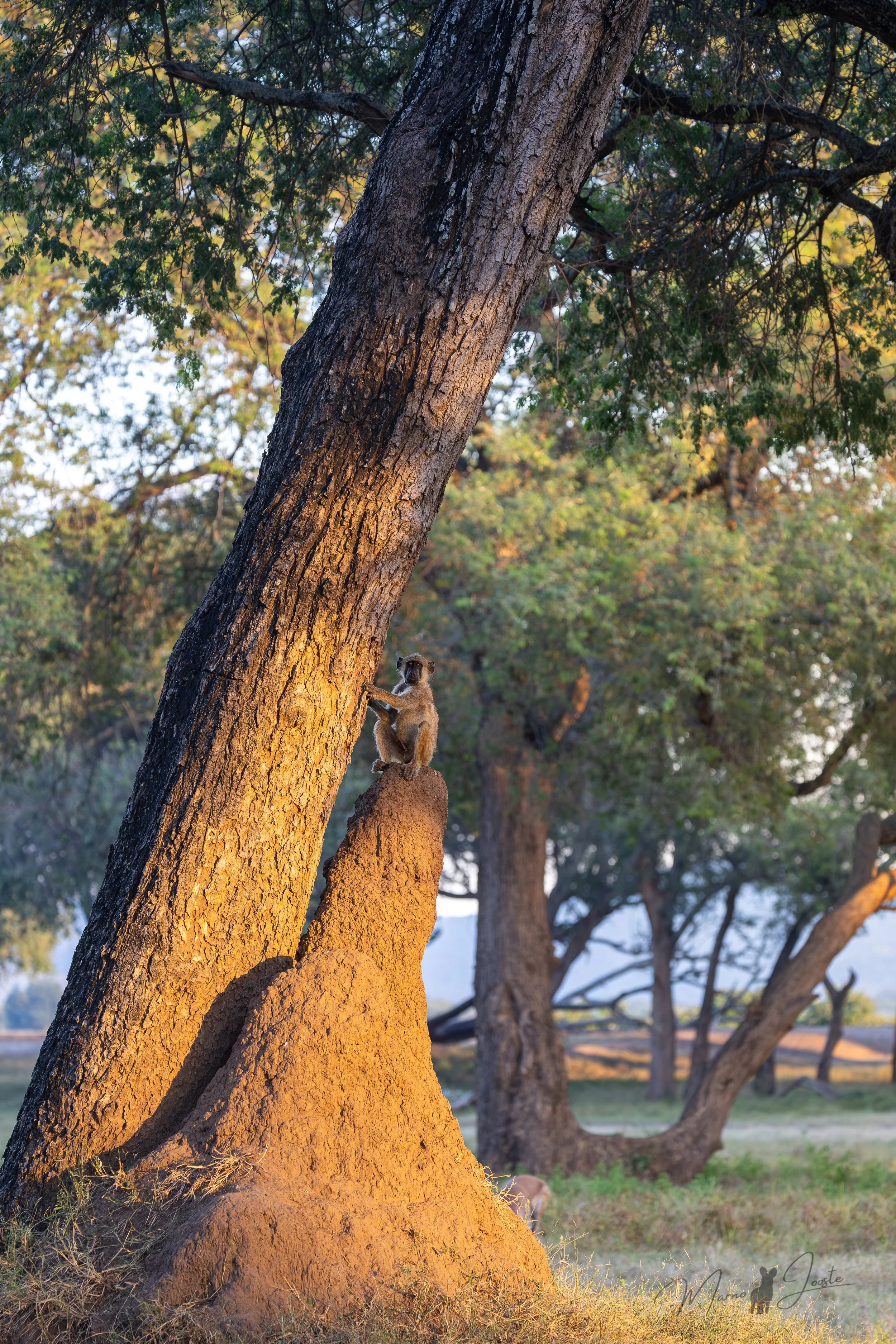
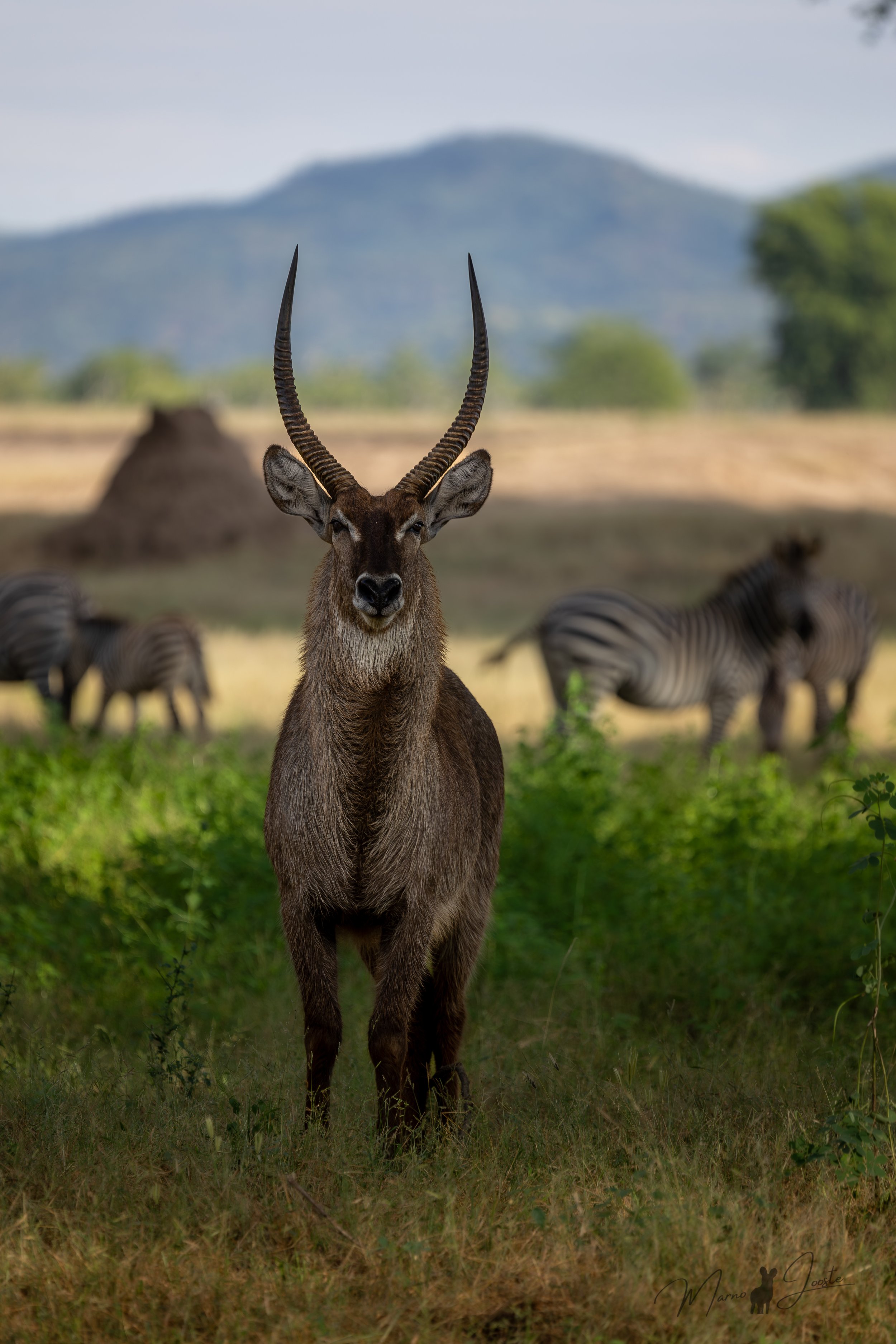
Back at camp later, lunch, a dip in the pool and a quieter few hours fit the pace of the day well. By the afternoon, the river began to take over the story.
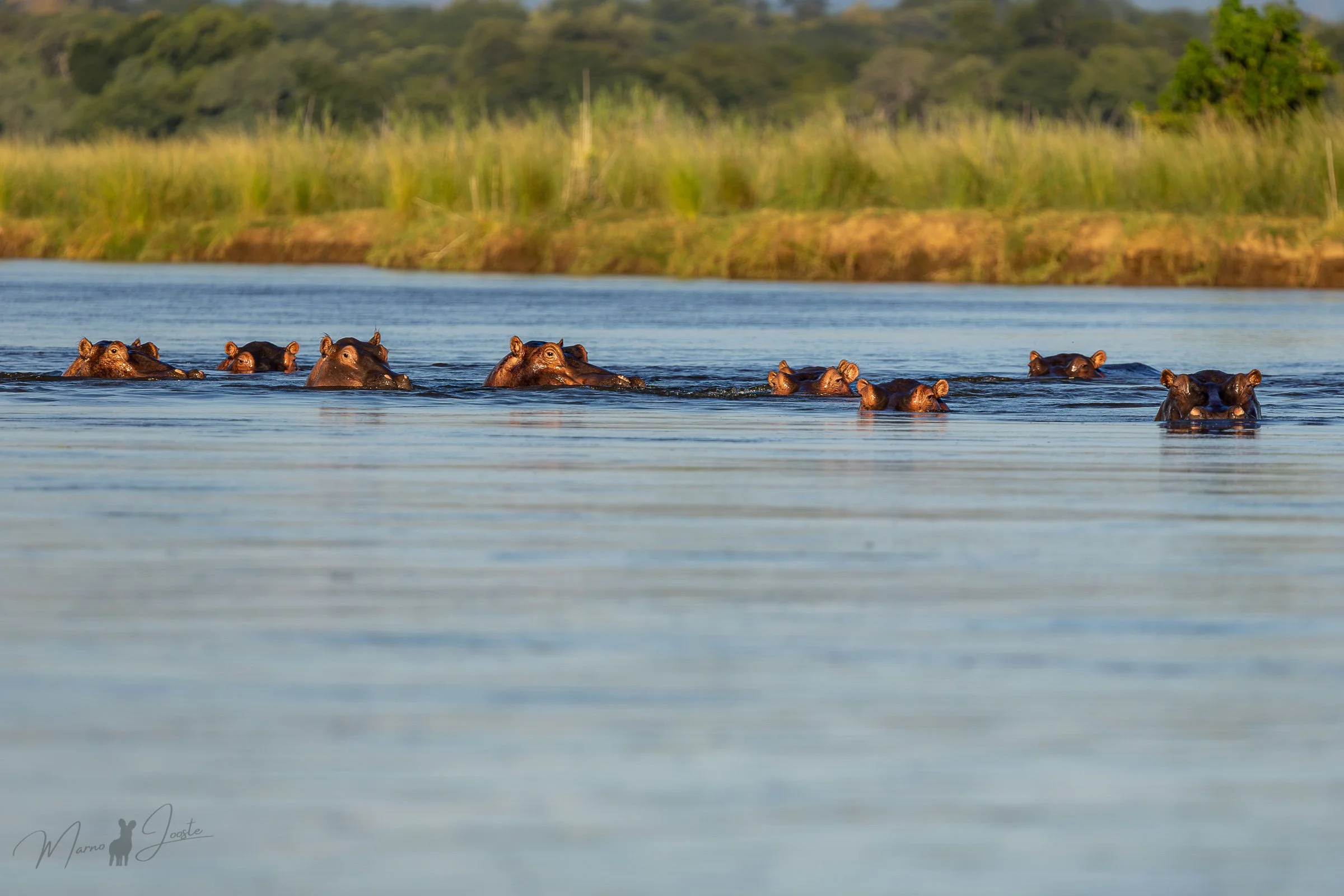
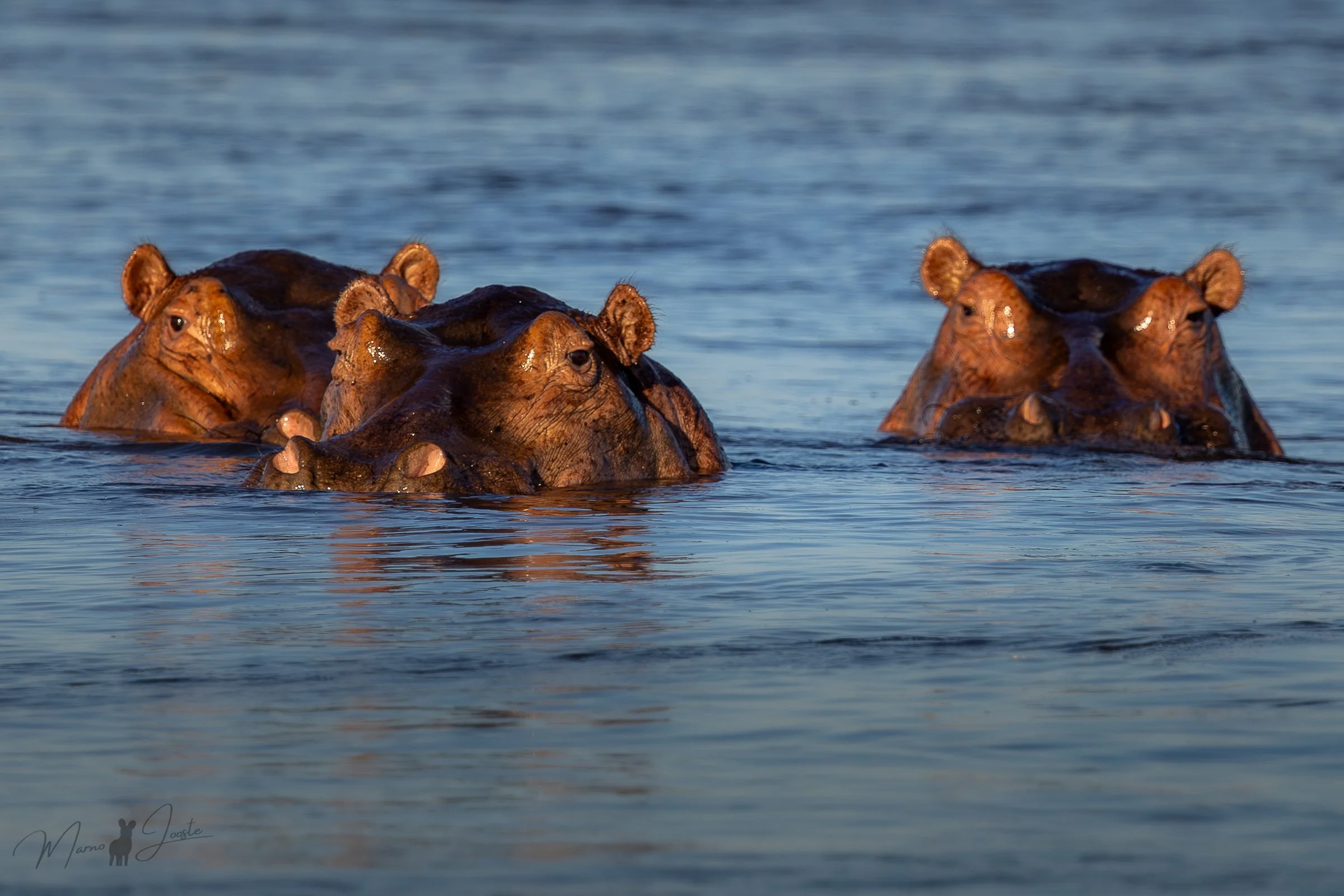
Heading out on the boat for a river cruise with Chris changed the perspective completely. Hippos, crocodiles, birds and elephants all appeared during the cruise, but what stood out most was how different the safari felt from the water. The Zambezi is not simply background scenery here. It is a major part of the experience, and being out on the river makes that very clear.
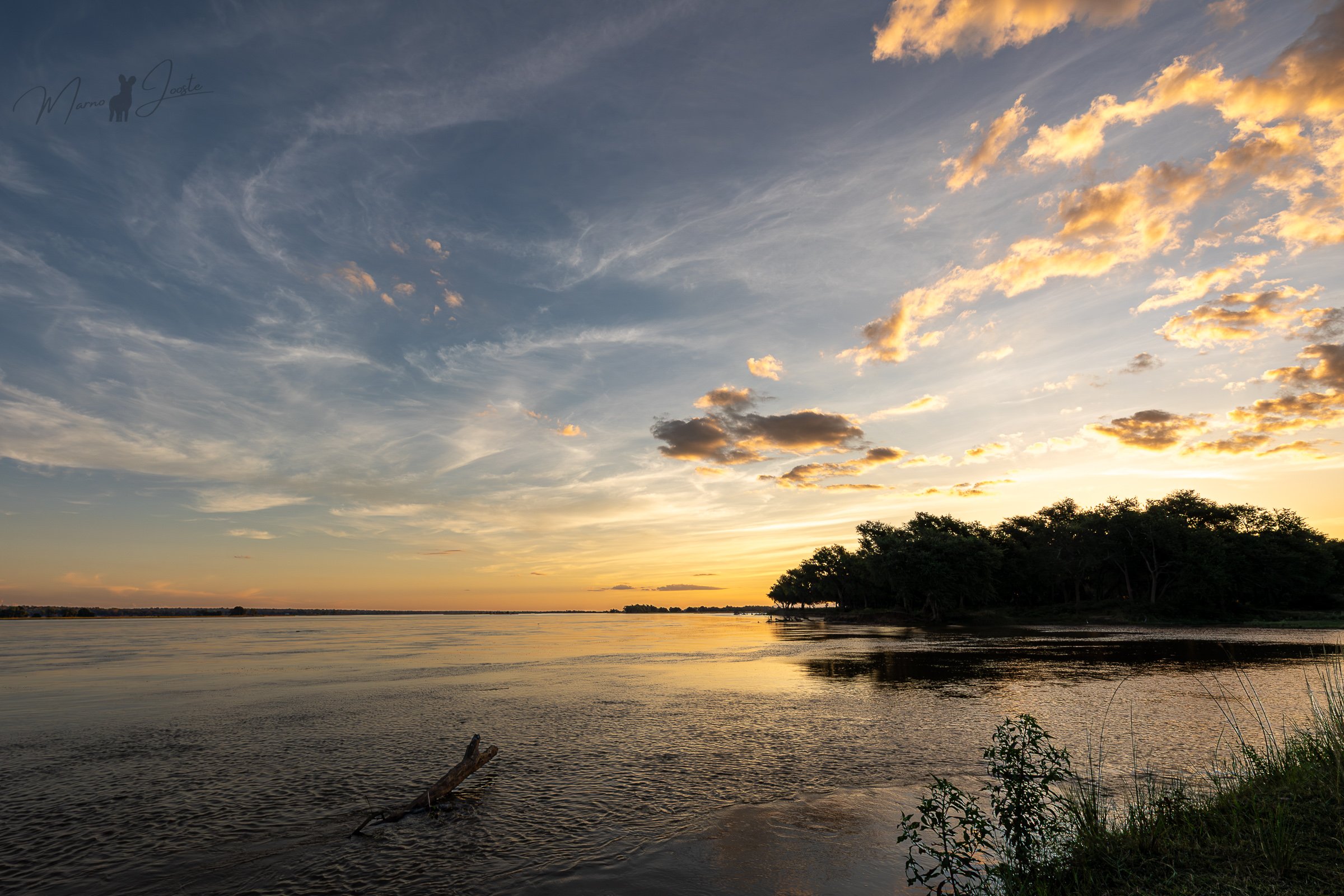
As the light softened, sundowners on the shore rounded the afternoon off nicely. Later that evening, the night drive revealed another side of the bush: genets, including one in a tree, nightjars, impala and white-tailed mongoose, all in the quiet stillness that arrives properly after dark.
Day 3 – Boat Safaris, Fishing and the Rhythm of the Zambezi
By the third day, the character of the Lower Zambezi had started to settle in more fully.
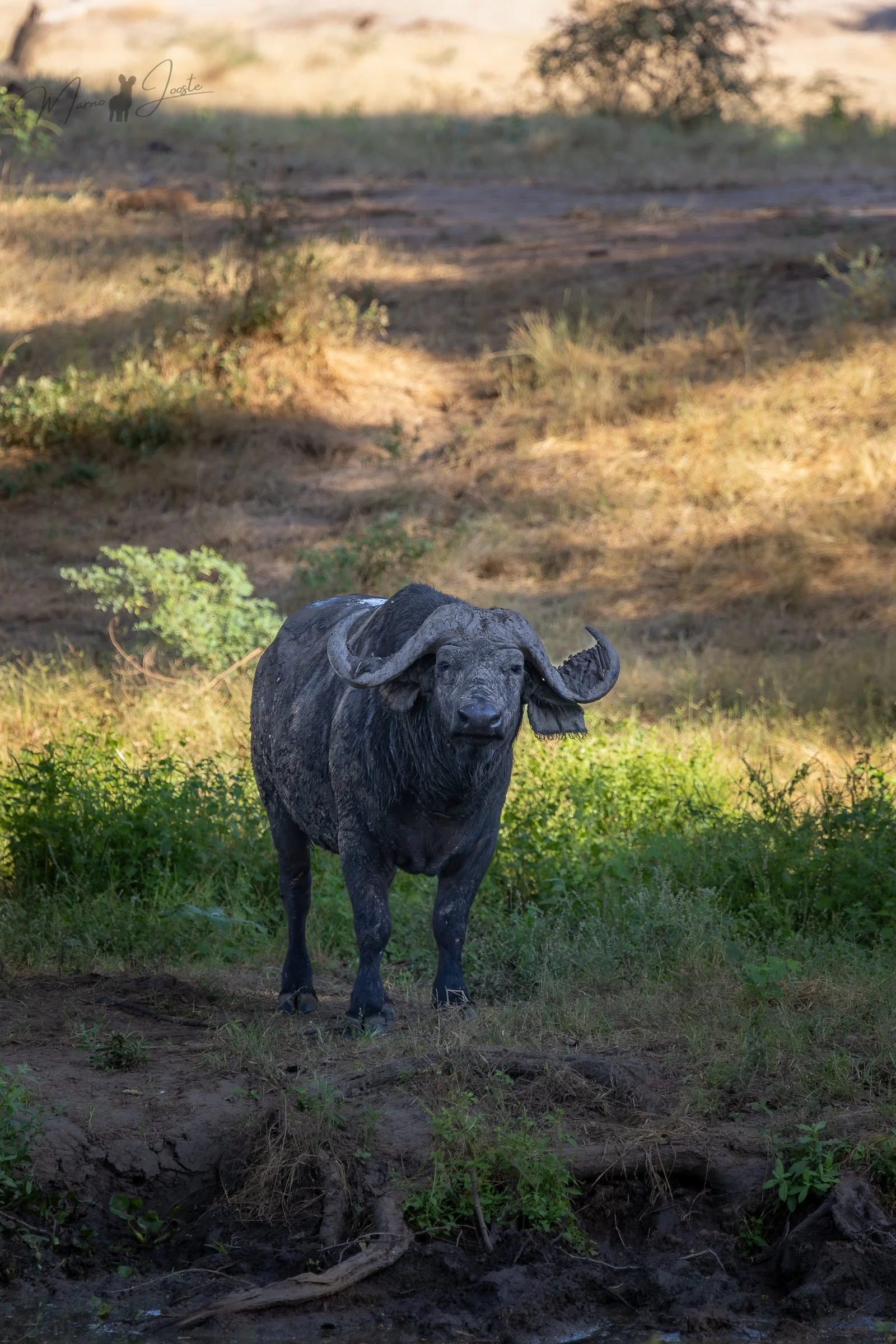
The morning drive brought buffalo, elephants, vervet monkeys and banded mongoose, as well as signs that lions were somewhere nearby, even if they kept themselves hidden. One of the most memorable moments came with a herd of more than fifty elephants, which felt entirely fitting for a place like this. In the Lower Zambezi, large herds seem to match the scale of the valley naturally.
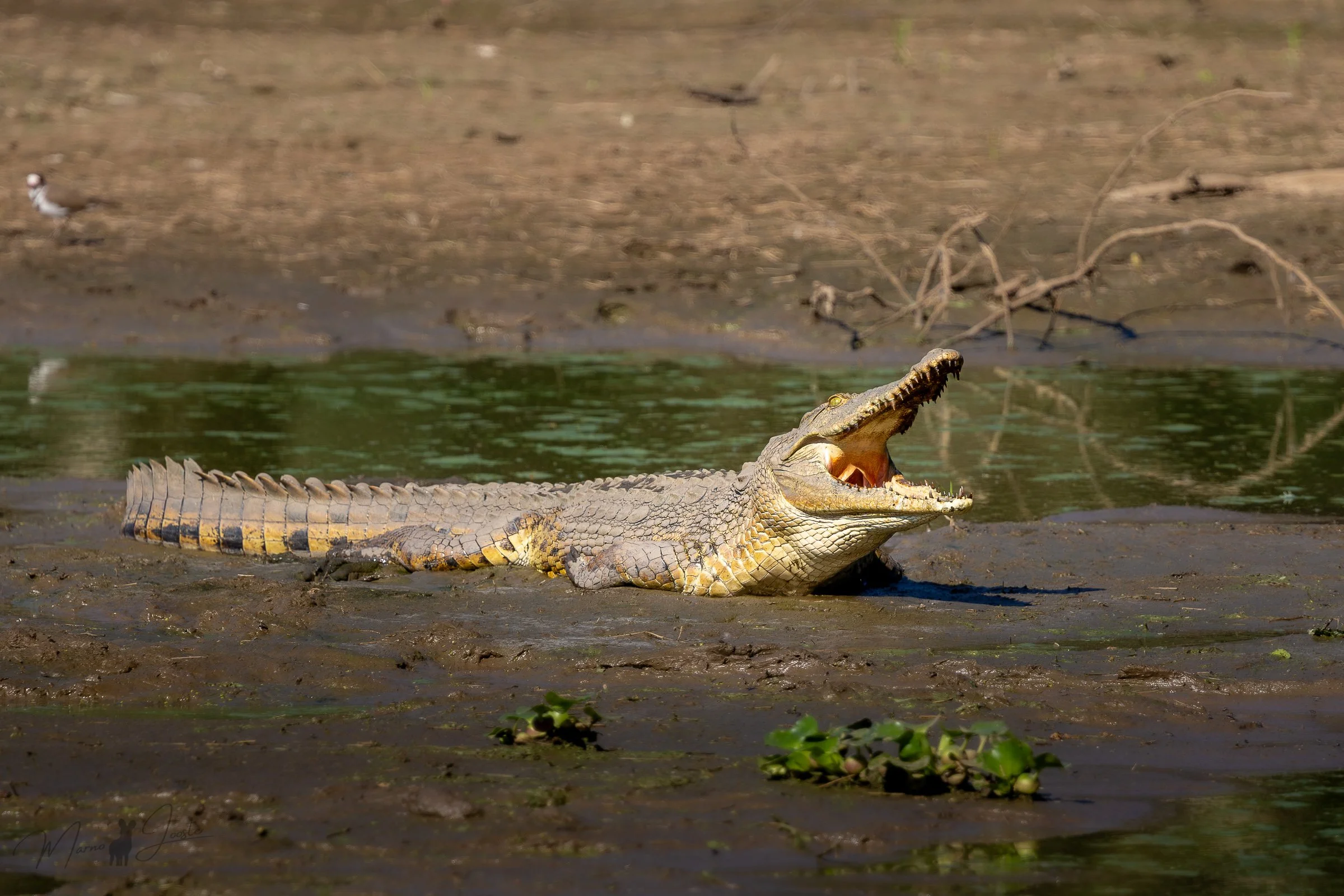
As the trip went on, one of the things I appreciated most was the variety between outings. Even when some of the species were familiar, the experience changed depending on the location, the time of day, and whether you were close to the river or further inland.
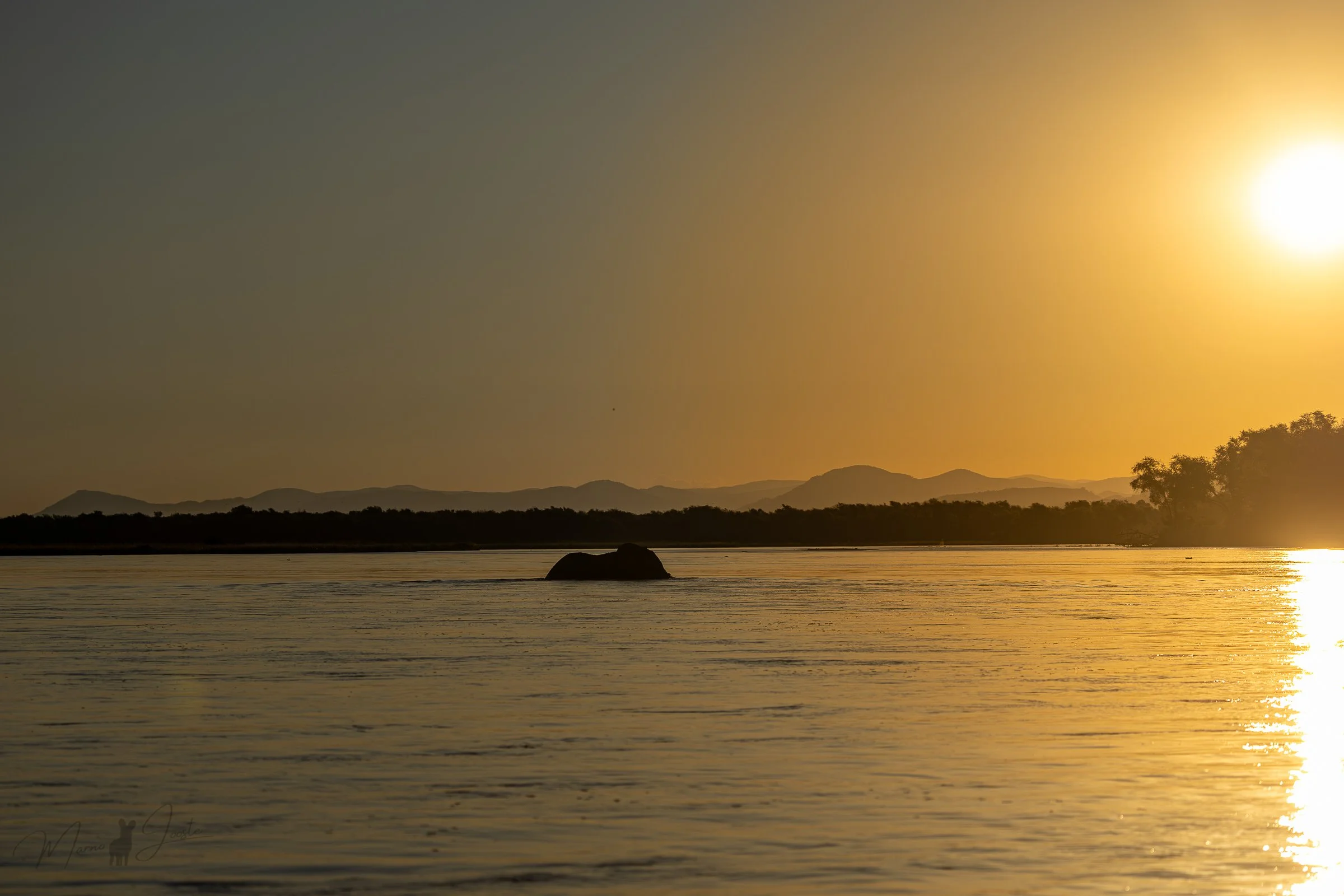
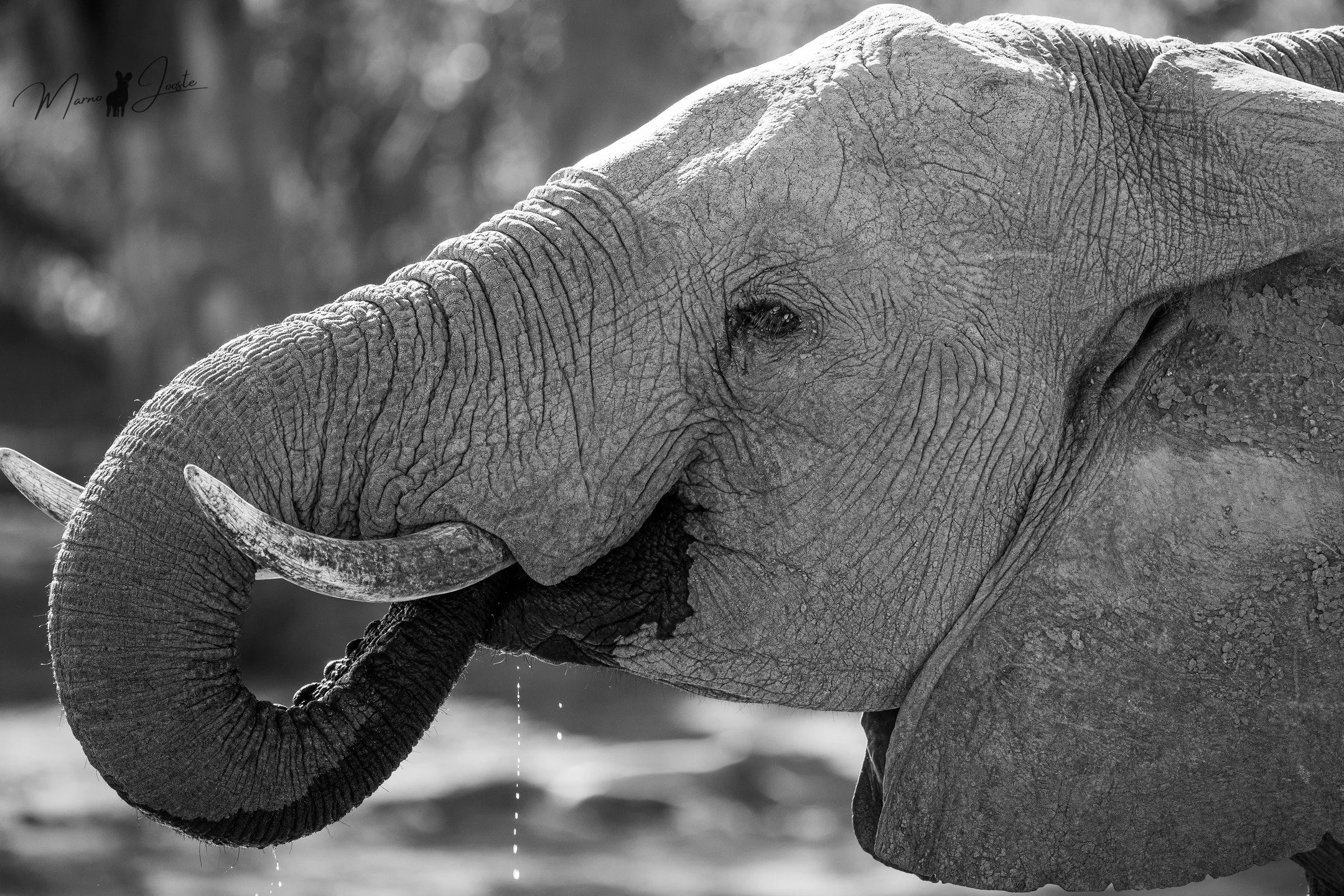
An elephant crosses the Zambezi River from Zimbabwe onto the Zambian side.
That afternoon, I headed out fishing with Chris, and it became one of the most unexpectedly enjoyable parts of the stay. We fished near hippo areas and talked through the way the river system works: the nutrients hippos add, the smaller fish feeding around them, and tiger fish hunting further up that chain.
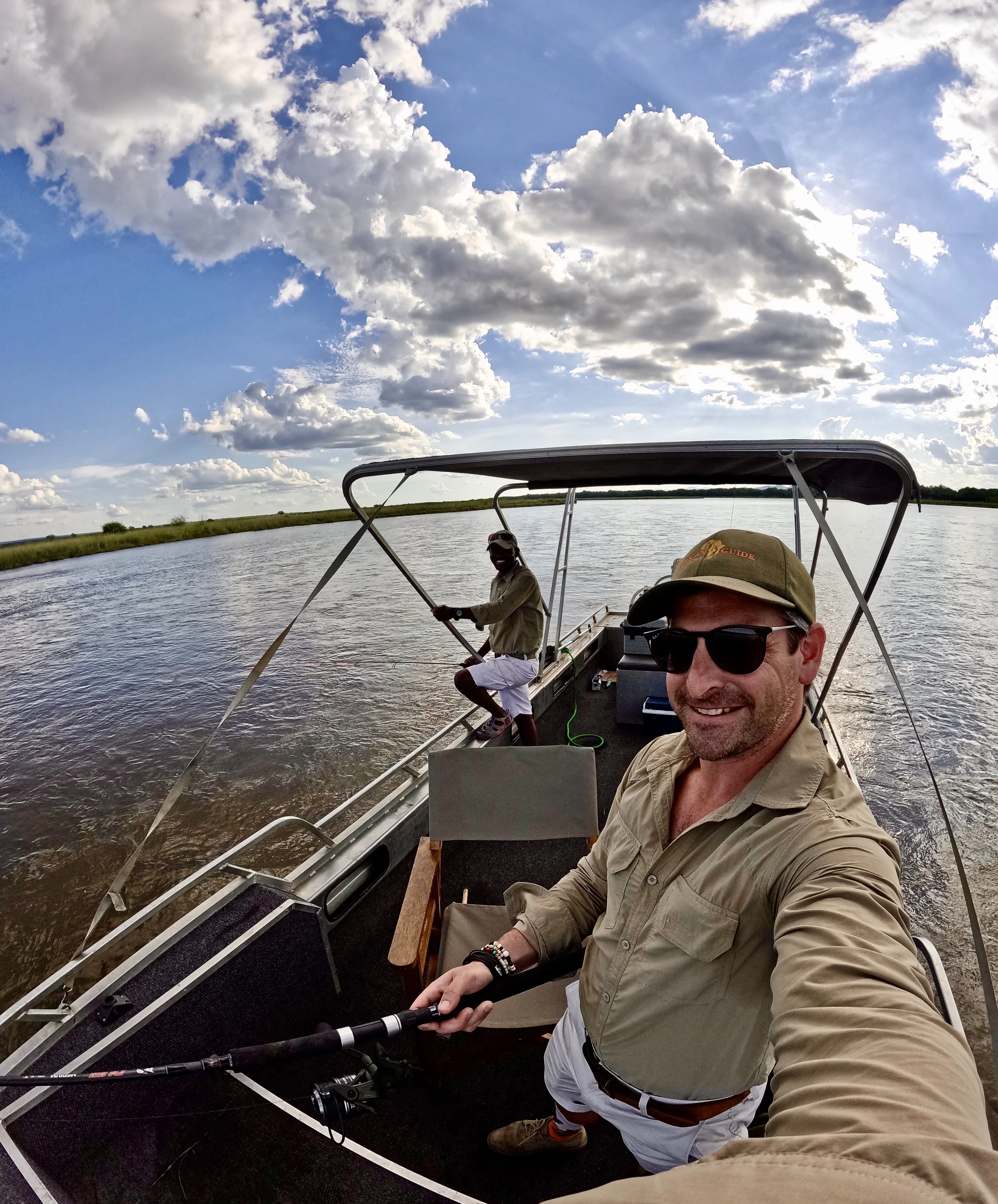
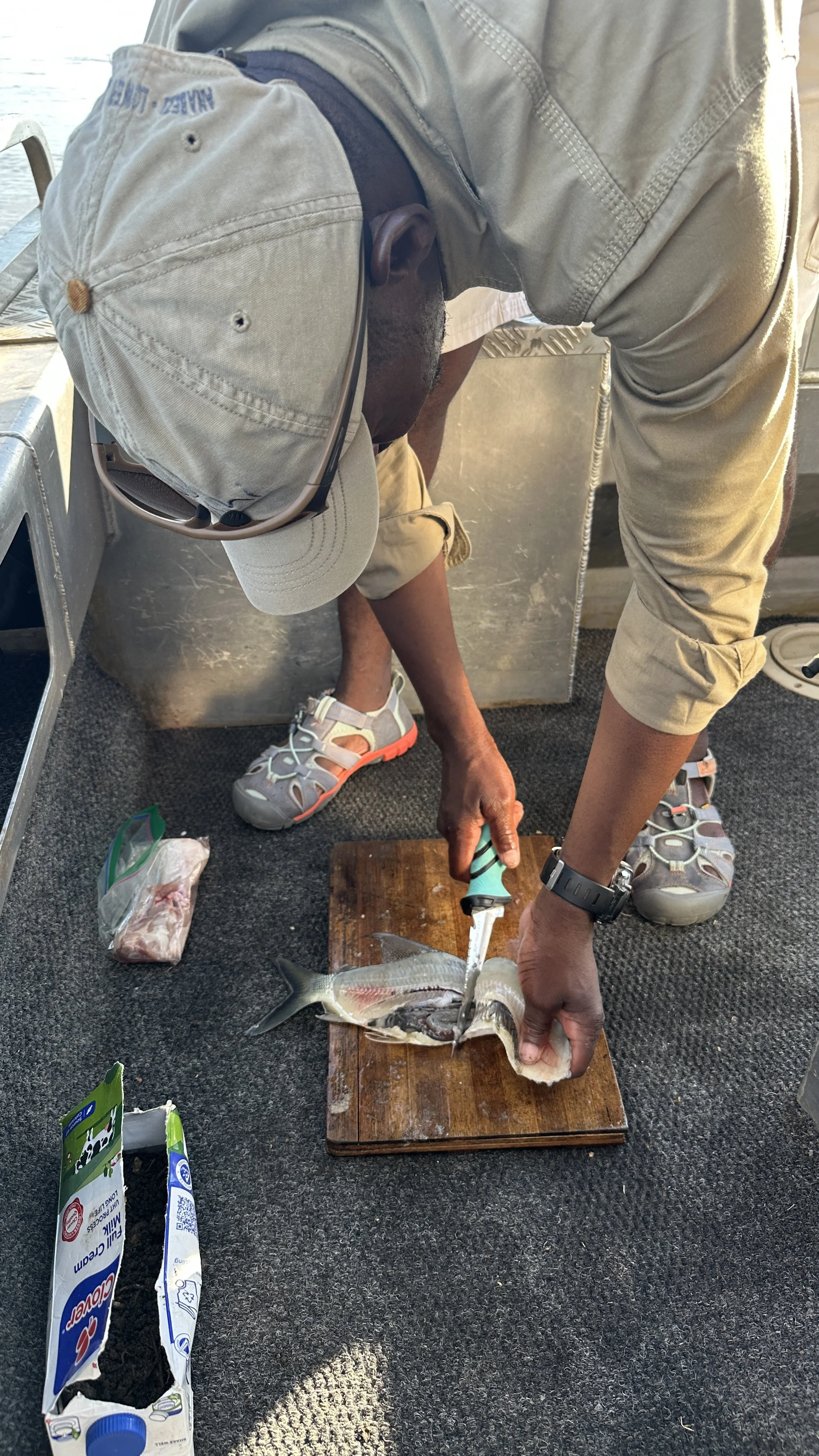
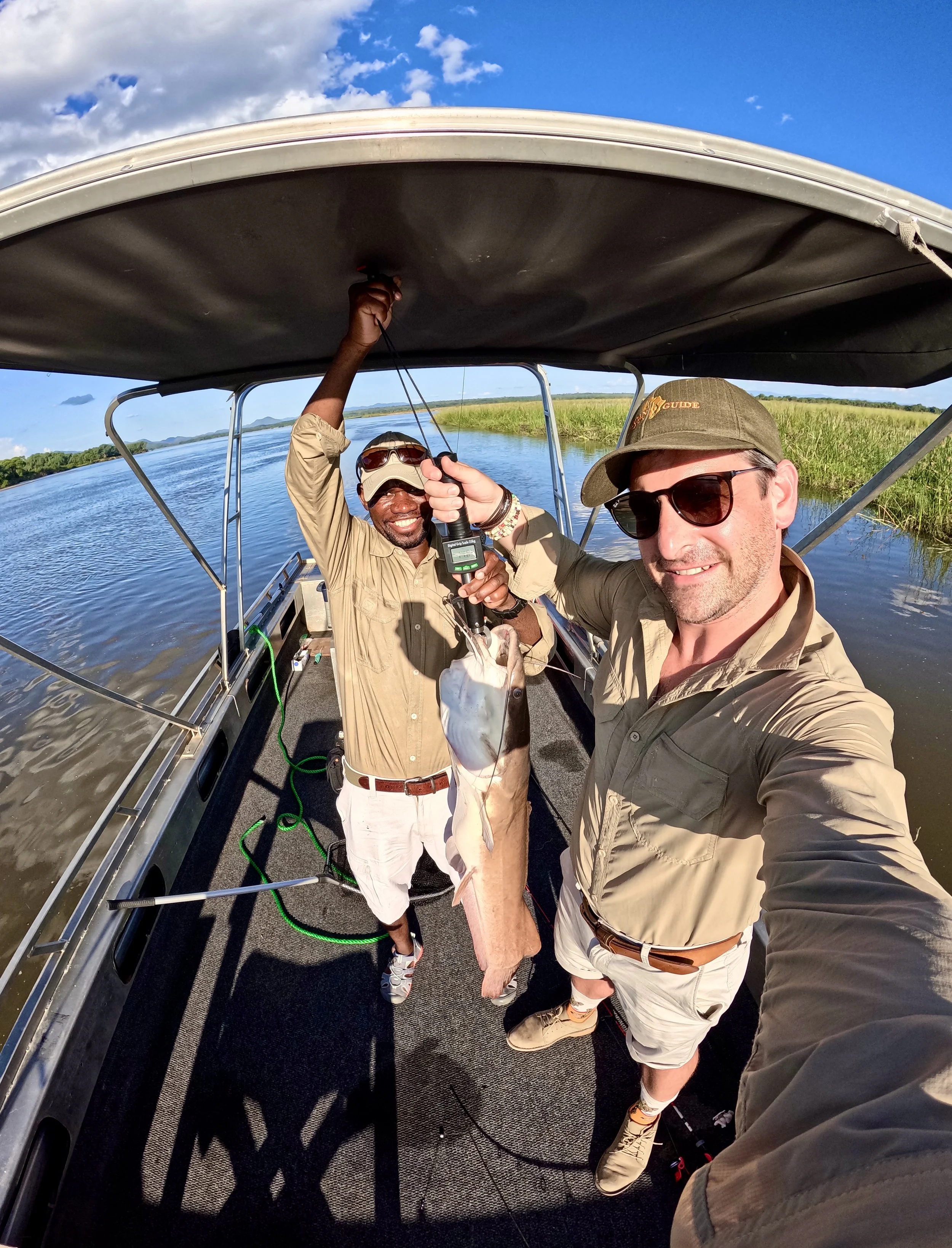
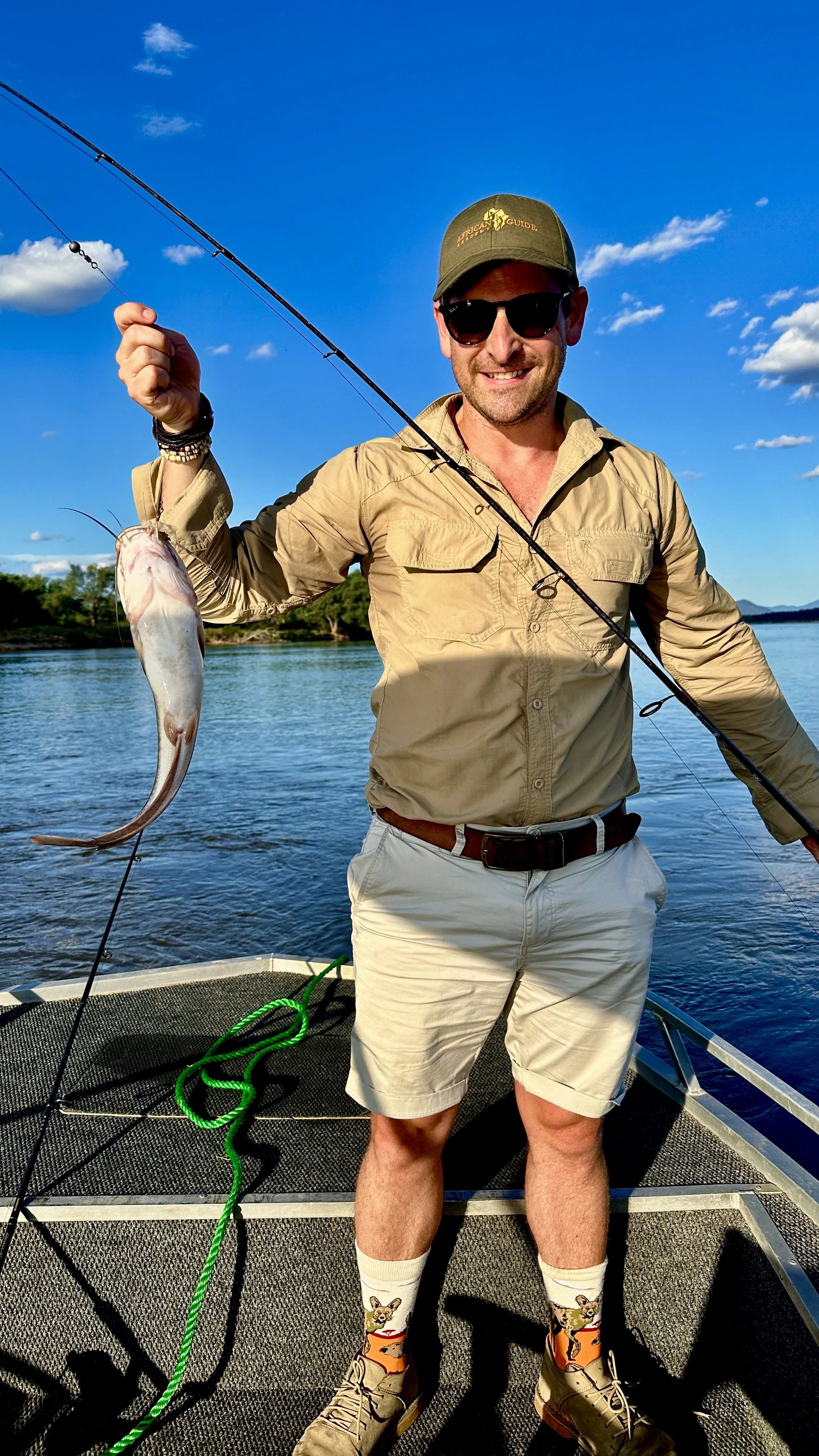
I ended up catching one vundu of 8.2kg and two small catfish. It was a very enjoyable afternoon and reinforced something I had already begun to realise: the Lower Zambezi is a destination best understood through variety. Driving, walking, boating and fishing each reveal something slightly different about the same place.
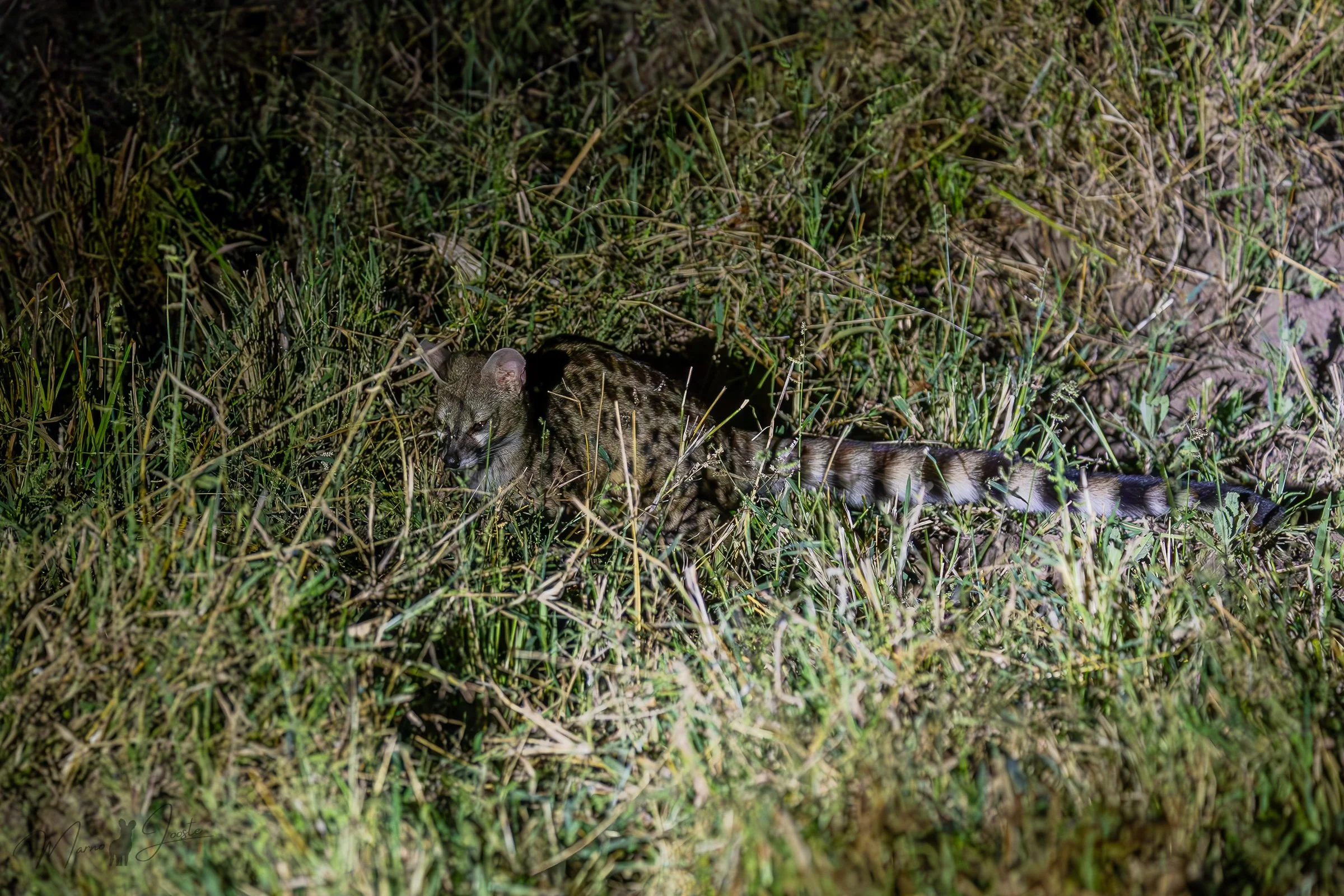
The night drive that followed brought more of the smaller nocturnal cast: genets again, elephant, white-tailed mongoose, nightjars, impala, waterbuck and zebra. It was another reminder that memorable safari days do not need to rely entirely on large predators.
Day 4 – Walking Safari in the Lower Zambezi
The final morning offered a slower and more detailed way to end the trip - we would head out for a walking safari with our guide Costain.
Walking in Zambia always has its own particular flavour, and this one was no different. Zebra, impala, elephants, warthog, baboons, waterbuck and a leopard tortoise all featured, but the real fascination was in the details underfoot and around us: porcupine spoor, hyena tracks, genet tracks, elephant dung and urine, zebra rolling places in the dust, and vultures feeding on the ground. We saw lappet-faced and white-backed vultures feeding out on the open plains, which added another element to the walk.
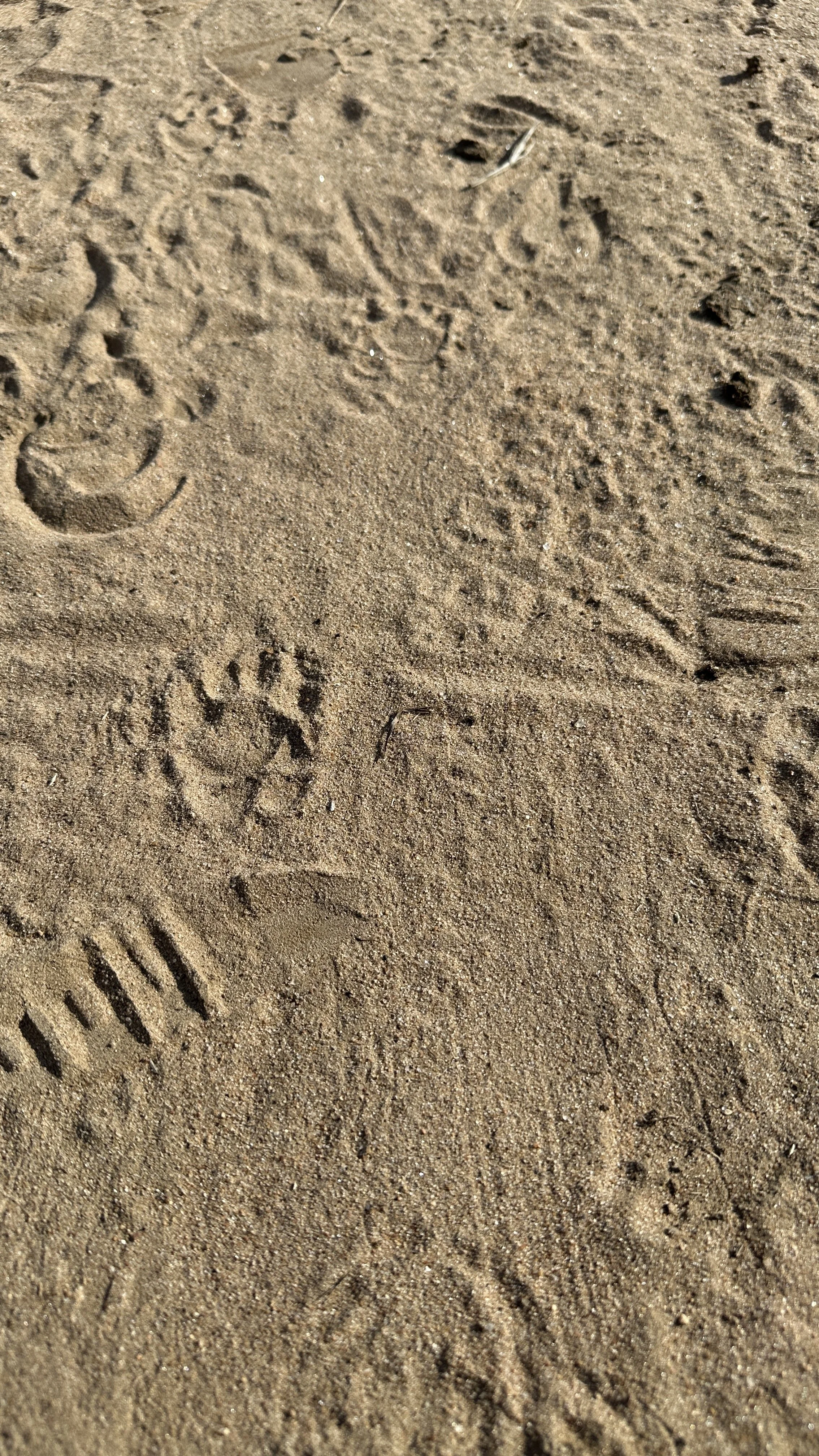
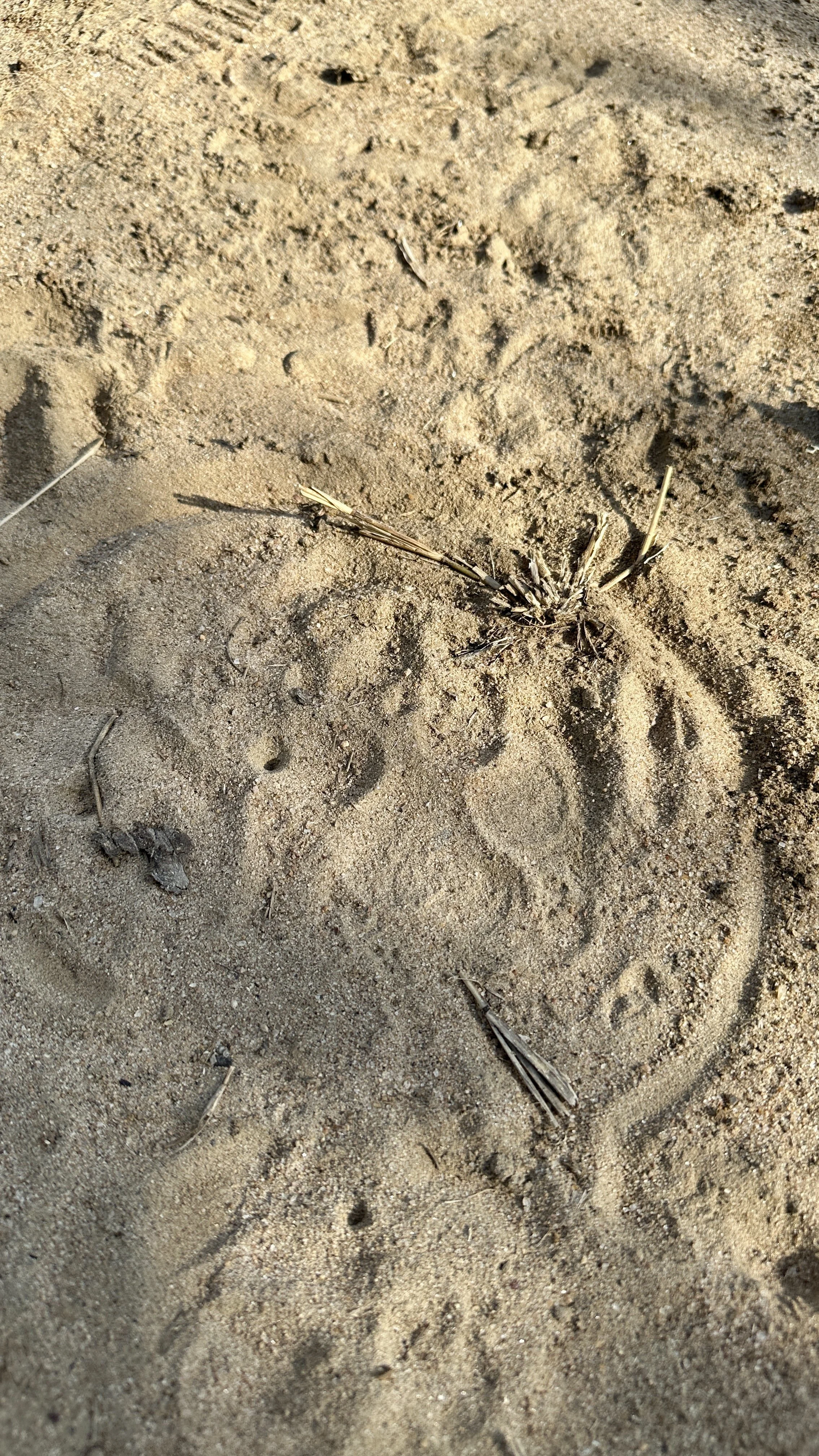
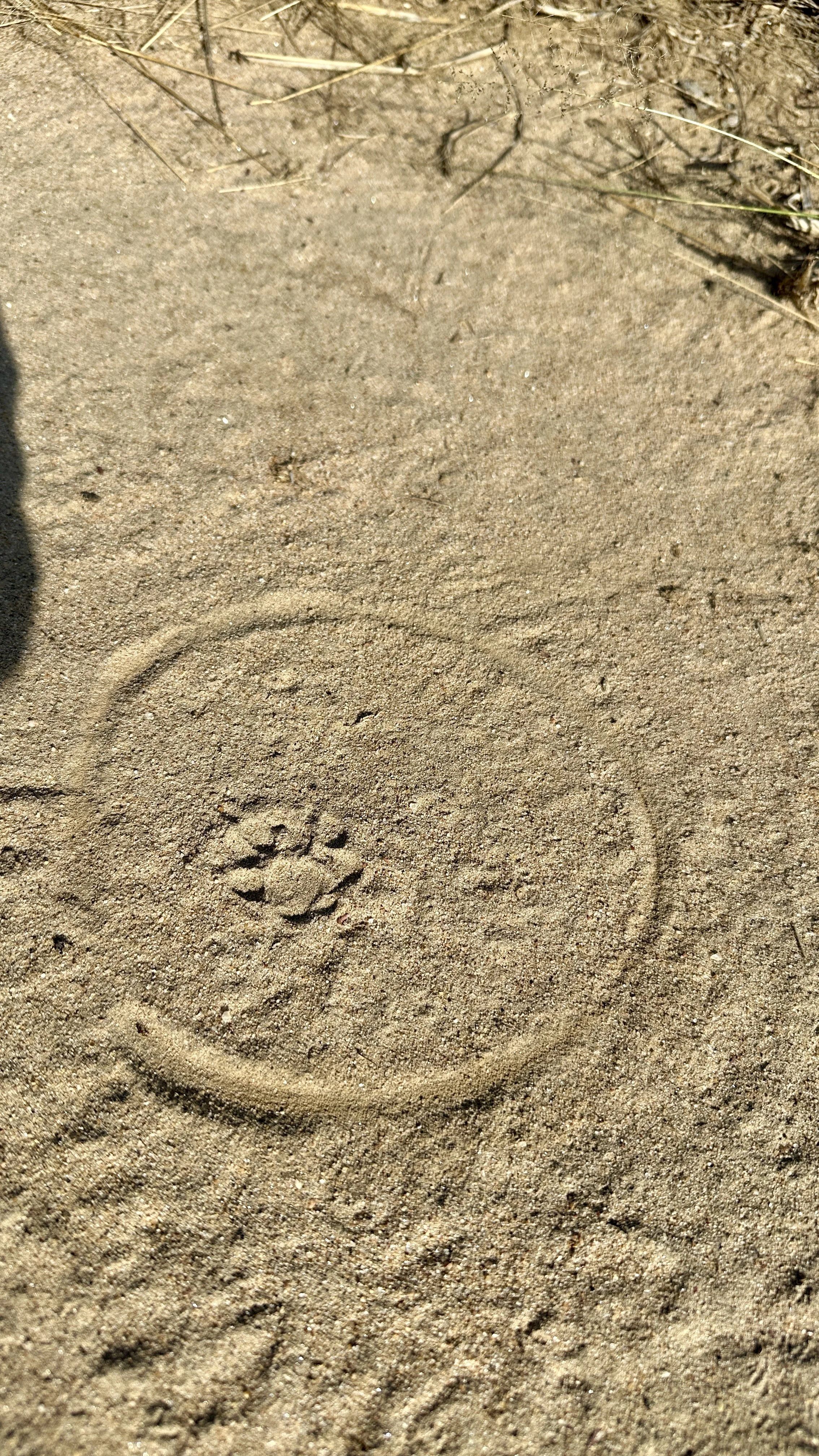
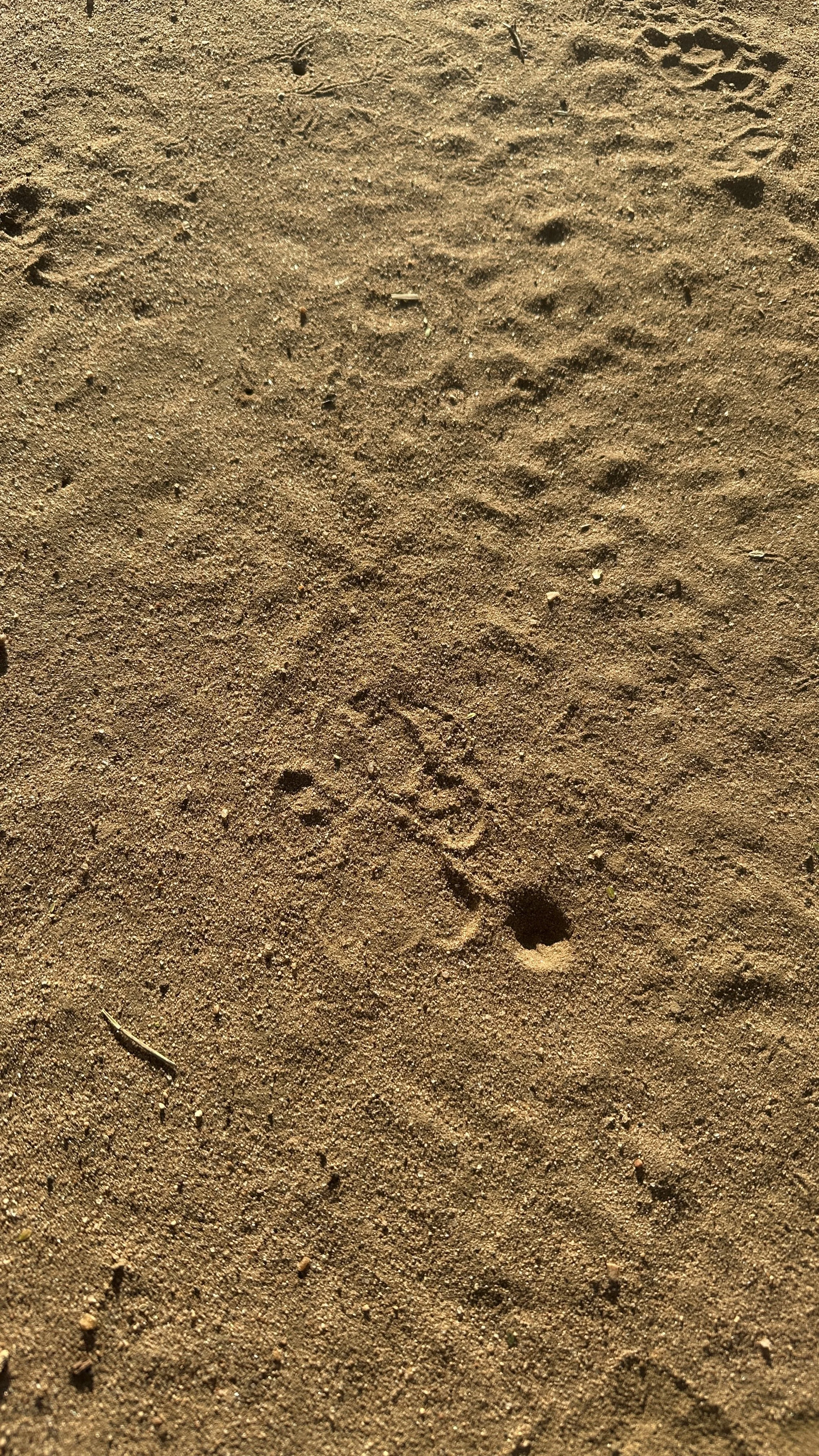
More than anything, it was a reminder that the bush reveals itself differently on foot. You notice smaller details, you move more slowly, and the landscape begins to read differently.
We ended the walk at a waterhole near the mopane forest, where coffee and breakfast treats were waiting for us while elephants moved past in the distance. It was a very fitting way to close the stay.
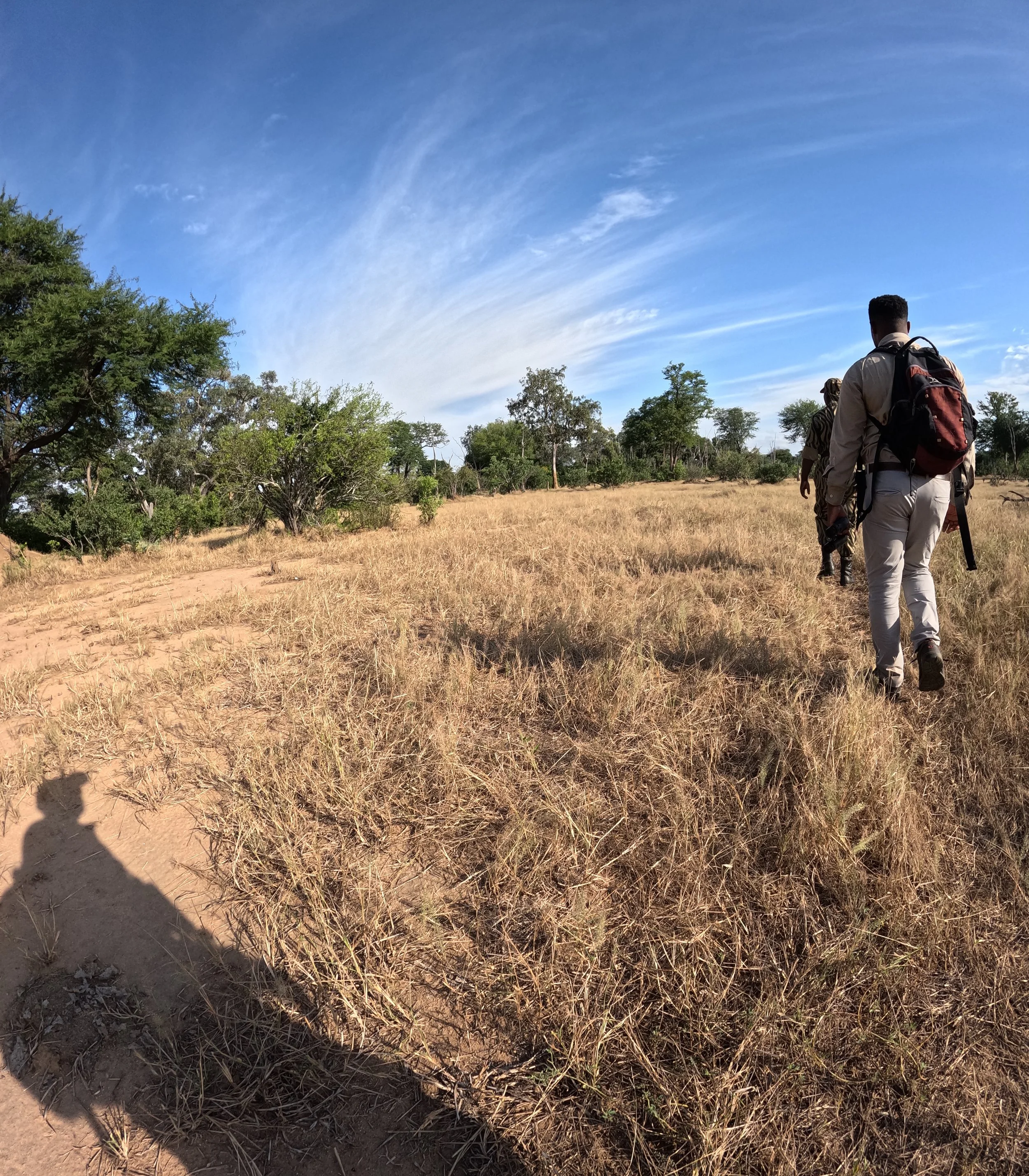
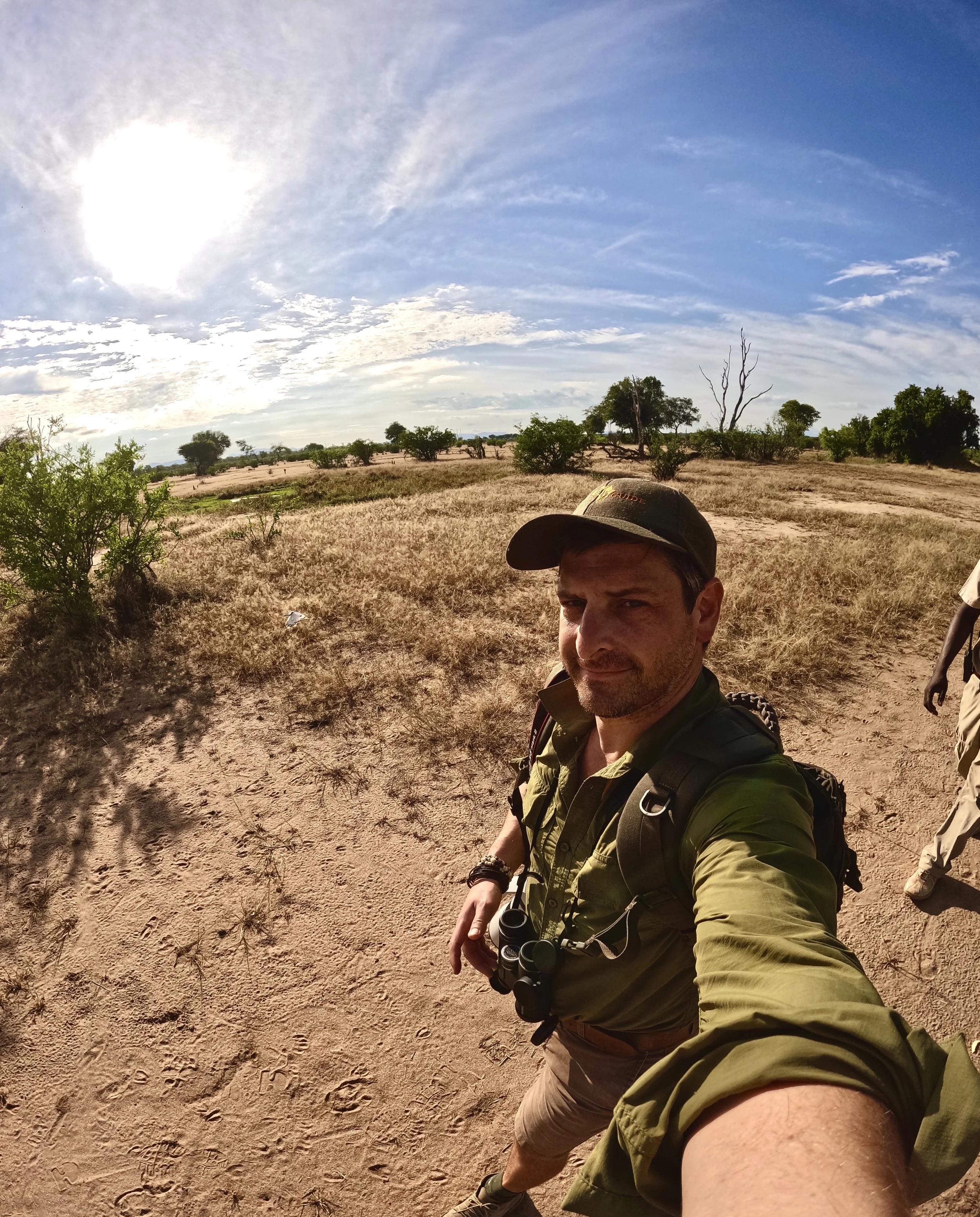
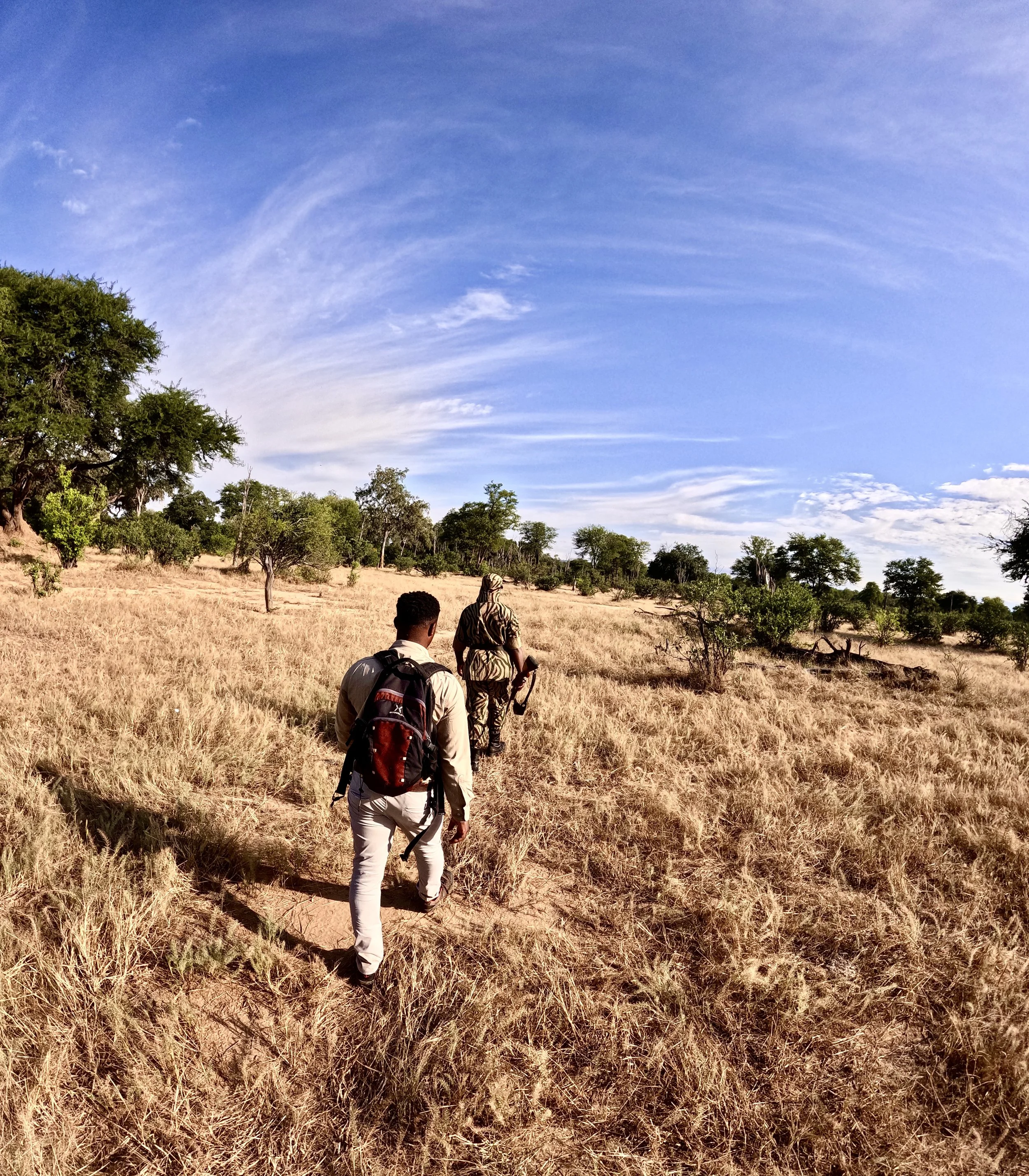
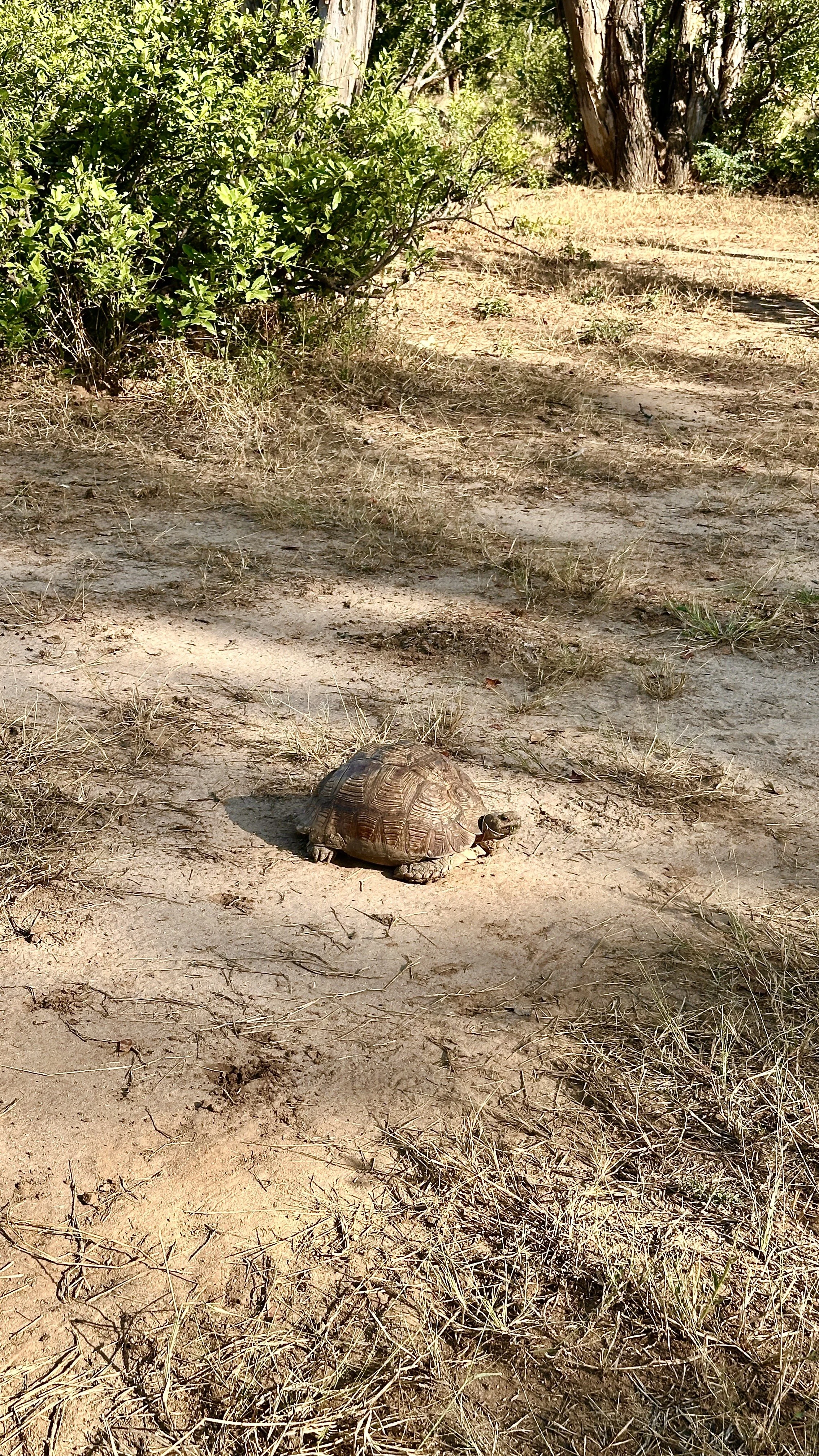
The walk itself was cautious, but that owed everything to the season. The vegetation was still thick and green, and going deeper into dense cover would simply have been unwise. If anything, it reinforced one of the most useful lessons of the trip: how much seasonality shapes the Lower Zambezi experience.
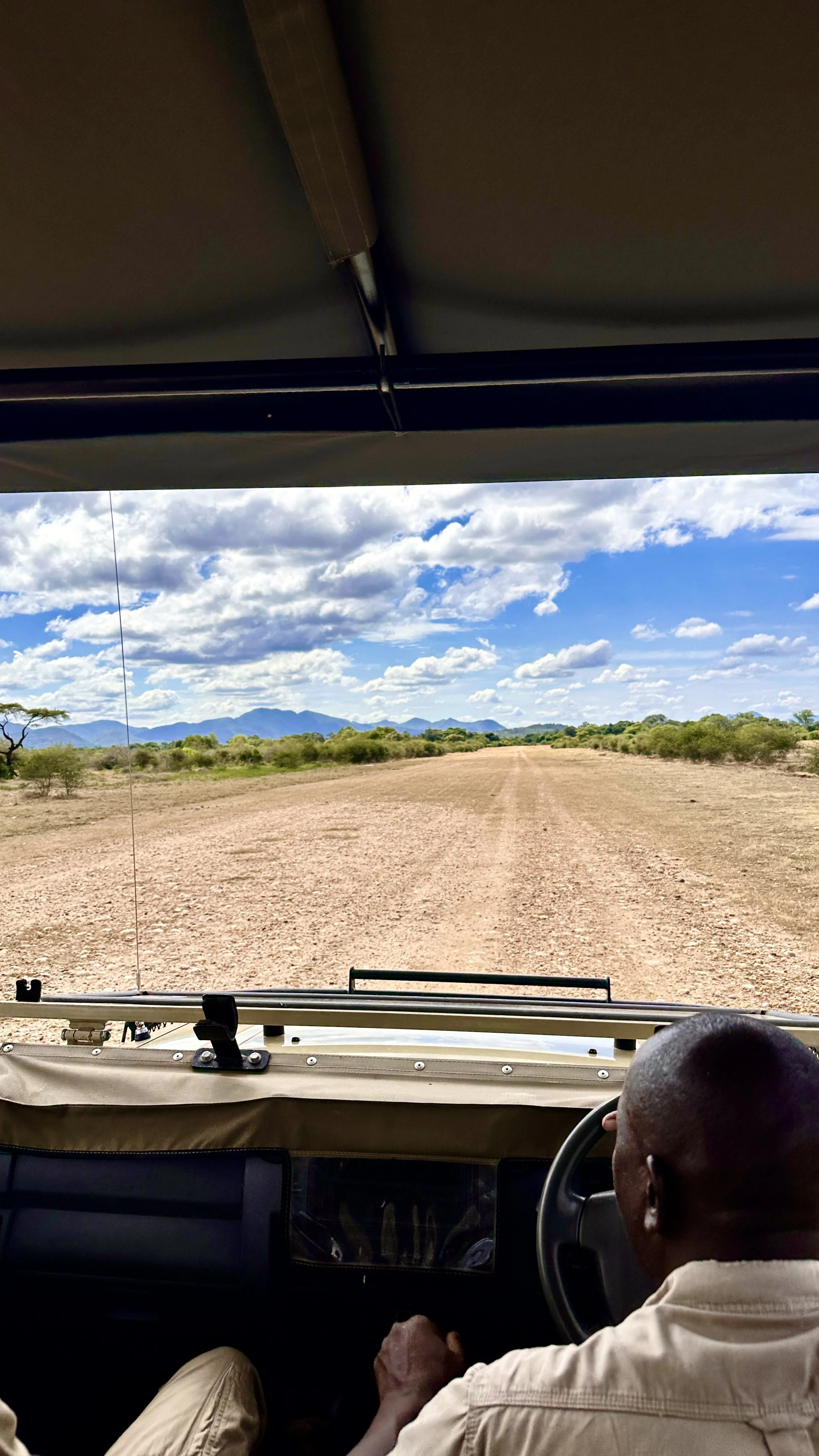
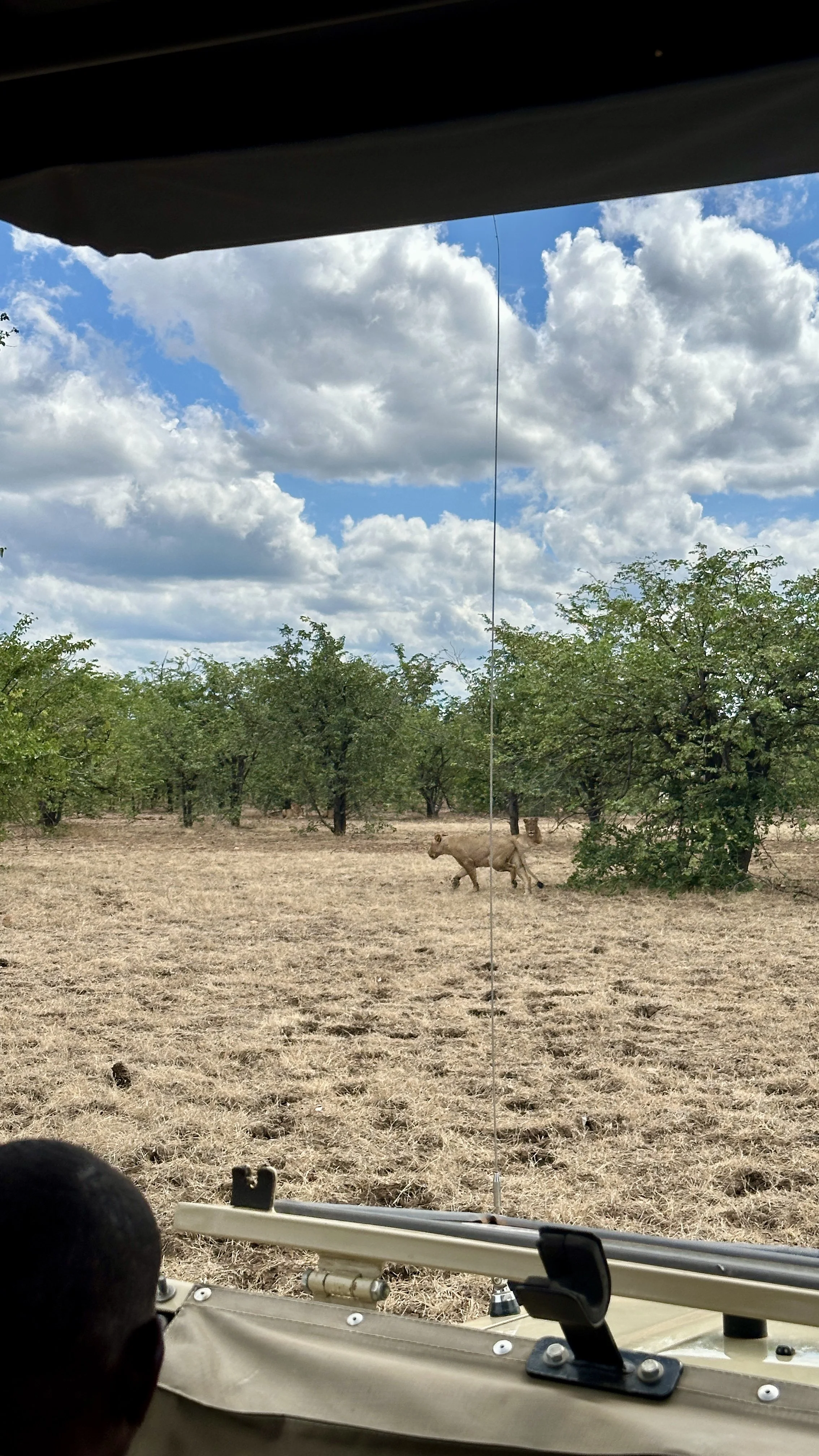
Then, on the way to the airport, the trip ended with lions moving through the mopanes in the direction of camp. We had been on their tracks for the last few days without managing to find them, so it felt like an appropriate final sighting.
Start of Season
I visited right at the start of the season, and that shaped the trip in obvious ways.
For one of the nights, I was the only guest in camp. There was something unusual about that, and at times it made the whole stay feel deeply private. At the same time, it also highlighted how much the atmosphere of safari camps is influenced by season and occupancy.
More importantly, April offers a very different Lower Zambezi to the one guests will find later in the year. The bush is lush, green and visually striking, but later in the dry season the experience changes significantly. Vegetation thins, inland water retreats, and wildlife often concentrates more around the river (large elephant herds move daily between the mopane forests and the river). That usually sharpens predator viewing and alters the feel of both walking and driving.
For me, April’s great strength was the look and feel of the landscape. The winterthorn forest in those conditions was one of the most distinctive features of the whole trip. But for future guests, it is useful to understand how much the season shapes the experience.
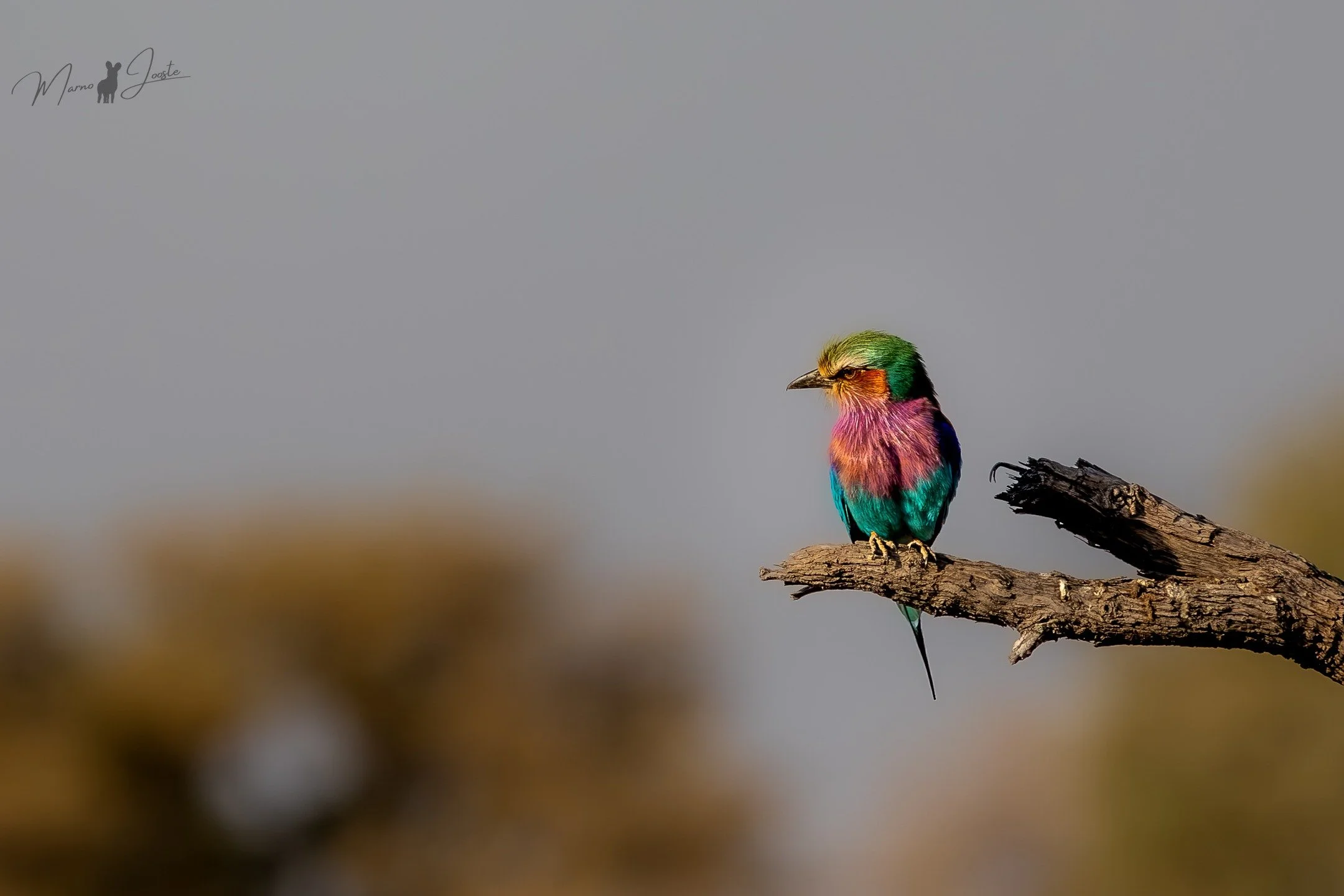
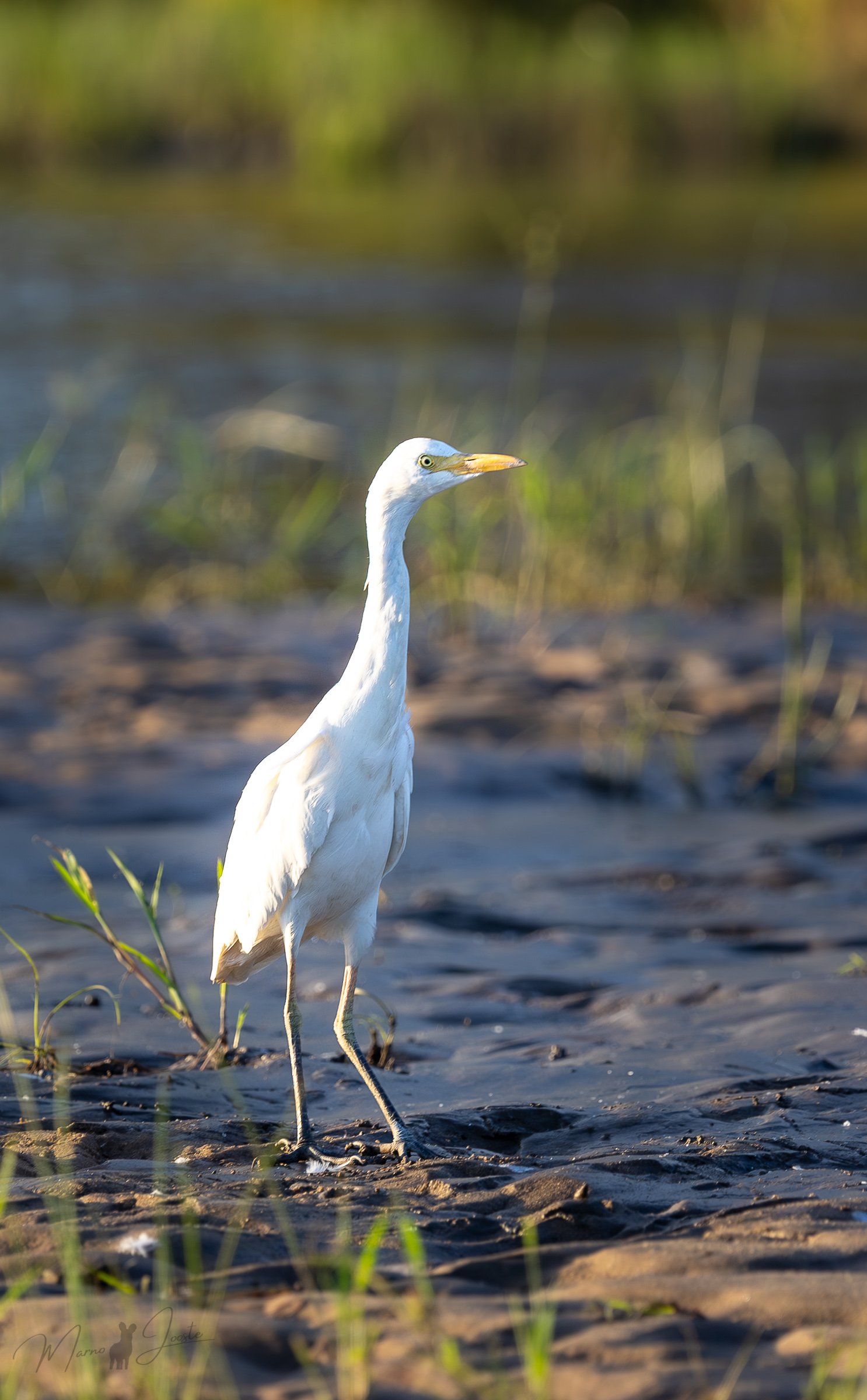
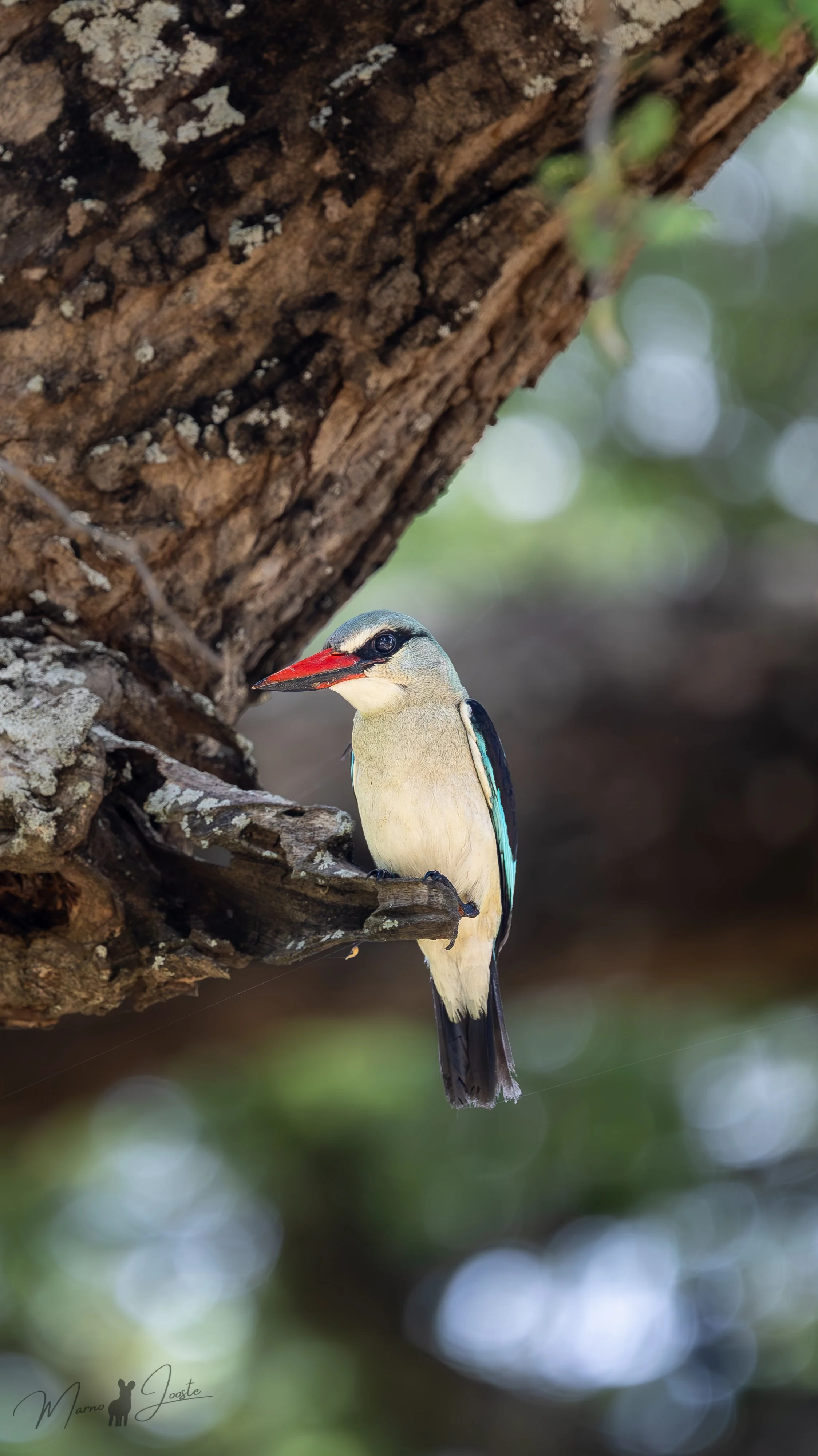
Birdlife is also excellent here. Even without making a particular effort to focus on birding, I still recorded more than 50 species over the course of the stay.
Why the Lower Zambezi Stayed With Me
What stayed with me most about the Lower Zambezi was not simply one sighting, although the morning with the leopard was certainly a highlight. It was the way the trip came together as a whole.
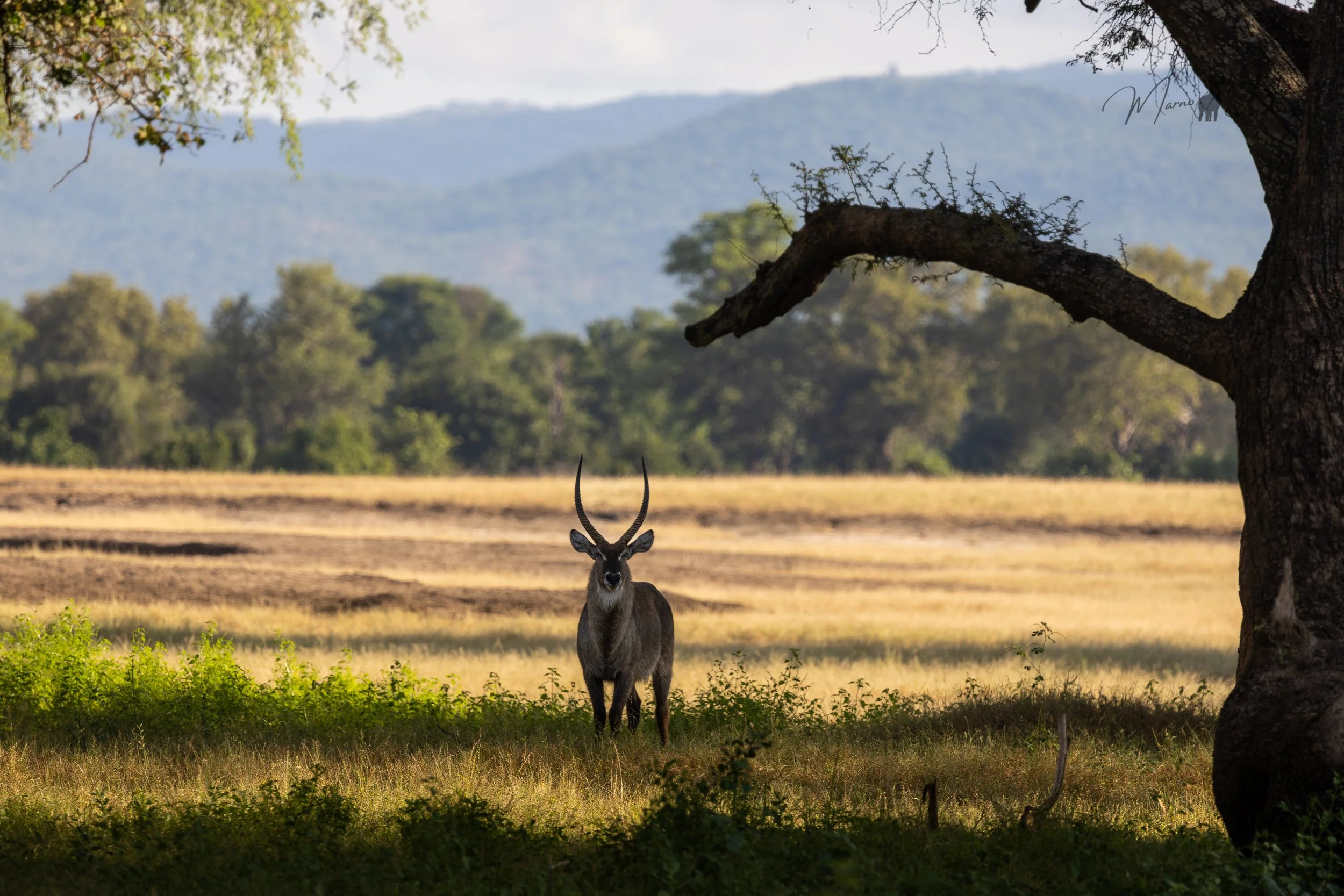
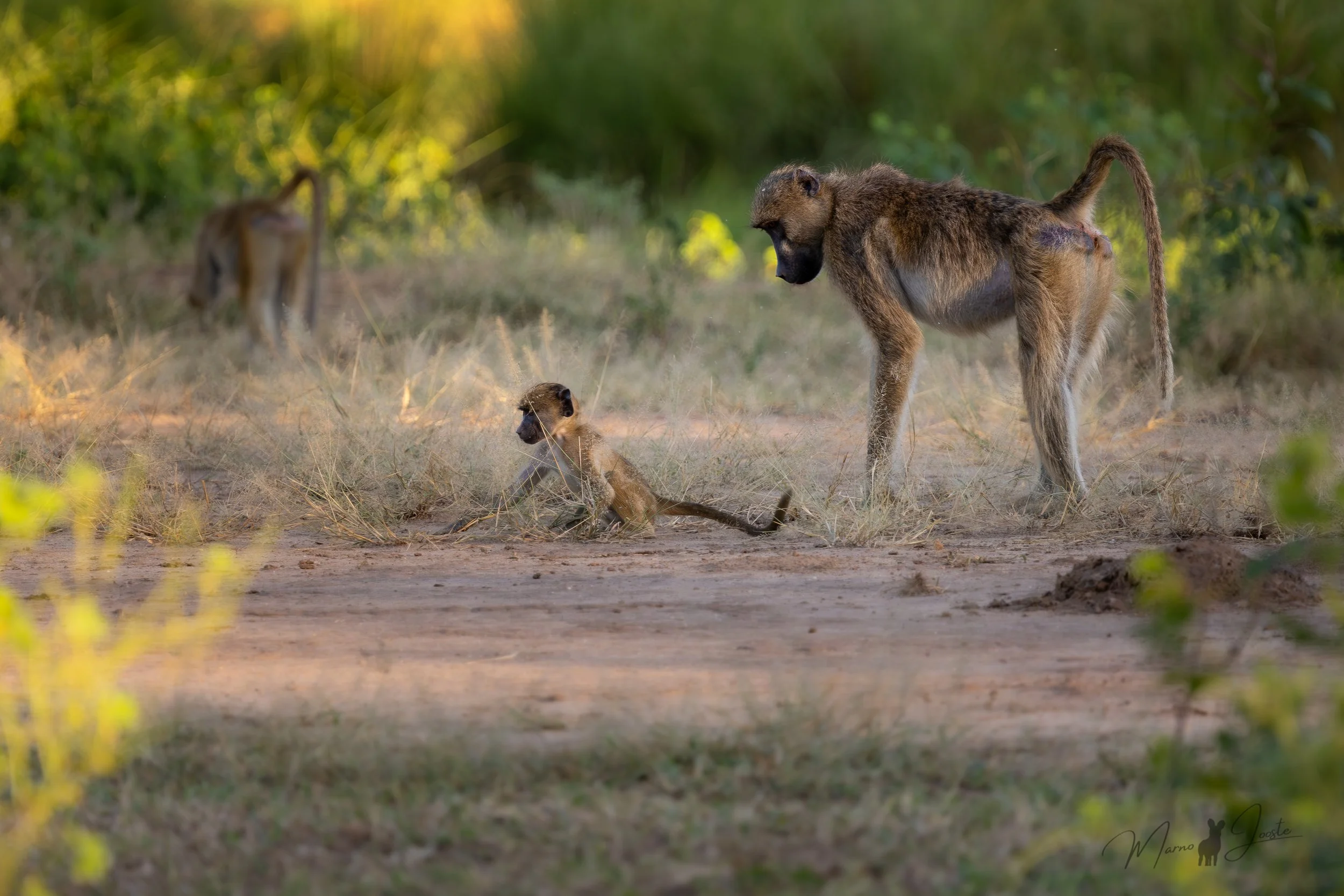
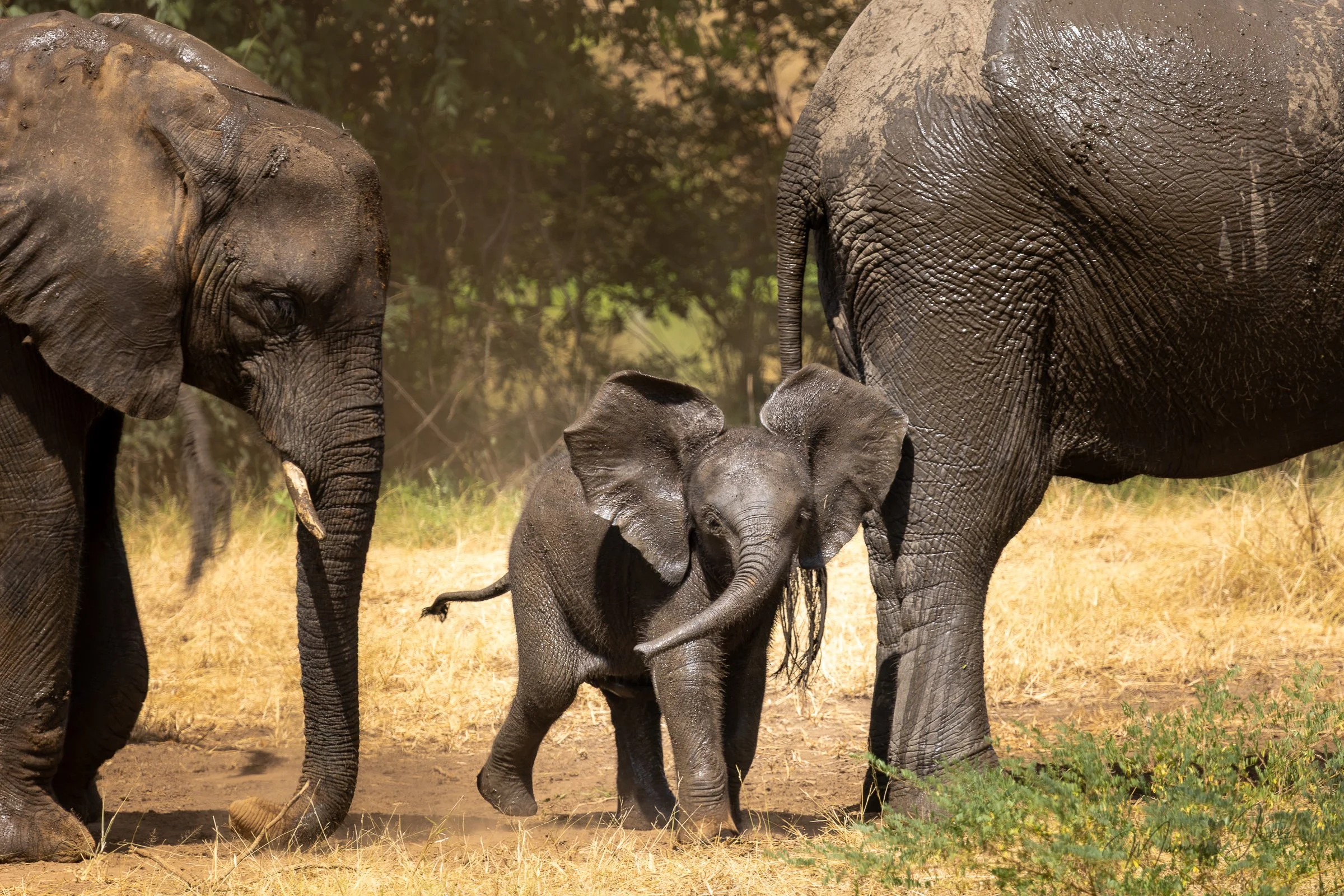
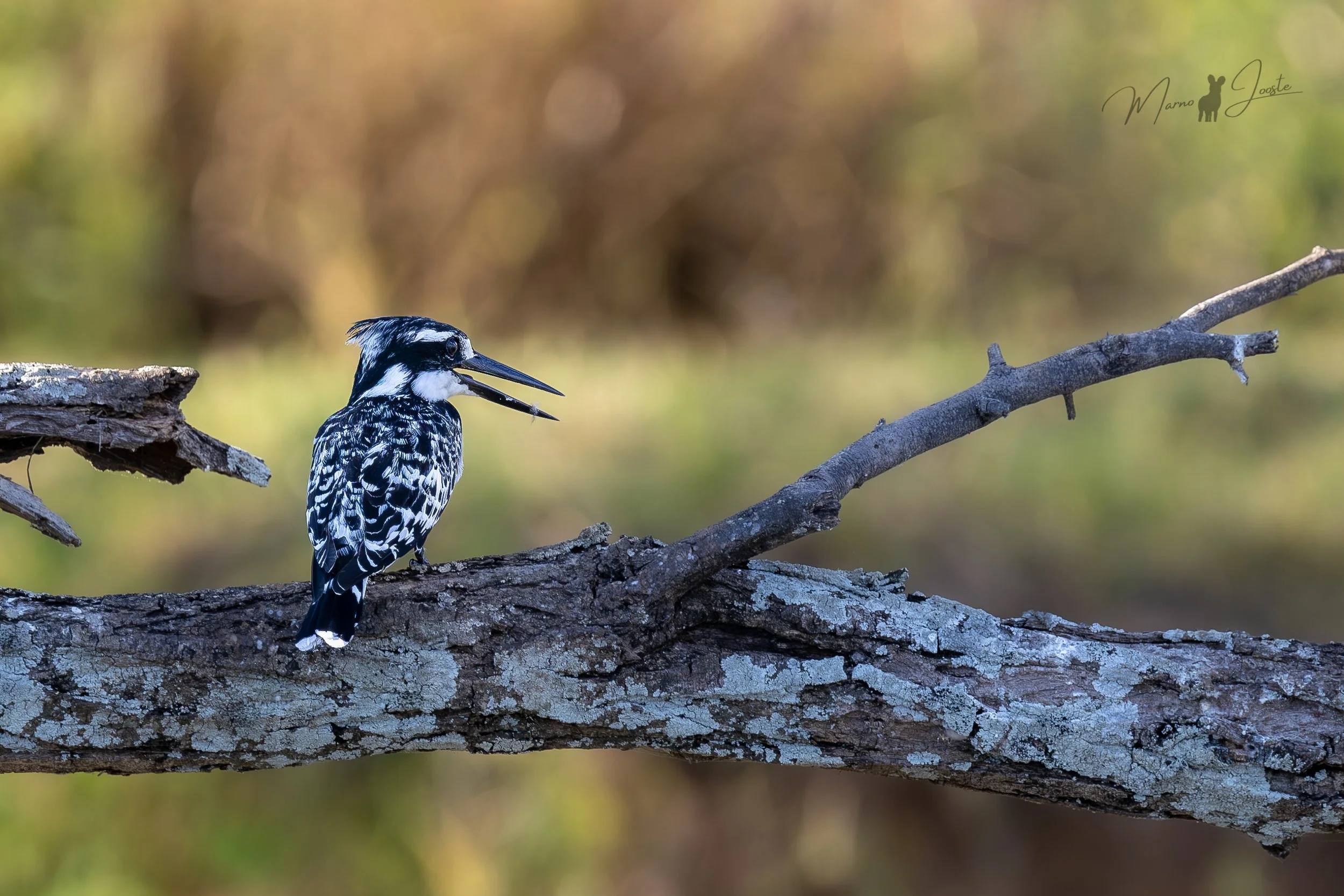
The winterthorn forest, the river, the green season conditions, elephant herds moving through the valley, the shift from boat to night drive, and the slower pace of the final morning on foot all contributed to that.
By the time I left, with lions appearing on the road to the airstrip as a final flourish, I knew I had found somewhere I would be genuinely excited to return to with future WildLens guests.
From a WildLens Adventures perspective, the Lower Zambezi works particularly well as part of a carefully designed Zambia itinerary. It offers a different rhythm to South Luangwa: more river-based variety, a softer and more scenic landscape, and excellent opportunities for photography in the winterthorn forests.
I would recommend the Lower Zambezi for guests who want variety in their safari days. This is not only a game drive destination. The combination of river, forest, floodplain and escarpment gives it a broader rhythm, especially for travellers who enjoy photography, elephants, birds, boating and slower moments in the landscape. It would suit couples, small private groups and guests who have already experienced a more traditional drive-focused safari and want something with a different character.
If the Lower Zambezi has been on your list, I would encourage you to think of it not simply as an extension to something else, but as a destination with a character entirely its own, and one that deserves to be experienced on its own terms.
Follow @marno_jooste for more content from the bush.