Liwonde National Park: Beyond the Shire
Wildlife, people and conservation in Malawi’s remarkable Liwonde National Park
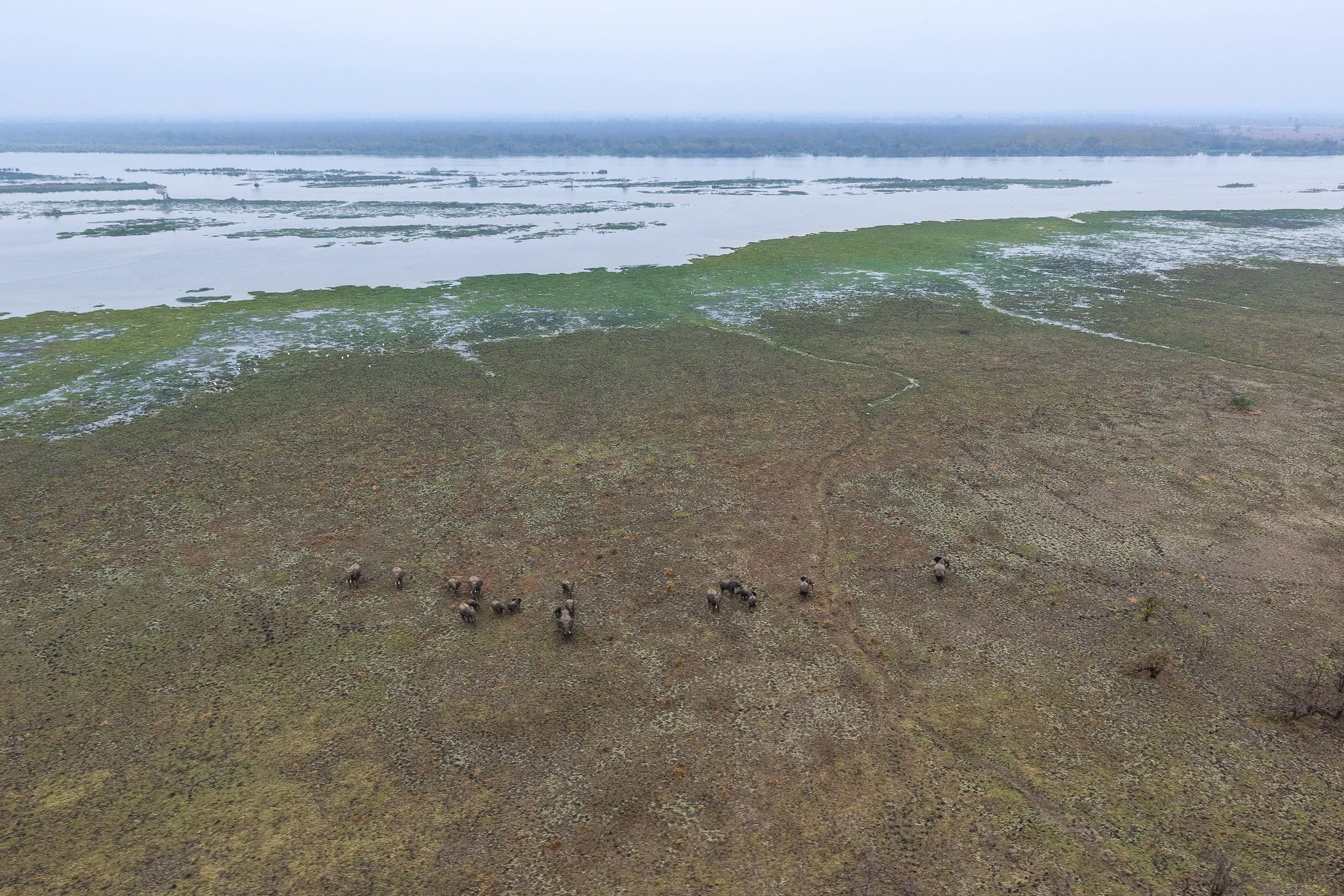
Elephants crossing the vast floodplains of the Shire River, with the mountains of southern Malawi providing a spectacular backdrop. © Justin Sullivan.
I travelled to Malawi in September for a very different reason from most of my previous trips into the African bush. Rather than staying at a safari lodge and spending my days on game drives or hosting guests, I was heading to Liwonde National Park to spend a week alongside African Parks and a team of wildlife professionals during a period of conservation and veterinary work.
The details of that work, and particularly the extraordinary people involved, deserve a story of their own. This is about the place I discovered around it.
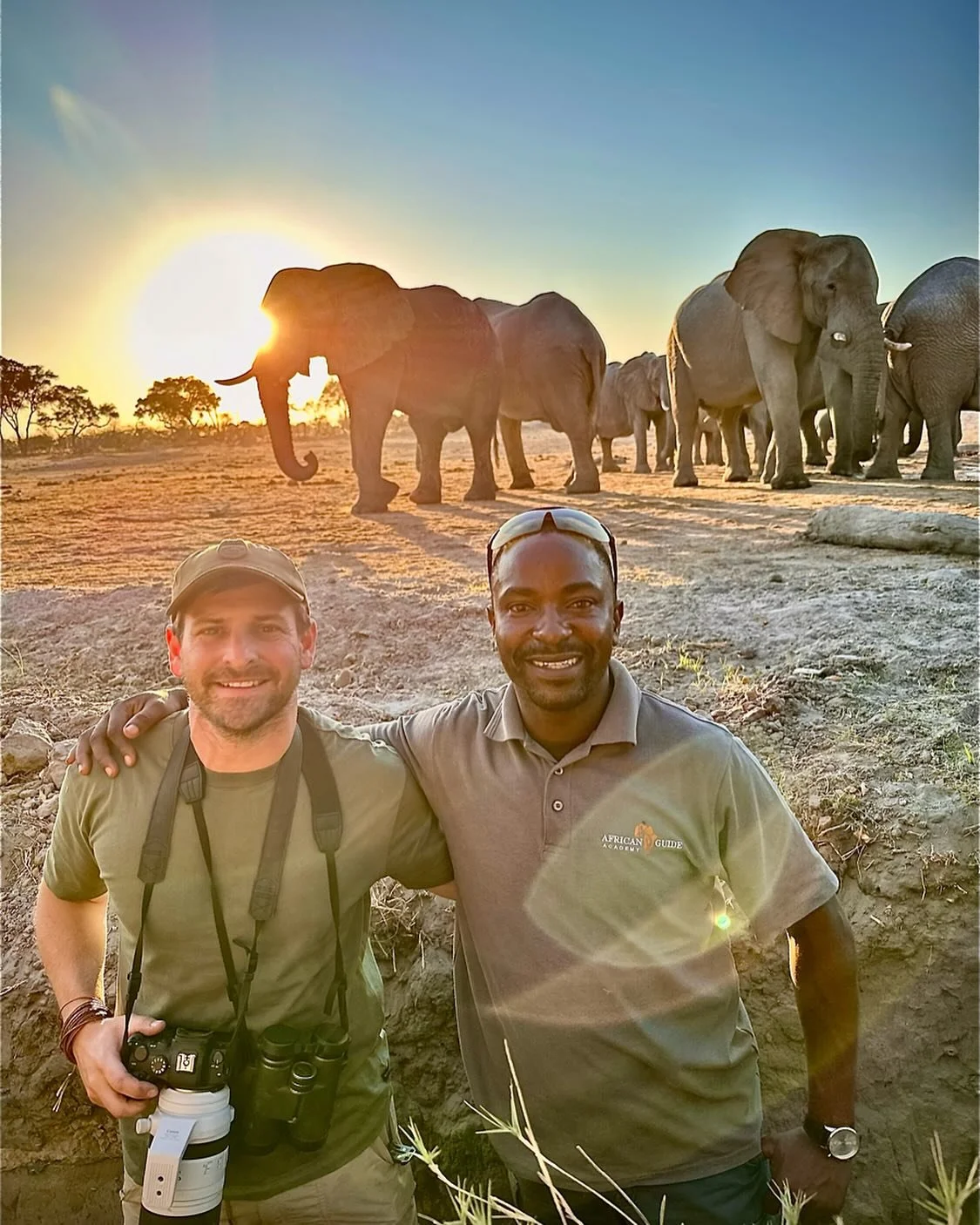
For most of my time in Africa, I have experienced protected areas from the safari side: first as a traveller and photographer, later through completing my FGASA training, guiding and eventually hosting safaris through WildLens. Spending a week living inside Liwonde, travelling through the park for different reasons and spending time with people who know the landscape intimately gave me a different perspective.
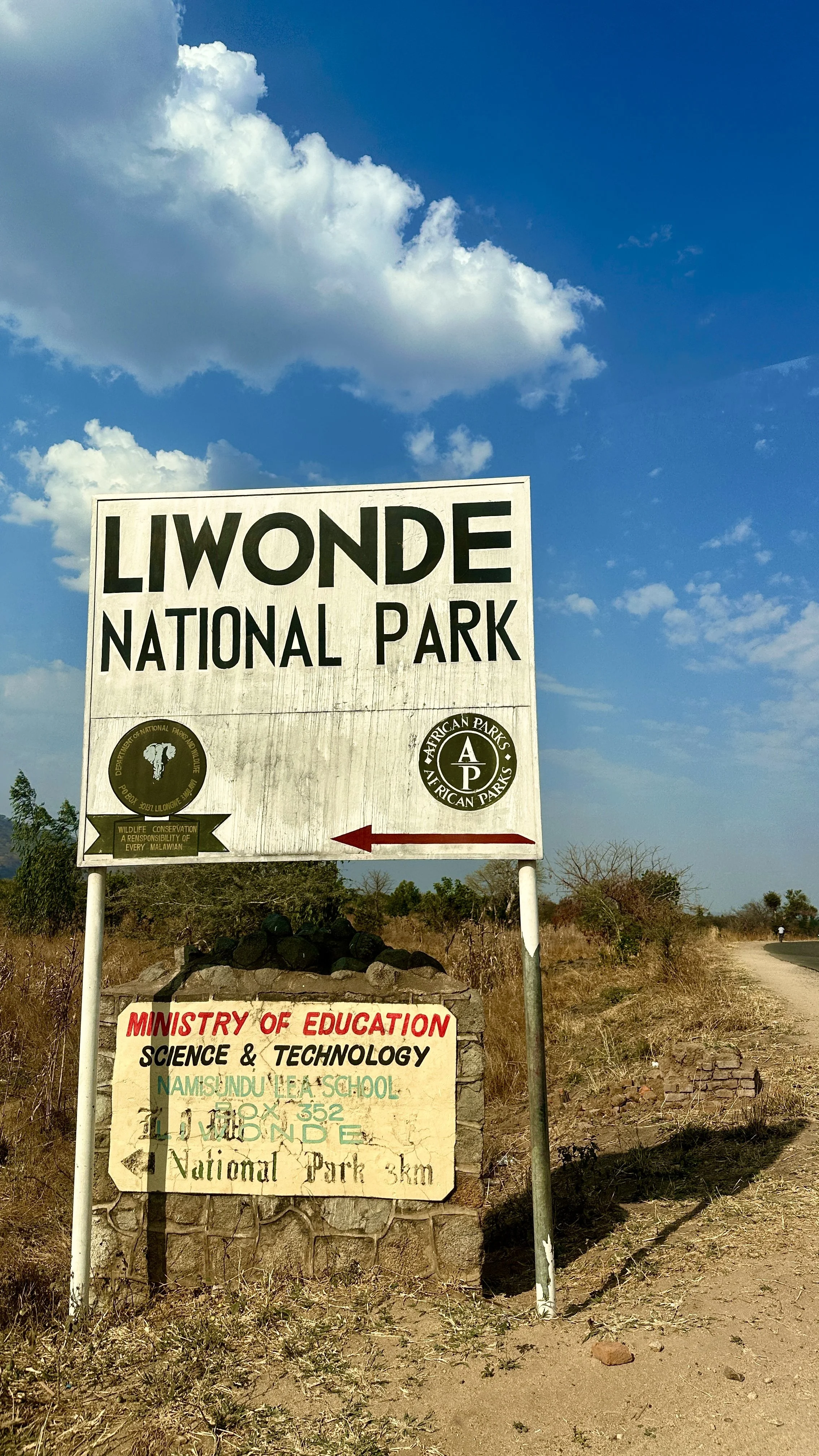
Liwonde is a beautiful park. The Shire River, its wildlife and extraordinary birdlife make that immediately apparent. But as the week progressed, I became increasingly interested in everything surrounding them: the country in which the park exists, the communities beyond its boundaries and the constant work required to maintain a recovering ecosystem.
To understand Liwonde properly, it therefore helps to start outside the park.
Liwonde National Park at a glance
Country: Malawi, in south-eastern Africa.
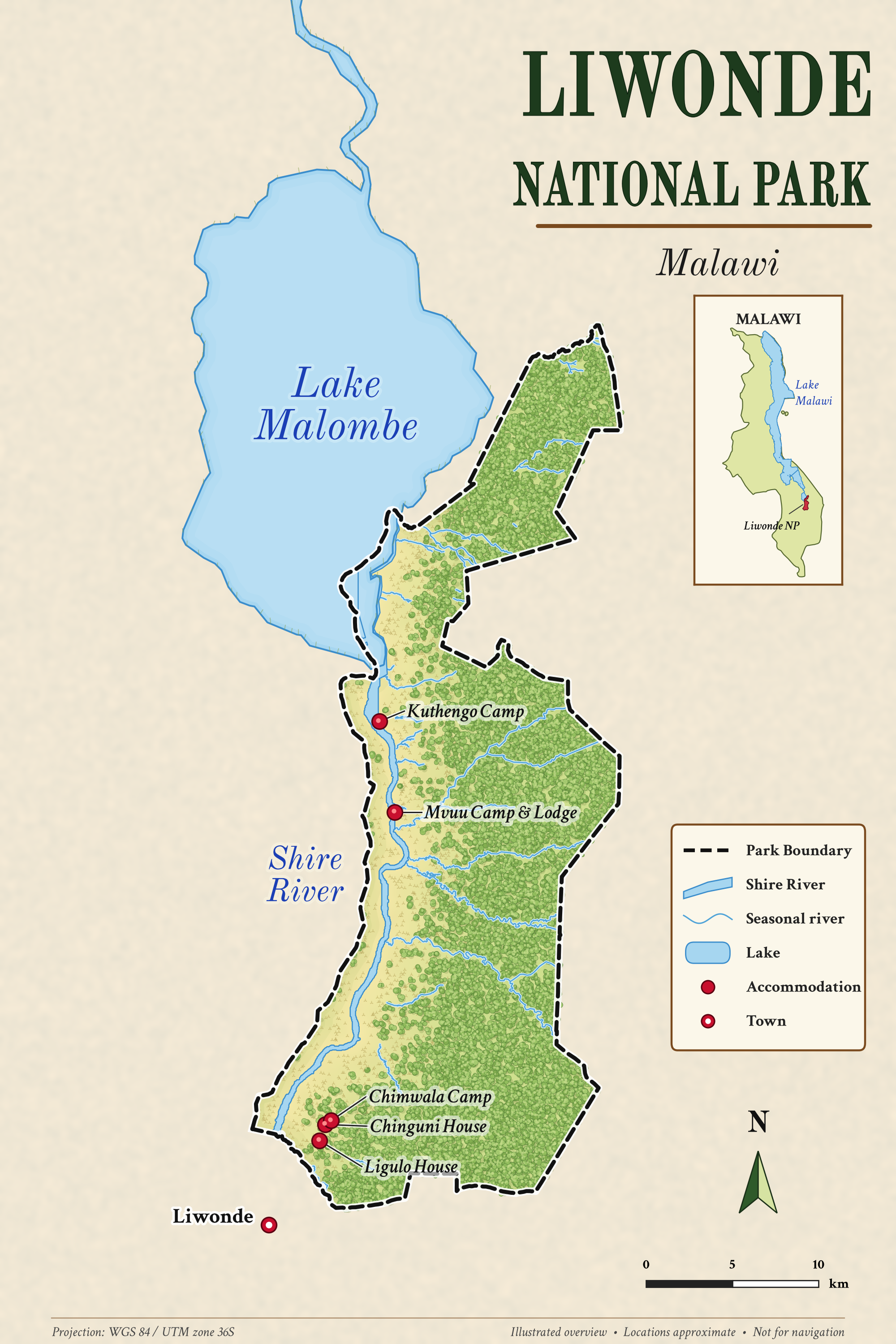
Location: Southern Malawi, along the Shire River, just south of Lake Malombe.
Established: 1973.
Size: Approximately 548 km².
Management: African Parks, in partnership with Malawi’s Department of National Parks and Wildlife, since 2015.
Nearest international airport: Chileka International Airport (BLZ), serving Blantyre.
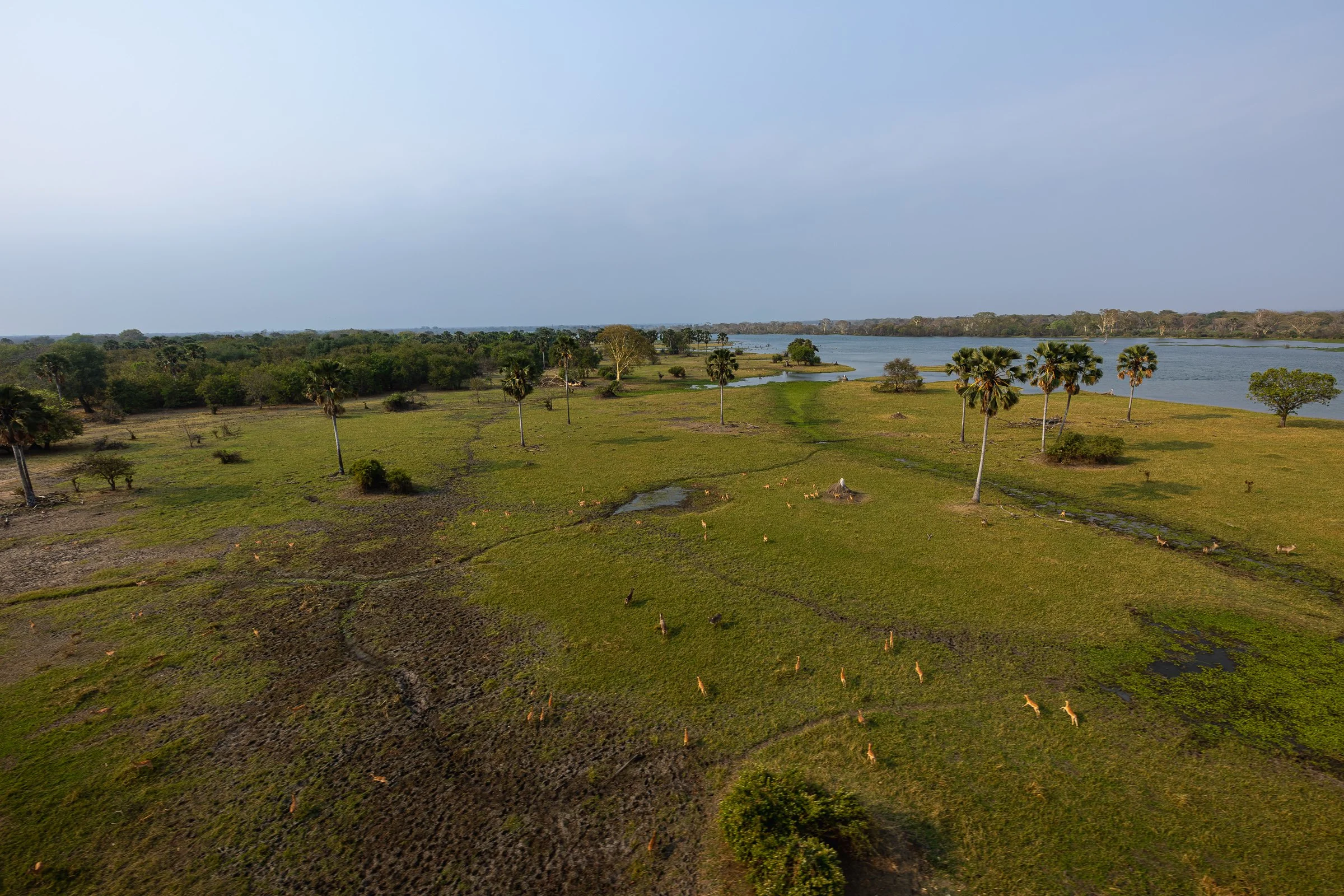
Landscape: River channels, wetlands, open floodplains and woodland.
Wildlife highlights: Elephants, buffalo, hippos, crocodiles, black rhino, lions, cheetahs and more than 400 recorded bird species.
Malawi: Conservation in Context
Malawi is known as the Warm Heart of Africa, and from my experience the description is fitting. Everyone I encountered was incredibly friendly and welcoming. Whether travelling through towns, stopping along the road or meeting various people in Liwonde, there was a warmth and openness that made an immediate impression on me.
Behind that warmth, however, is a country facing enormous economic and developmental challenges. Malawi has a population of more than 21 million and remains one of the poorest countries in the world. The World Bank estimated that around 76% of Malawians lived below the international poverty line of $3 a day in 2024, while agriculture remains central to livelihoods across the country. Population growth, food insecurity and inflation place further pressure on already stretched household incomes.
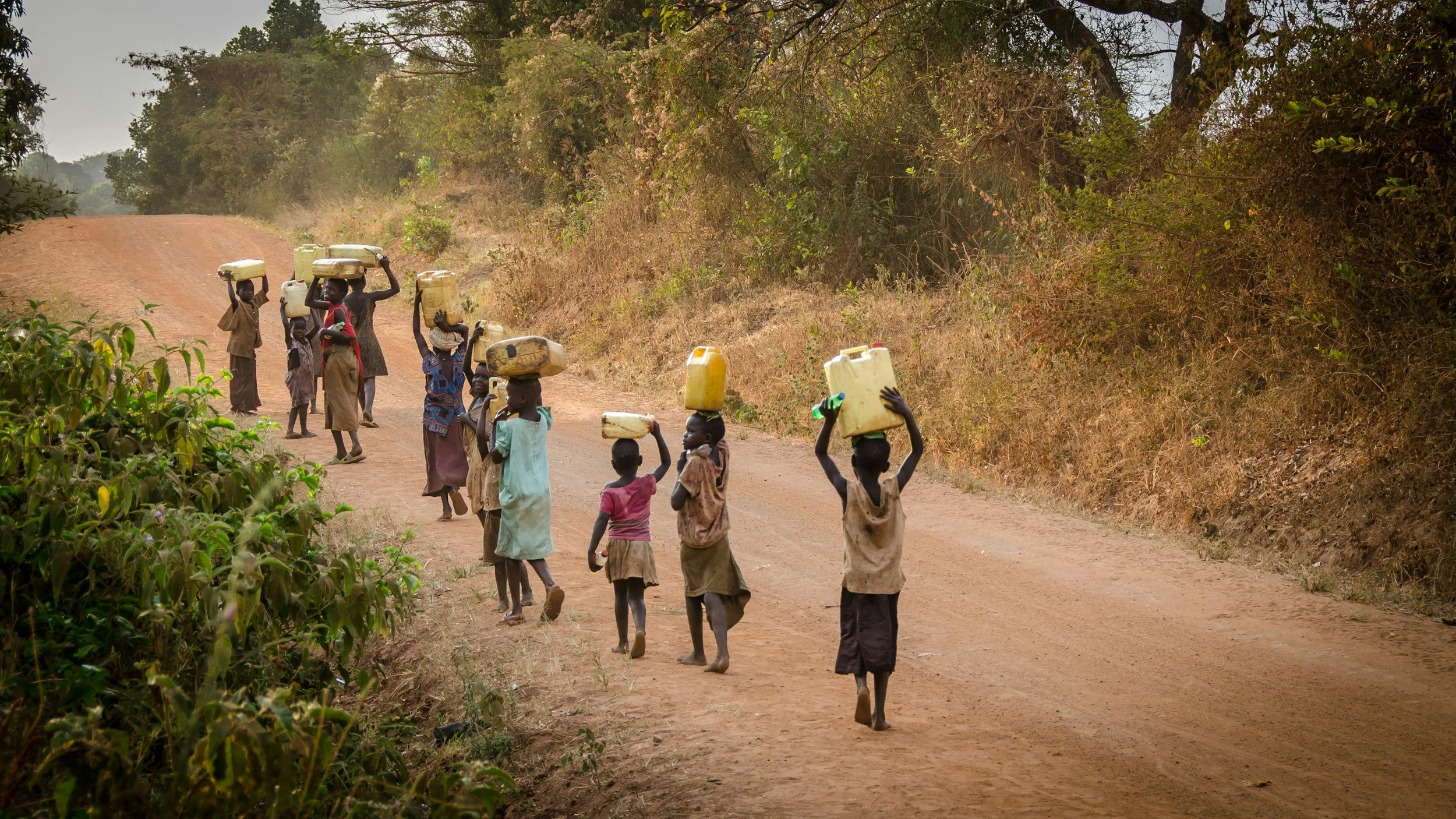
Access to water and essential infrastructure remains an important development challenge in many rural communities across Africa. Illustrative stock photograph.
Those statistics can feel abstract when read from London. Travelling through Malawi gives them a different context. Small villages, agricultural plots and roadside markets form part of the landscape, reinforcing how directly many people’s livelihoods remain connected to the land.
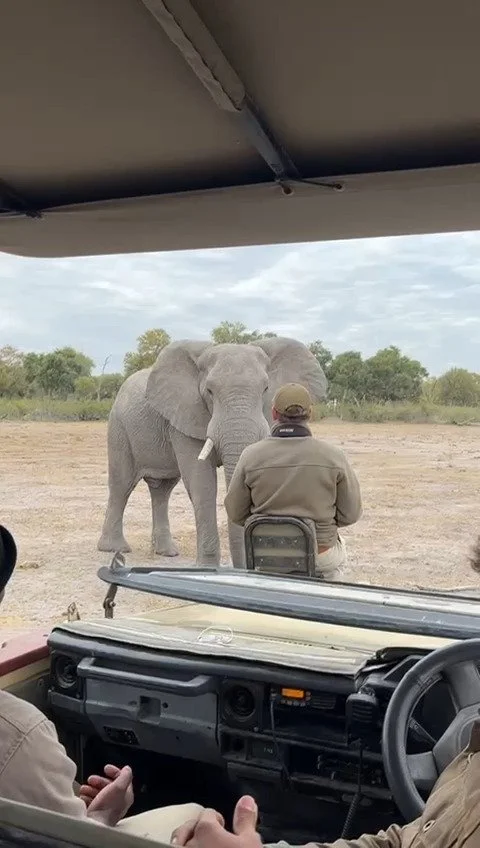
That becomes particularly important around protected areas such as Liwonde. For those of us fortunate enough to visit Africa on safari, an elephant emerging from the bush is an extraordinary privilege. For a farmer whose family depends on a relatively small area of crops, that same elephant entering a field can destroy months of work in a single night. Human–wildlife conflict looks very different depending on which side of the encounter you happen to be standing.
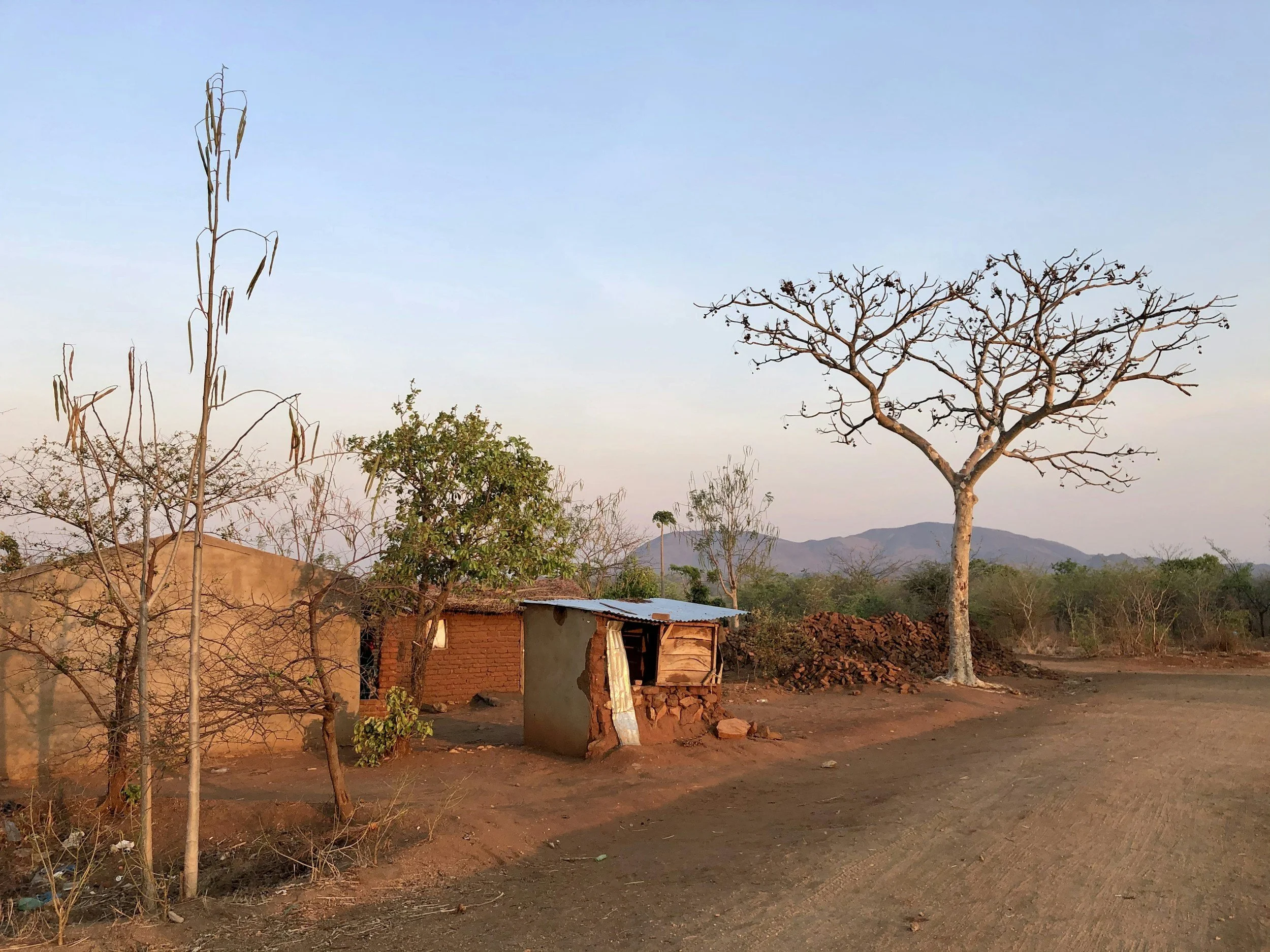
Housing and infrastructure challenges form part of Malawi’s wider development context, highlighting the competing social and economic priorities surrounding conservation. Illustrative stock photograph.
The same complexity applies to poaching. Organised wildlife crime undoubtedly exists, but poverty, food insecurity, limited economic opportunities and dependence on natural resources can also create pressure on protected areas. During our week we were shown equipment confiscated through anti-poaching work: snares, gin traps, knives, pangas and extraordinarily crude homemade firearms fashioned from materials as basic as water pipes. The contrast with the helicopters, telemetry equipment and sophisticated wildlife monitoring technology elsewhere in the park was striking. At one end was modern conservation technology; at the other, the threat to an animal could still be something as simple as a piece of wire.
Understanding that economic and social landscape doesn’t excuse illegal hunting. It does, however, help explain why successful conservation must combine wildlife protection with tangible benefits for neighbouring communities, supporting livelihoods and reducing the costs of living alongside wildlife. Ultimately, the future of places such as Liwonde is inseparable from the future of the people living alongside them.
Liwonde National Park
Liwonde National Park covers approximately 548 square kilometres in southern Malawi. It is not an enormous protected area by African standards. Unlike the vast wilderness areas of Botswana’s Okavango Delta or Zambia’s Luangwa Valley, Liwonde’s relatively compact landscape brings its river, floodplains, woodland and wildlife into close proximity.
African Parks has managed Liwonde in partnership with Malawi’s Department of National Parks and Wildlife since 2015. The park had enormous ecological potential, but had also experienced significant pressures from poaching, human–wildlife conflict and years of underinvestment.
Elephants crossing Liwonde’s open floodplains beneath an enormous African sky - one of the landscapes that makes the park so memorable.
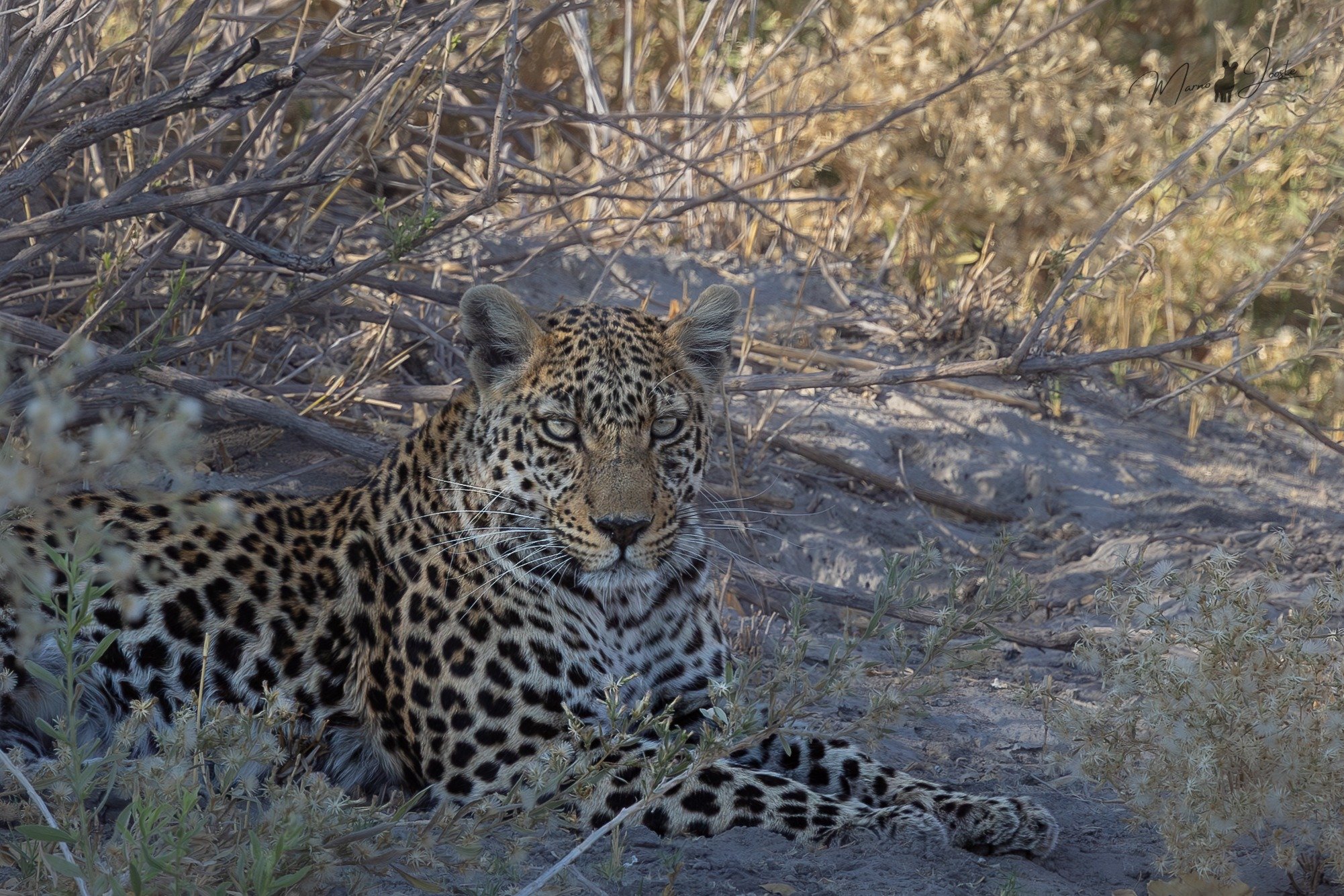
The transformation since then has been substantial. Law enforcement and wildlife monitoring have been strengthened, infrastructure and fencing improved, animals translocated and several species restored to the ecosystem. Alongside this work, the park team has worked with neighbouring communities to support livelihoods and strengthen the relationship between conservation and the people living around Liwonde. Black rhino, lion, cheetah and African wild dog all form part of Liwonde’s modern conservation story, alongside established populations of elephant, buffalo, hippo, crocodile and numerous antelope and smaller species.
The Shire River
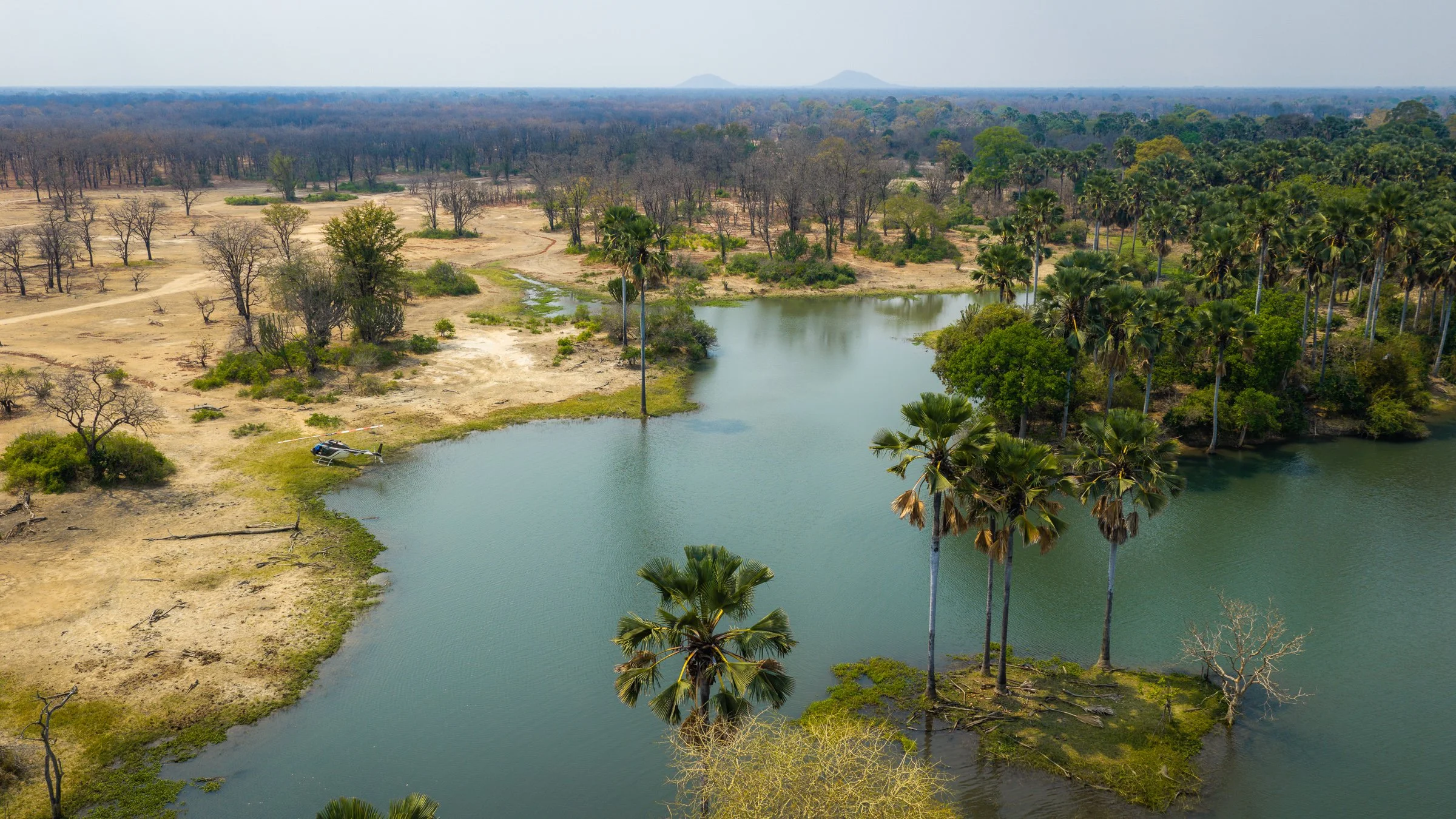
The Shire River runs through the western side of Liwonde and gives the park much of its character. Flowing south from Lake Malawi through Lake Malombe, it creates a corridor of water, floodplain and fertile habitat, with increasingly dense woodland farther inland.
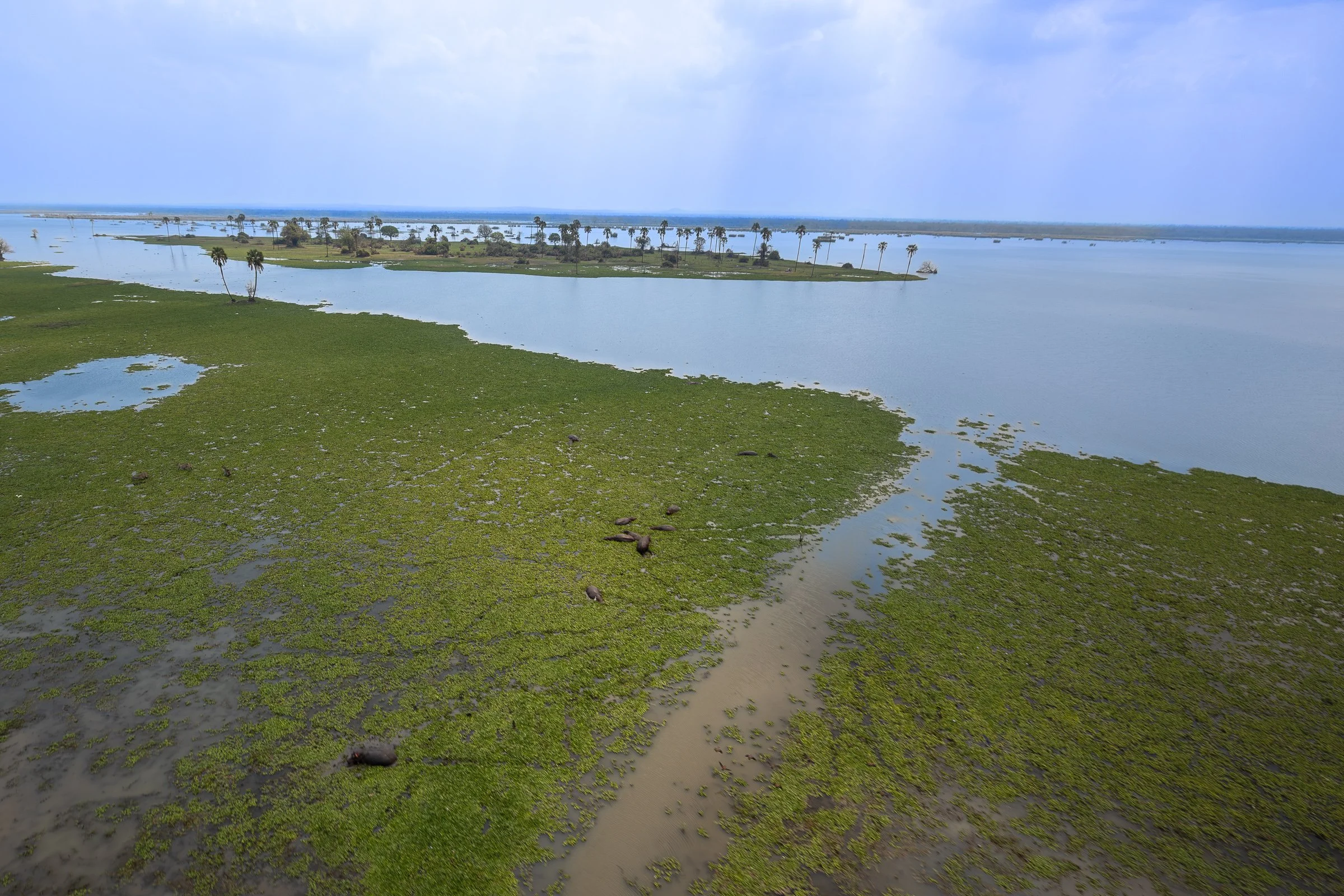
For a visitor, the river is perhaps Liwonde at its most spectacular. Hippos disappear beneath the surface, crocodiles line the banks, large buffalo herds occupy the floodplains and elephants emerge from the woodland towards the water. African fish eagles call overhead while waterbirds seem to occupy almost every available stretch of shoreline. For a photographer, the openness, changing light and combination of wildlife and water provide endless opportunities.
A large Nile crocodile photographed from above in the Shire River. The aerial perspective revealed a very different view of one of Liwonde’s most formidable residents. © Justin Sullivan.
But the Shire also demonstrates why a national park cannot be understood in isolation. Its waters support electricity generation, irrigation, fishing and everyday water supplies beyond Liwonde. Some households cultivate fertile land exposed as floodwaters recede, making the timing and duration of flooding particularly important to their livelihoods.
Managing this connected system involves difficult choices. Rainfall and inflows influence water levels across the wider catchment, while the Kamuzu Barrage regulates releases to meet different needs downstream. The environmental assessment for its upgrade warned that increased flooding could change wetland habitats within Liwonde, including important feeding areas for elephants and hippos, and recommended involving park management in decisions about its operation.
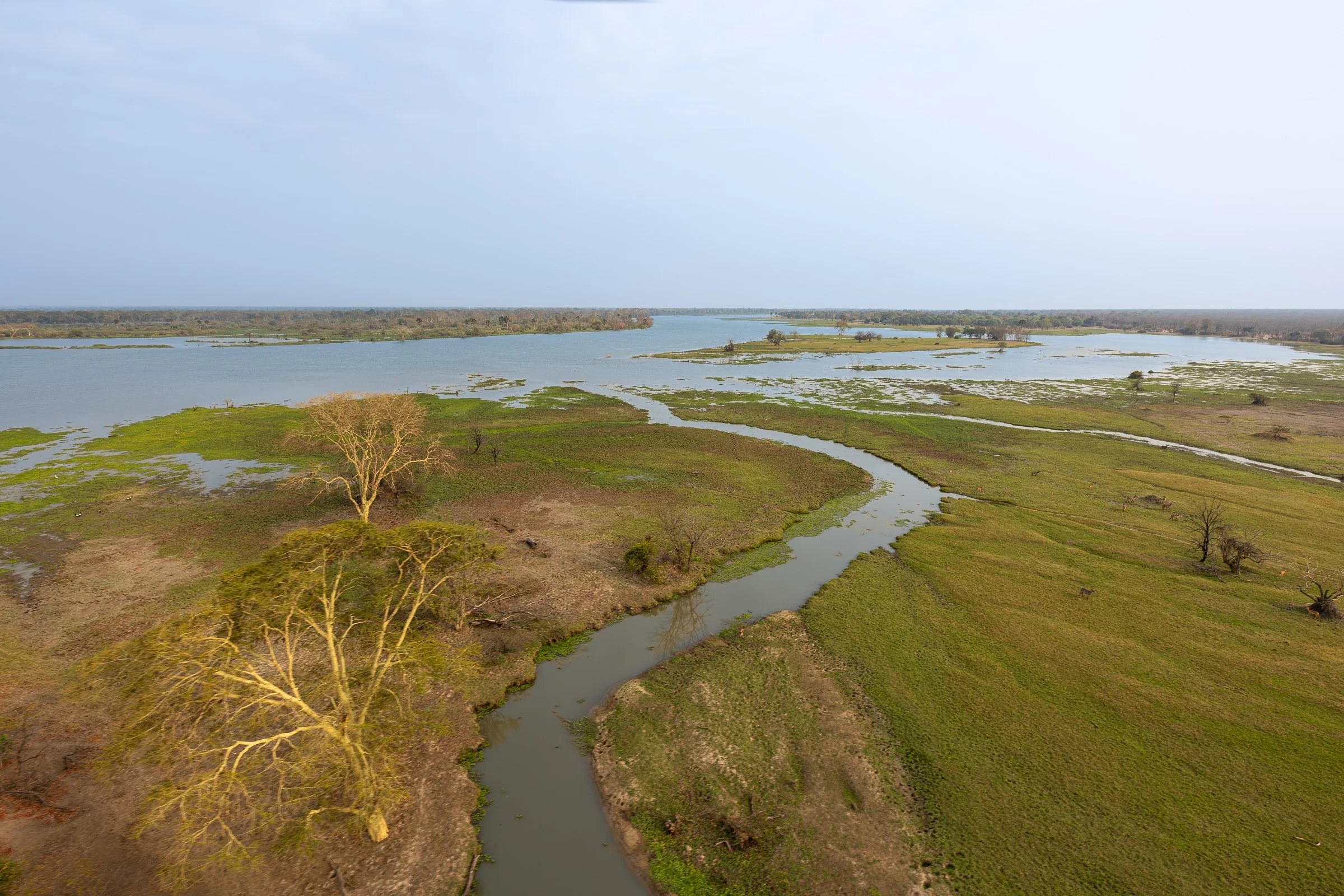
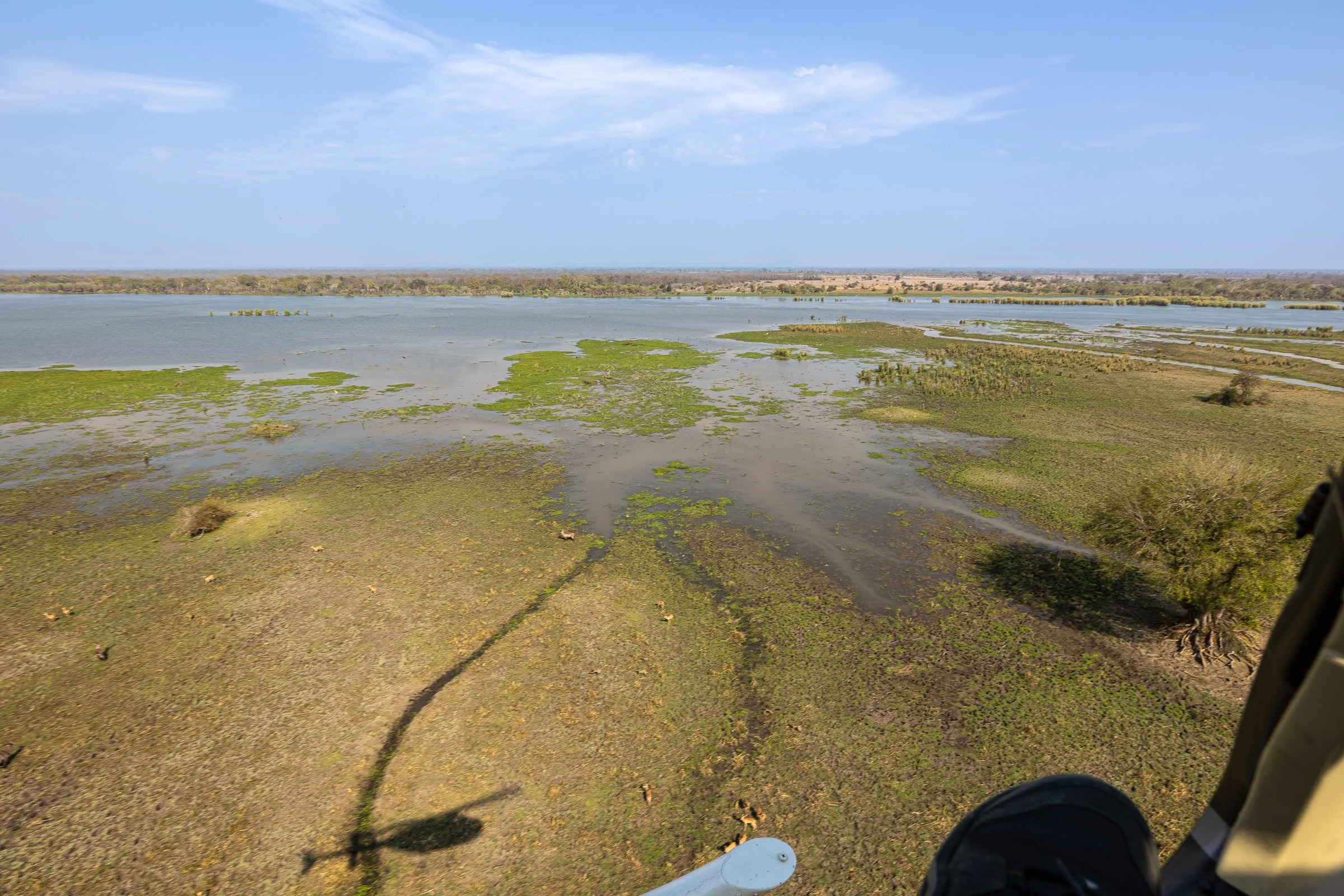
During our visit, those concerns felt very immediate. Extensive areas of floodplain remained underwater even in September, during the dry season. Seeing so much land submerged made me think about the grazing that would be unavailable to wildlife while those conditions persisted.
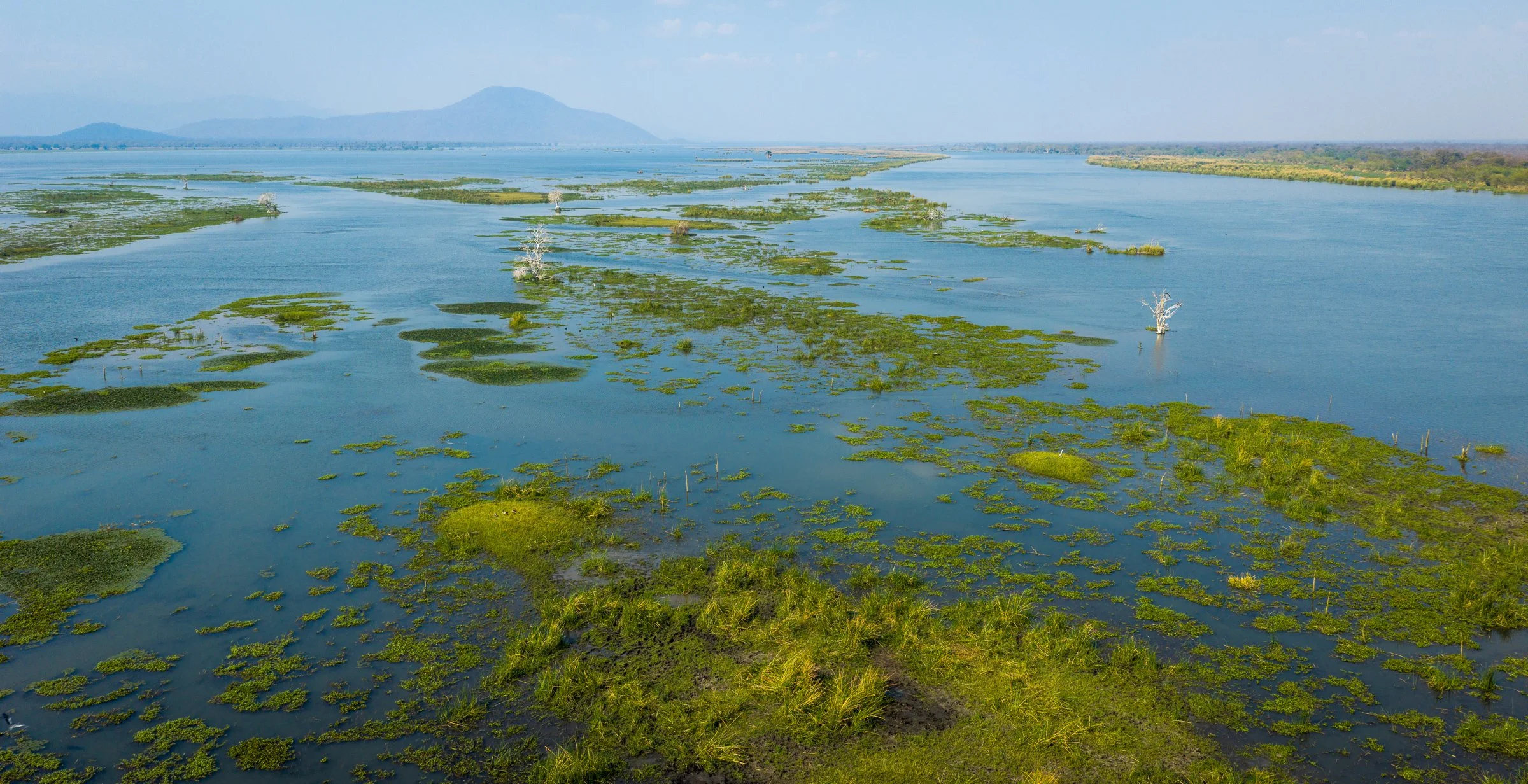
For animals such as waterbuck and hippos, which depend on access to grass, prolonged flooding could have serious consequences. Hippos spend much of their day in water, but still need to leave it to feed, while waterbuck rely heavily on grazing habitats near water. Looking across the flooded landscape, I found myself wondering how much feeding habitat had been lost and whether the remaining areas could sustain the animals depending on them. If grazing remained restricted for long enough, declining body condition and potentially significant wildlife losses seemed a very real risk. It was unsettling to consider that possibility in a landscape that, at first glance, looked so lush and abundant.
Birds skimming across the Shire River, where the combination of water, woodland and floodplain supports an extraordinary diversity of birdlife. © Justin Sullivan.
The latest census should help establish whether populations have changed and by how much, although numbers alone cannot explain the causes. Considered alongside habitat monitoring, its findings should help build a clearer picture of what these conditions mean for wildlife. Balancing Malawi’s electricity, agricultural and water needs is essential, but the consequences for Liwonde’s wildlife and grazing habitats must also be part of those decisions.
A boundary on a map defines where a national park begins, but it cannot separate the park from the wider system sustaining it. The Shire is Liwonde’s lifeblood, connecting its wildlife and habitats to the country and communities around them.
Wildlife of Liwonde
Despite the conservation purpose of my trip, wildlife inevitably became a huge part of the experience. What I particularly enjoyed was that many encounters happened almost incidentally. We weren’t following the normal safari routine of heading out specifically to find animals; we were travelling through Liwonde for other reasons and wildlife simply appeared around us.
Two young cheetah brothers moving through Liwonde’s woodland. We encountered them during our week working alongside the conservation team.
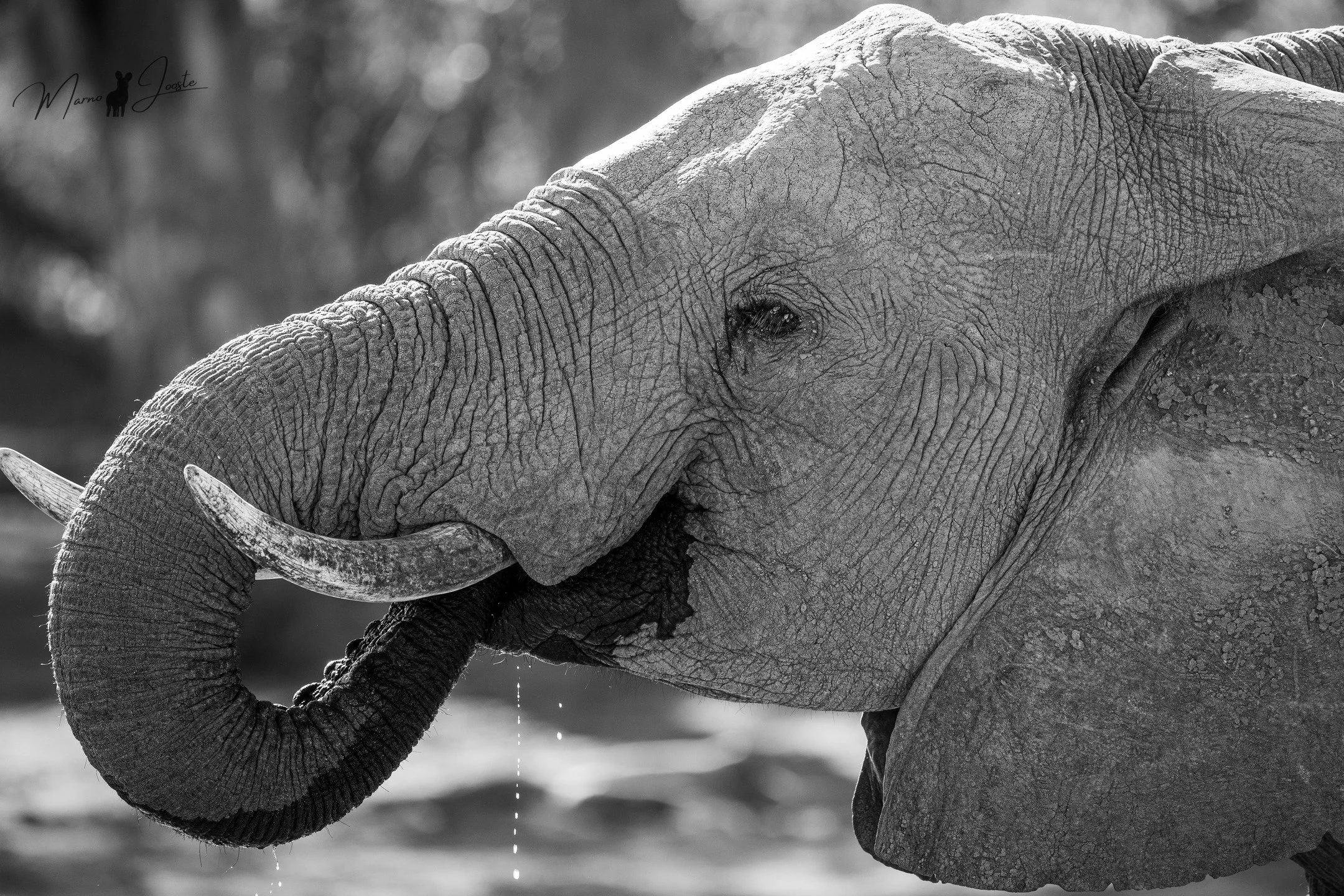
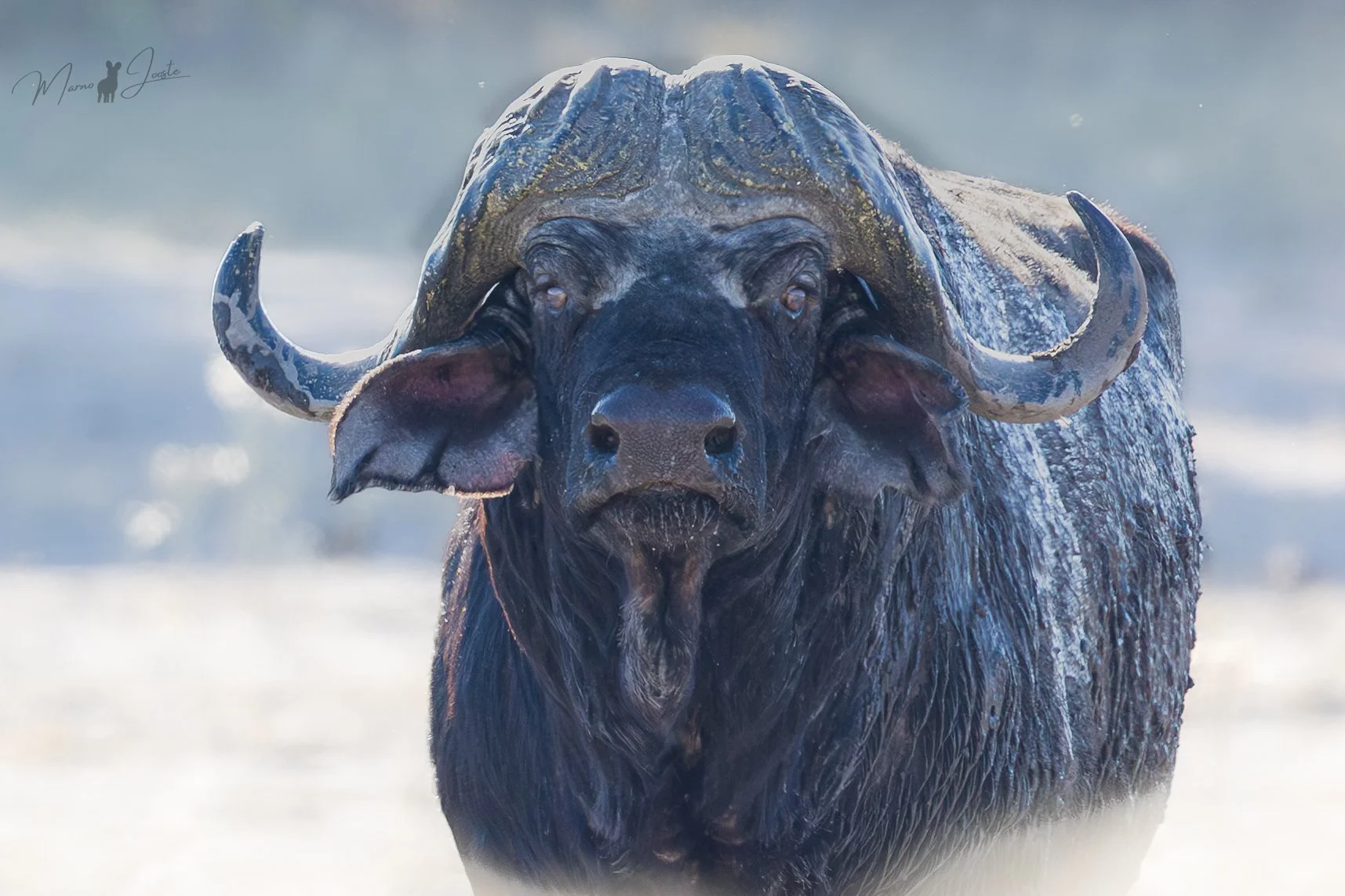
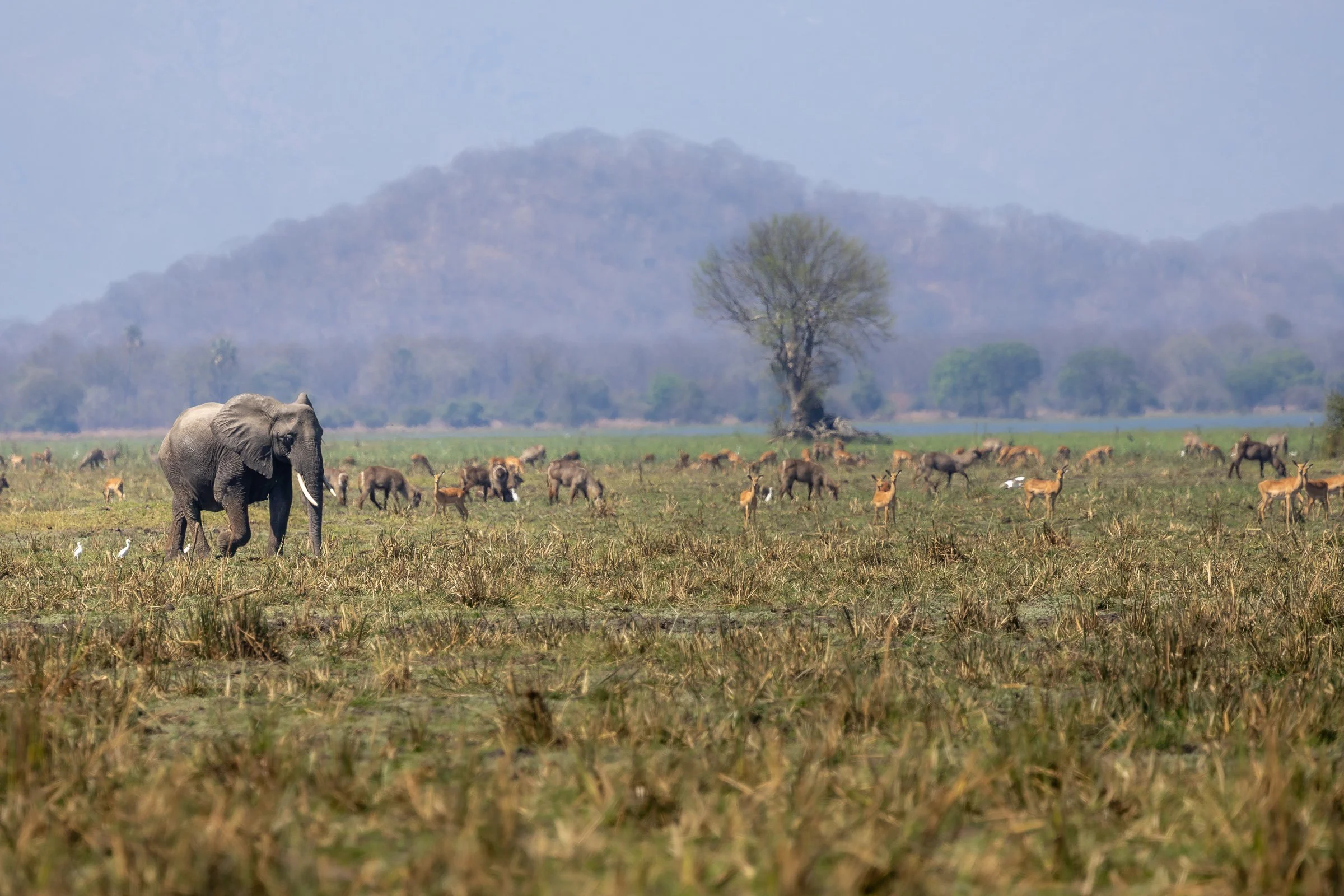
Elephants were a regular presence throughout the week, sometimes appearing when our attention was focused entirely elsewhere. Buffalo were equally difficult to miss. We regularly encountered large herds, sometimes numbering in the hundreds, spread across the floodplains and along the banks of the Shire, where they seemed particularly at home. Hippos and crocodiles were almost constant companions whenever we were close to the river, while antelope moved between the open floodplains and surrounding woodland. Rather than individual sightings standing out, what impressed me was the sheer amount of wildlife we encountered and how closely so much of it was connected to the Shire.
Liwonde’s predator community has also recovered significantly. Lion, cheetah, spotted hyena and African wild dog all form part of the park’s conservation story, although their presence doesn’t guarantee a sighting. For wild dogs, that recovery has suffered devastating setbacks. African Parks reported that the entire pack of 18 was lost to poisoning in November 2022. Further reintroductions followed, but subsequent losses to snares and poaching underline how fragile that recovery remains. Bringing these animals back requires enormous effort; keeping them protected is a continuing challenge.
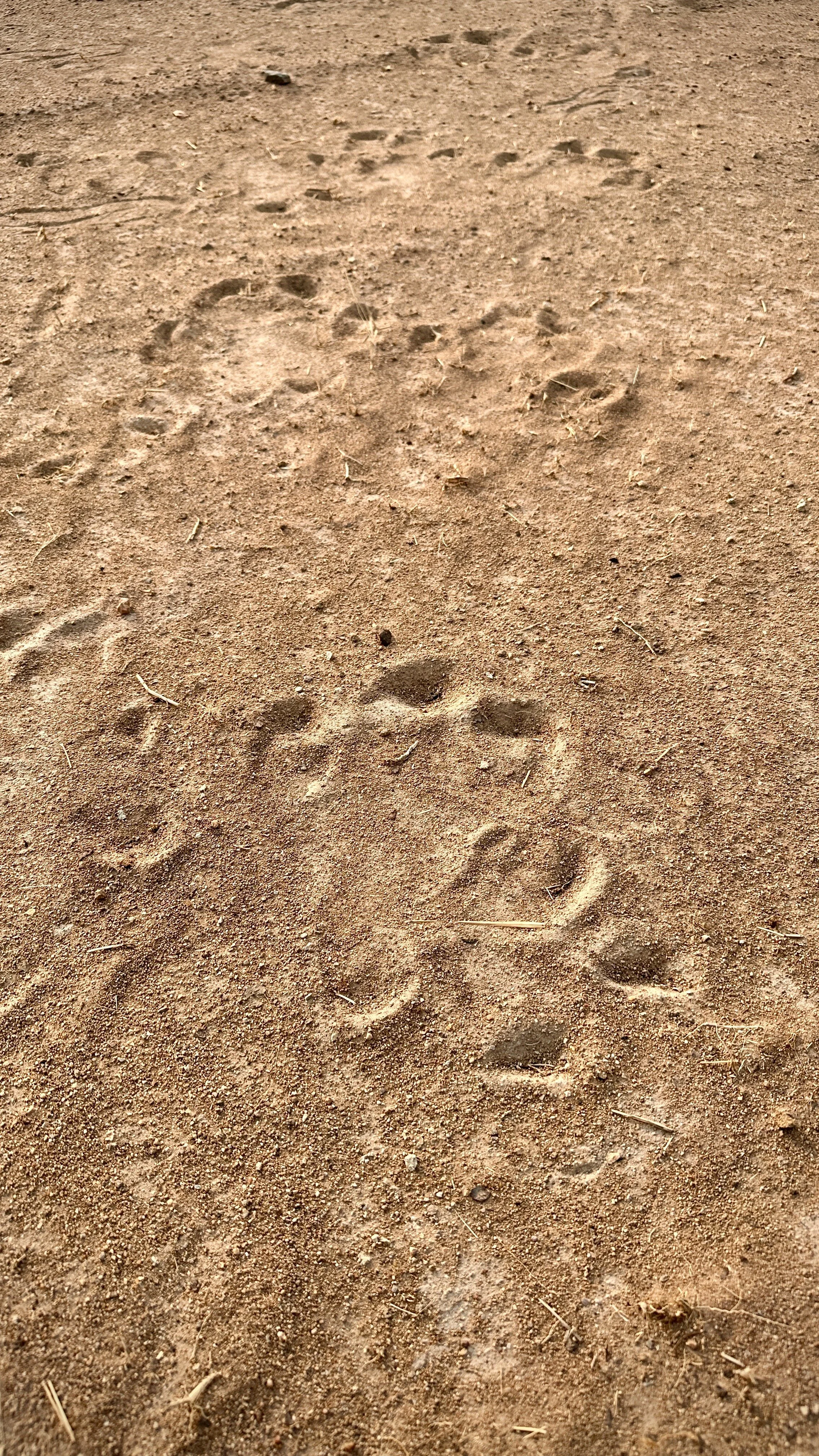
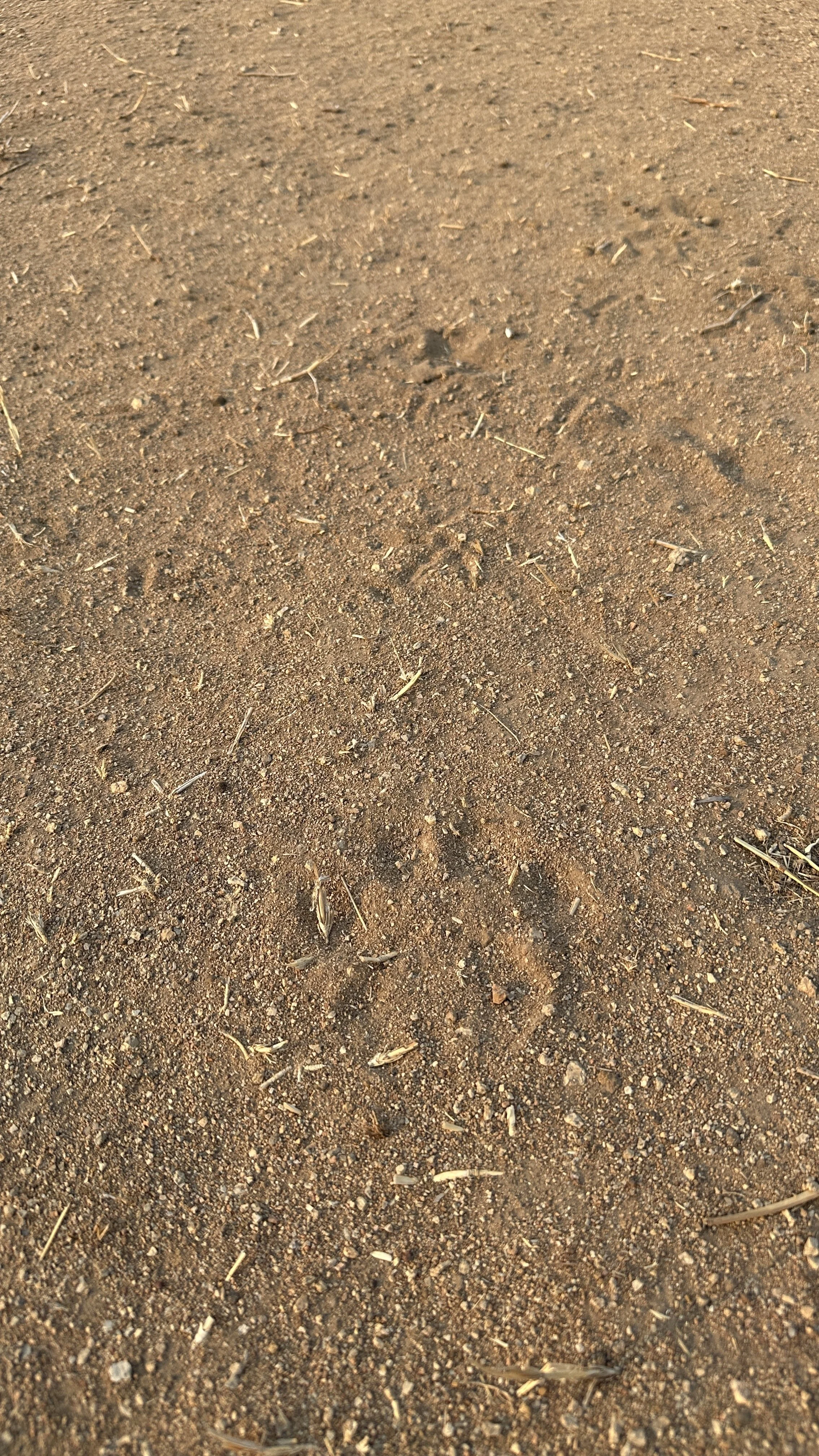
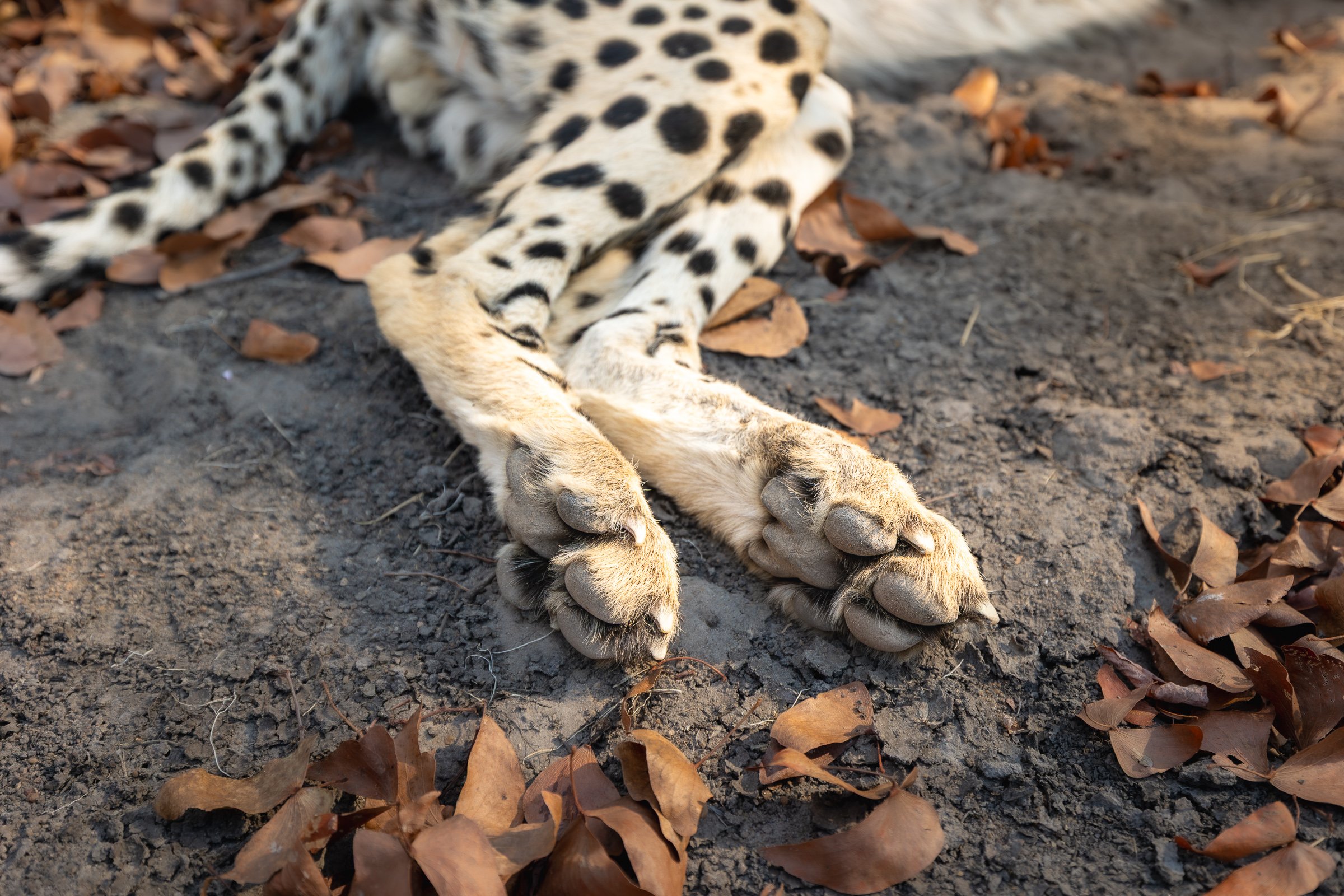
We spent part of one afternoon with a cheetah mother and her two young sons while the veterinary team fitted a monitoring collar to one of the young males. On another day, we dedicated much of the day to searching for African wild dogs from both the air and the ground, without finding them. After years of safari travel, that uncertainty was familiar - wildlife doesn’t follow anyone’s timetable. Knowing their history, I couldn’t help wondering whether further losses had made them harder to find. Whatever the reason, the search brought home how much monitoring and protection goes into giving a recovering population a chance.
Black rhino are central to Liwonde’s conservation recovery and were the main focus of the work that brought me to Malawi. Being there began to show me how much monitoring and management sits behind their continued presence. A wildlife encounter can feel completely natural while concealing years of human effort required to maintain a viable population.
A large buffalo herd spread across the Shire River floodplains, photographed from above. We regularly encountered herds numbering in the hundreds during our week in Liwonde.
Birdlife in Liwonde National Park
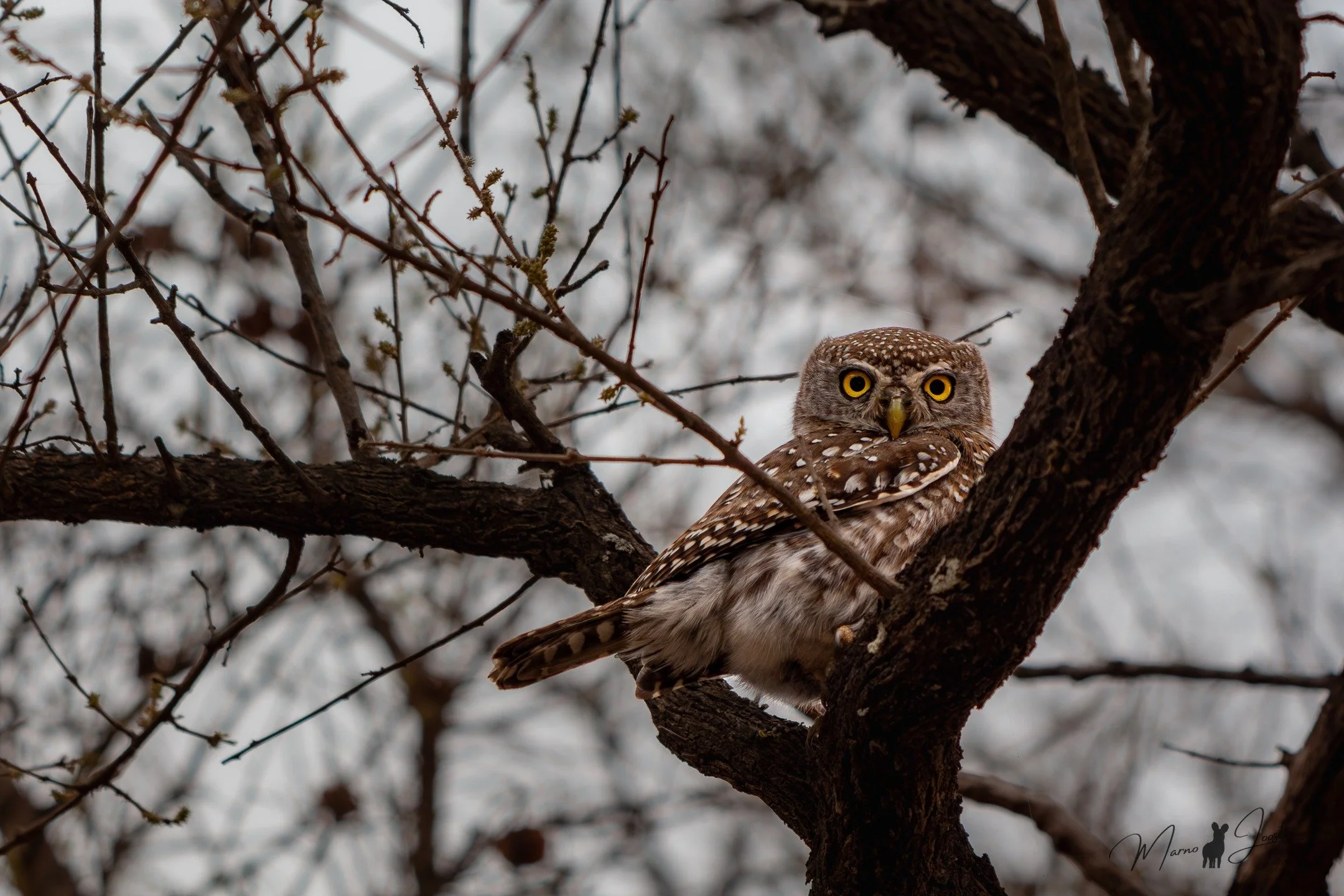
The birdlife deserves its own mention because Liwonde was exceptional. Over the week, I recorded more than 70 species and probably heard another 15–20 that I never managed to see, despite birding hardly being the primary purpose of the trip. Much of it happened during pauses in the operations, when waiting became an opportunity to notice what was around us. The Shire provided constant activity, with African fish eagles, kingfishers, herons, egrets and other waterbirds, while the woodlands brought an entirely different collection of species.
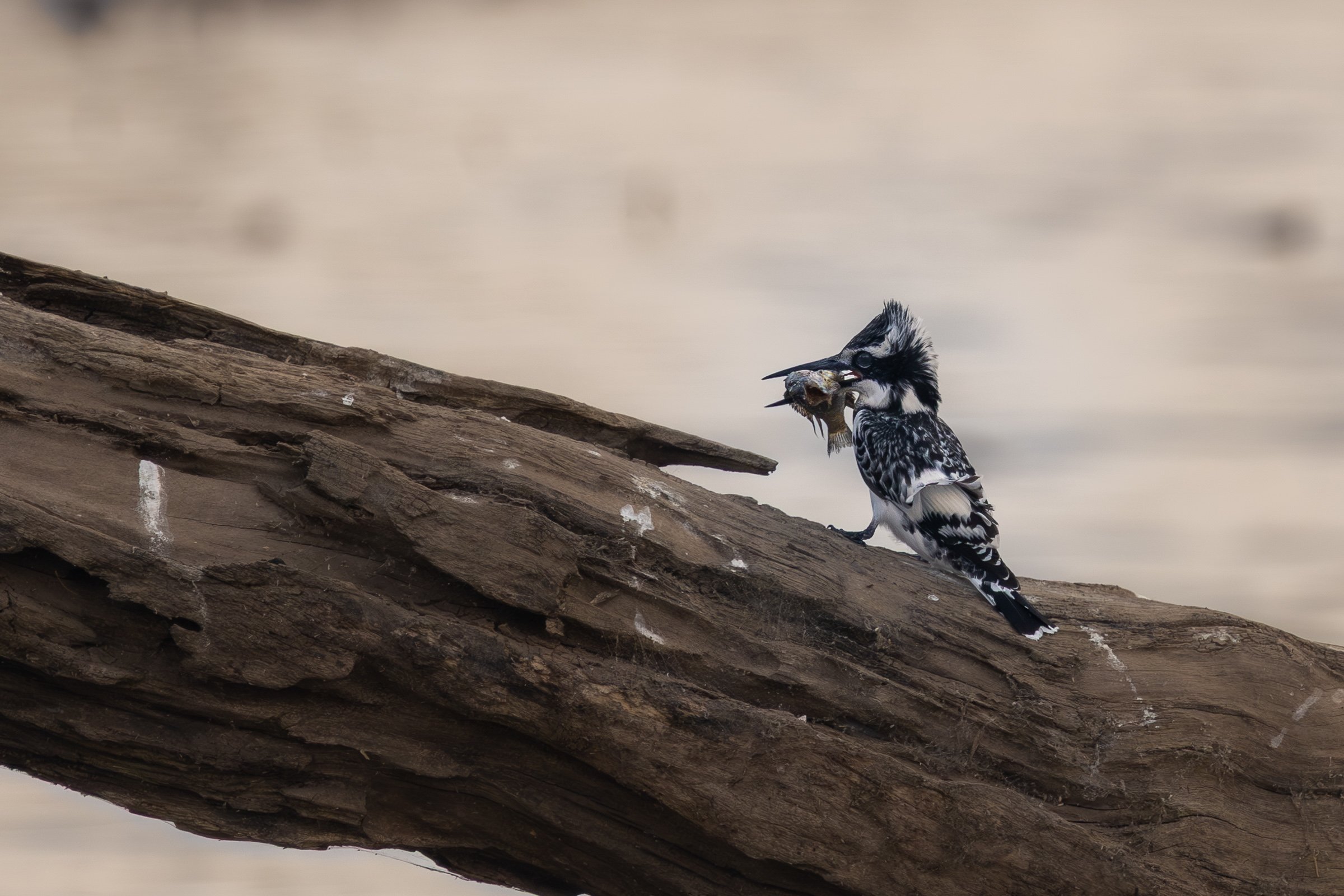
A pied kingfisher carrying its catch along the Shire River. Photographing these birds as they hovered, dived and emerged with fish became one of my favourite challenges during the quieter moments of the week.
My biggest highlight by far was seeing Böhm’s bee-eater on several occasions. This striking green bird, with its orange crown and throat and long black tail streamers, favours moist woodland and forest edges, often near rivers and streams. Its localised occurrence makes it a particularly rewarding bird to find, and repeated sightings were something I treasured. Palm-nut vulture and Arnot’s chat were other personal highlights, adding to a week that offered far more birding than I had expected.
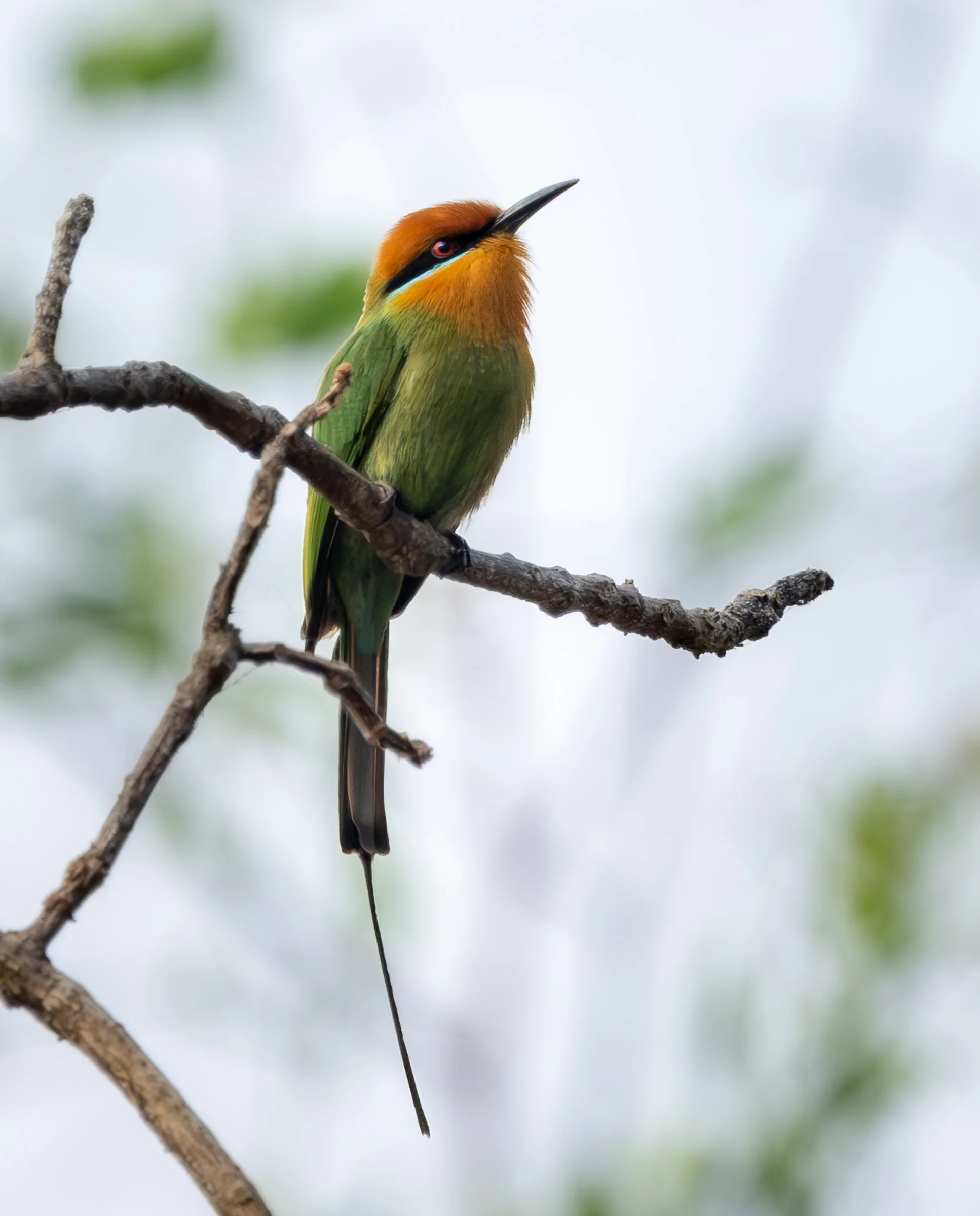
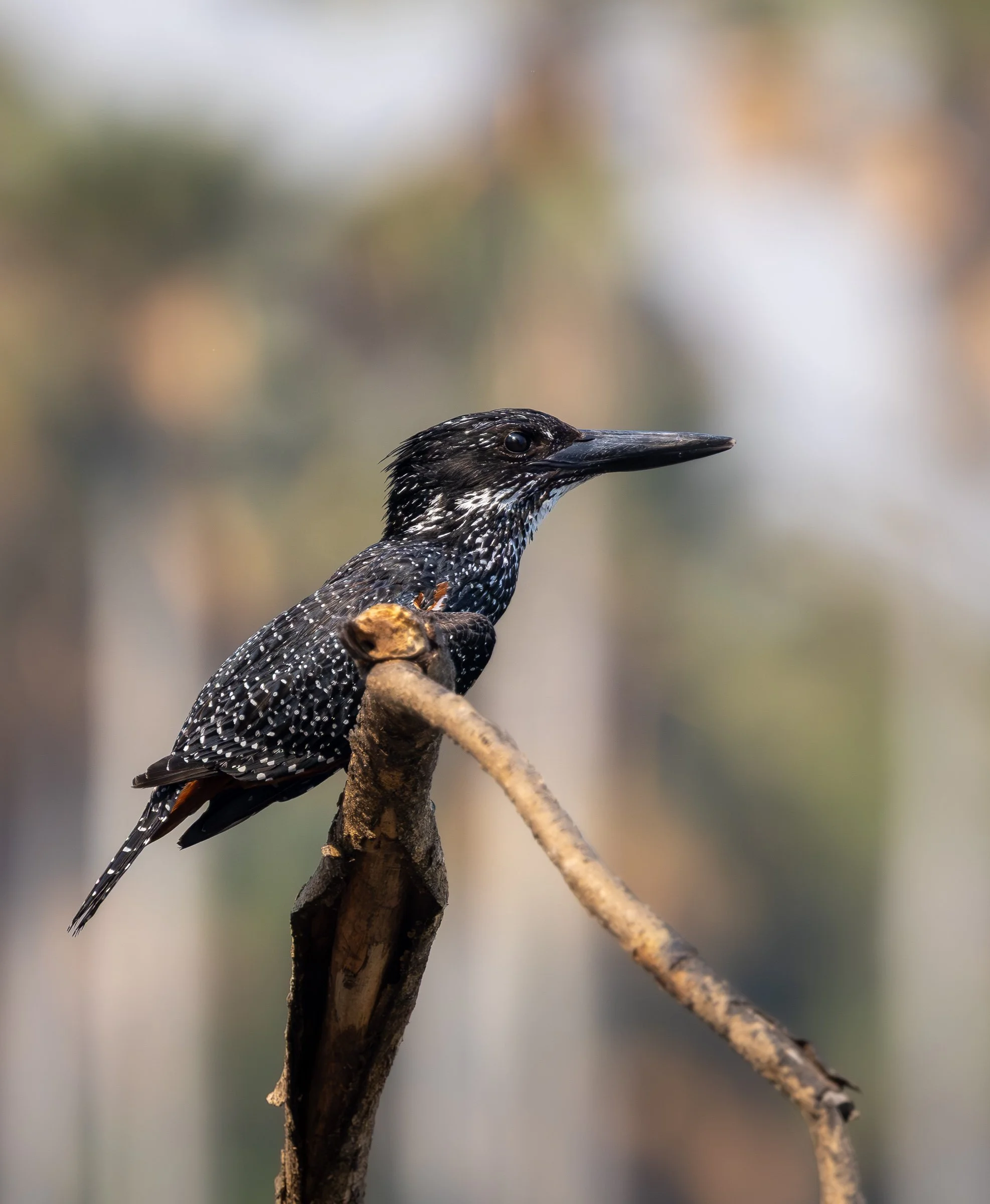
The numerous pied kingfishers fishing along the riverbanks also kept me happily occupied during the long stretches waiting for news that the rhinos had been located. Watching them hover over the water and dive for fish became a photographic challenge of its own, and I came away with some favourite images from those otherwise quiet periods.
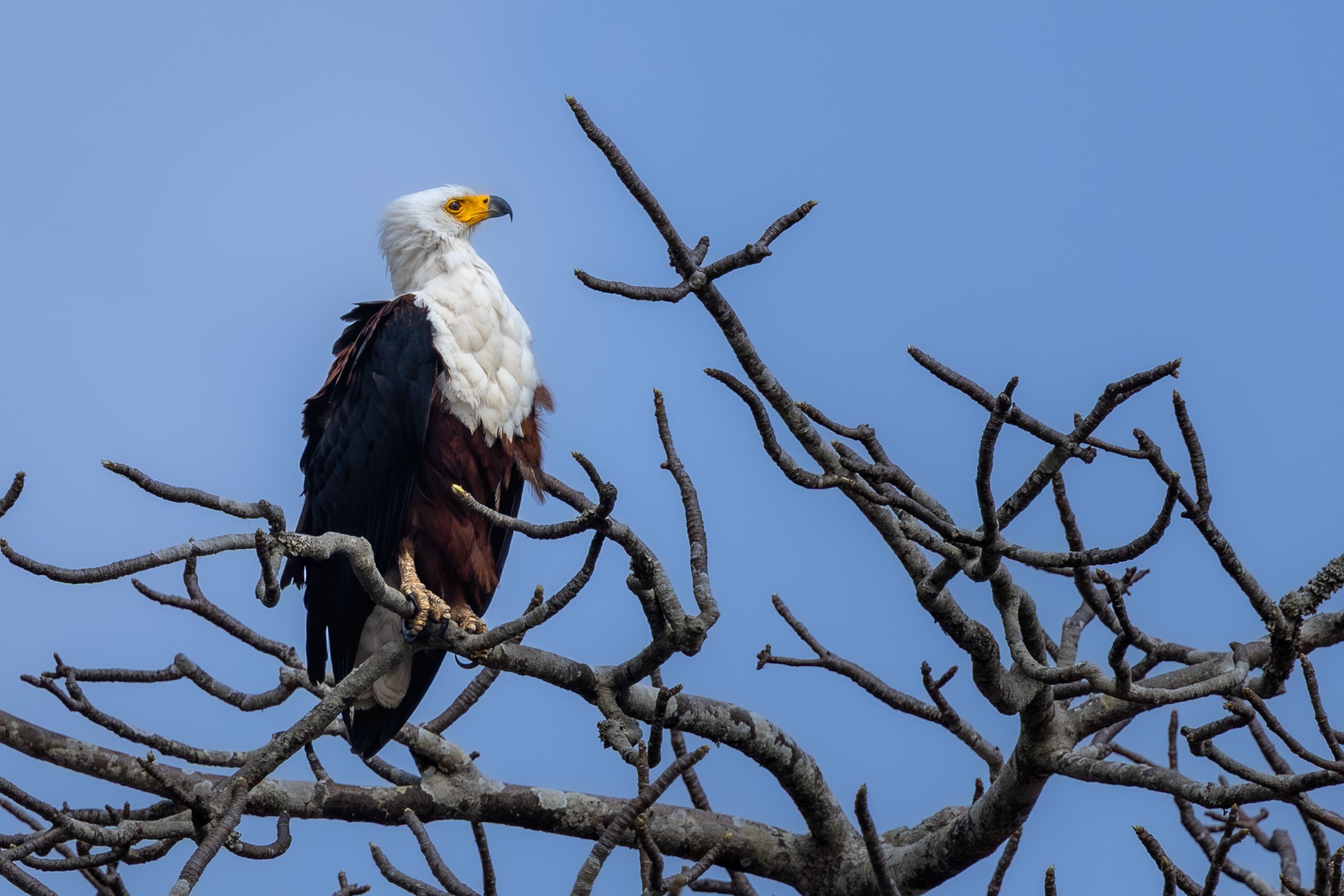
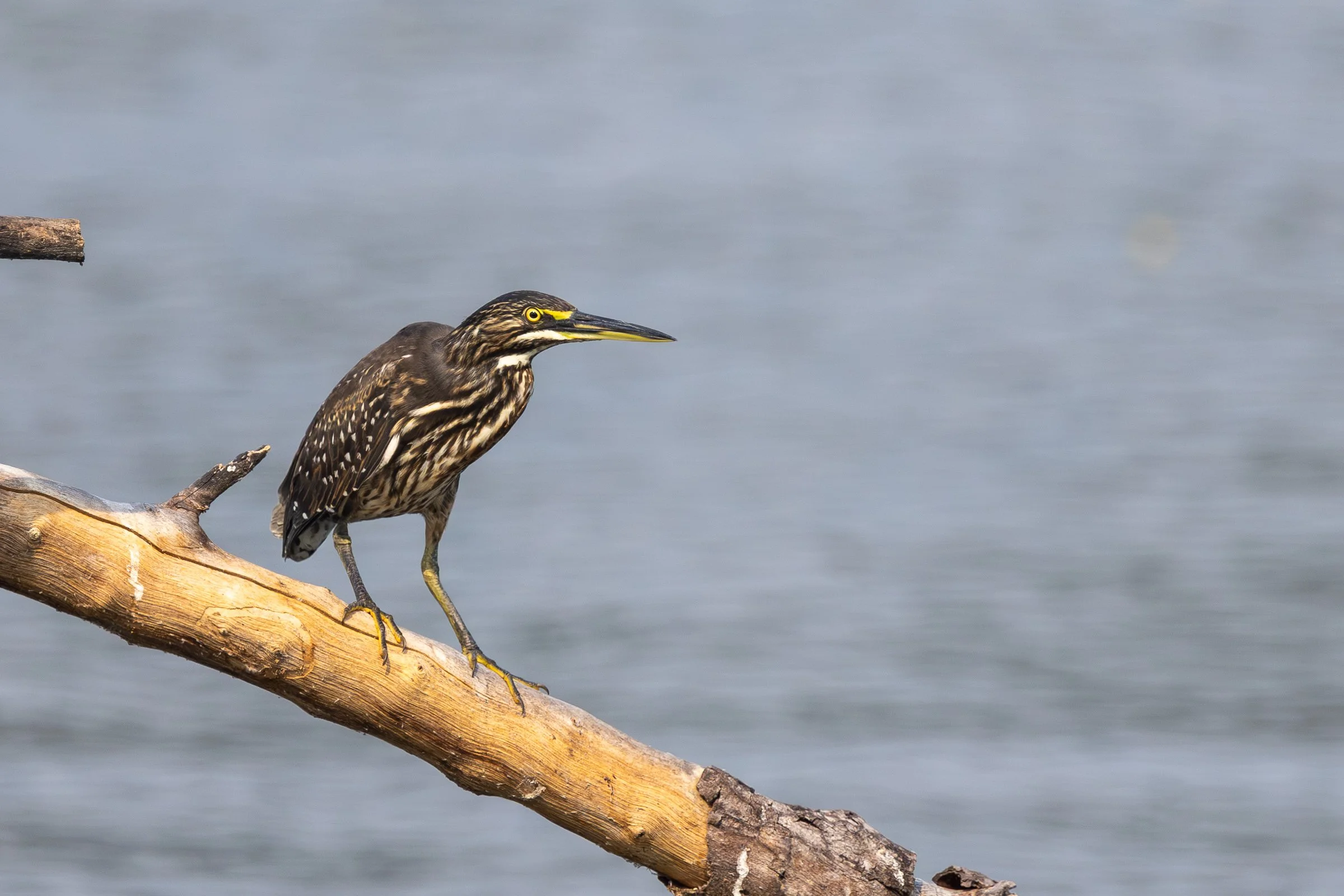
After some of the more intense experiences of the week, I enjoyed those quieter moments enormously. They were also a reminder that while conservation attention naturally gravitates towards rhinos, elephants and predators, protecting those species ultimately means protecting the much larger ecosystem around them.
Living in Liwonde
For the week we stayed at Ligulo House in the southern part of the park near Chinguni Gate. Newly renovated and run by African Parks, the house offers an alternative to a traditional safari lodge for families or groups of friends visiting Liwonde. With three spacious en-suite bedrooms, a large kitchen, dining and lounge area, a pool and beautiful views, it was a fantastic place to spend the week. I particularly enjoyed having a shared space where we could eat, relax and spend time together between activities.
Ligulo House, our base for the week, photographed from above. Its peaceful setting provided a welcome contrast to the unpredictable pace of conservation work.
Rather than following the routines of a conventional safari lodge, we were living together inside the park, which suited the purpose of the trip perfectly. Life around the house quickly developed its own rhythm. People came and went depending on what was happening, equipment accumulated across tables, radios and camera batteries needed charging, and plans could change several times during a day. Some mornings started extremely early; at other times, there were long periods of waiting before new information arrived and everyone suddenly moved.
There were also plenty of meals, beers, stories and laughter. Those quieter periods became one of my favourite parts of the week because they gave me the opportunity to get to know people whose careers and experience in African conservation stretched far beyond what we happened to be doing in Liwonde. Conversations moved between wildlife, aviation, veterinary work, research, conservation management and stories from previous operations across Africa. They even involved some very intricate plans for a future Springboks Scotland game at Murrayfield!
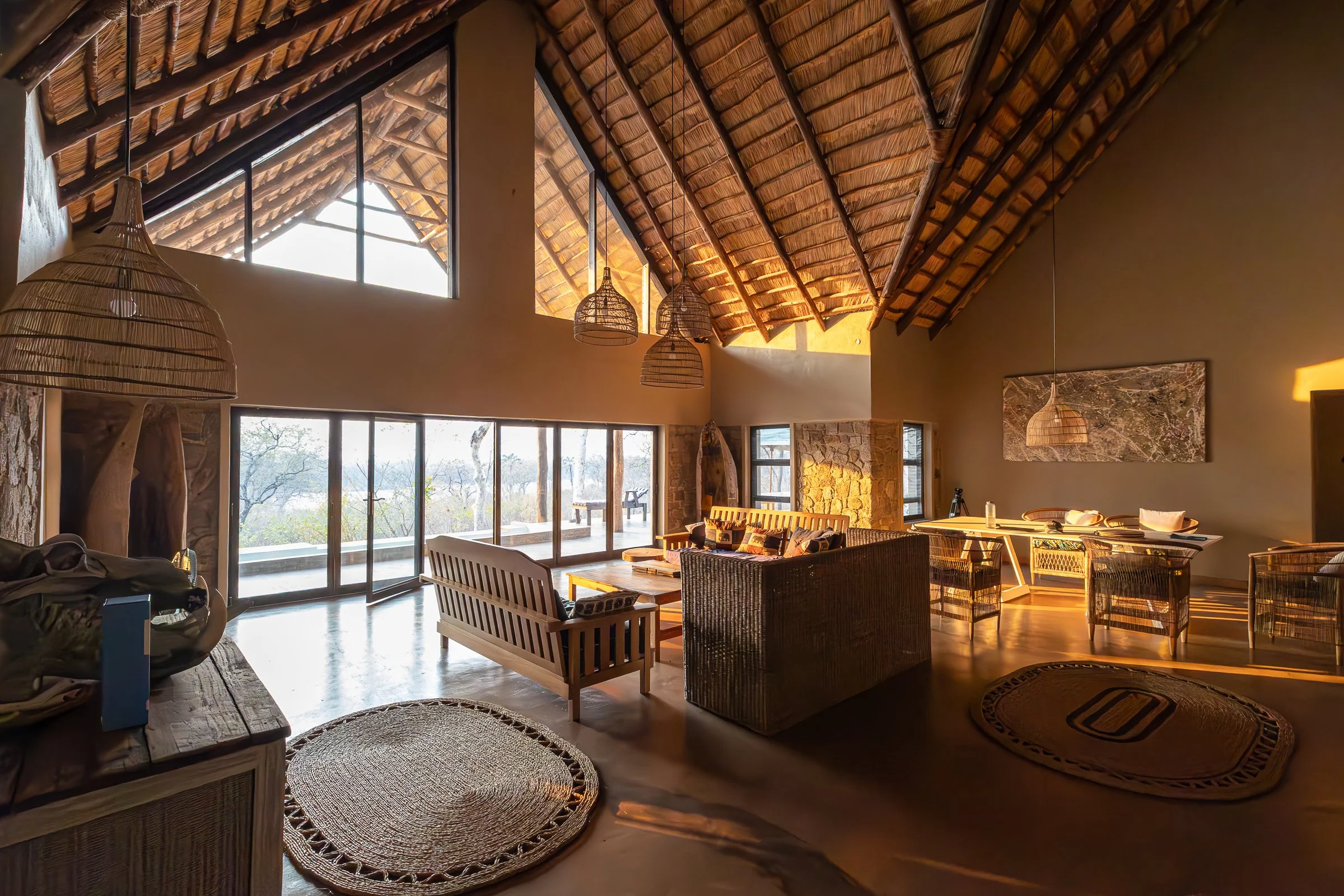
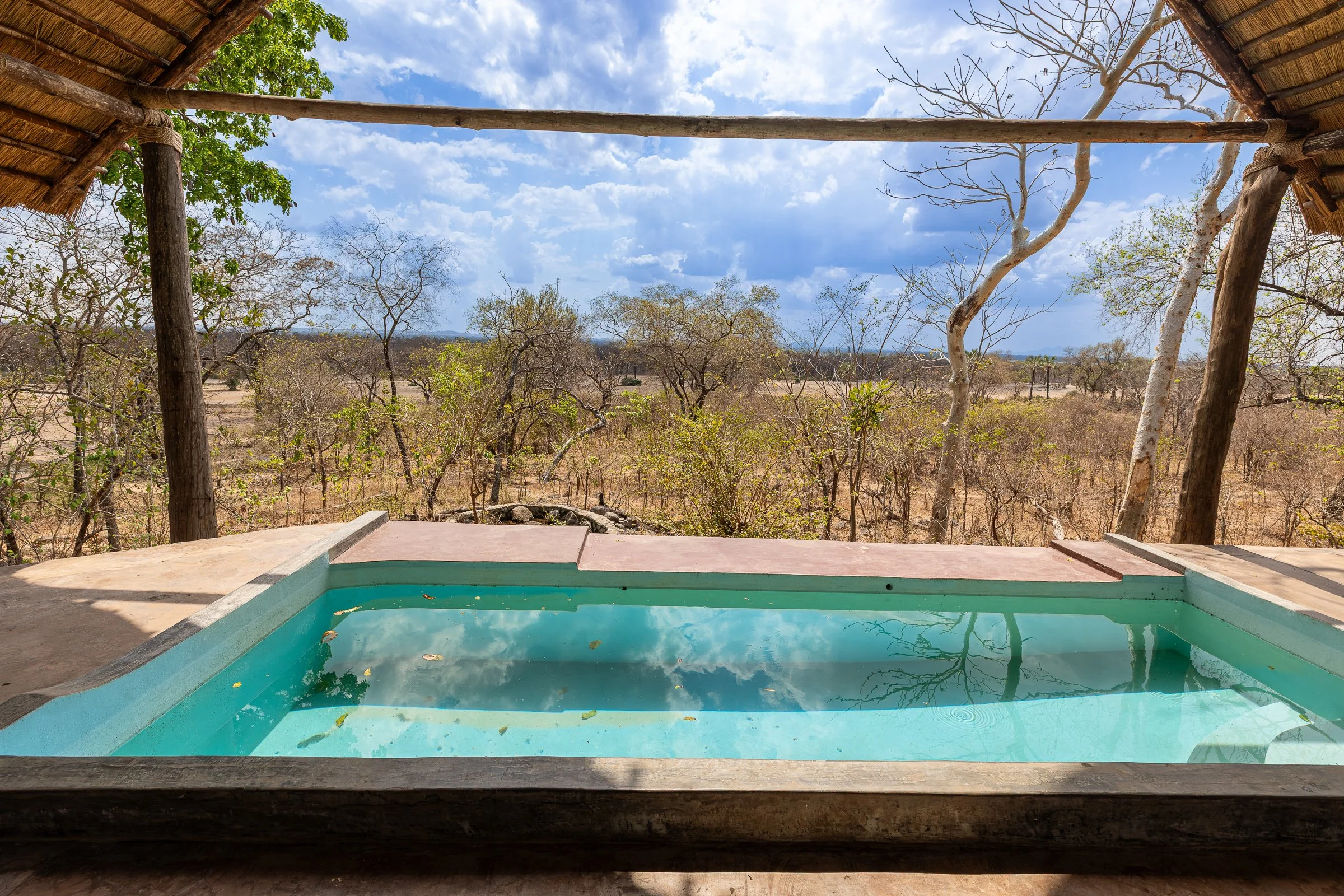
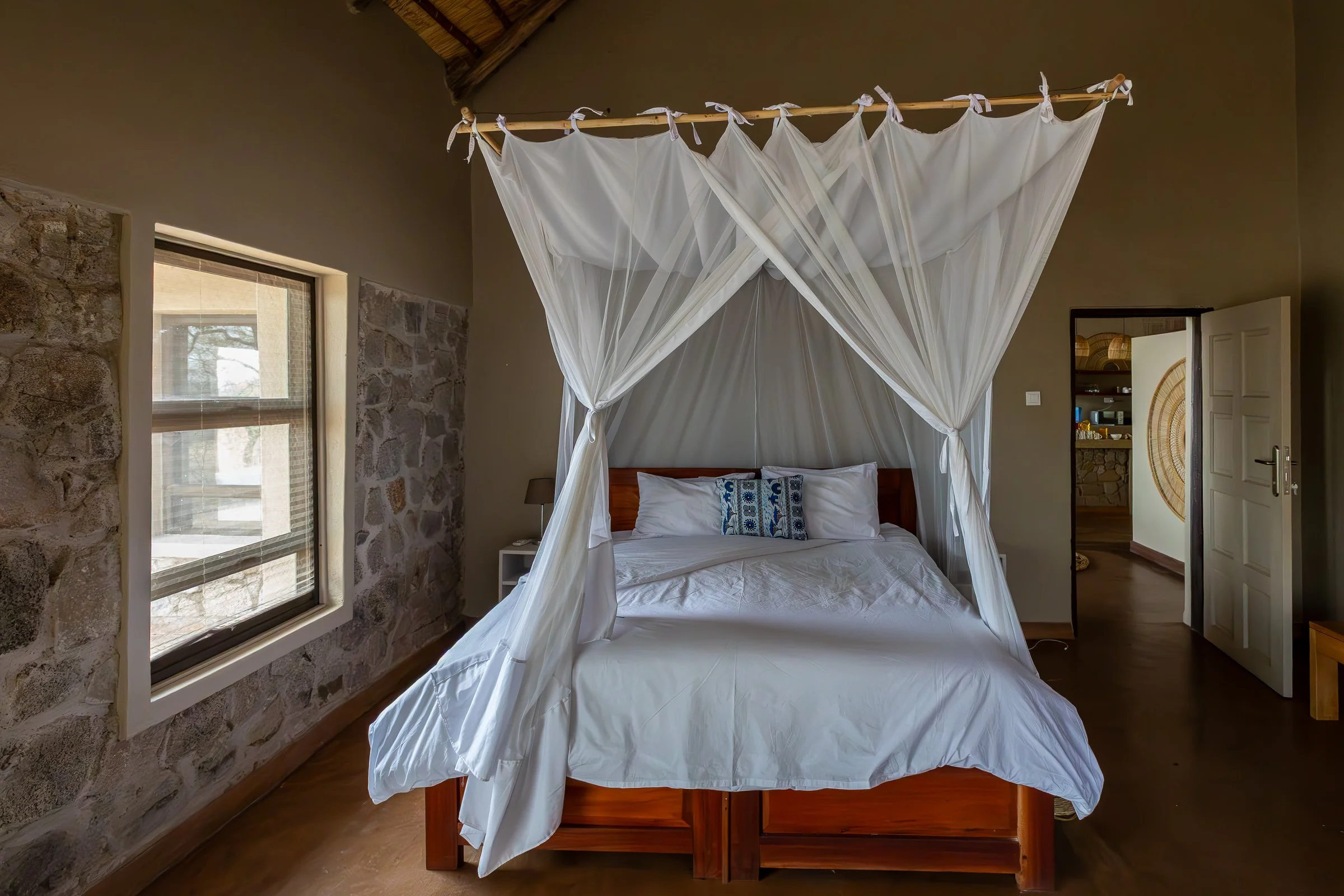
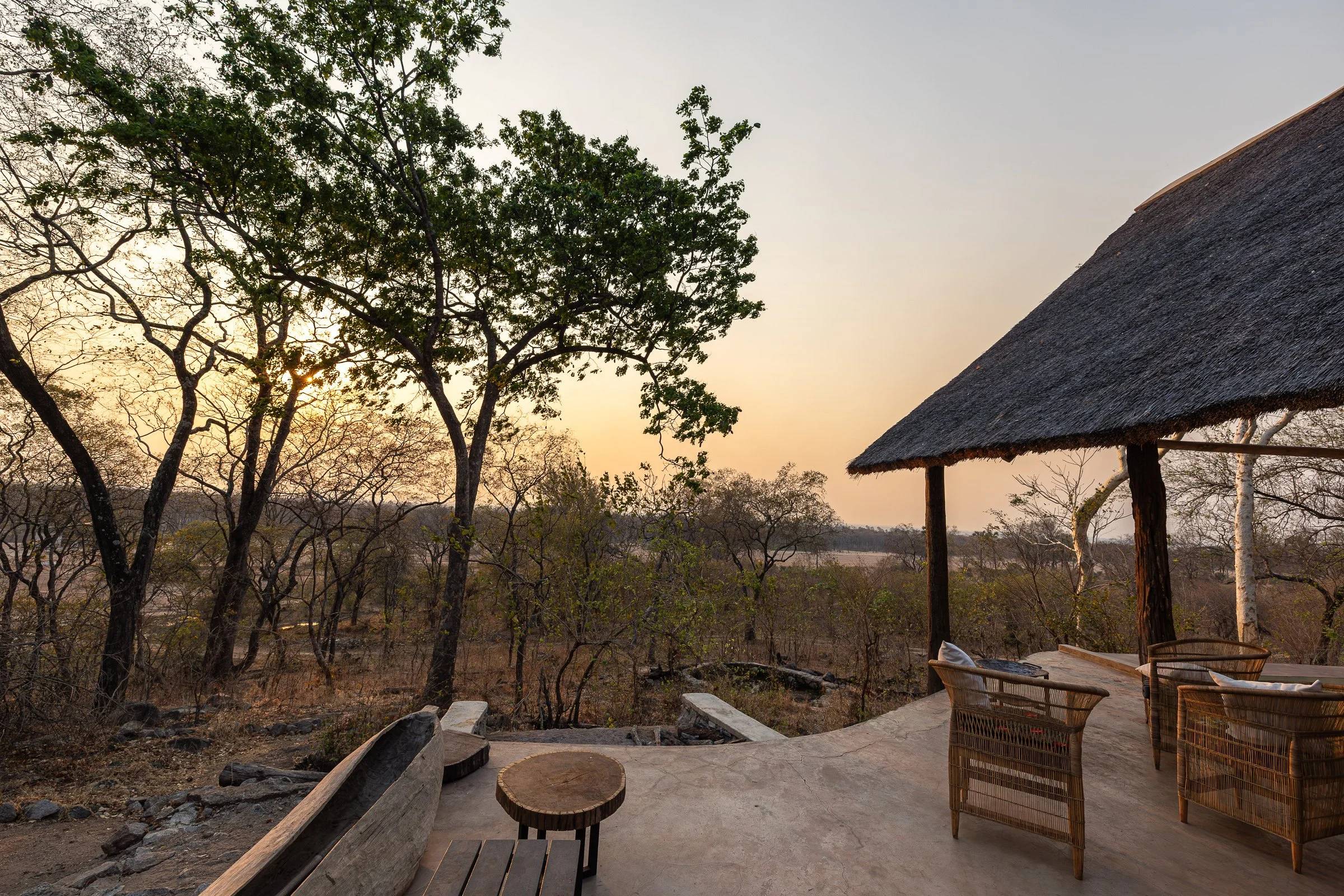
It was during these periods that I also started to appreciate how much conservation happens beyond the dramatic moments that naturally attract attention. African Parks’ permanent monitoring and field teams knew the landscape and individual animals at a level a visitor simply couldn’t.
Sunset over the Shire River, captured from above. A fitting reminder of the extraordinary landscape at the heart of Liwonde. © Justin Sullivan.
A conservation success story that isn’t finished
One of the most important things I took from Liwonde was a different understanding of what a conservation success story actually looks like. The return of species such as rhino, lion or cheetah provides a tangible symbol of progress, but those achievements are only one stage of a much longer process.
Conservation Manager, El Comley, working alongside the veterinary team as Liwonde’s trackers observe. Moments like these brought together the different skills and people involved in protecting the park’s rhinos.
Once wildlife populations recover, they still need suitable habitat, water and space. Their numbers and movements need to be understood, infrastructure maintained and human–wildlife conflict managed. There is also a difficult balance inherent in successful conservation: growing wildlife populations can place additional pressure on habitats and increase conflict around park boundaries. Elephants make this balance particularly visible. Their ability to shape landscapes is ecologically important, but where space is limited, growing populations can put pressure on vegetation and bring them into greater contact with neighbouring farms and communities.
Liwonde makes many of these questions particularly visible. It is a recovering wildlife landscape within an economically challenged and increasingly populated country. The Shire connects it to a much larger water system, while animals, communities and ecological processes operate across boundaries drawn by people.
A quiet moment during the rhino operation. Behind every intervention are careful preparation, experienced professionals and a much larger effort to protect these animals.
Understanding the challenges made me appreciate Liwonde’s recovery more. Bringing wildlife back is an extraordinary achievement; ensuring that it can remain there is the continuing challenge.
Seeing Liwonde differently
Years of travelling through African protected areas, photographing wildlife, completing my FGASA training and hosting safaris through WildLens have each changed how I see the bush. Liwonde added another layer.
I still became excited by elephants, stopped for birds and reached for my camera when the light was good. Sitting quietly watching a wild animal remains an extraordinary privilege, and helping others experience that is at the heart of WildLens.
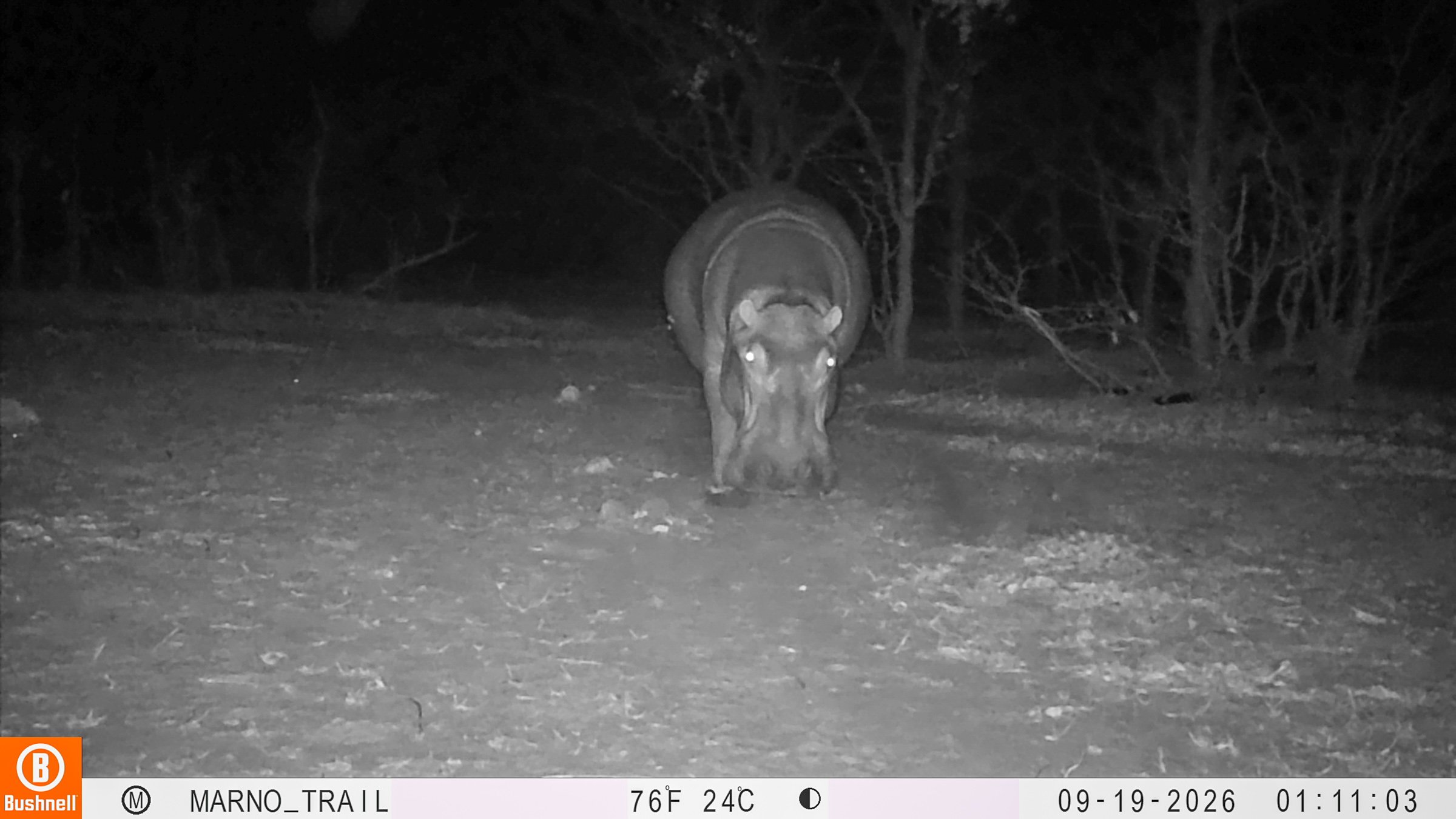
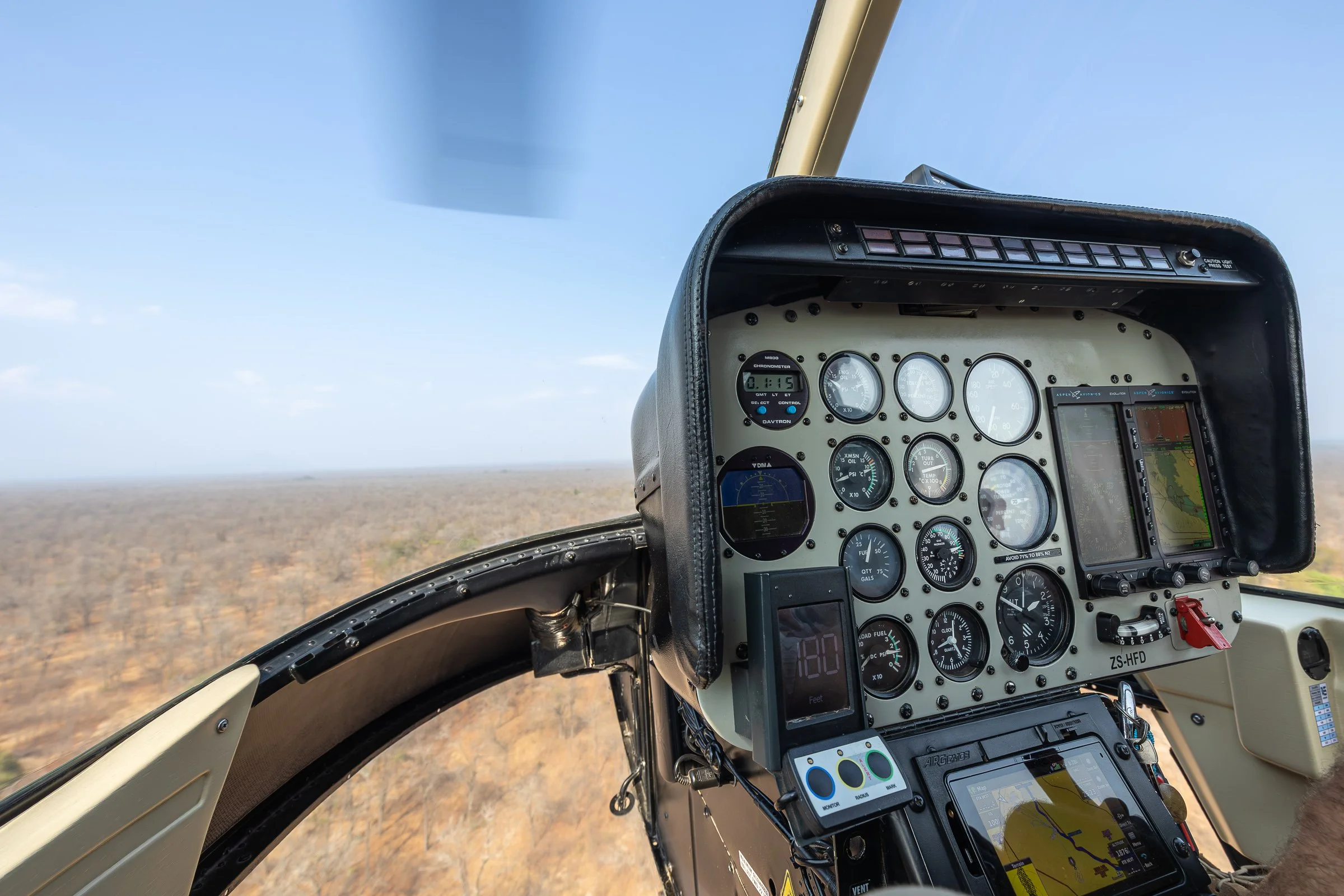
Looking back through the photographs, what strikes me is how varied the experiences were. Wildlife encounters, time spent with the conservation teams, journeys across the park and the quieter moments in between all contributed to how I came to understand Liwonde. Individually, these photographs capture very different aspects of the week. Together, they tell a much broader story of what made the experience so memorable.
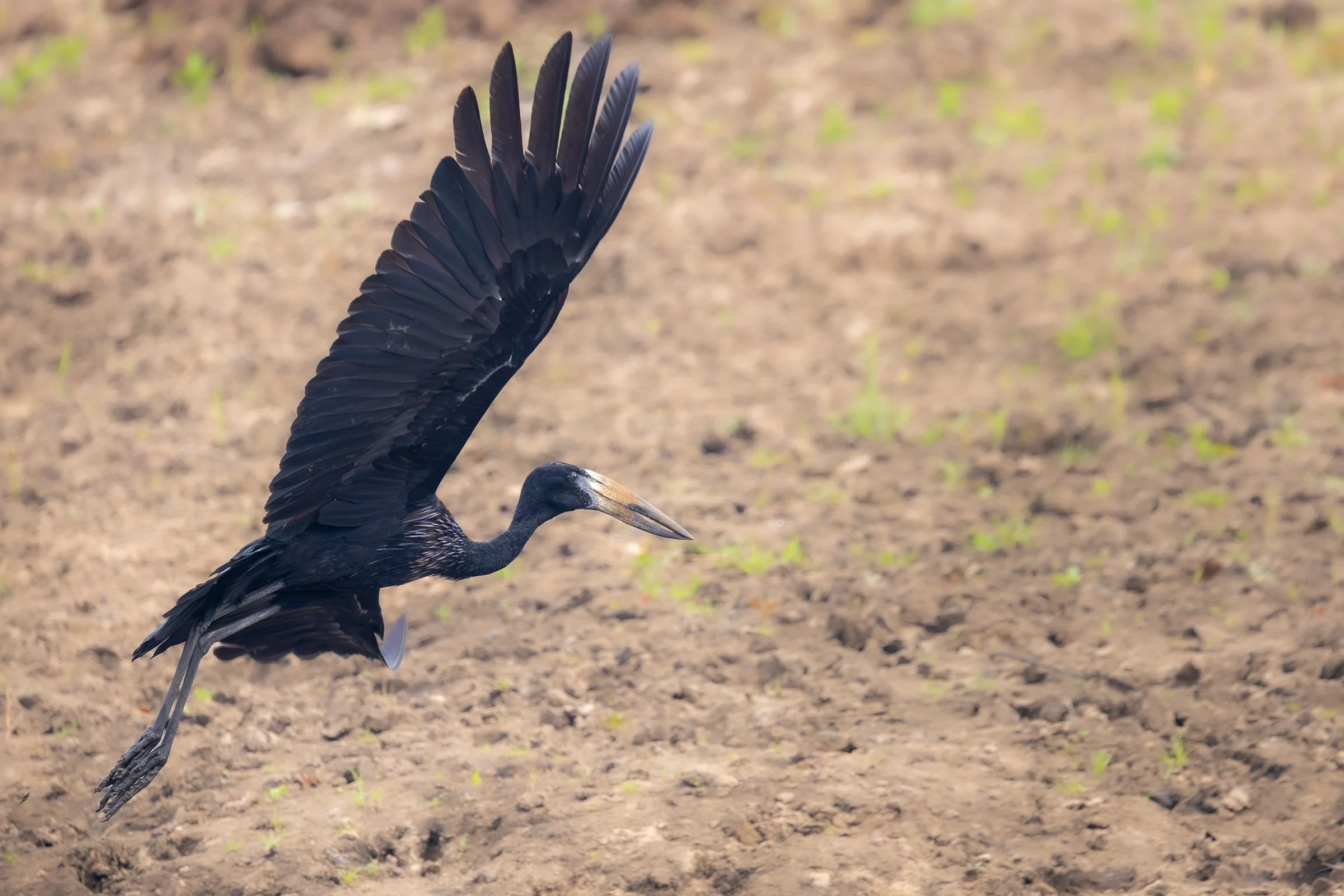
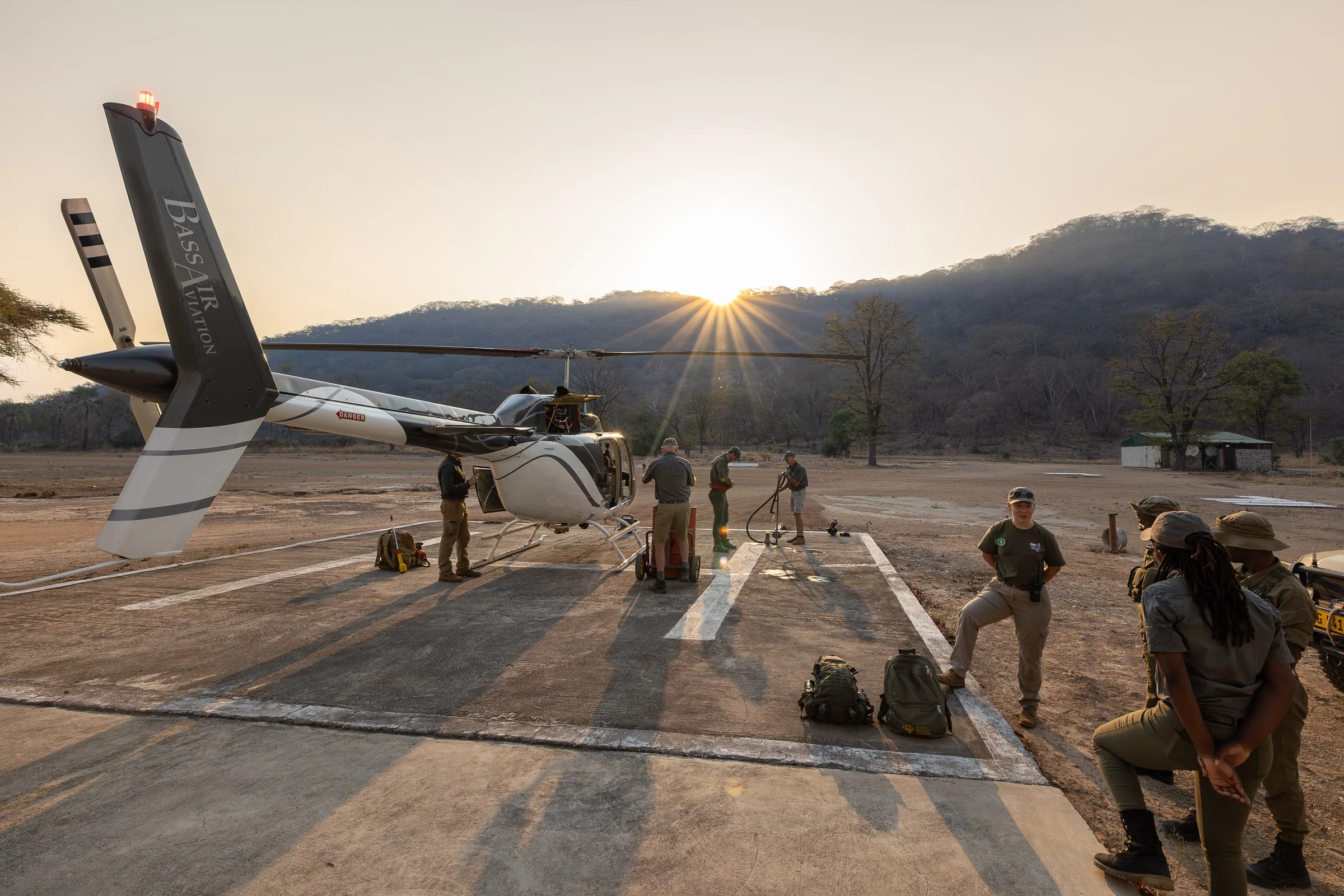
What changed was how much more I thought about everything surrounding those encounters: the river supporting the ecosystem, communities beyond the boundary, the farmer whose experience of an elephant may be very different from mine, and the people whose work keeps wildlife protected. For me, that understanding makes safari more meaningful.
I travelled to Malawi to learn about the conservation work behind those experiences and was welcomed alongside the people monitoring and managing Liwonde’s wildlife. That operation deserves its own story, which I will share in my next article. What happens before, during and after these interventions is far more complicated than the photographs suggest.
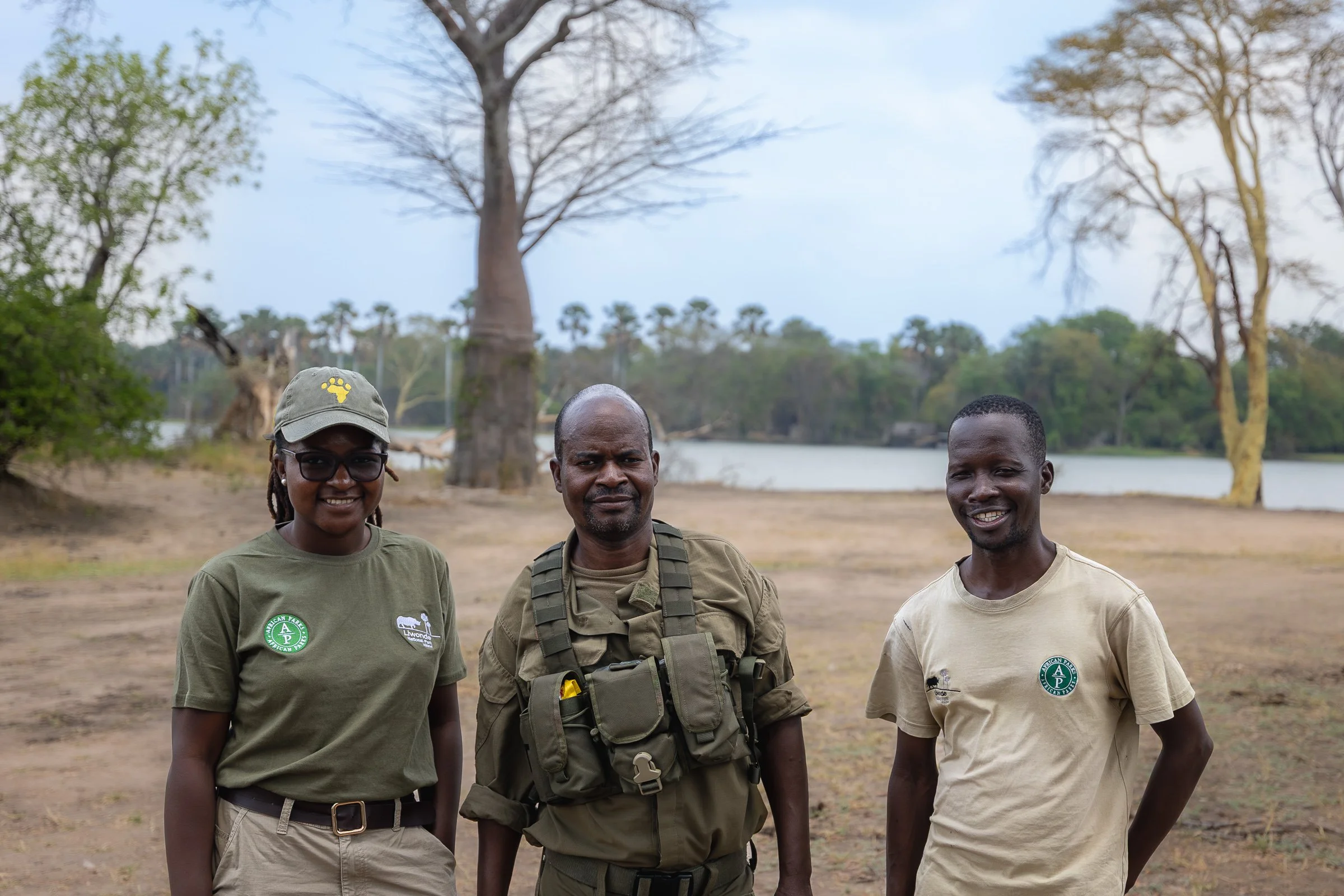
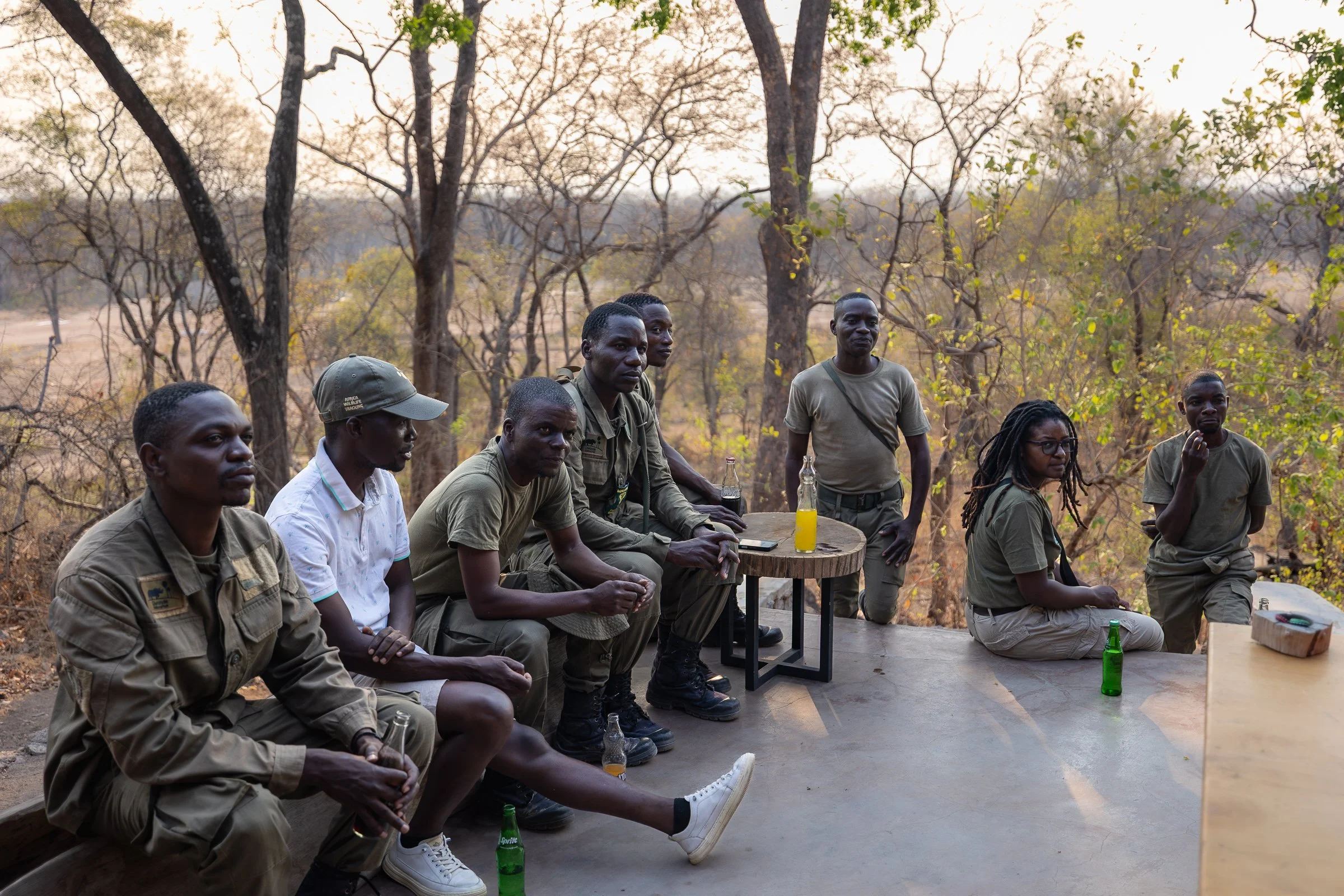
But first, I wanted to introduce what that work protects: a remarkable landscape, extraordinary wildlife and a park whose future is inseparable from the country and people around it.
I arrived expecting the operation to dominate my memories. I came home with a deeper appreciation for Liwonde itself, and for everything behind the wildlife we are privileged to see.
Zikomo, Liwonde.
Follow @marno_jooste for more content from the bush.