Into the Okavango: Little Sable & the Floodplains of Khwai
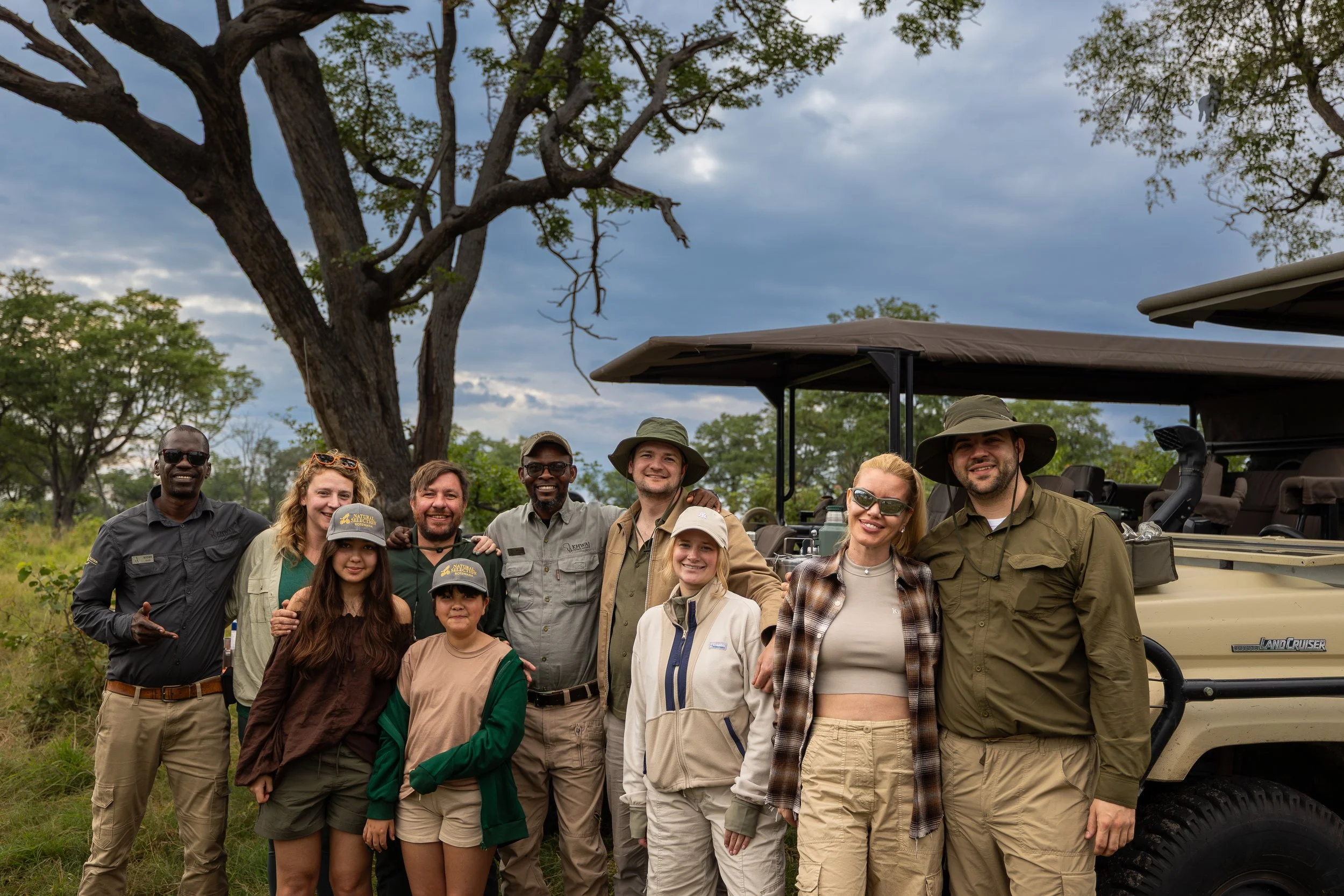
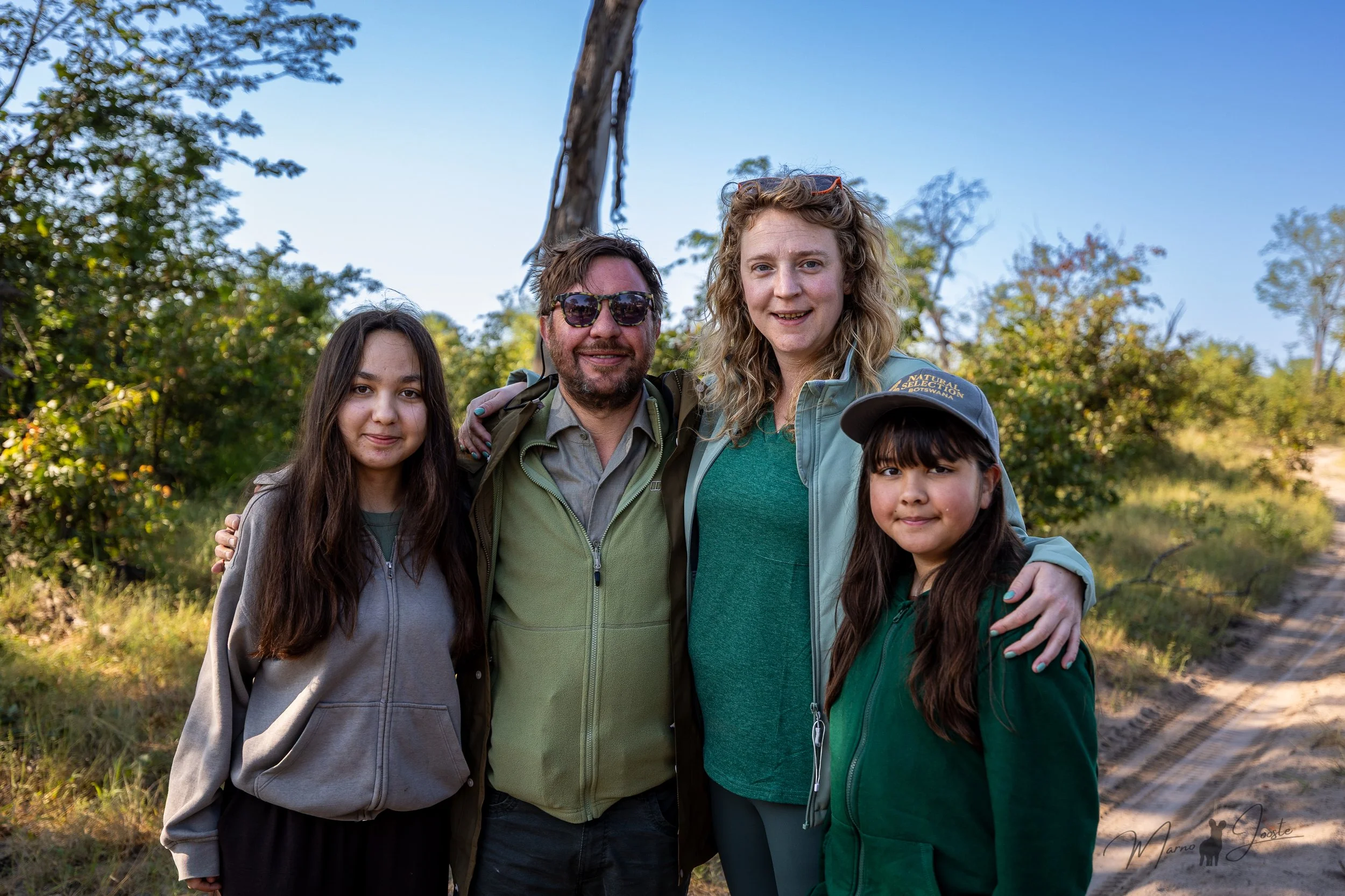
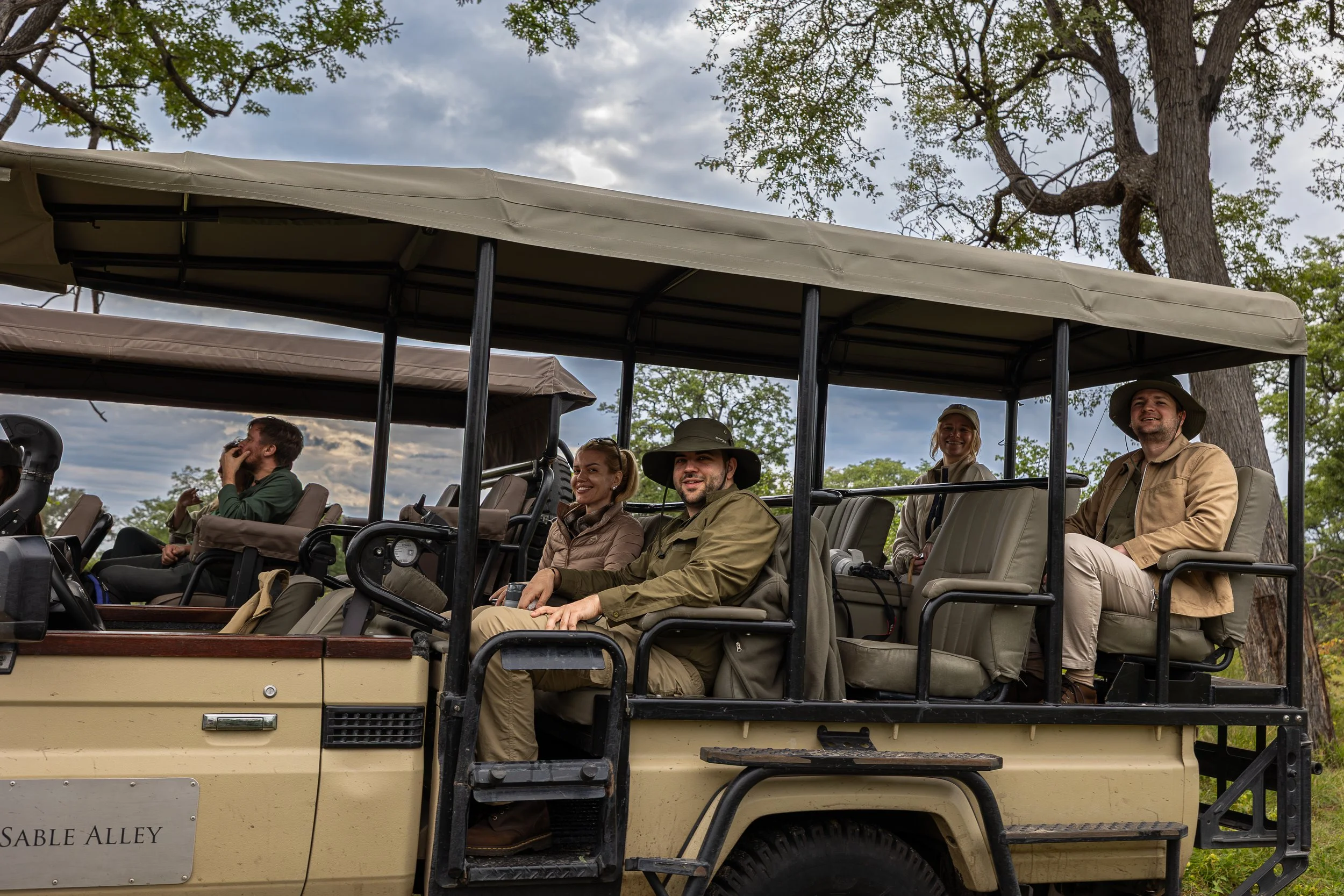
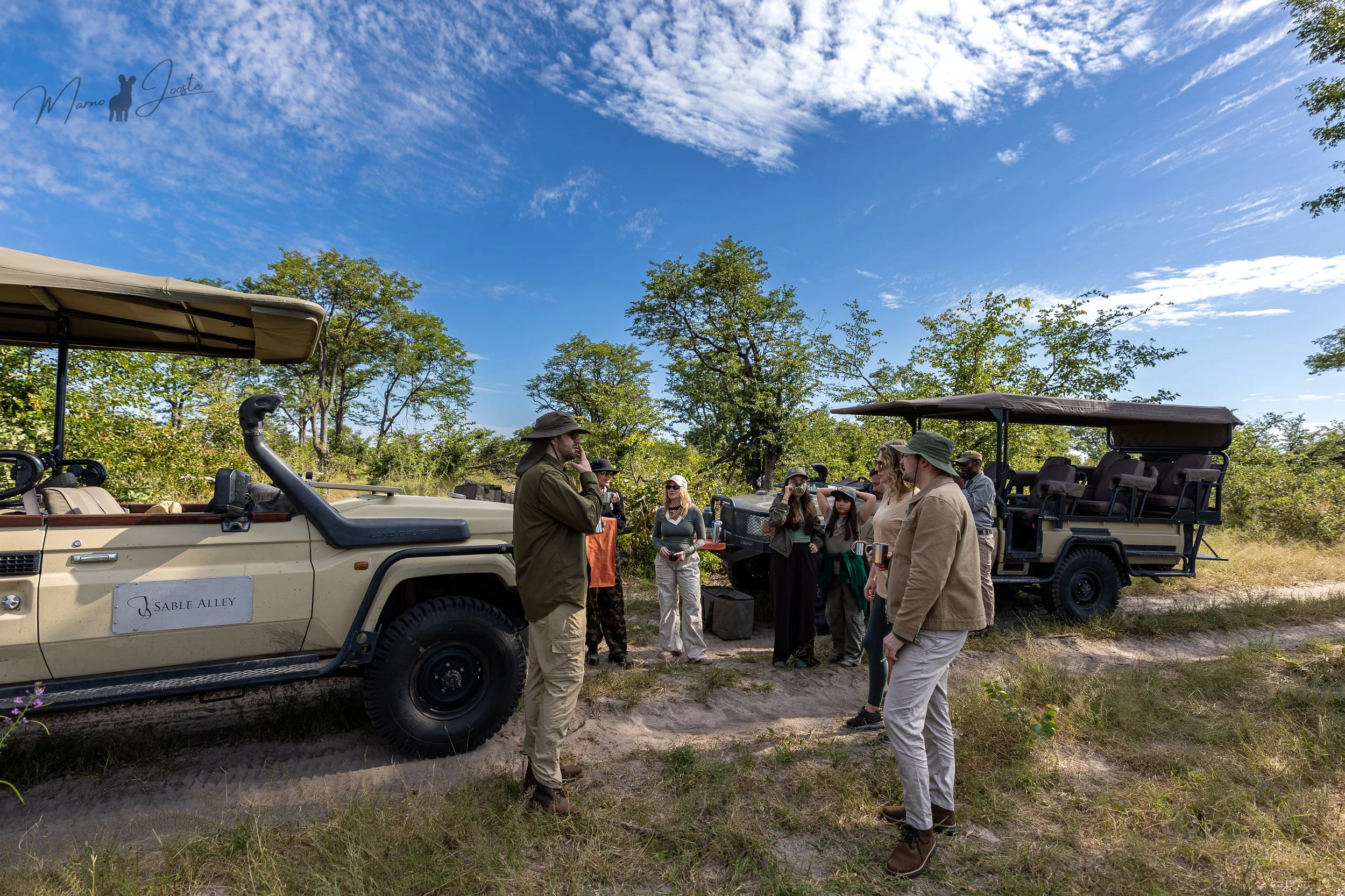
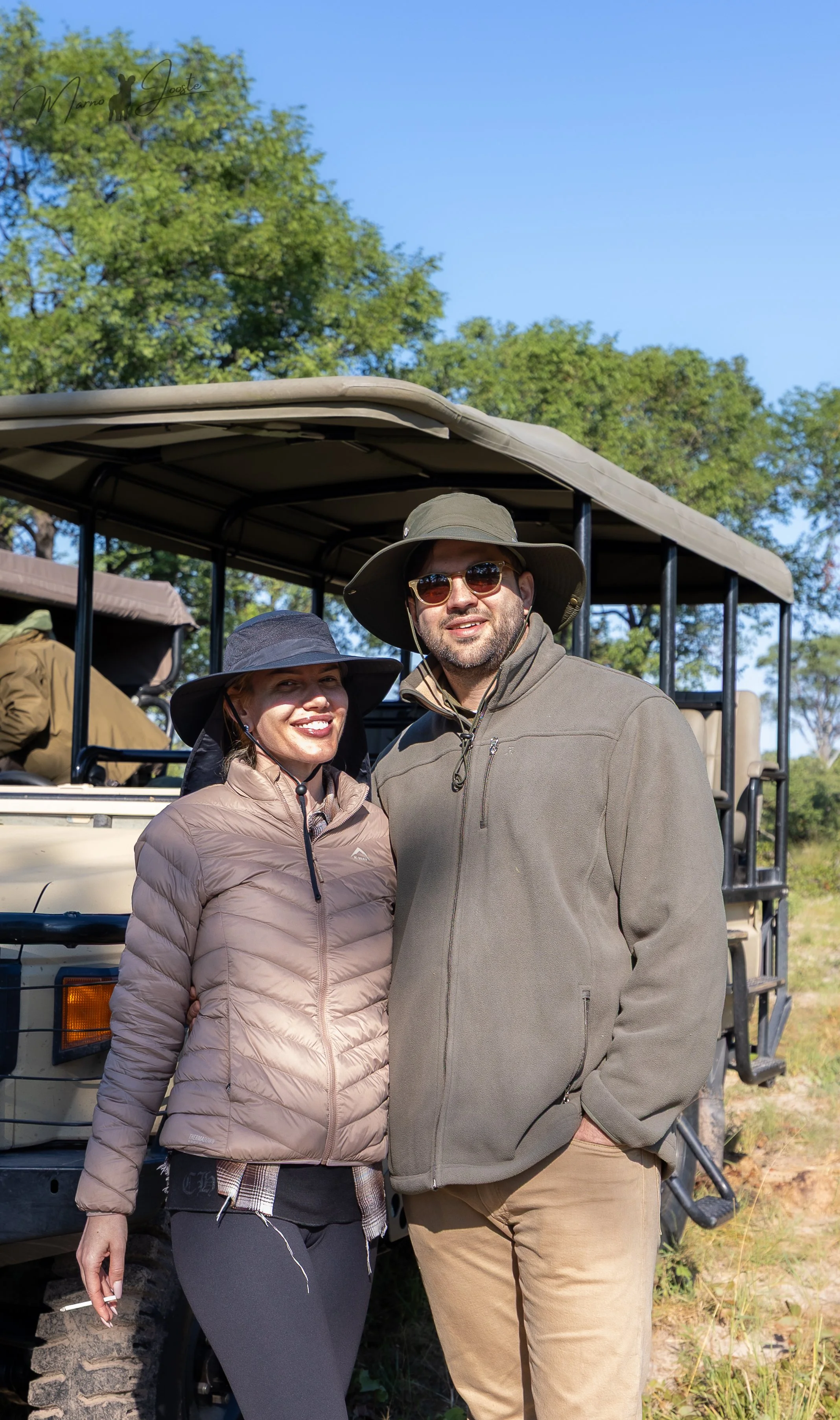
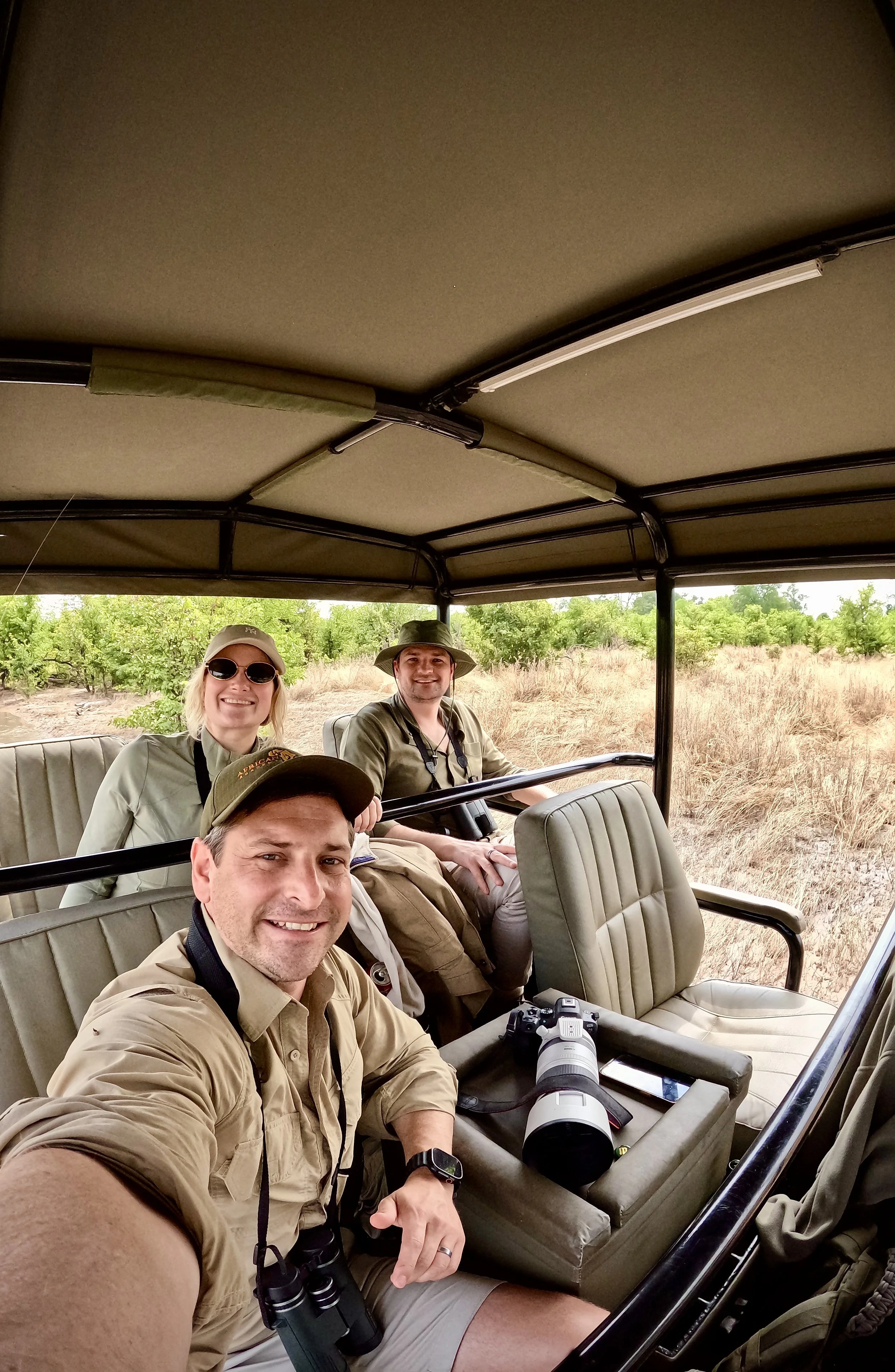
Our WildLens group of eight guests with our two local guides during our stay at Little Sable in Khwai Private Reserve.
In April 2026, WildLens Adventures hosted eight guests on a six-night journey into Botswana’s Okavango Delta, beginning with three nights at Little Sablein the Khwai Private Reserve before continuing deeper into the Delta to Mokolwane.
For many of the group, this was their first experience of an African safari, and Khwai provided a wonderfully atmospheric introduction. We arrived to a landscape transformed by water: lush green floodplains, thick vegetation, reed beds and mopane woodland, with sections of the reserve accessible only through surprisingly deep water.
The conditions would make wildlife viewing more challenging than we had expected, but Khwai still delivered an exceptional lion sighting, elephants, excellent birdlife, fresh predator tracks and several reminders that some of the most memorable moments on safari are the ones nobody could possibly have planned.
And the journey itself, first by light aircraft from Maun into Khwai and finally by helicopter across the Delta to Mokolwane, became a highlight in its own right.
This first part of the story covers our three nights at Little Sable and the flooded landscapes of Khwai, before the journey shifts in Part 2 to the much wilder predator country surrounding Mokolwane and Xudum.
This trip also marked an important milestone for WildLens Adventures: it was our first hosted safari run in conjunction with our NGO partner, Lessons in Conservation, whose environmental education work we support across southern Africa.
Trip at a Glance
Destination: Khwai Private Reserve (NG18), Botswana
When we travelled: April 2026
Length: 3 nights (6 nights including Mokolwane)
Access: We flew from Maun into Khwai by light aircraft, a journey of around 30 minutes. The reserve can also be reached by road, typically taking three to four hours depending on conditions.
Camp: Little Sable, Natural Selection
Group: 8 guests, hosted by WildLens Adventures
Standout sightings: Two male lions, two lionesses and four tiny cubs; elephants; Verreaux’s eagle-owls; southern ground hornbills; red lechwe; fresh leopard and wild dog tracks
Best wildlife moment: Watching four very young lion cubs being moved between islands by their mother
Season note: April is green season in the bush. Khwai was exceptionally green and wet during our stay. The scenery was spectacular, although high water and thick vegetation made tracking predators considerably harder.
Best for: Couples, small groups, first-time Botswana visitors and photographers looking for a private-reserve safari combining floodplains, woodland and seasonal water.
Day 1 – Flying into the Okavango
After a couple of days in Cape Town, we flew north to Maun, where we met the rest of our group before transferring across to the small aircraft terminal.
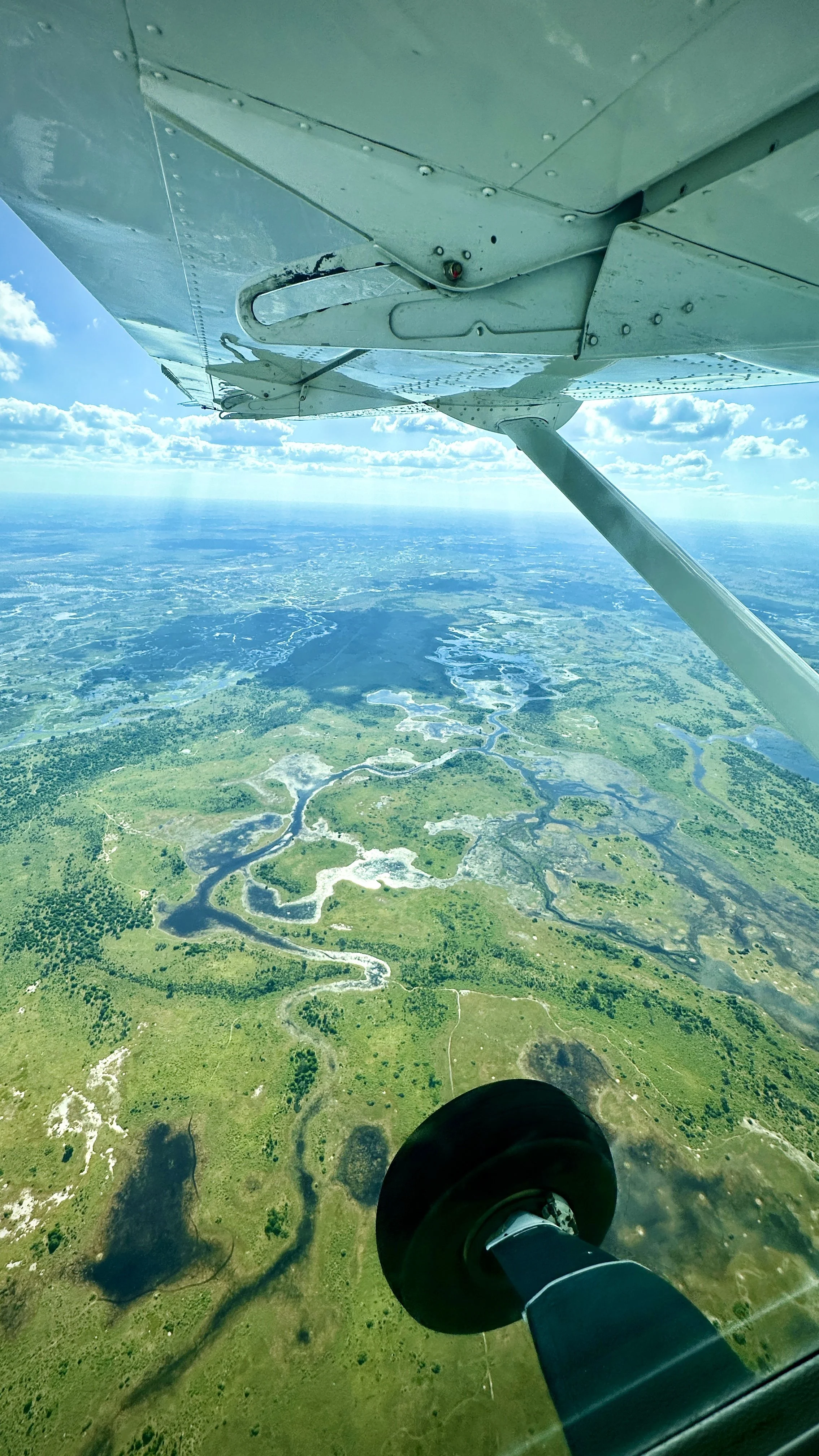
For anyone visiting Botswana for the first time, this is where the safari really begins. Large commercial aircraft give way to small bush planes, bags are packed tightly into the hold and the world below gradually becomes increasingly wild. Below us, channels wound through green floodplains, patches of woodland rose from the water and the scale of the landscape became increasingly apparent.
The Okavango is one of those places that makes far more sense from the air. What appears from ground level as a collection of rivers, lagoons and floodplains suddenly becomes part of one enormous interconnected system.
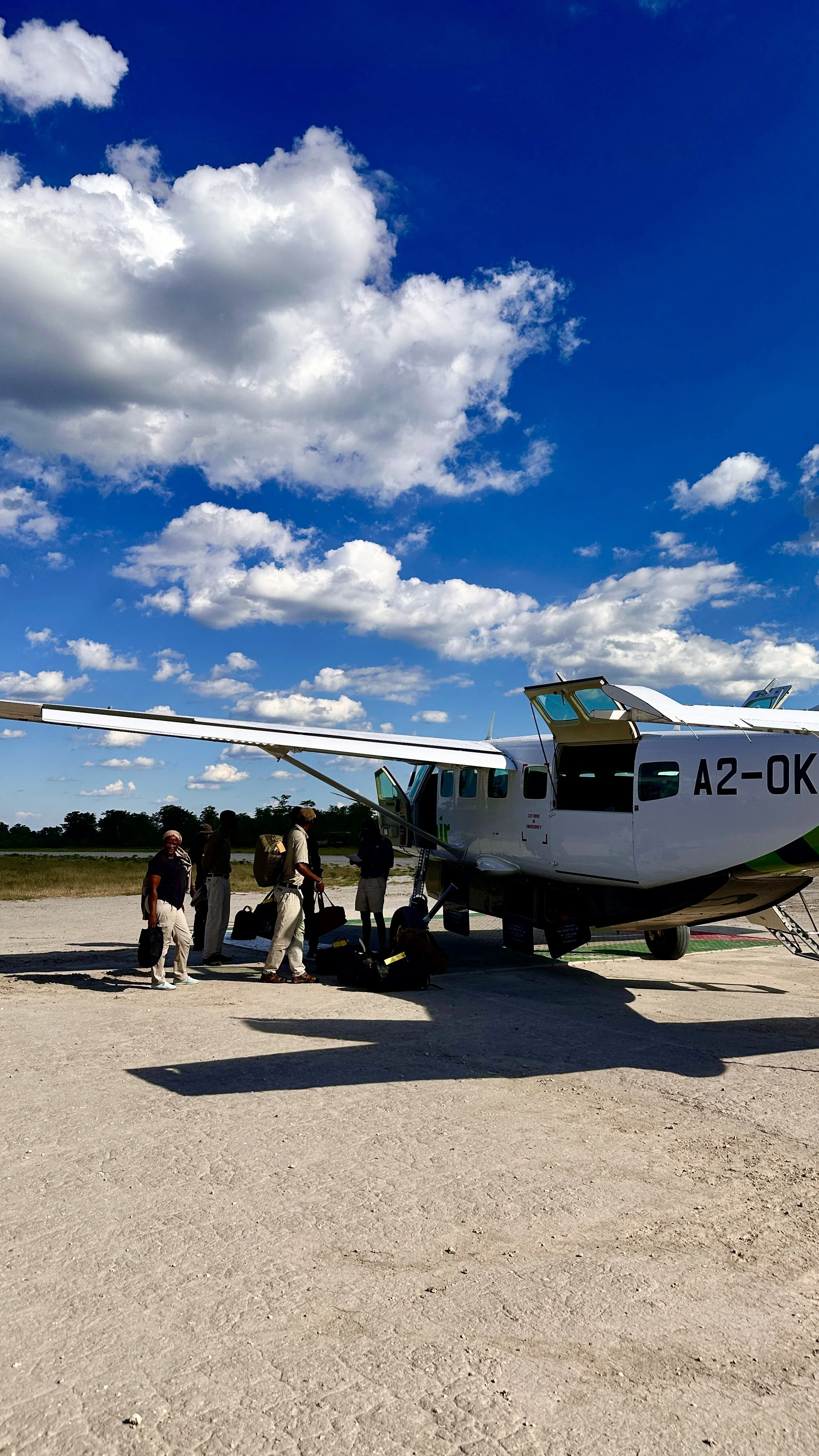
Daniel, our pilot, brought us down smoothly onto the bush airstrip, where our guides were waiting.
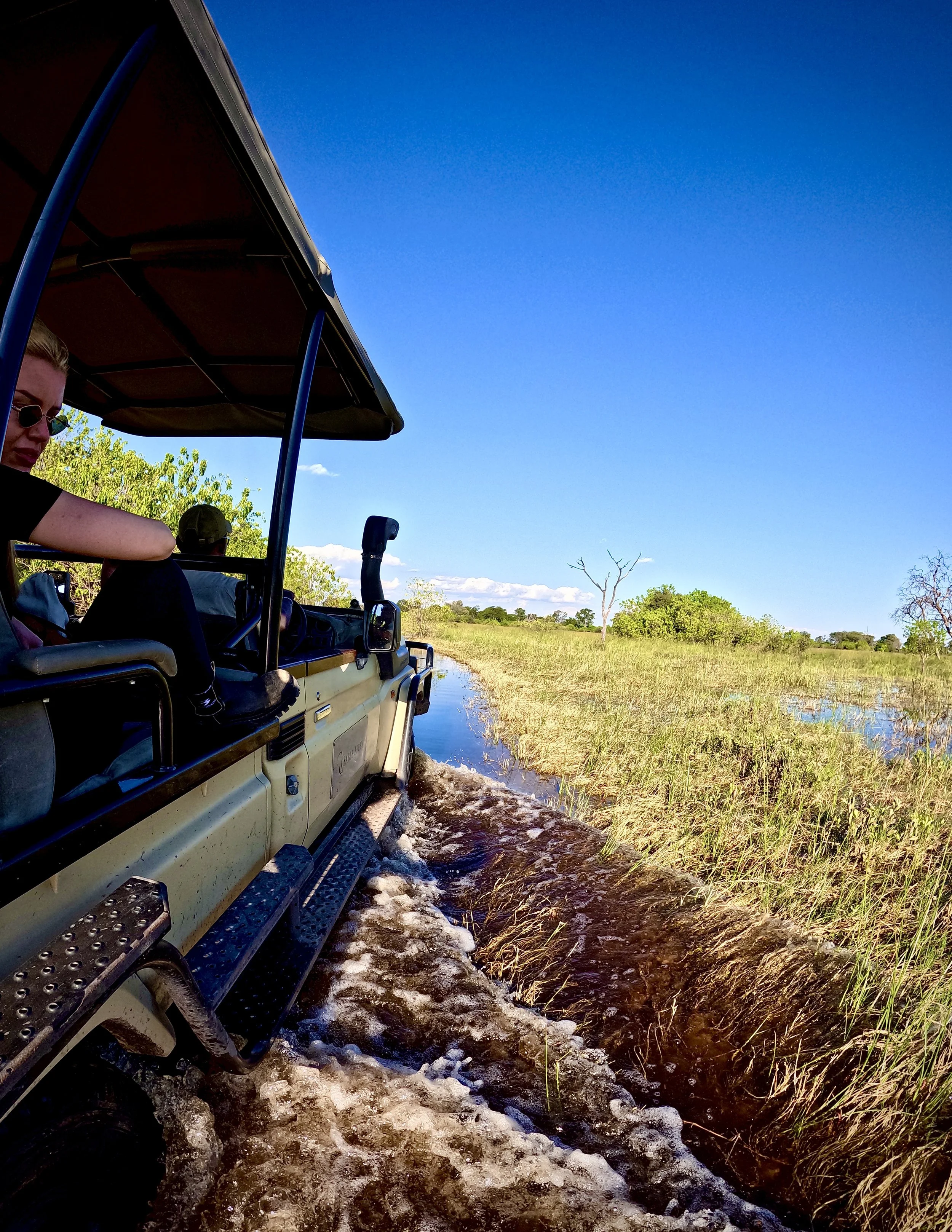
Within minutes, we discovered just how wet Khwai was going to be.
The drive to Little Sable took us through flooded tracks and stretches of surprisingly deep water. Around us, everything was intensely green.
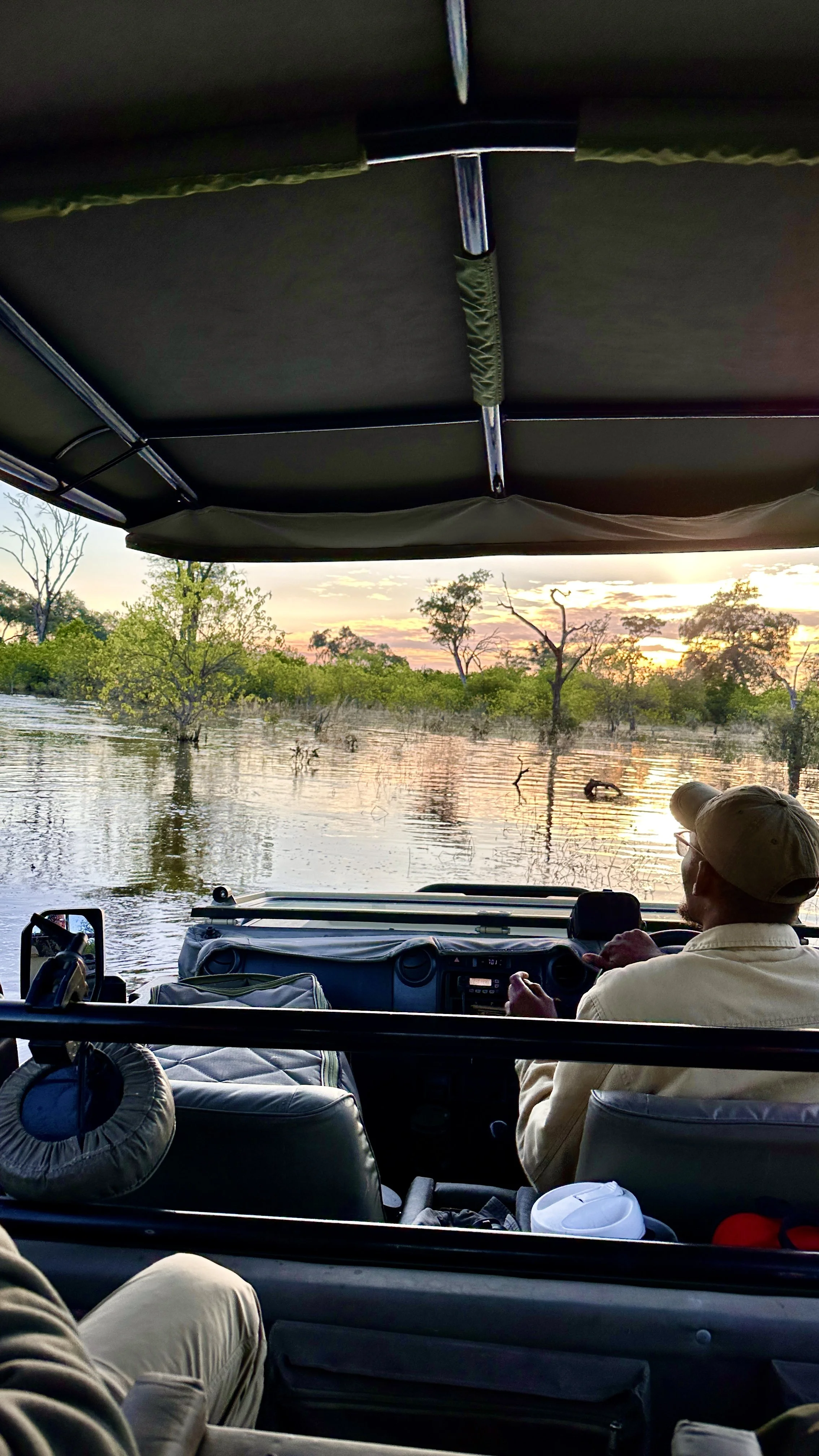
Khwai Private Reserve covers roughly 200,000 hectares on the edge of the wider Okavango ecosystem, combining floodplain, waterways, grassland and extensive mopane woodland. Little Sable itself is an intimate eight-tent camp overlooking the surrounding plains and would be our base for the next three nights.
After settling in, we had enough time for a short afternoon drive close to camp. Sightings were relatively quiet, but as we stopped for our first sundowners beside a floodplain, a group of impala suddenly began alarm calling. We searched the thick vegetation and suspected a leopard, but whatever had caused the alarm calls remained hidden.
That night the sounds continued from camp. Hippos called from the surrounding water. And somewhere in the darkness, lions roared.
The plan for the following morning was obvious.
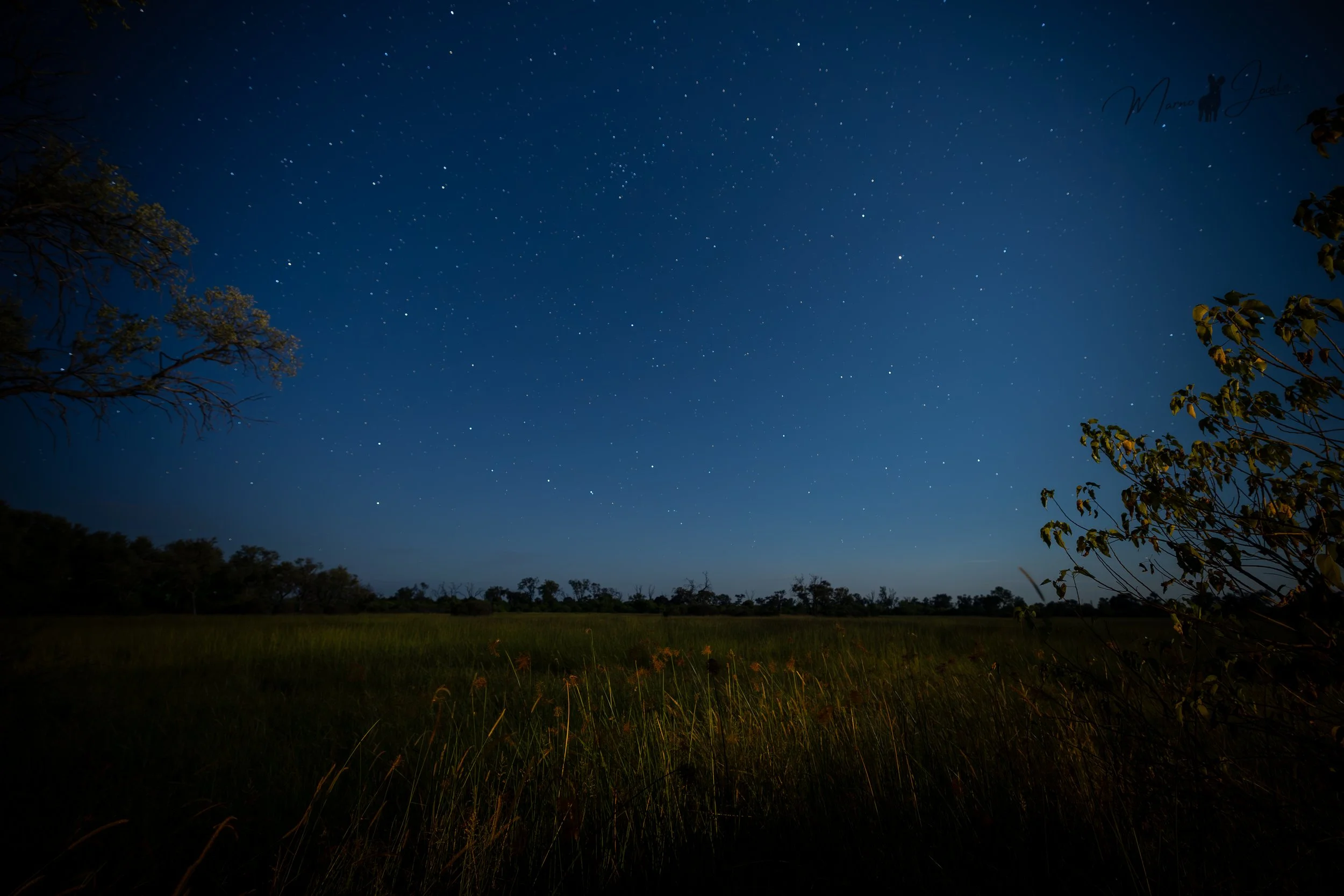
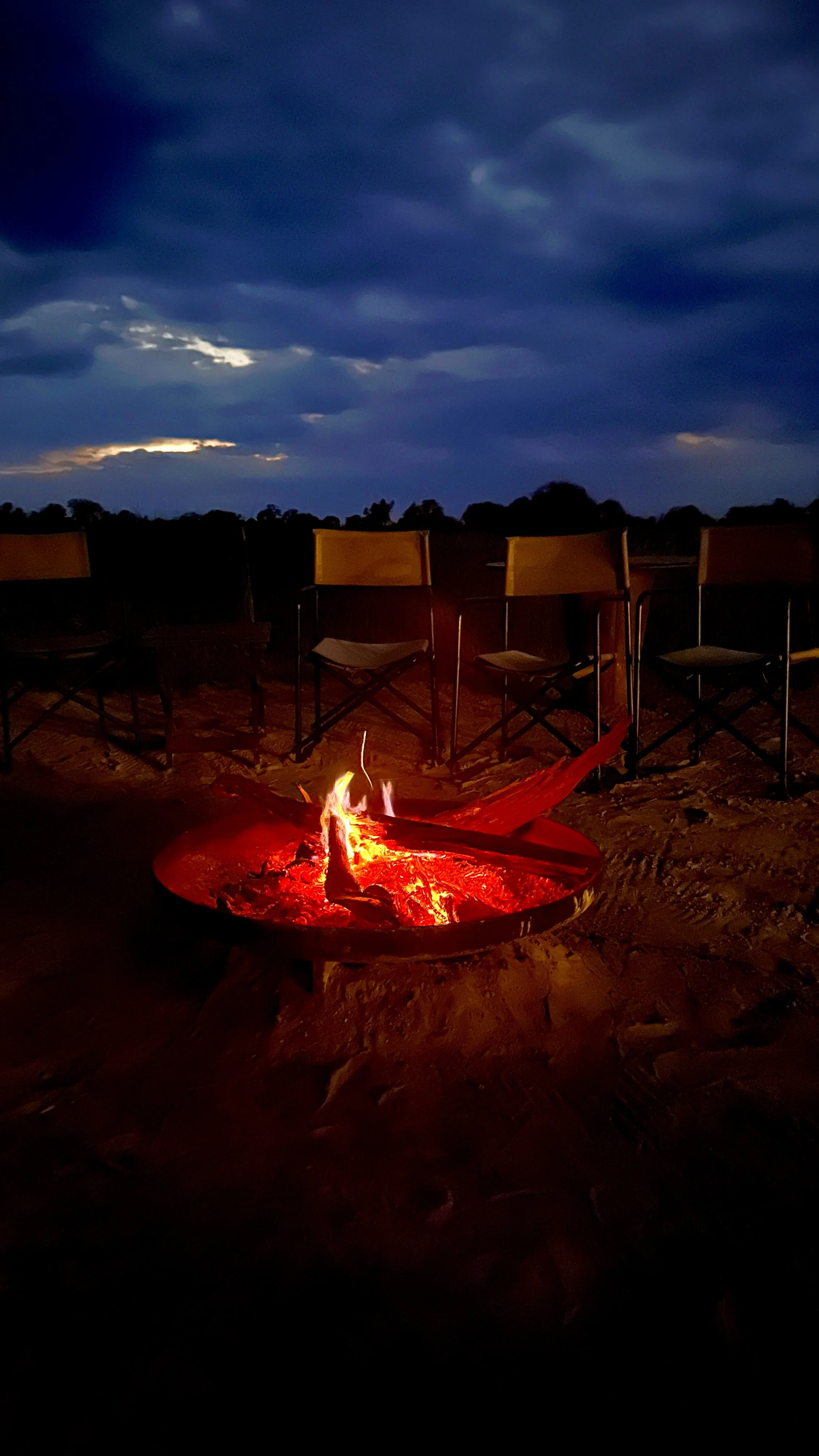
A clear night over Little Sable, with the stars stretching above the floodplains directly in front of our rooms.
Day 2 – Four Tiny Lion Cubs in Khwai
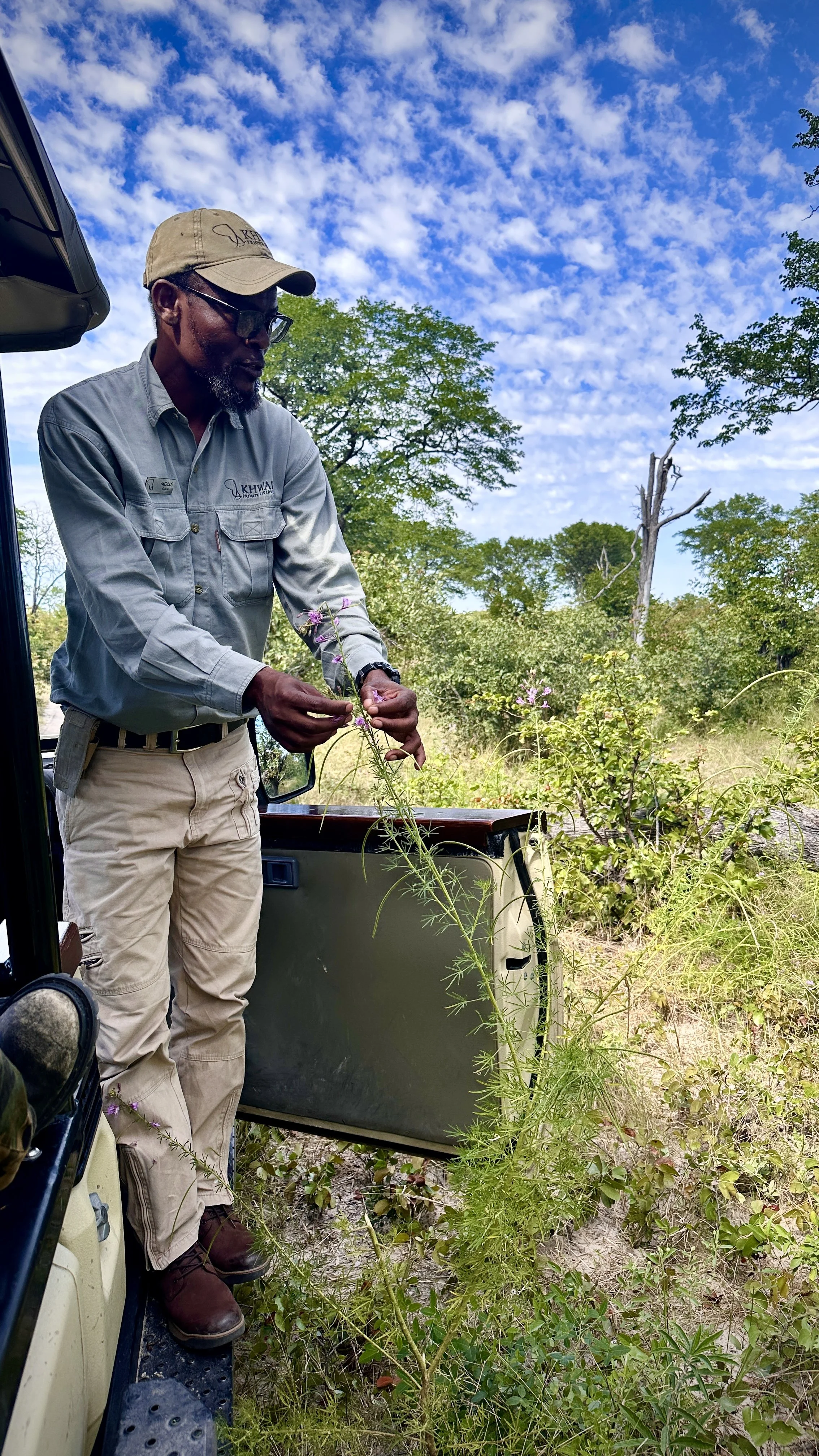
We headed out early with our guides Molls and Ryder, following the direction of the lions we had heard during the night. Fresh tracks appeared quickly, but the water made following them difficult. Spoor would show briefly in soft sand before disappearing beneath flooded ground or into thick vegetation.
We searched, lost the tracks, circled around and searched again.
Then we turned a corner. There were the lions.
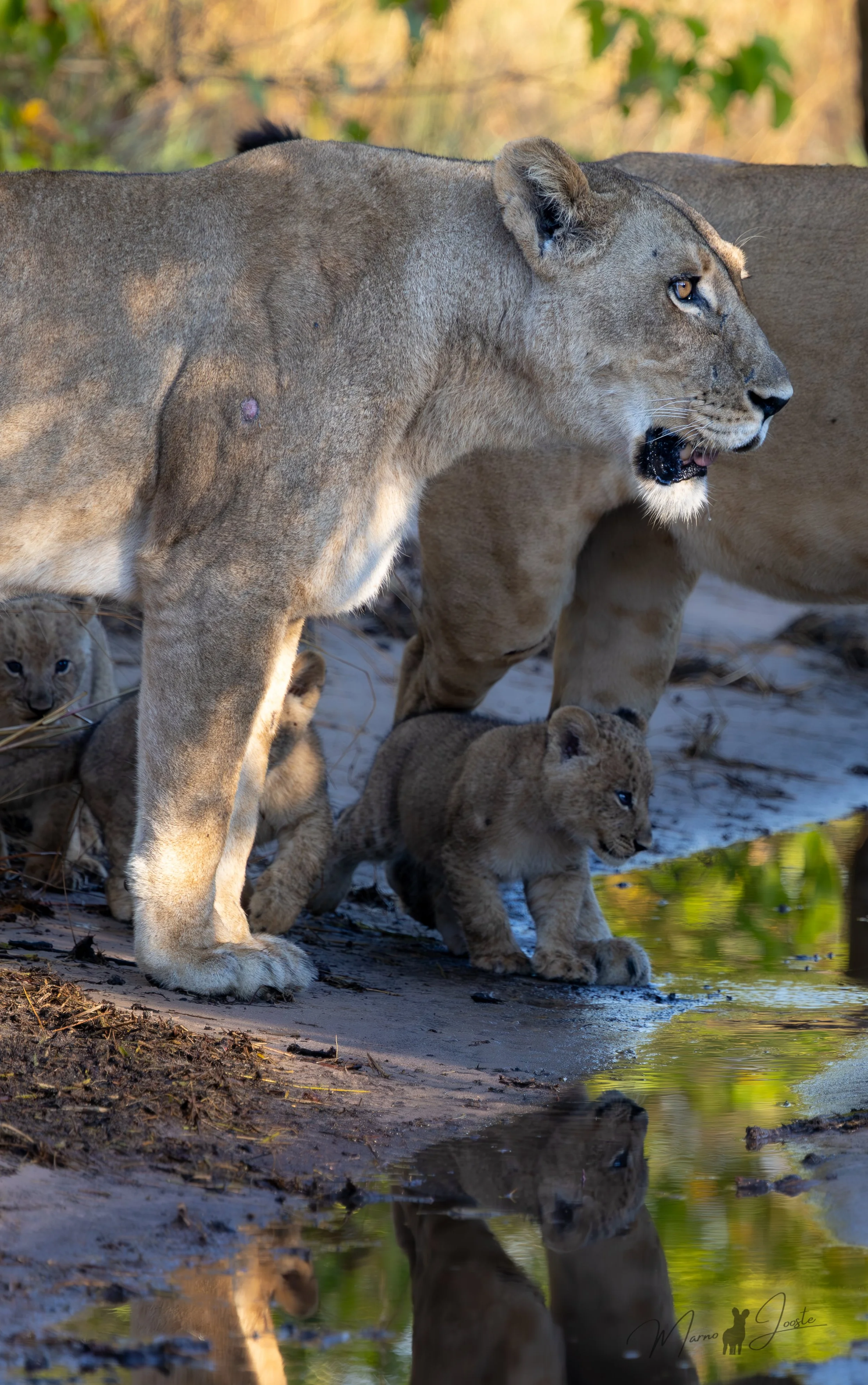
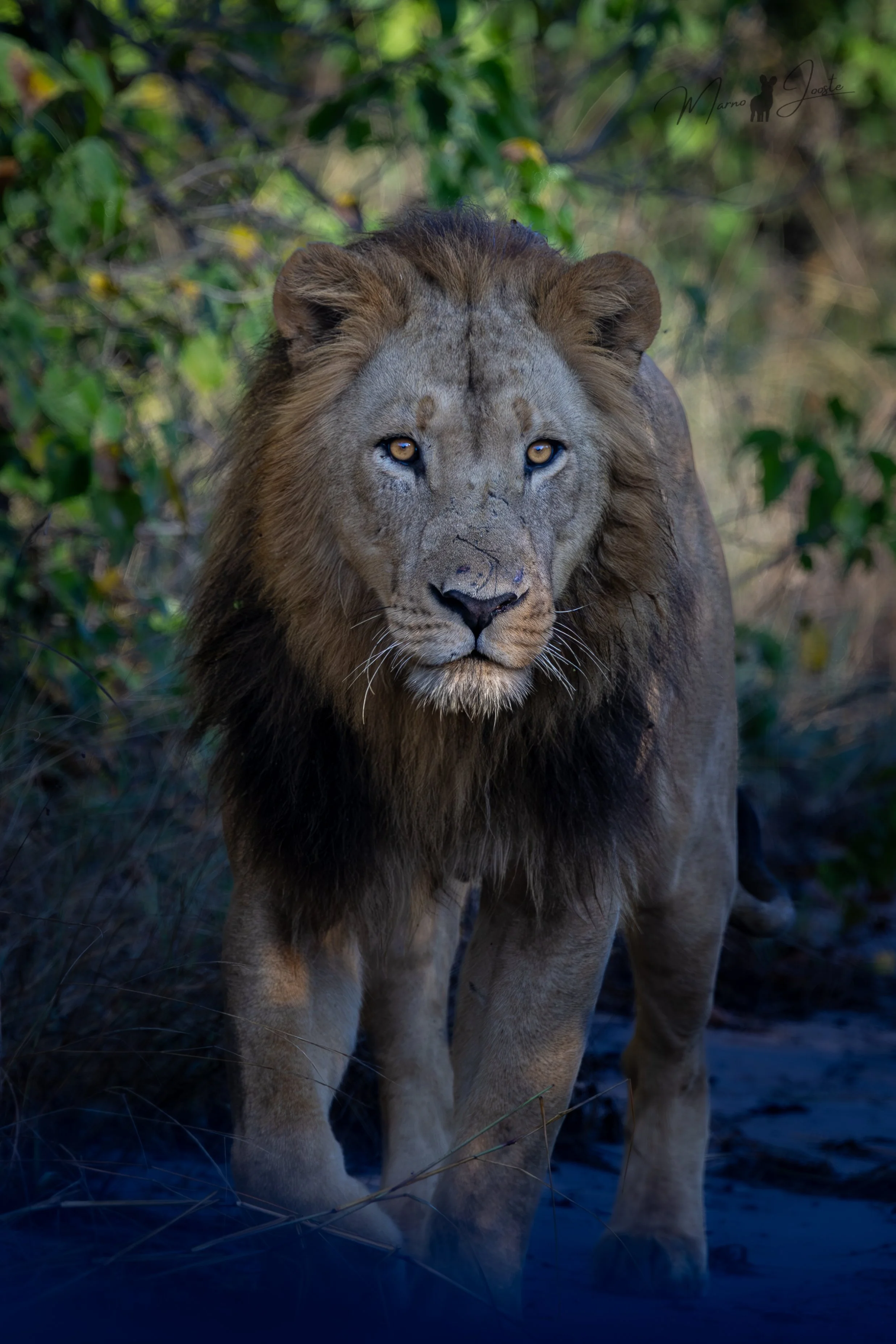
Initially we found a male and female, but as we repositioned the full scene revealed itself: two adult males, two females and four tiny cubs, estimated by the guides to be around three to four weeks old.
It became the defining sighting of our time at Little Sable.
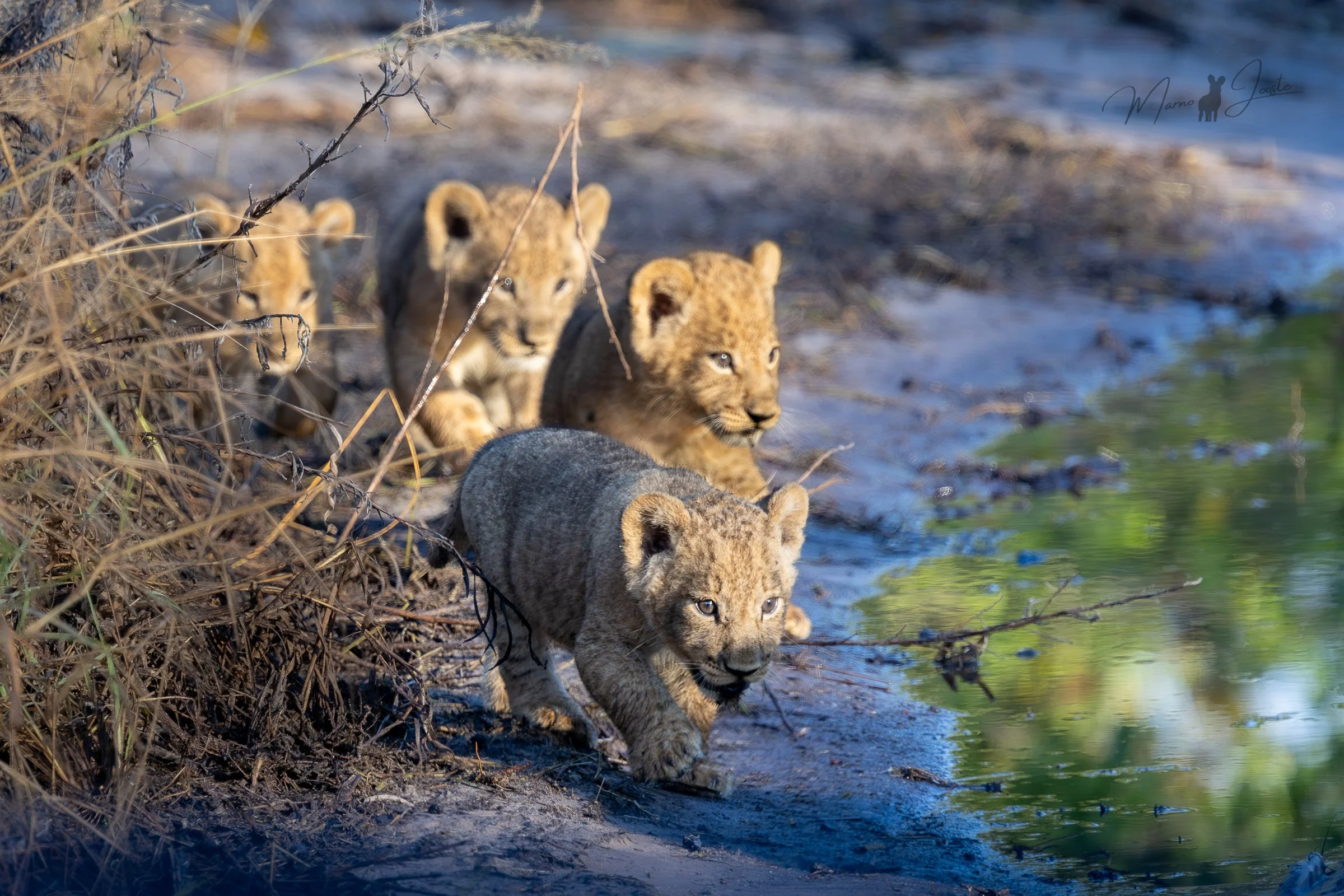
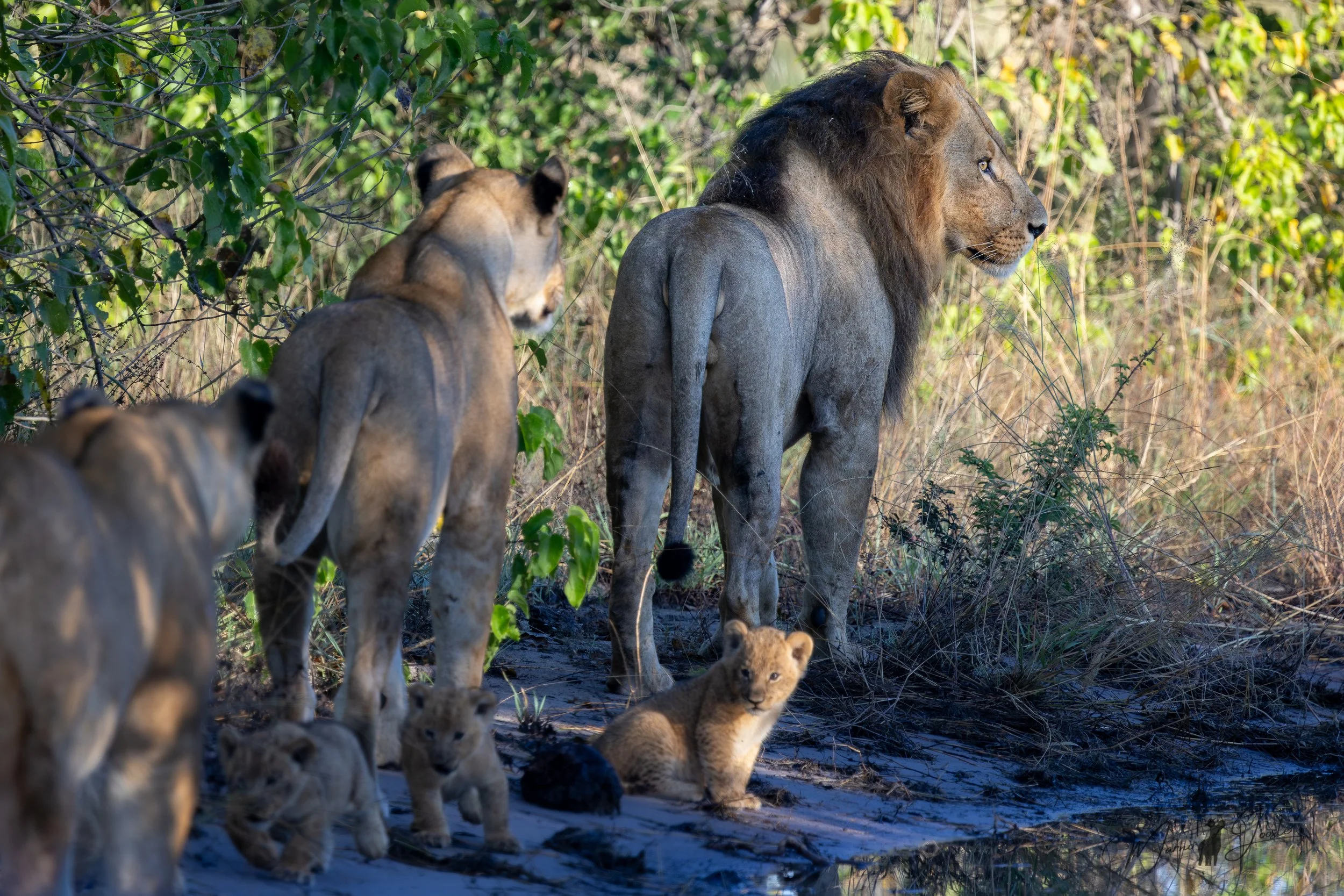
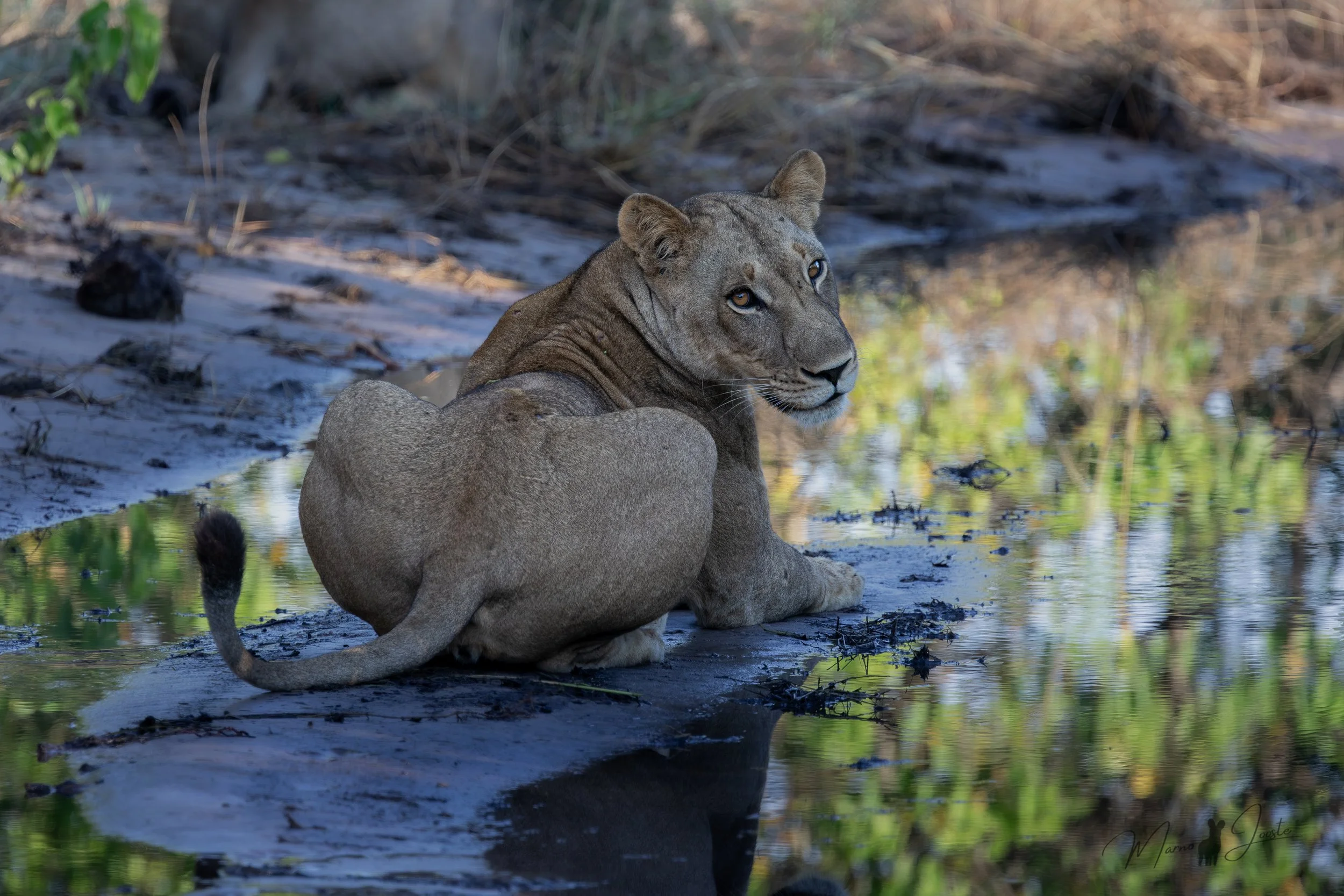
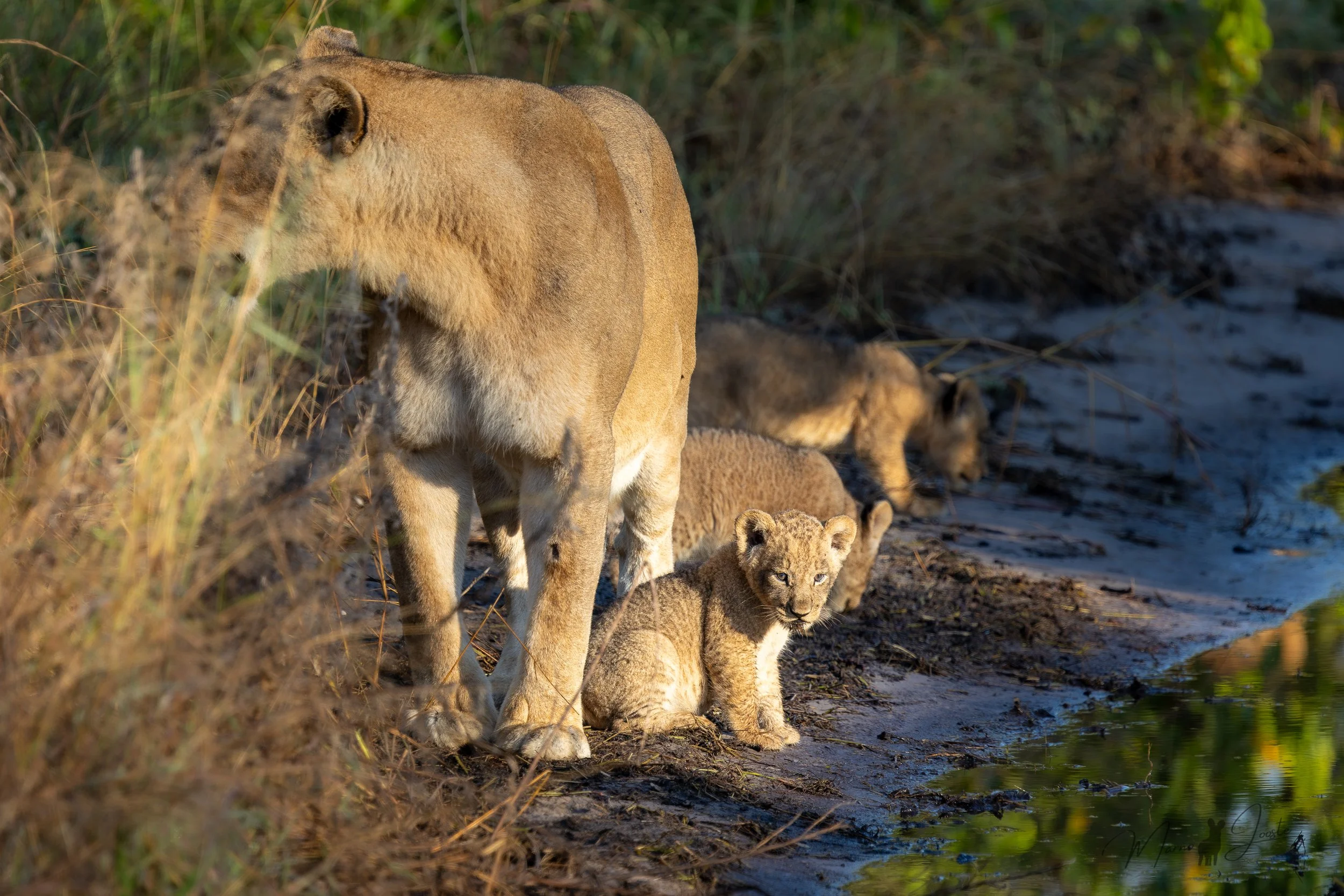
We were told it was the first time our guides had seen all four cubs together, and we had arrived just as one of the females was moving them between small islands of dry ground. One by one, they followed her across the track directly in front of us.
The cubs were still tiny, unsteady and extremely inquisitive. A couple ventured remarkably close to the vehicle before eventually following their mother into the vegetation.
For several guests experiencing their first African safari, it was an extraordinary introduction to Botswana.
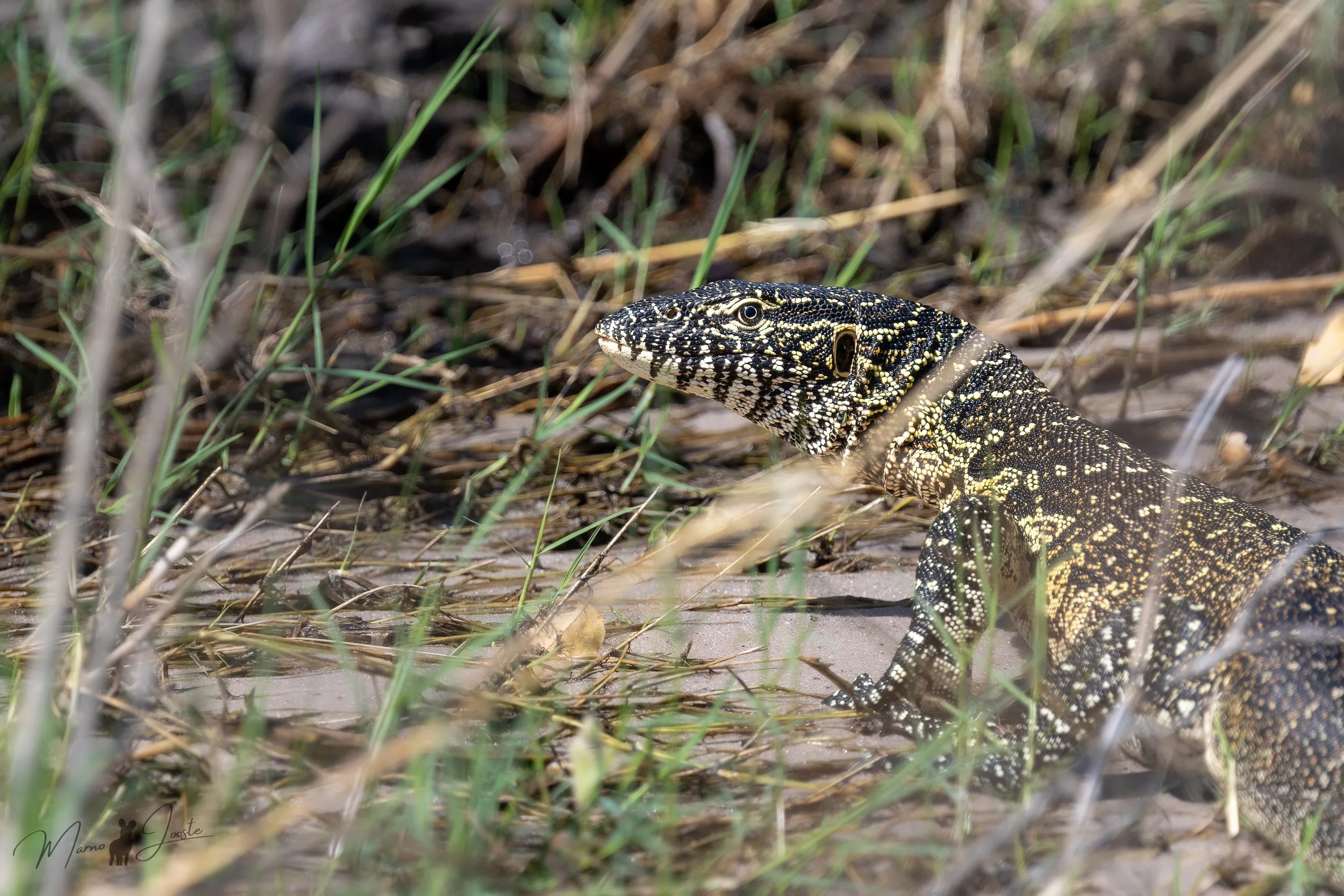
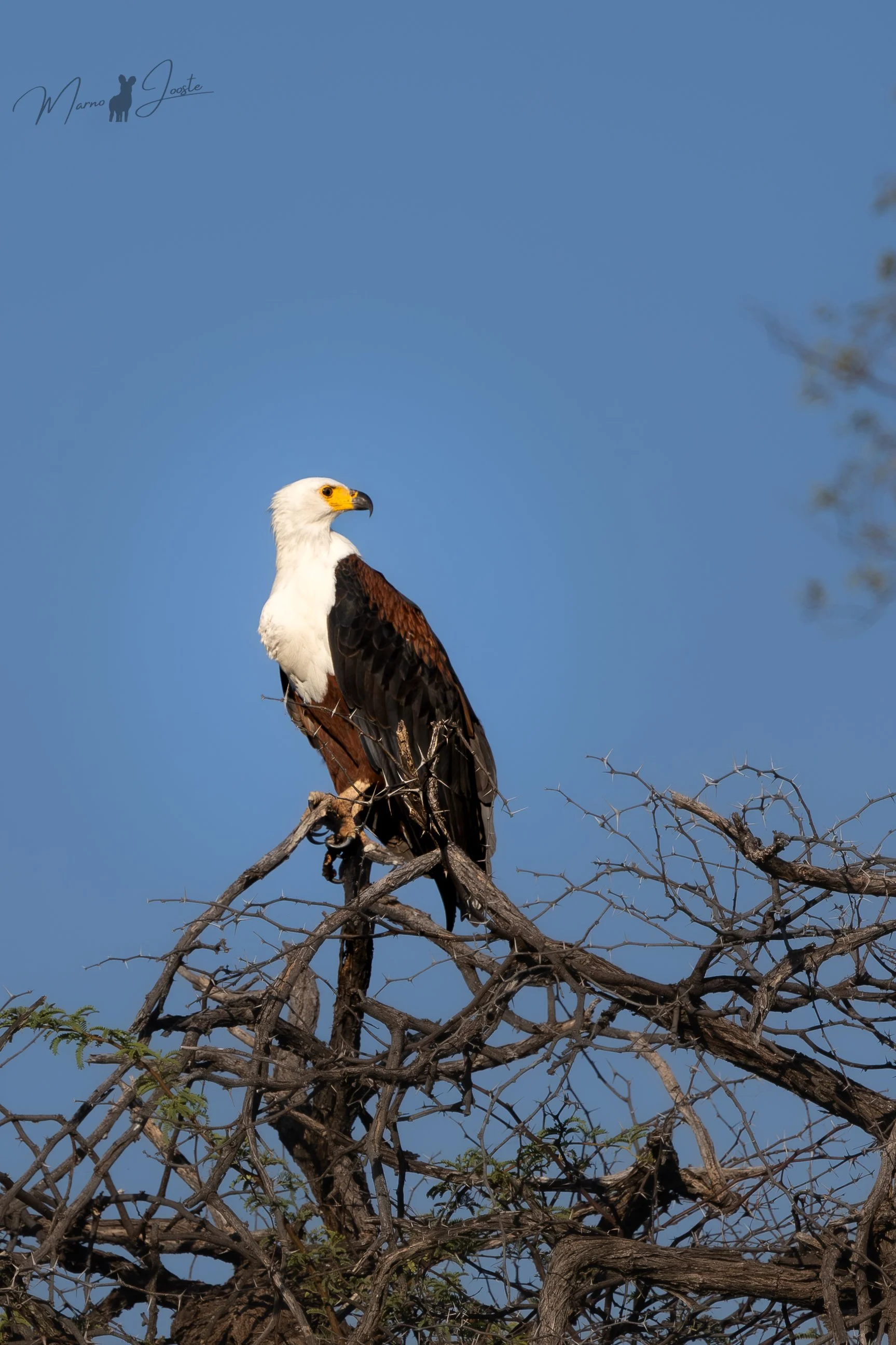
The rest of the morning produced giraffe, zebra, impala, waterbuck, red lechwe and a water monitor, together with the almost constant call of African fish eagles across the floodplain.
An Unexpected Walk Home
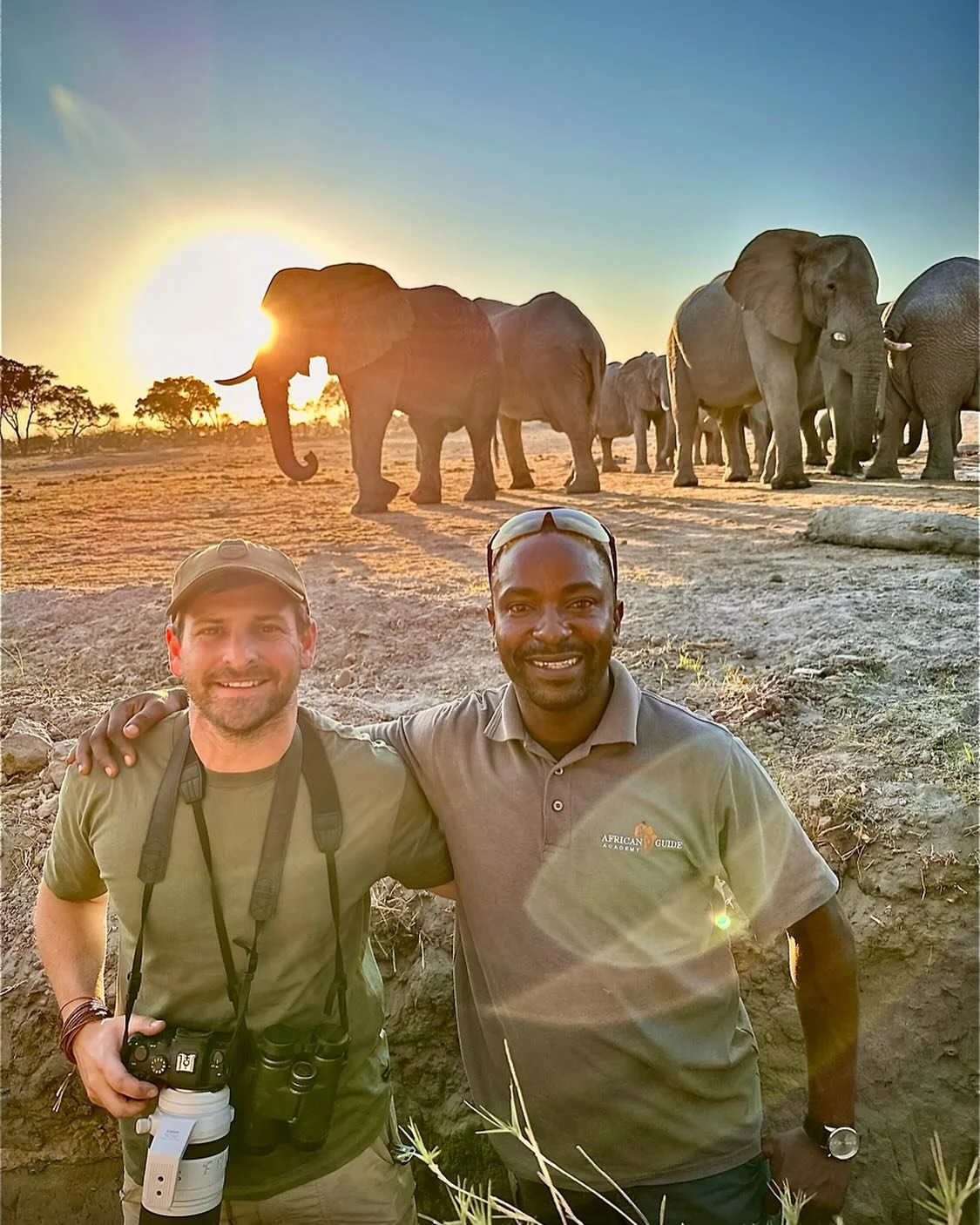
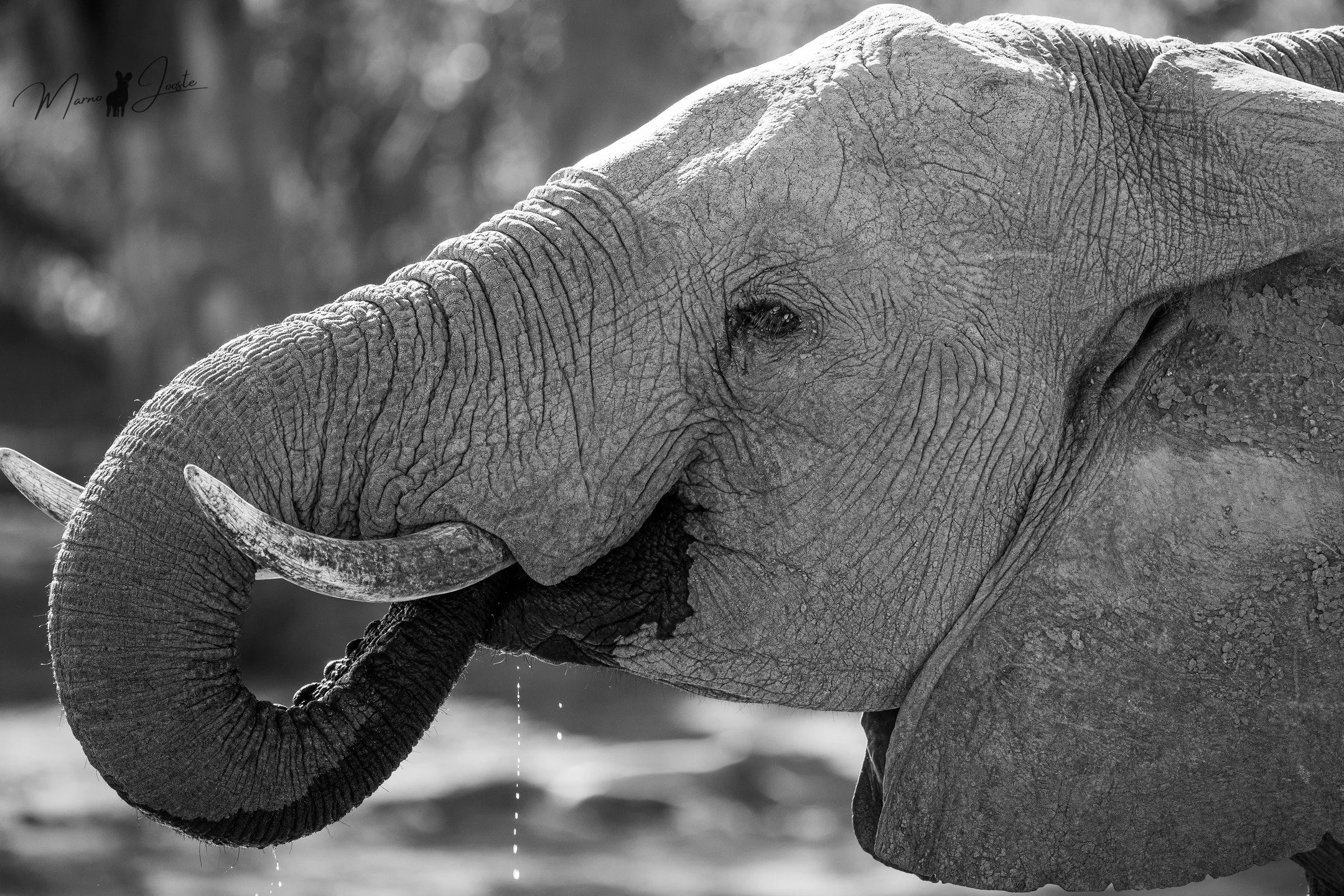
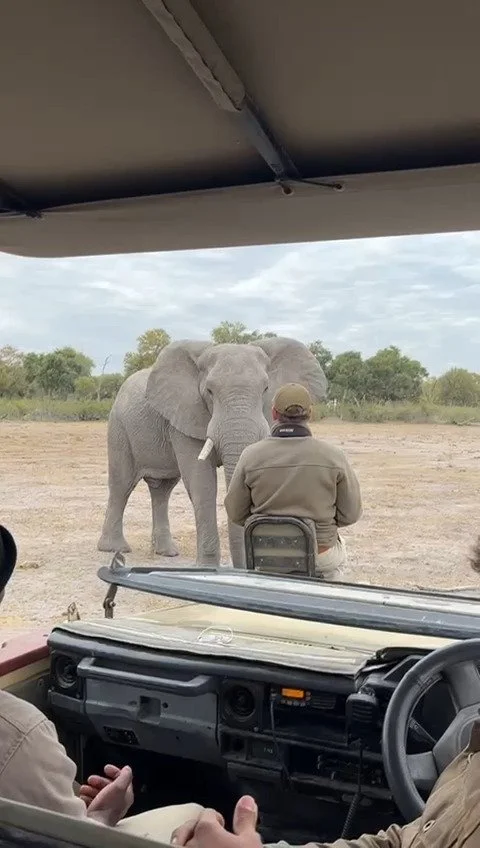
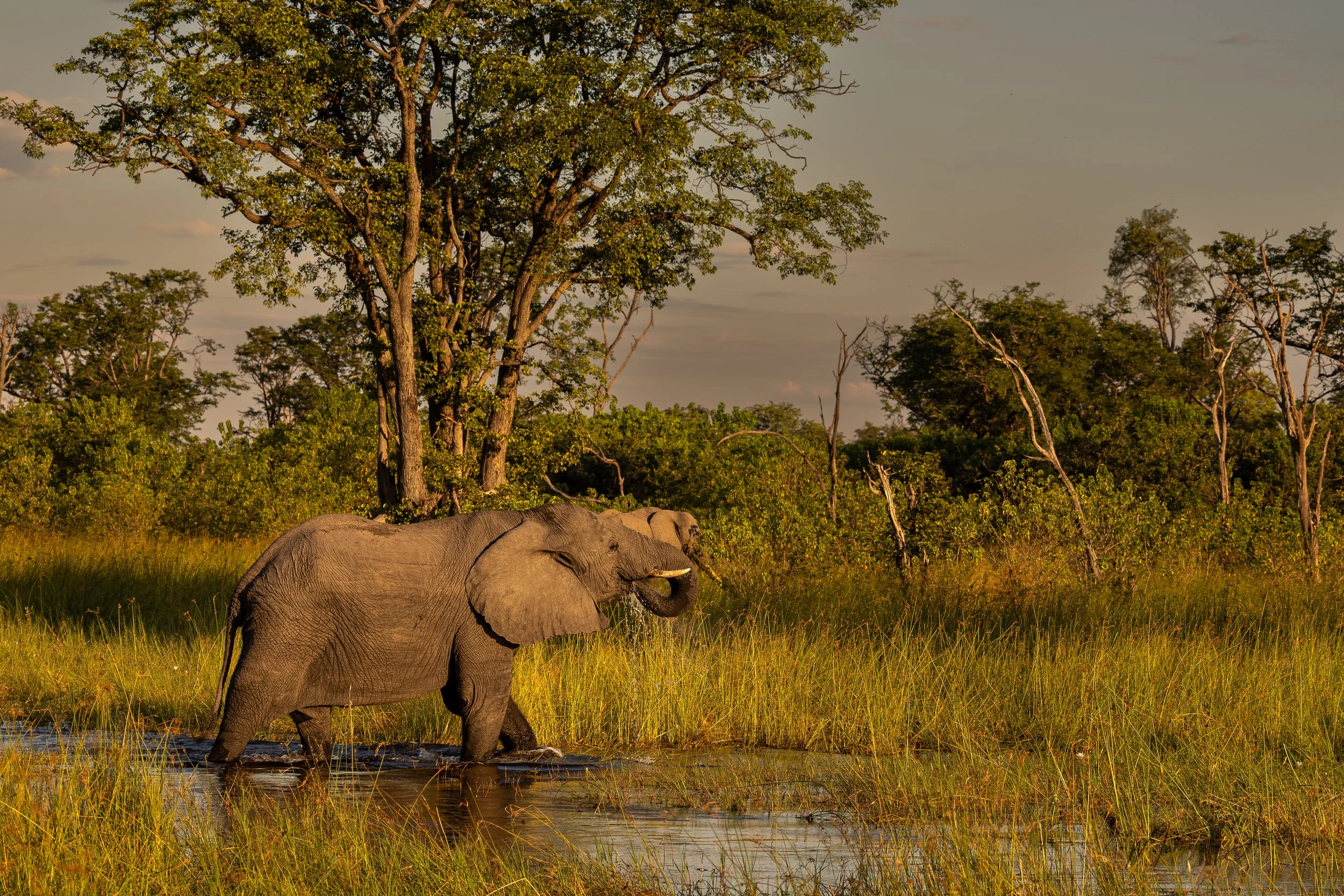
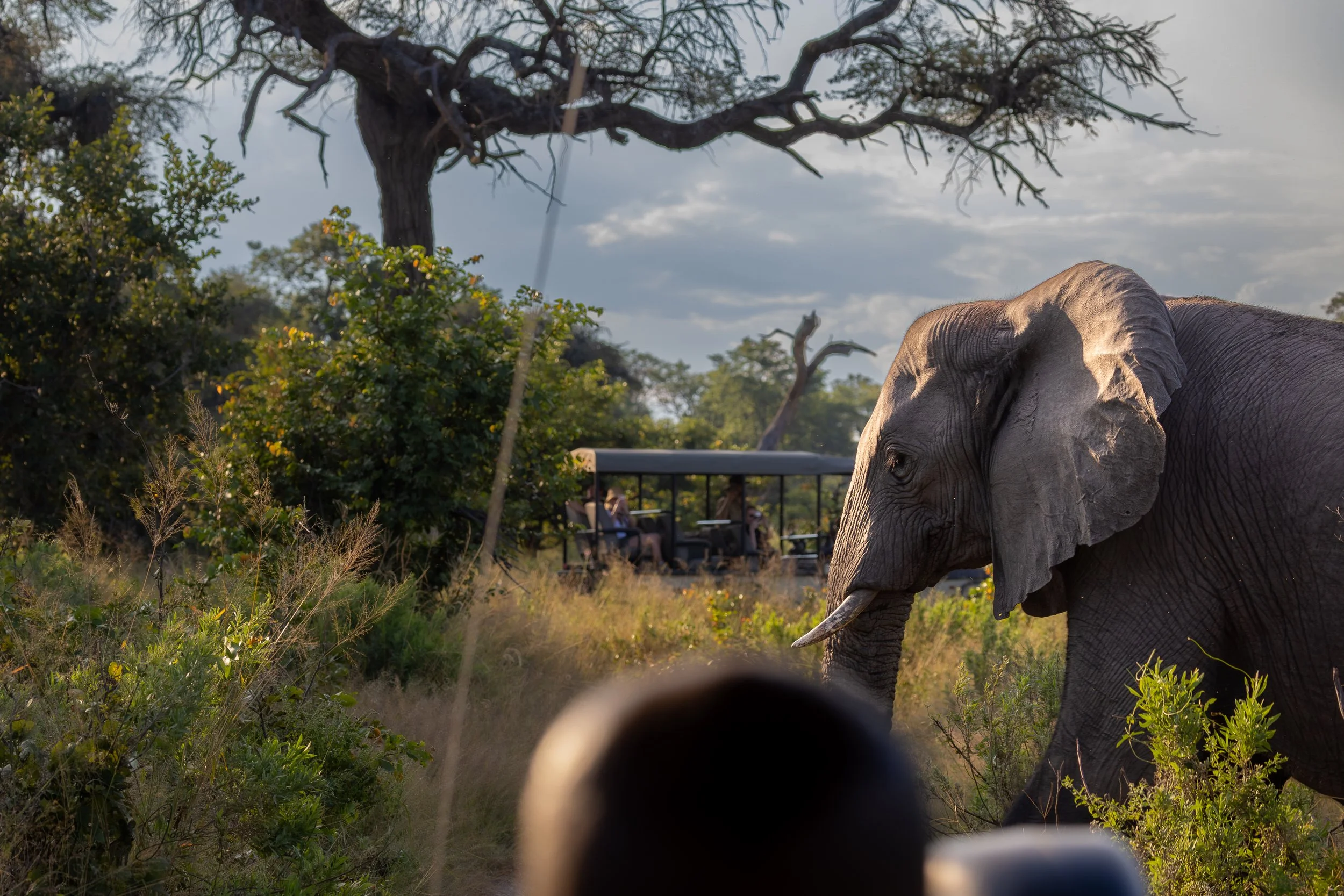
That afternoon, with Ryder guiding us, we found giraffe, baboons and a sizeable herd of elephants moving through the mopane woodland.
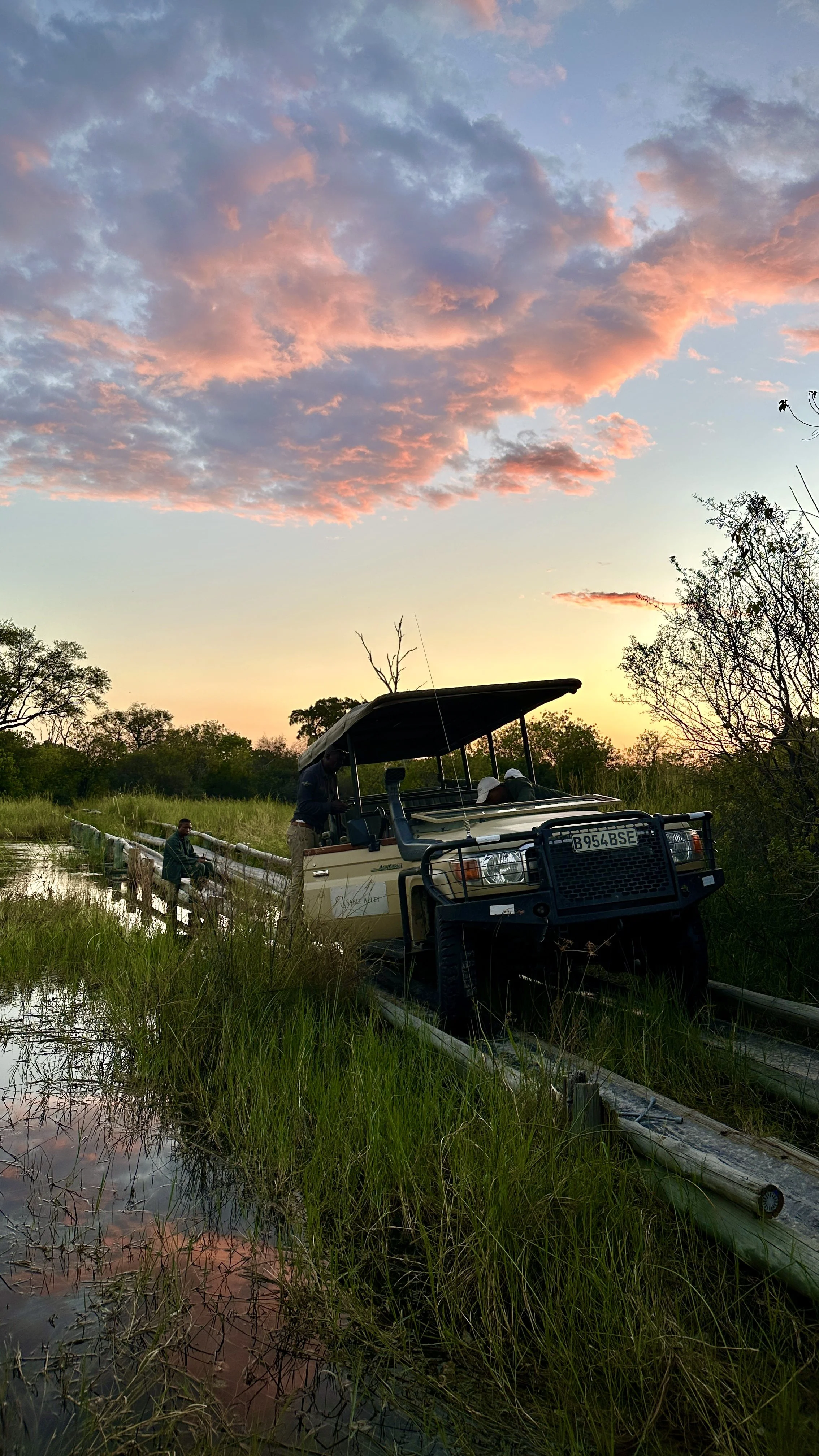
But the adventure of the afternoon had nothing to do with wildlife.
One of the other safari vehicles attempted to cross the only bridge back towards camp when part of the structure gave way. A rear wheel dropped into the gap and the vehicle became firmly stuck. Several attempts to tow it free proved unsuccessful.
So, with little else to do, we turned the recovery operation into a sundowner stop beside the water.
As the light faded, however, the guides made the decision that we should walk the remaining distance back to camp before complete darkness.
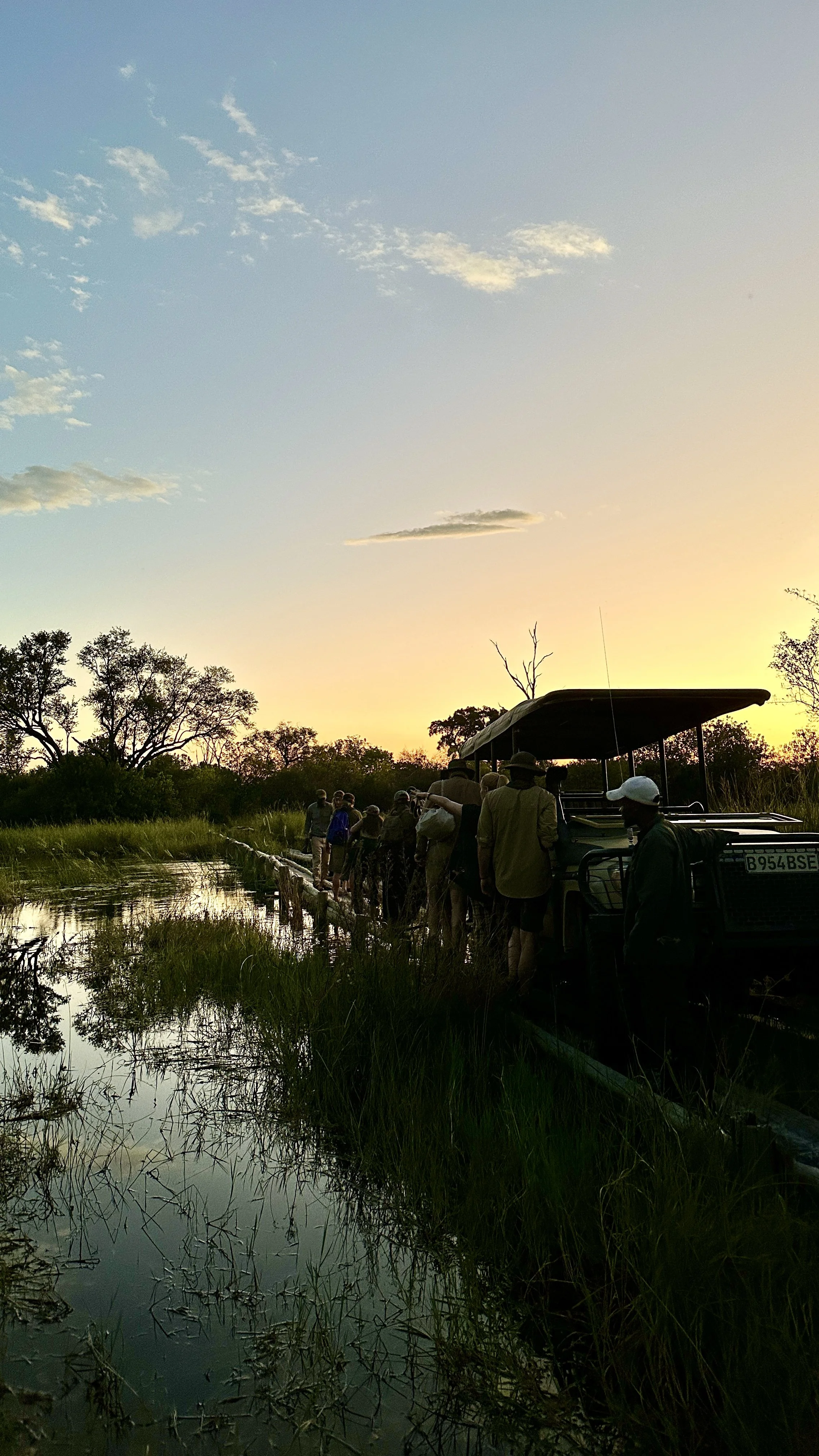
Shoes came off. We crossed knee-deep water and mud, with one guide at the front, another within the group and Marno bringing up the rear helping guests and carrying bags.
Then, somewhere out in the darkness, the lions roared.
There is something rather different about hearing that sound from the security of a safari vehicle and hearing it while walking through the bush.
Everyone made it safely back to camp, considerably muddier than when we had started.
Dinner, drinks and stories around the campfire were a very welcome end to the day that would turn out to be one of the most exciting activities our guests would undertake on this safari trip.
Day 3 – Lions, Owls and a Storm over Khwai
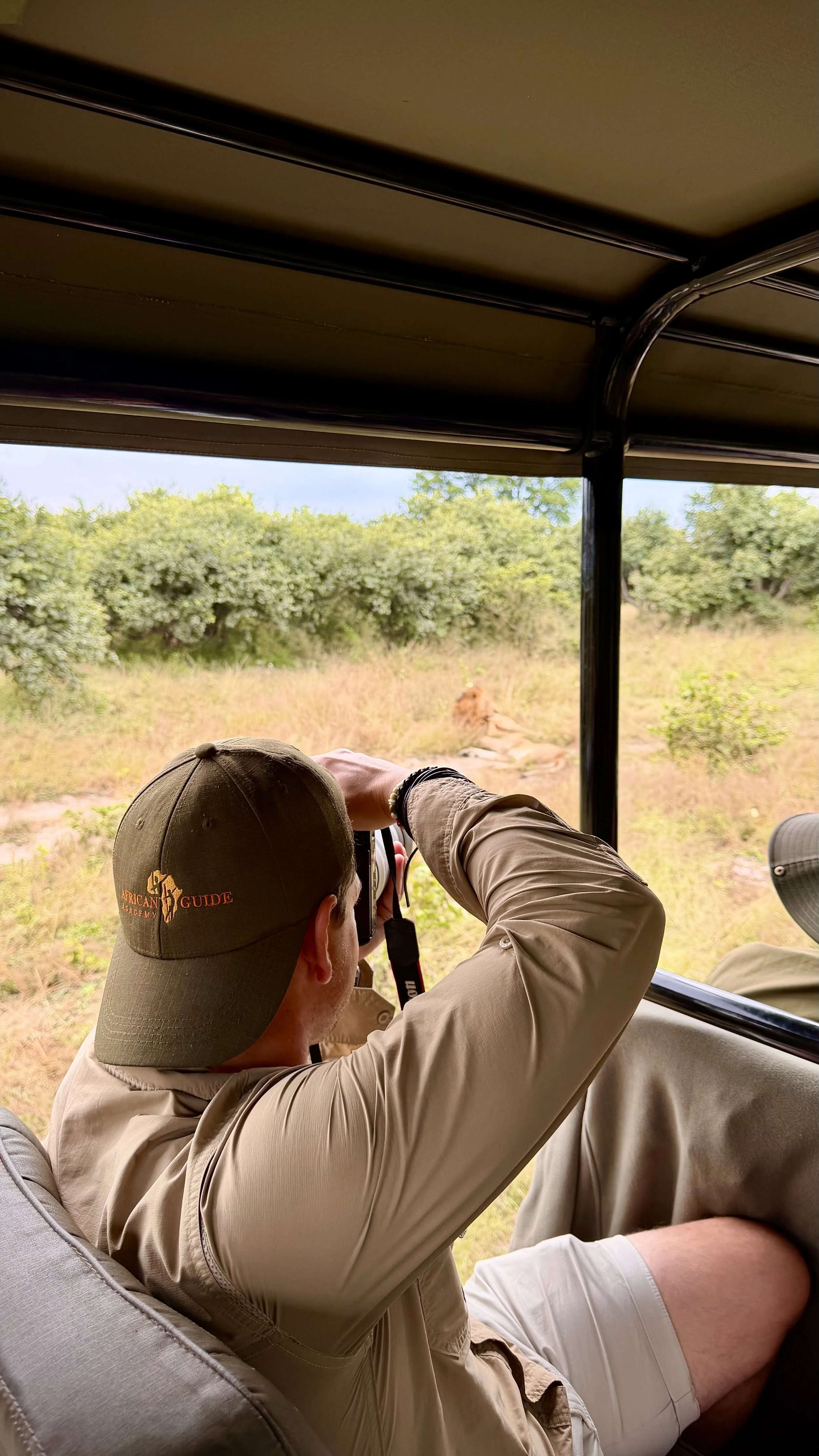
The following morning we returned to the lions. This time we found two males and one female resting together. One male was attempting to mate with her, while the second remained nearby and kept a close eye on the pair.
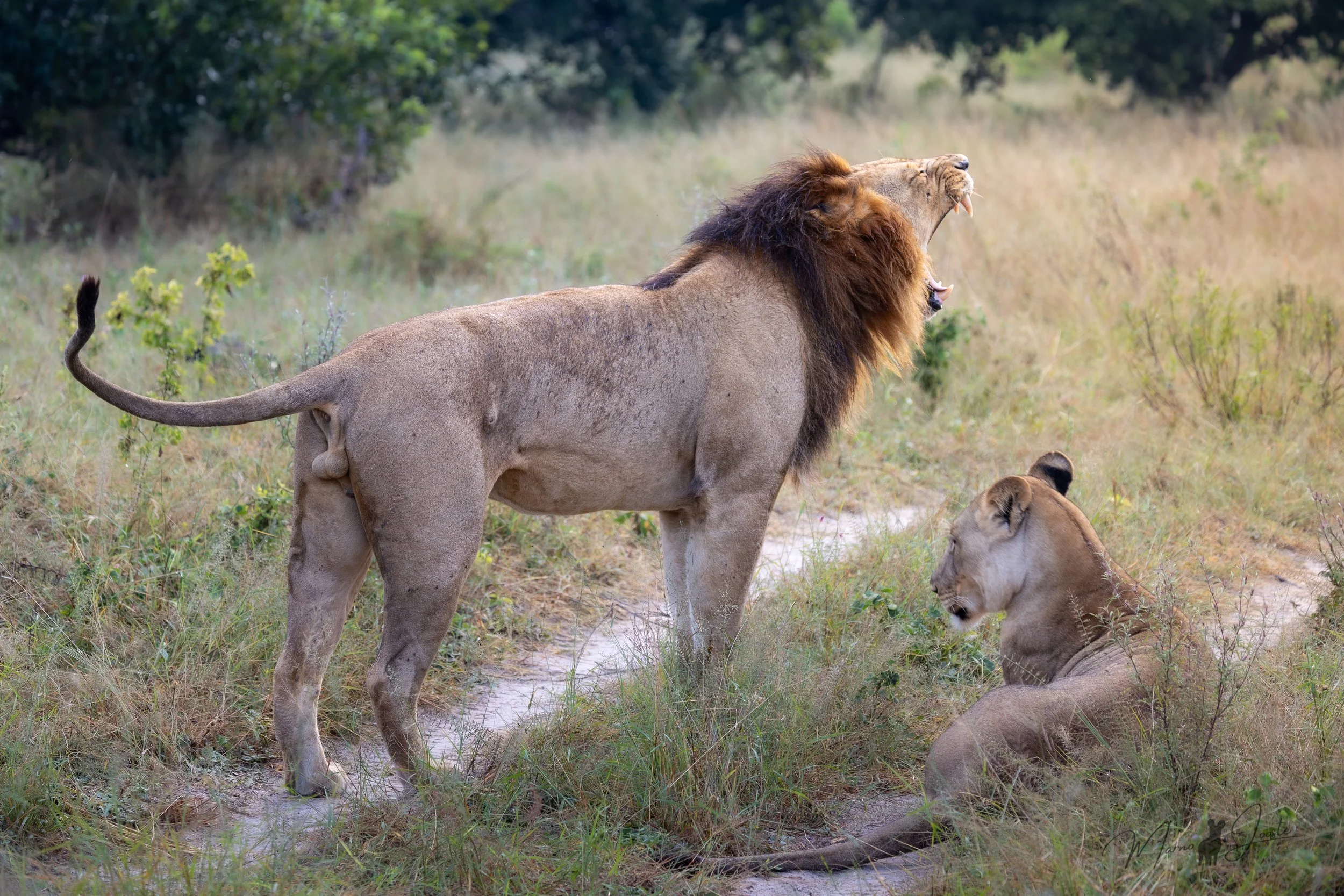
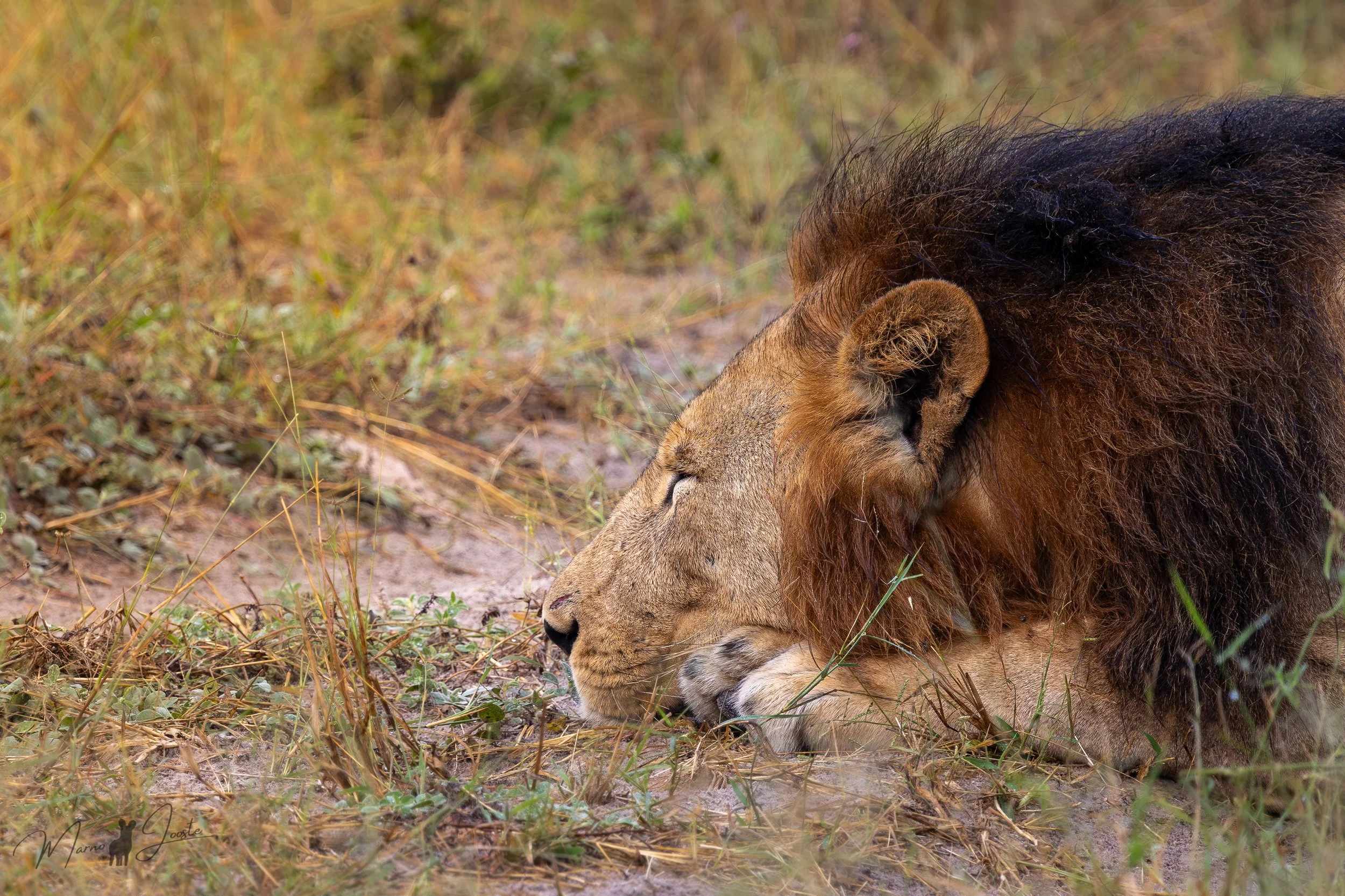
They spent most of the morning doing what lions do particularly well, very little, but the sighting gave us some excellent photographic opportunities.
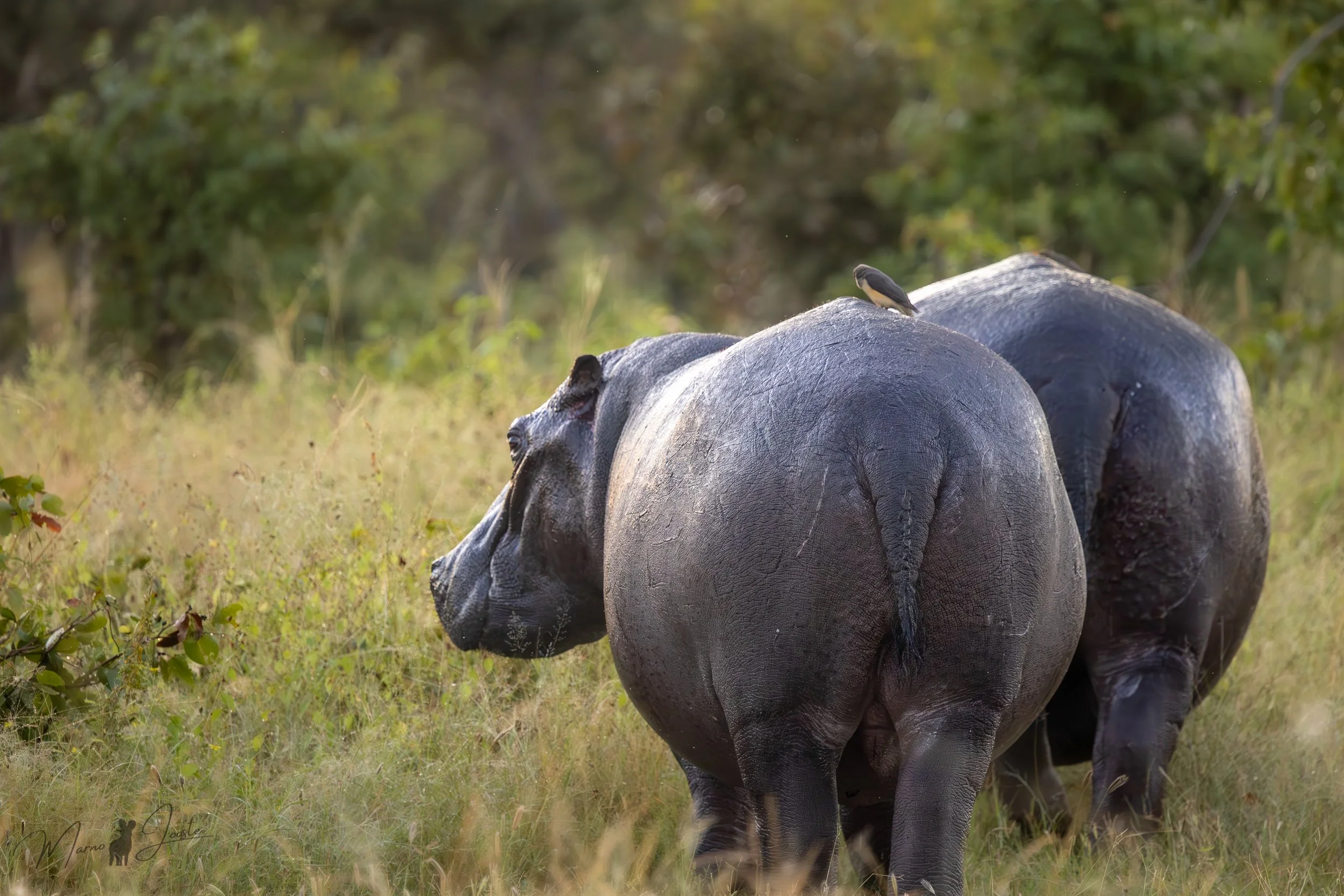
Elsewhere, we found giraffes, impala and fresh hippo tracks before coming across fresh African wild dog spoor.
A small pack was known to move through the area and the tracks looked promising, but despite searching we were unable to find them.
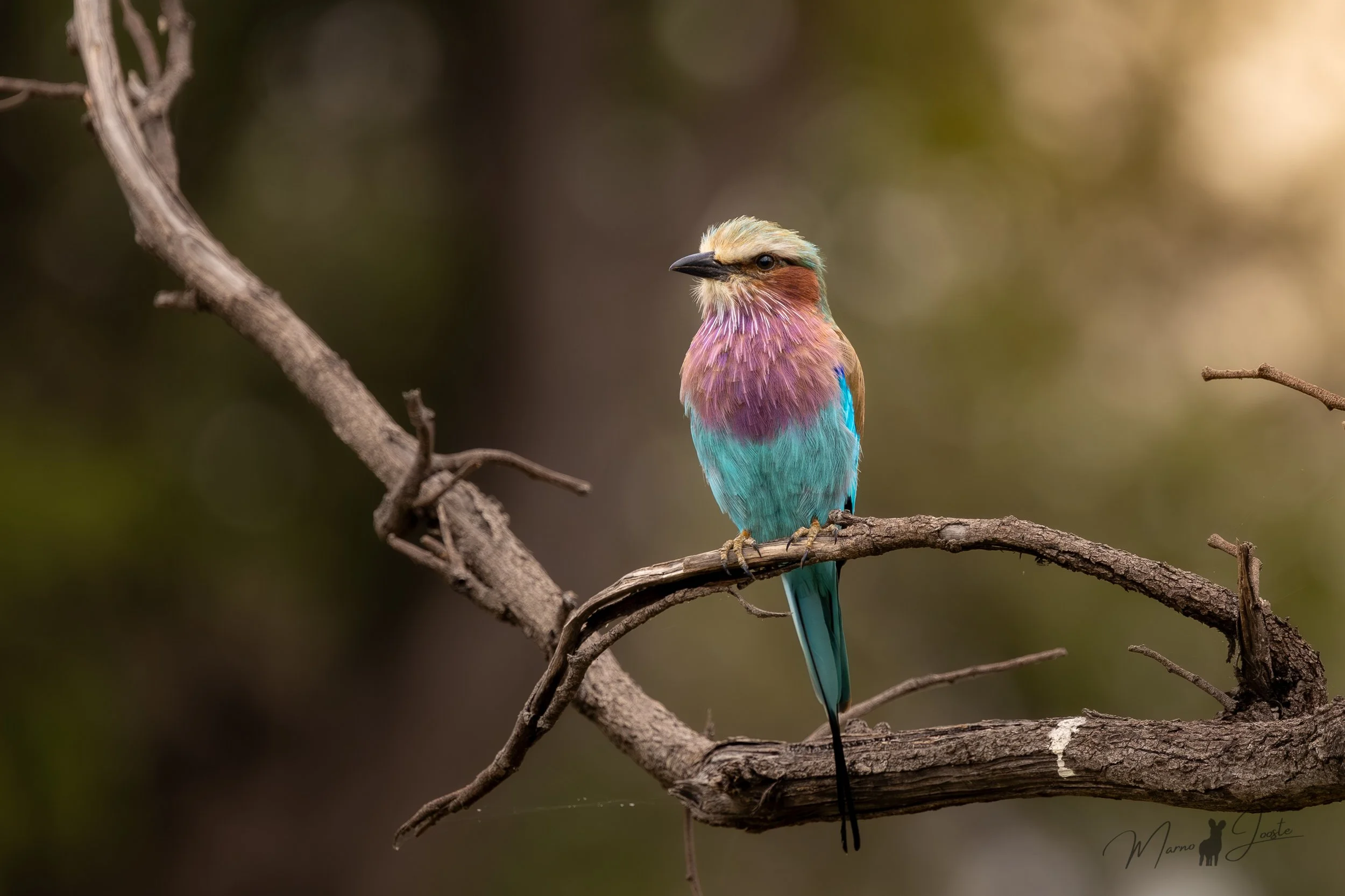
One of my favourite sightings of the morning came slightly later.
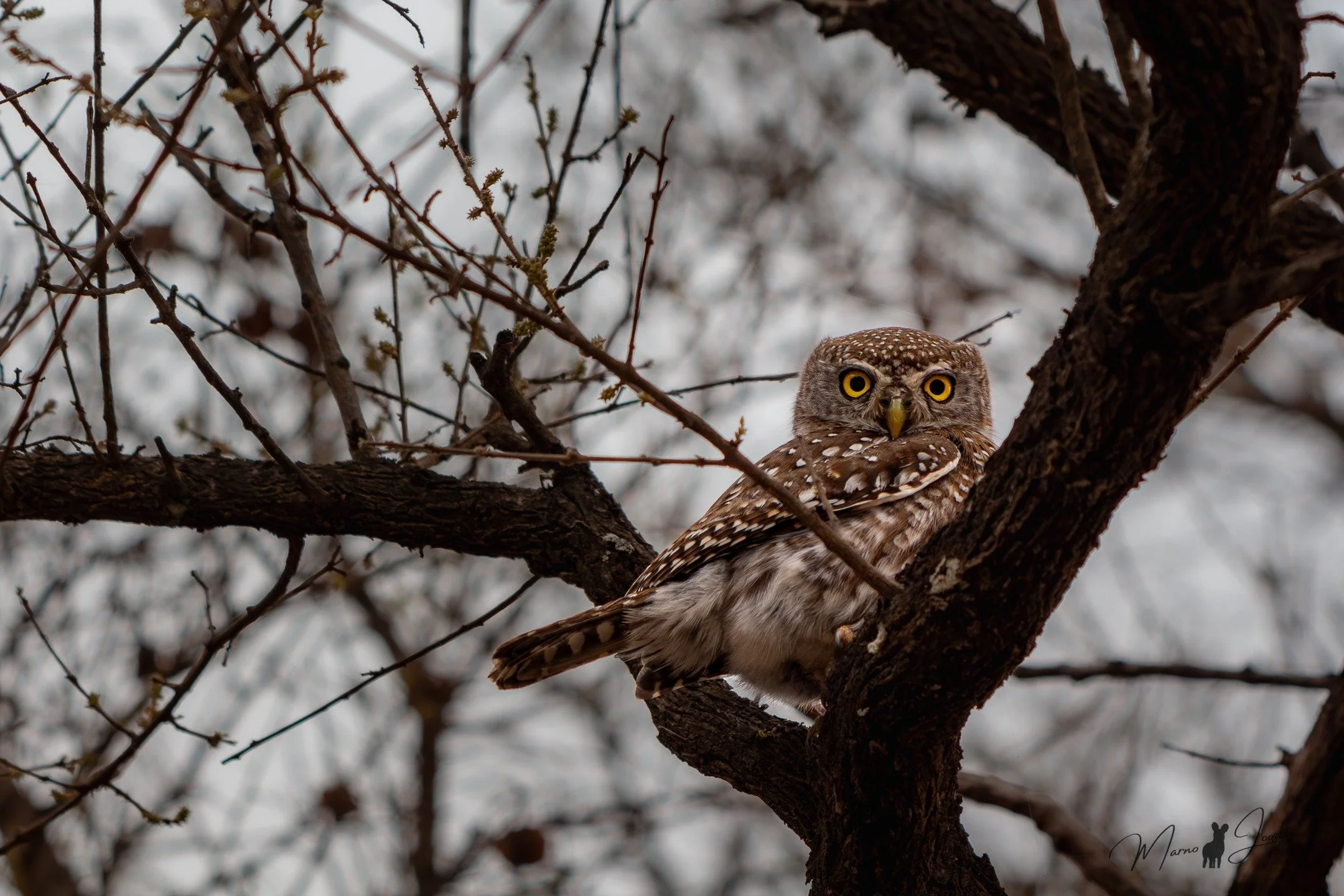
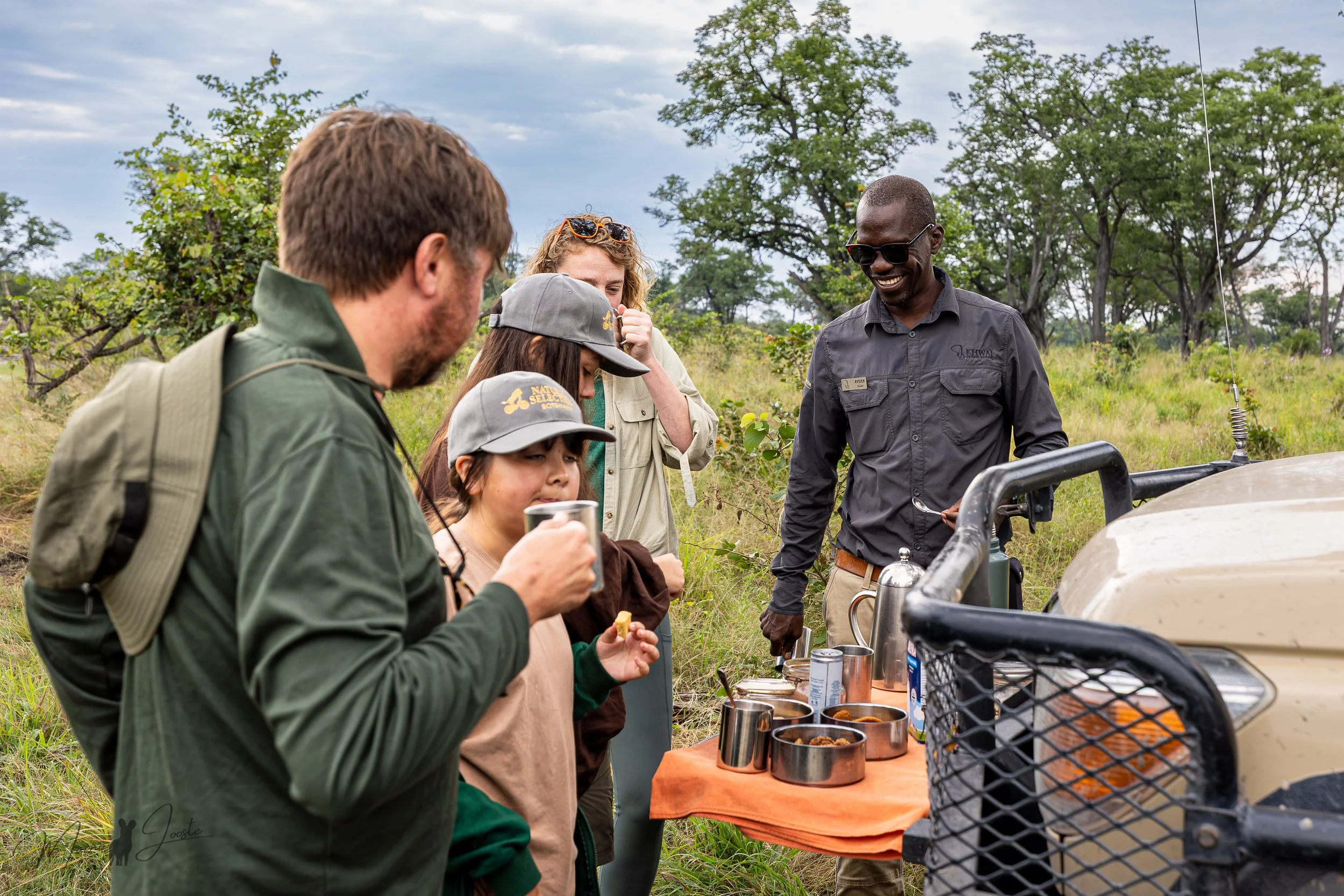
Two Verreaux’s eagle-owls were sitting together in a tree, allowing us a superb close view before we eventually stopped for morning tea overlooking the water, surrounded by birdlife and the calls of fish eagles.
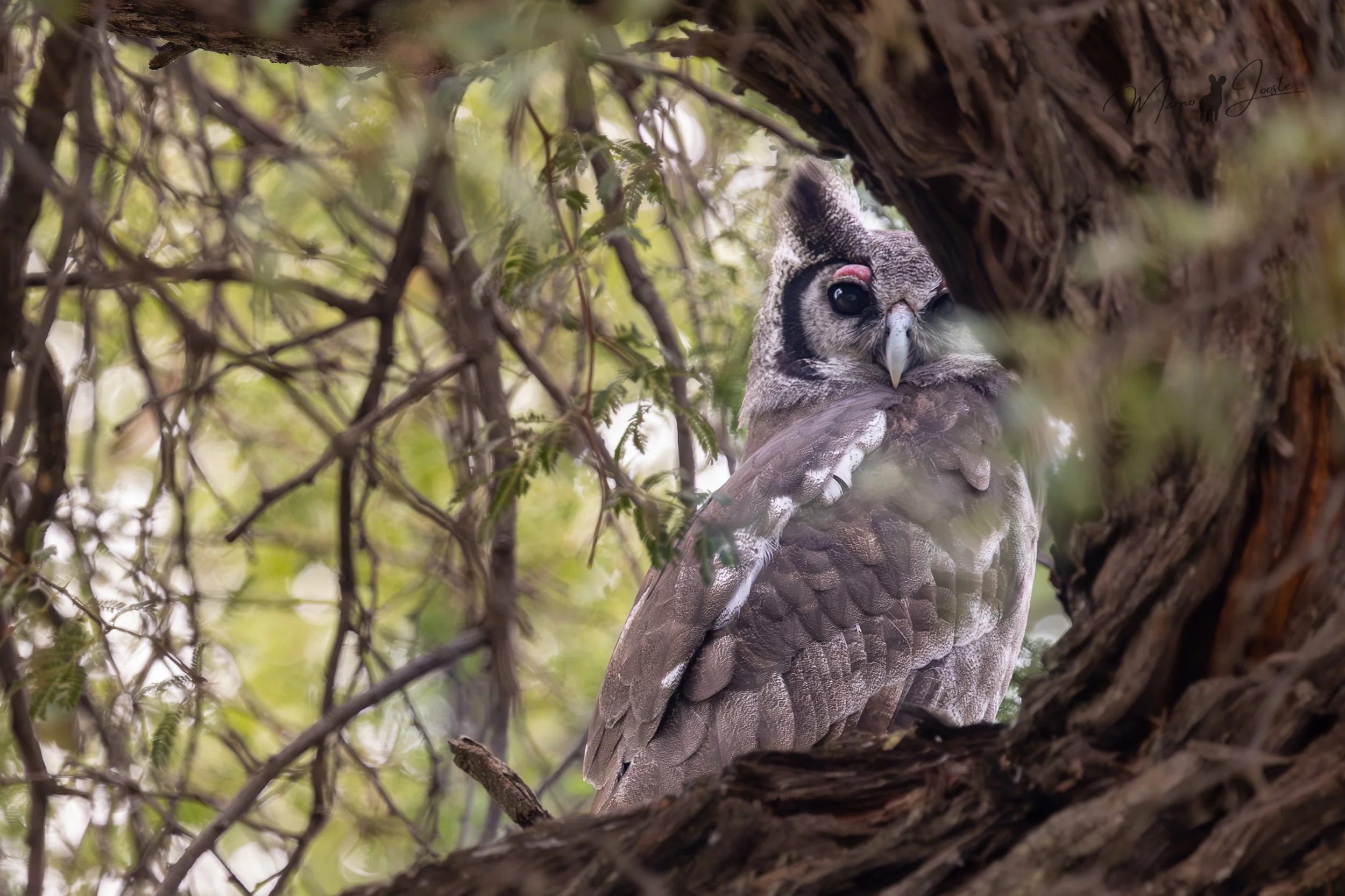
A Verreaux’s eagle-owl watching from the branches during one of our morning game drives in Khwai.
That afternoon, the weather changed rapidly. A large storm swept across Khwai with strong winds and heavy rain, forcing us to cancel our planned mokoro excursion.
Most of the group chose to remain in camp while a few of us headed out later for a short drive once conditions improved.
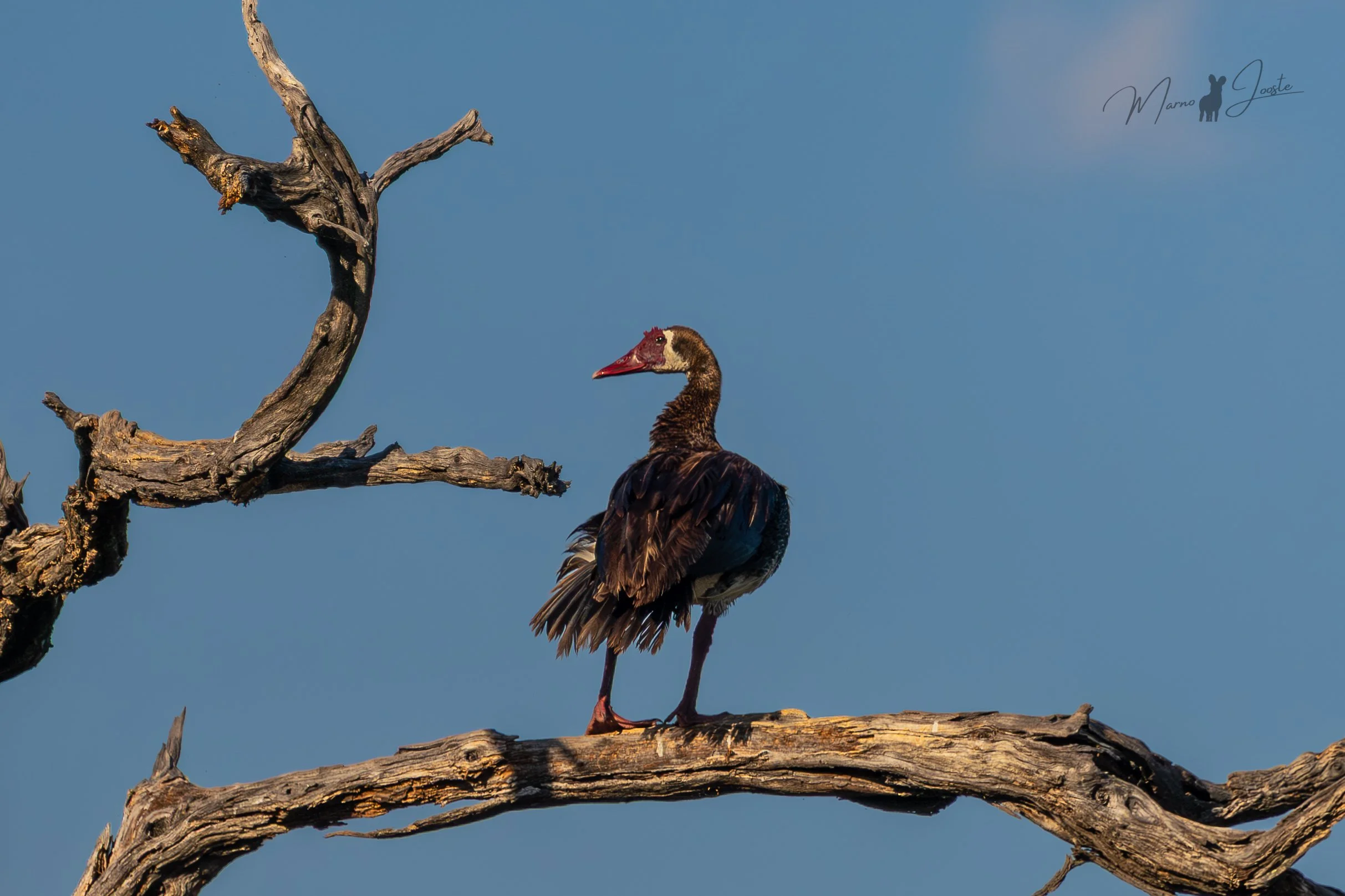
The lions appeared again, this time with the male and female mating, before we finished the afternoon with sundowners beside the water and more excellent birdlife, including southern ground hornbills and African fish eagles.
April had given us an incredibly beautiful Khwai. It was green, flooded and dramatic, but all that water and thick vegetation also gave wildlife plenty of places to disappear.
Day 4 – The Leopard We Just Missed
Our final morning at Little Sable was a reminder that wildlife does not always cooperate.
The signs were everywhere.
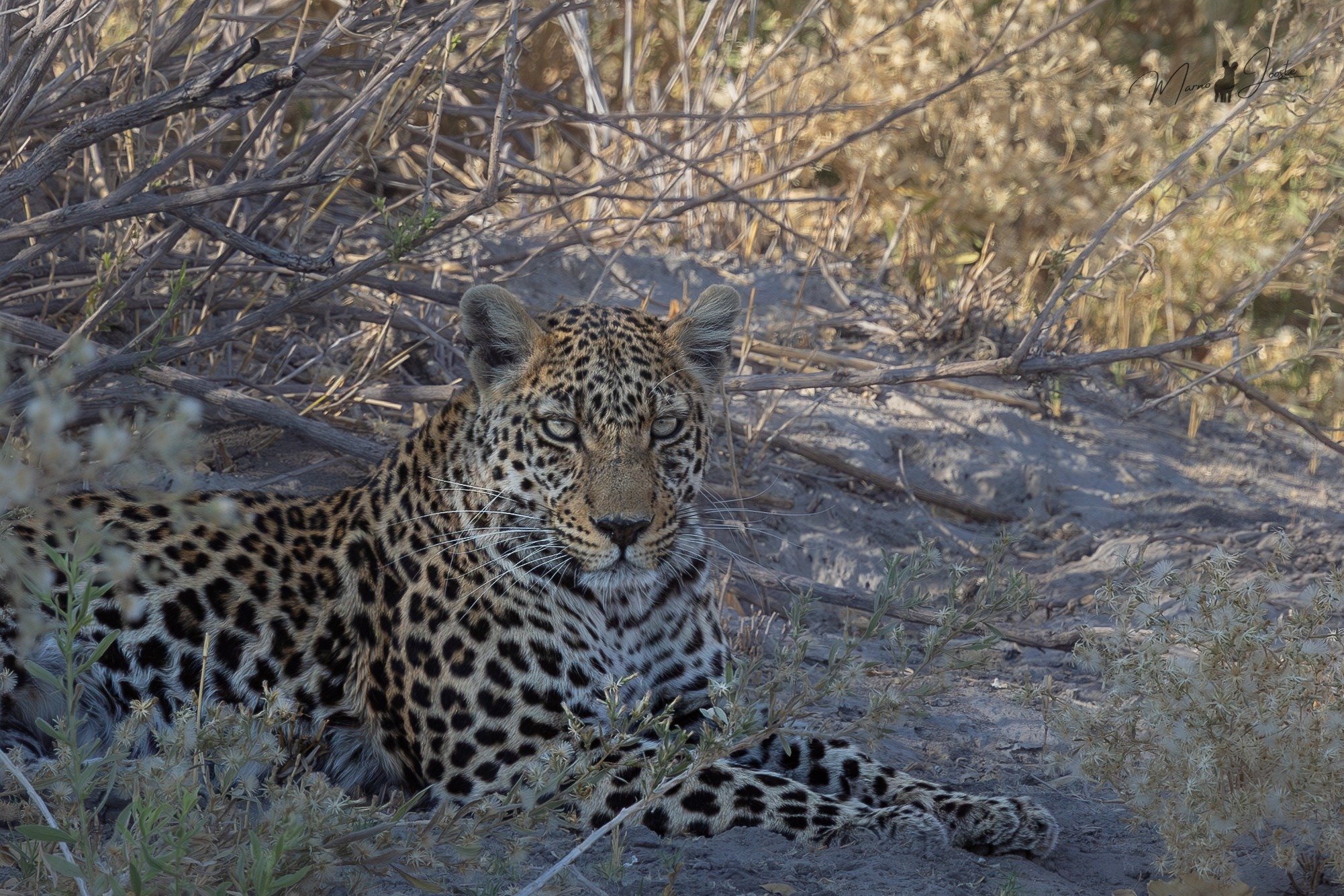
Lion, hyena, jackal, porcupine and civet tracks crossed the roads, while fresh leopard spoor immediately caught our attention.
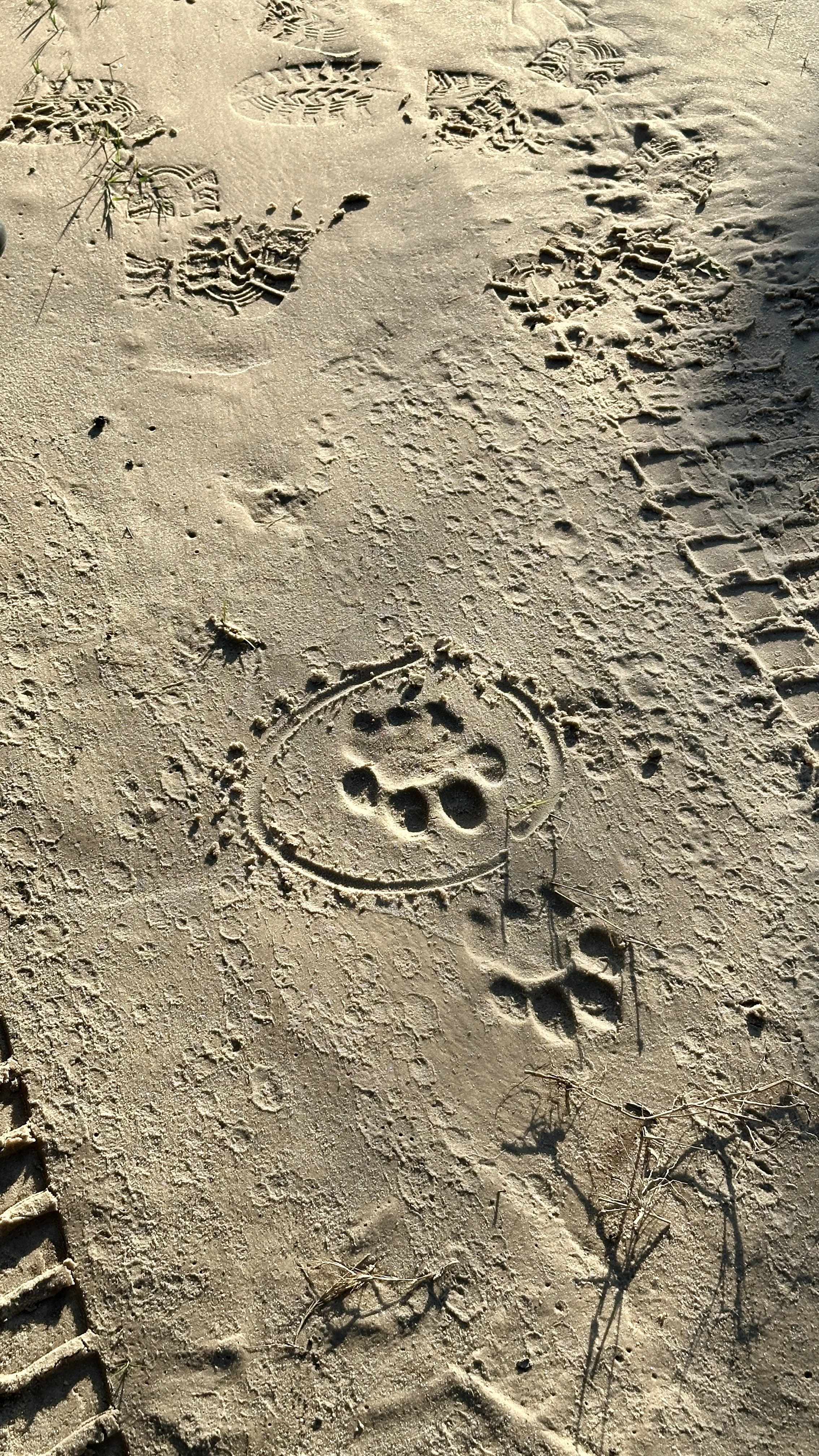
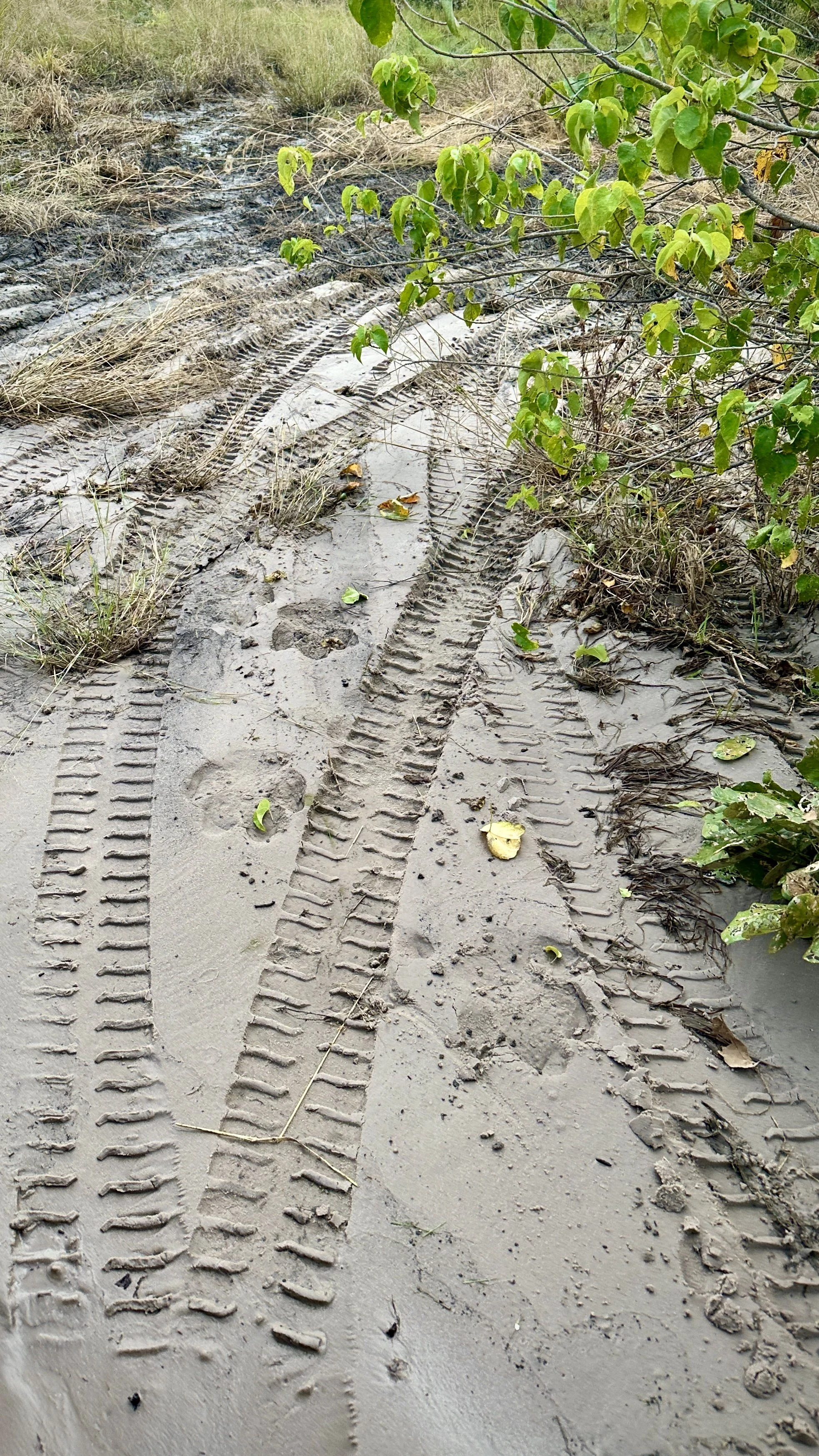
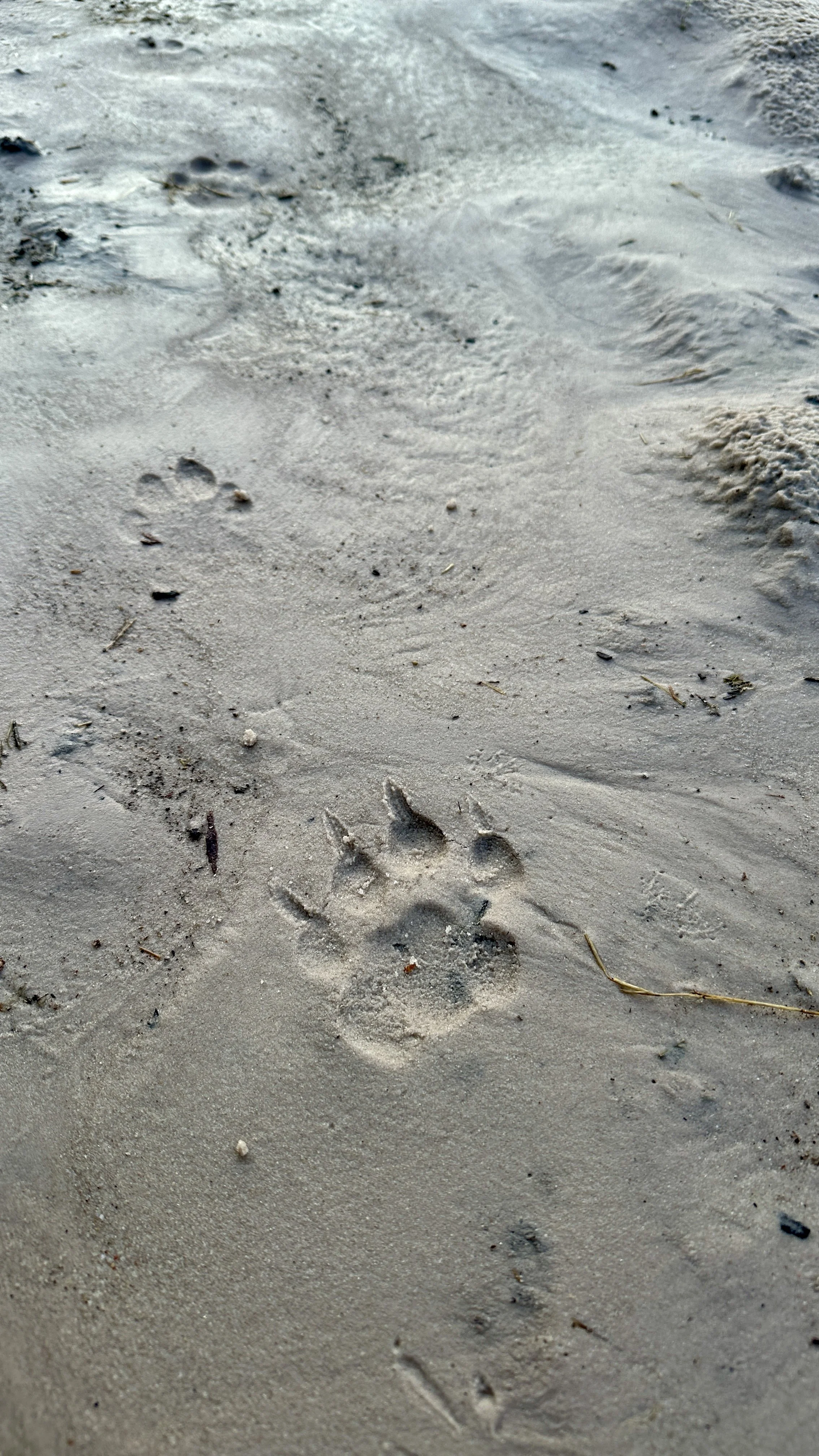
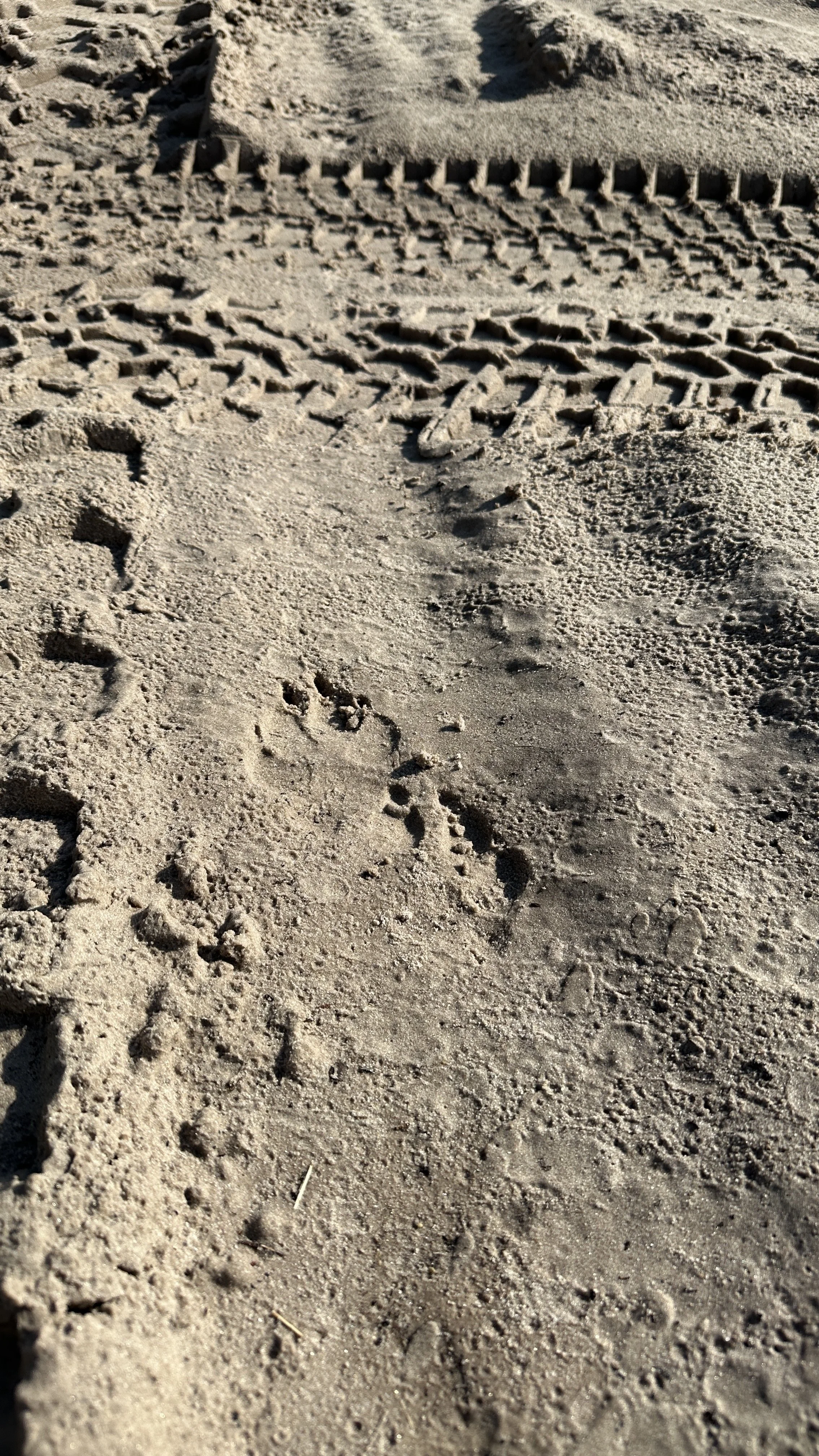
We searched hard, but the morning remained quiet. Towards the end of the drive, Ryder and I both picked up the unmistakable smell of a carcass somewhere nearby. We left the track and searched through the vegetation. Nothing.
Then we found more fresh leopard tracks close to where we had picked up the scent. Whatever had happened had probably happened only hours earlier, but we had arrived too late.
It summed up our game viewing at Little Sable rather neatly.
The predators were there. We heard them, tracked them and repeatedly found signs of them. In these thick, flooded conditions, however, simply being nearby did not guarantee that we would see them.
Two days earlier, luck had delivered four tiny lion cubs directly in front of us.
On our final morning, the leopard kept its secrets.
That is safari.
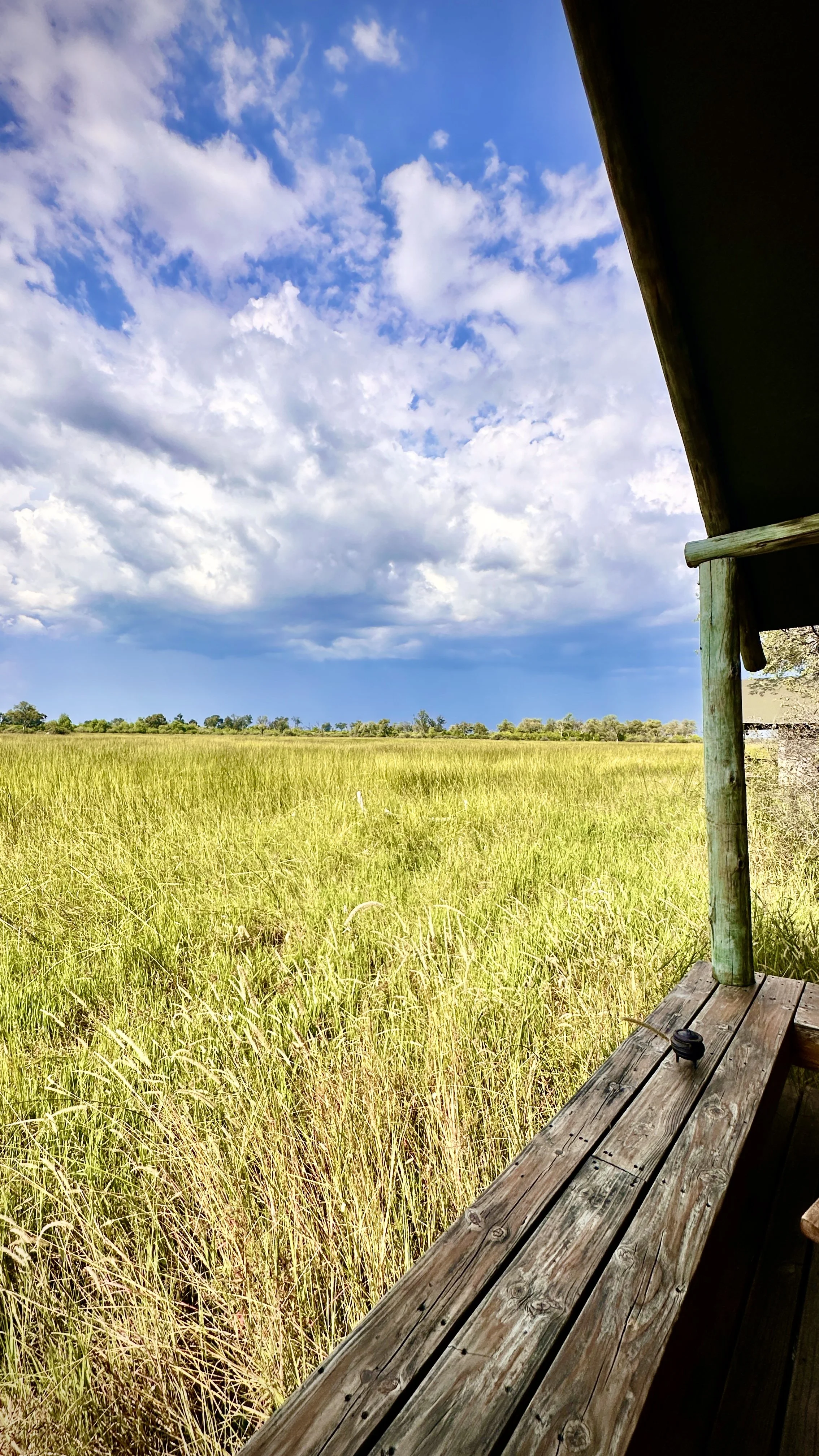
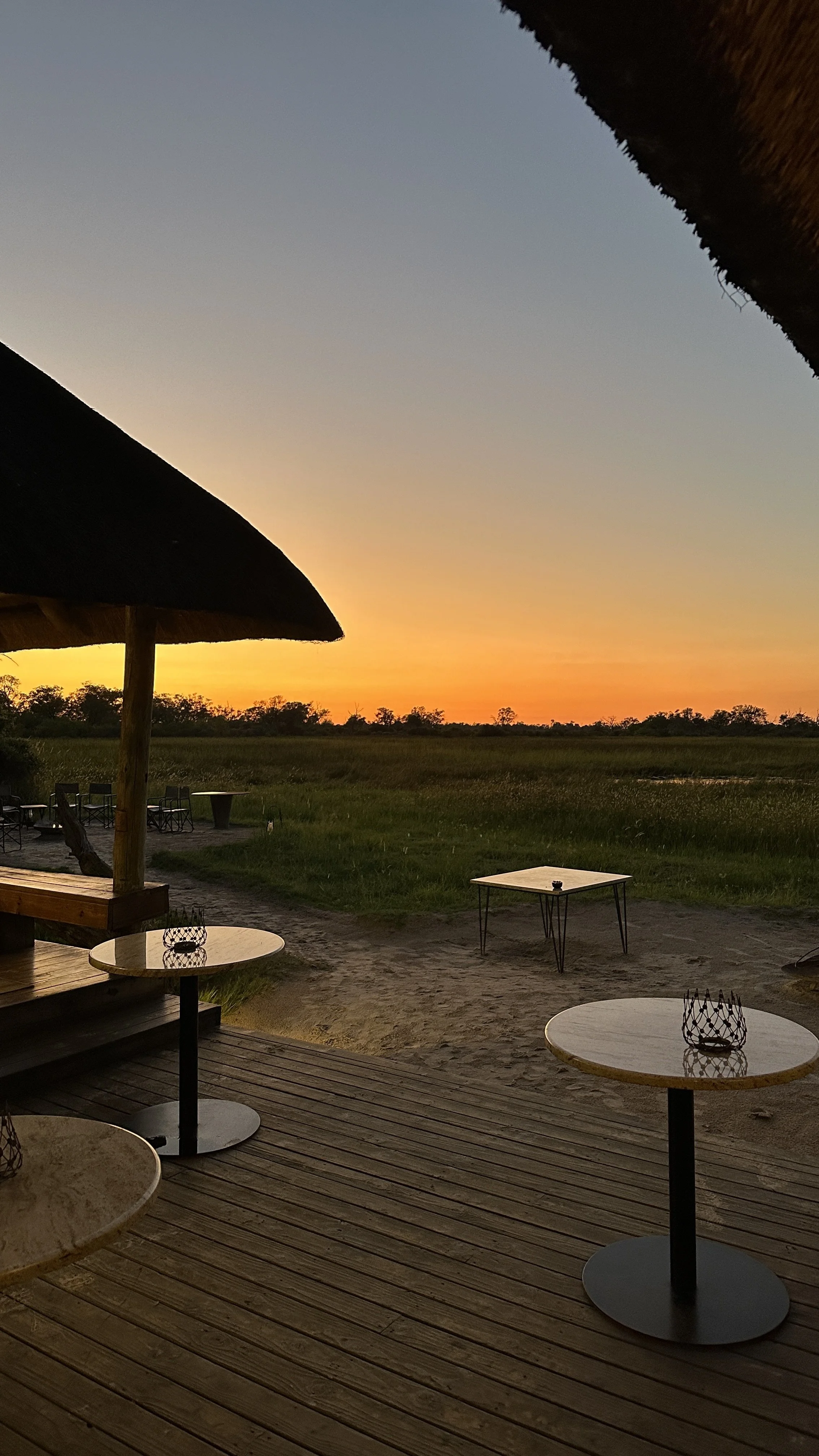
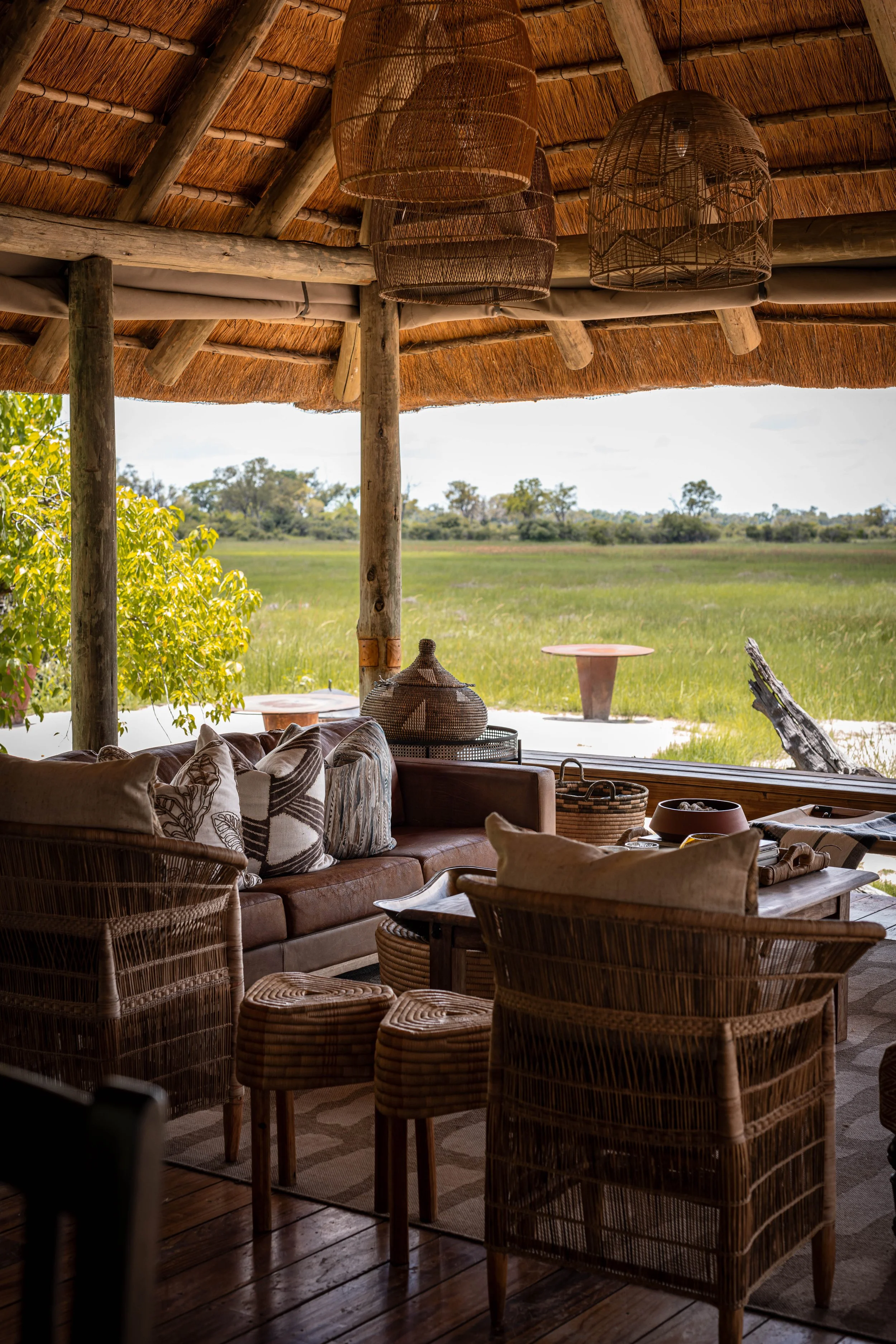
Little Sable itself also fitted the setting well: small, relaxed and intimate, with only eight tents and views across the surrounding plains. For a group like ours, its size helped give the stay a private feel without separating us from the wider atmosphere of camp. I will cover the lodge itself separately, but as a base for exploring Khwai it gave us exactly the scale and simplicity we wanted.
The Okavango from Above
After a final brunch at Little Sable, it was time to continue to the second half of our Botswana journey.
Our next camp was Mokolwane, in the Xudum area of the Okavango, and rather than returning to Maun we would transfer directly across the Delta by helicopter.
For anyone familiar with recent African wildlife documentaries, the name Xudum may already sound familiar. This is the very concession where the BBC filmed Big Cats 24/7, following the lives of the Xudum lion pride and the area’s leopards and cheetahs. It is also where Netflix filmed Living with Leopards, following the remarkable early lives of two leopard cubs growing up in this same wilderness.
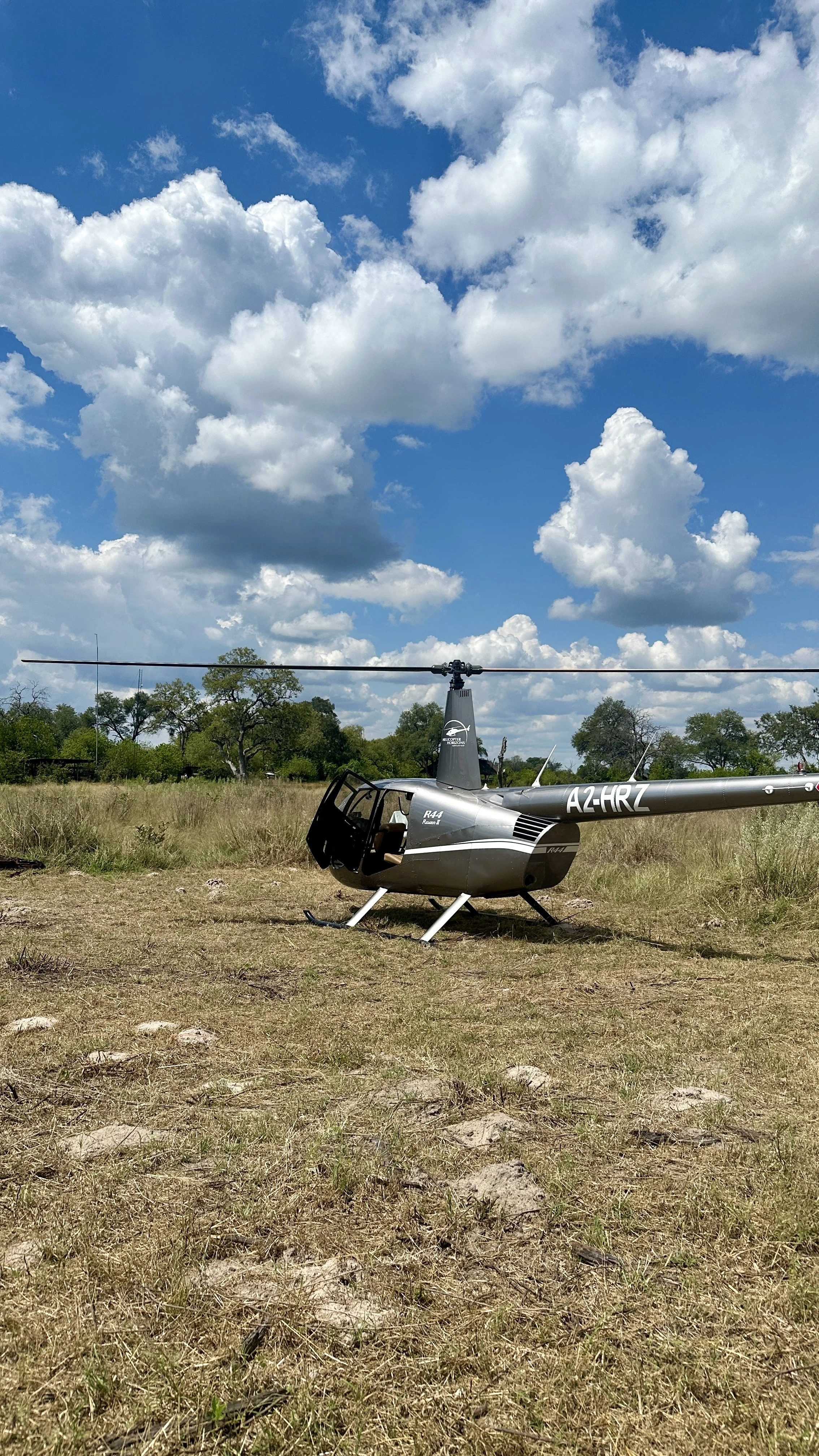
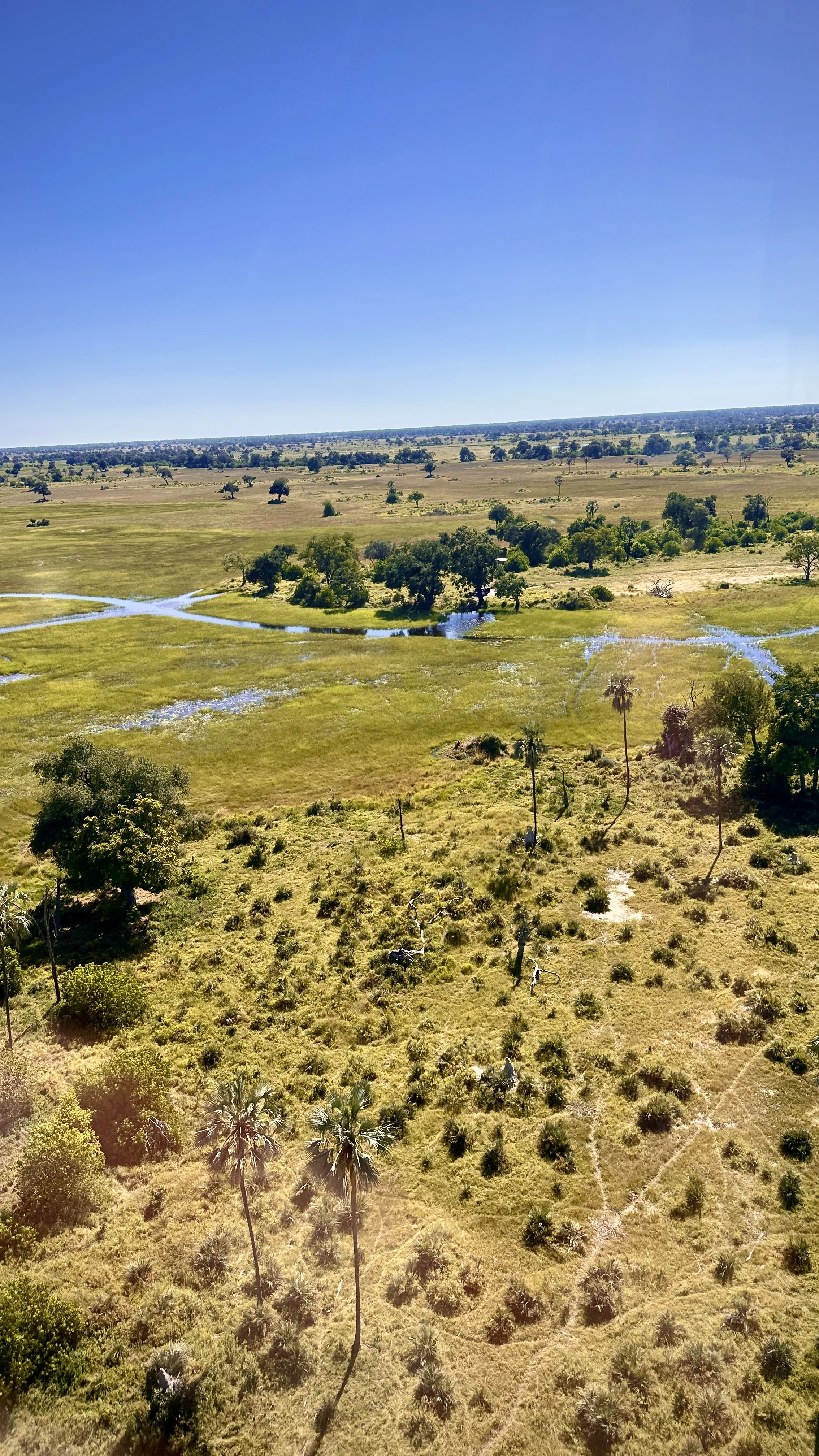
Three helicopters arrived to take our group onwards. What followed was one of the most spectacular safari transfers I have ever experienced.
Flying into Khwai by small aircraft had already shown us the scale of the Okavango.
The helicopter showed us the detail.
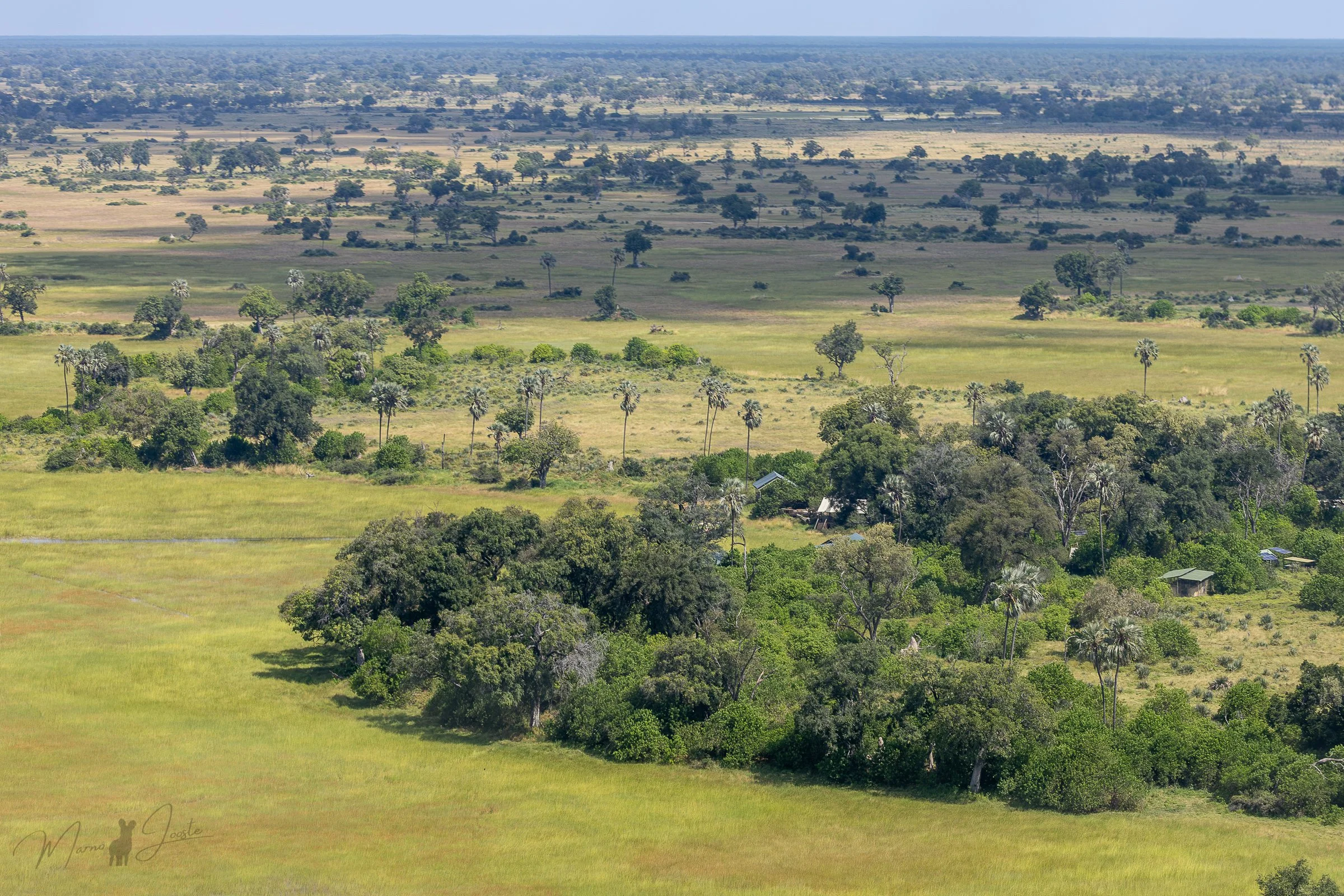
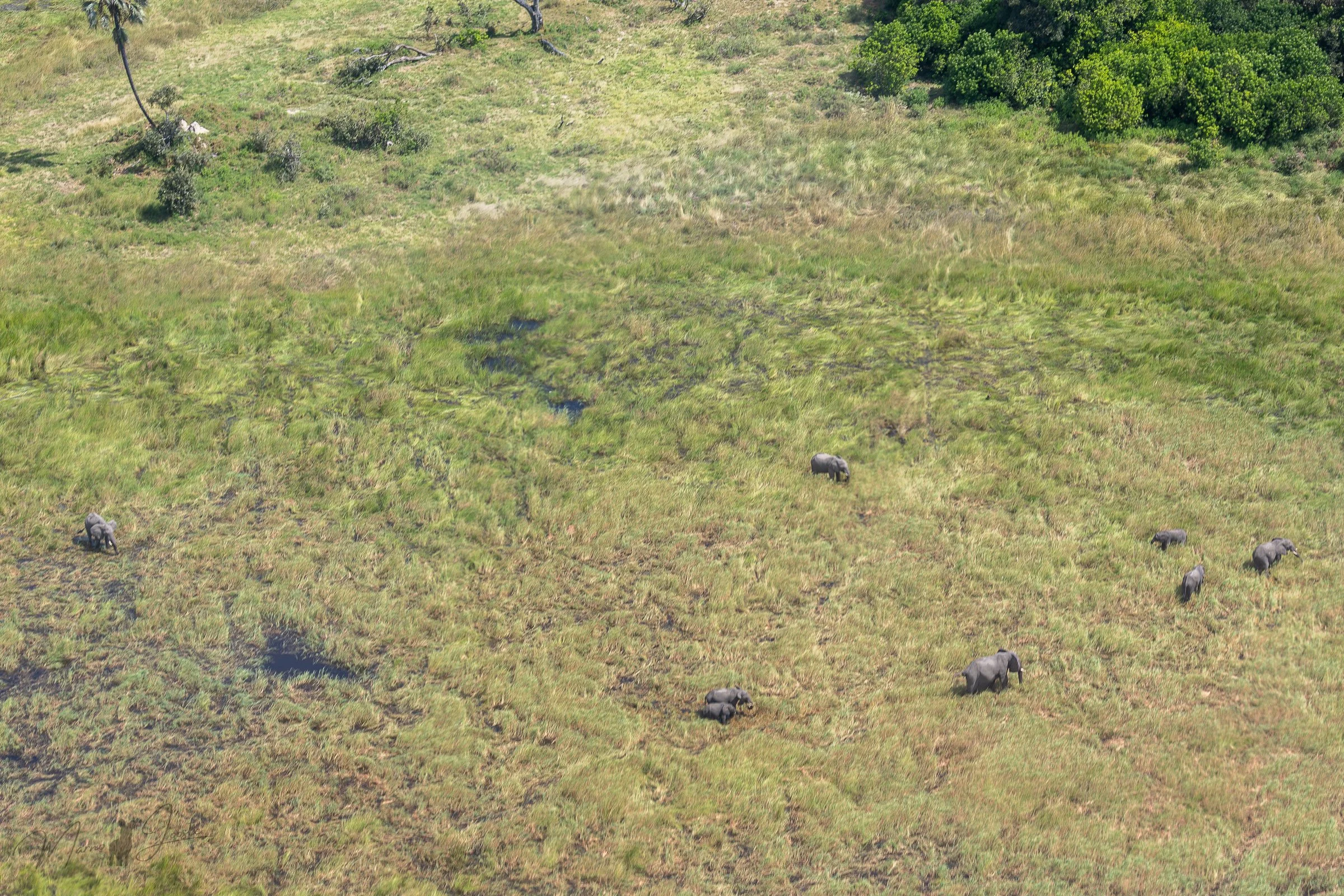
Below us, channels snaked through the floodplains and around islands of palms and woodland. Hippos appeared in the water, elephants moved through the landscape and scattered antelope became visible from above.
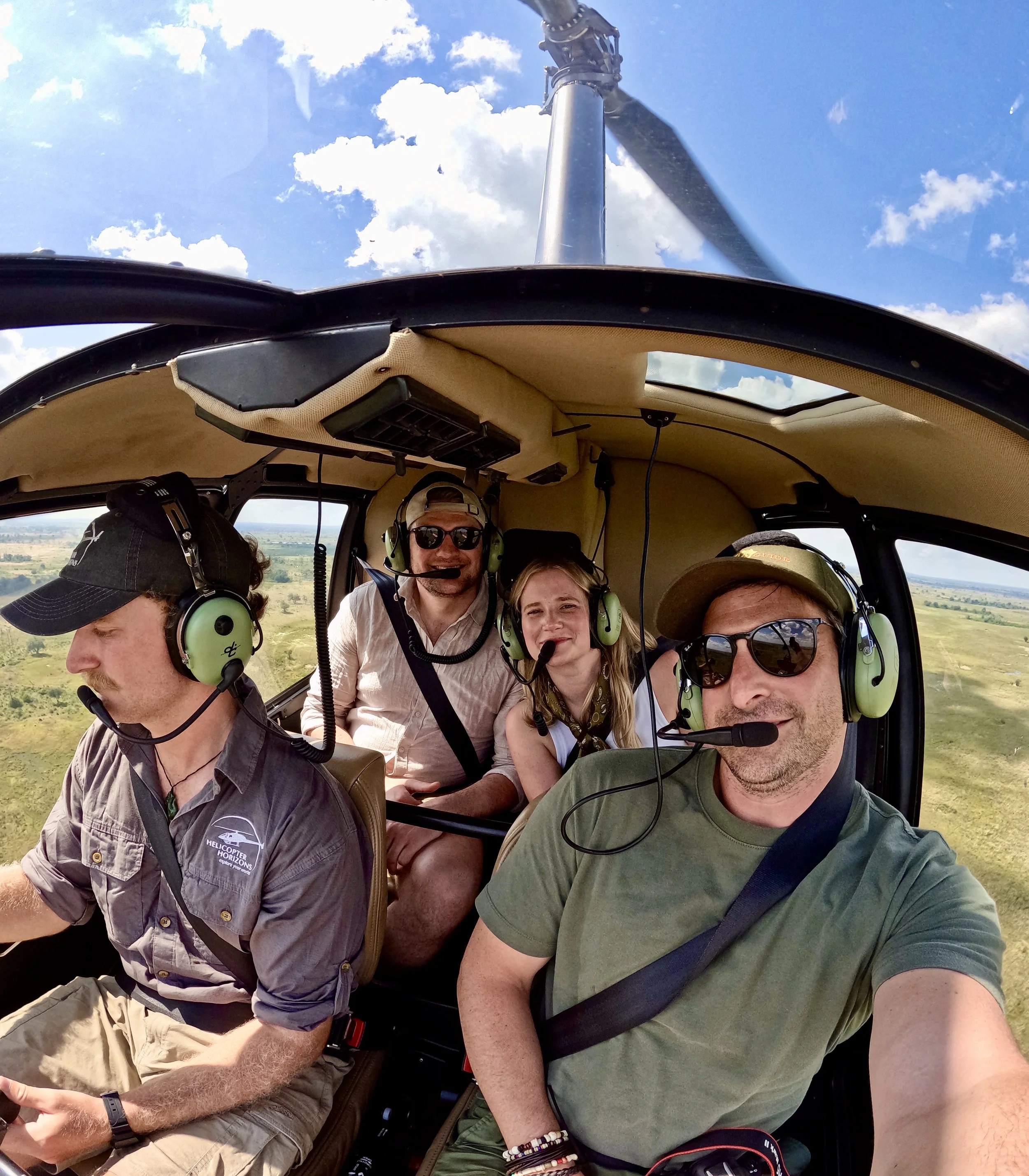
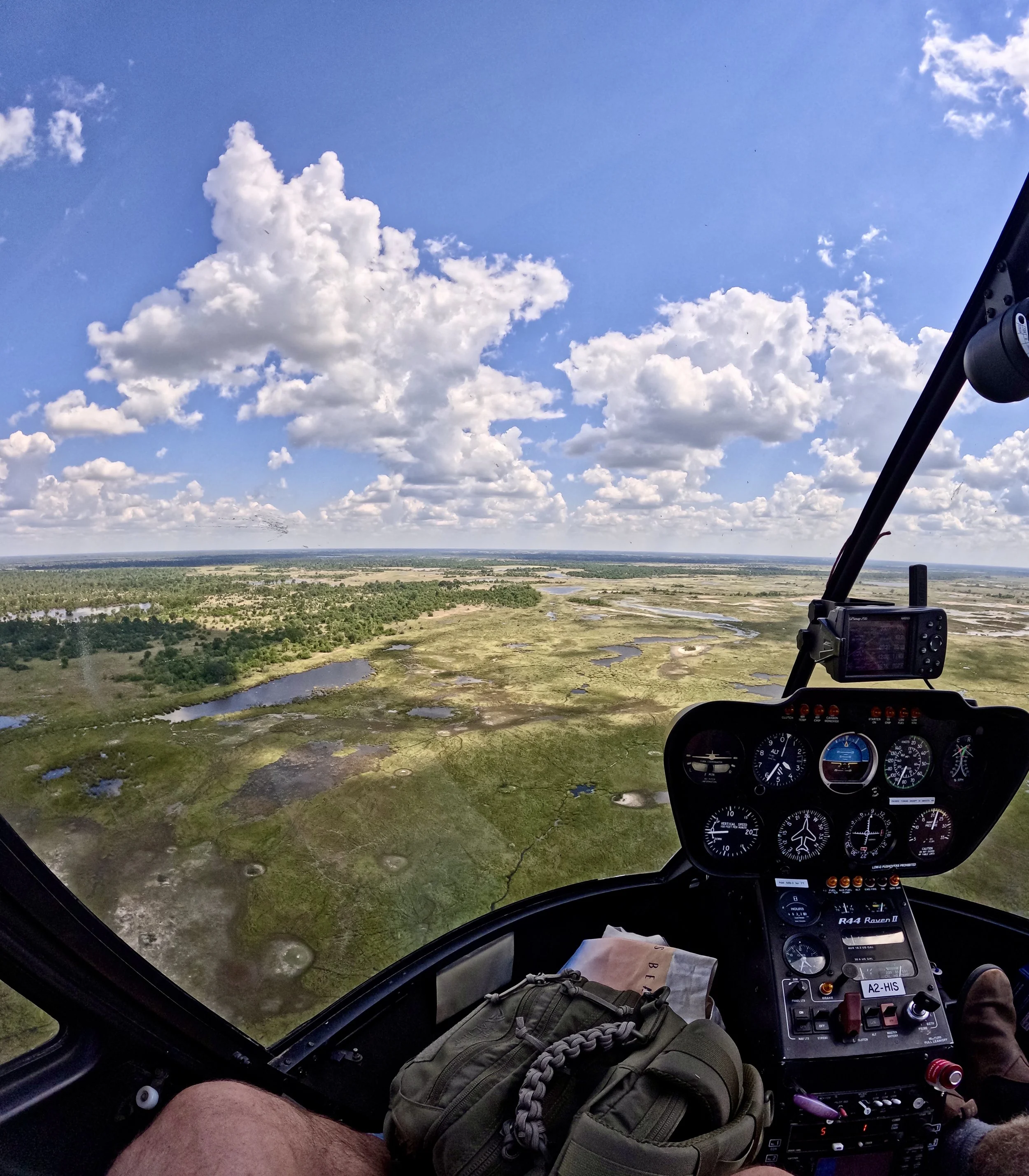
The helicopter flew low enough for us to appreciate just how intricate the Delta really is.
Water shapes almost everything here. Channels split and rejoin, floodplains stretch towards the horizon and slightly raised islands become pockets of woodland in an otherwise water-dominated landscape.
It was far more than a transfer between camps. For me, it was one of the highlights of the entire Botswana trip and an experience I would strongly recommend incorporating into an Okavango itinerary if budget allows.
Eventually, the helicopters began descending towards Mokolwane.
And from the moment we arrived, the character of the safari changed.
A Wild Opening Chapter
Little Sable gave us a very different version of Botswana from the classic dry-season picture many people imagine.
Khwai was green, flooded and full of life. The wildlife often made us work for our sightings, but when the rewards came they were exceptional: four tiny lion cubs hidden among the islands, elephants moving through the woodland, Verreaux’s eagle-owls watching from the trees, fresh predator tracks disappearing into thick vegetation, and lions calling through the darkness around camp.
Then there were the moments no itinerary could have planned. A damaged bridge left our vehicle stranded on the wrong side of the water and turned a routine evening drive into an improvised sundowner followed by a walk back through the flooded landscape, with lions roaring somewhere beyond us.
For our group, many of whom were experiencing Africa on safari for the first time, it was a suitably adventurous introduction to Botswana.
As the WildLens Adventures host, my role throughout was to complement the excellent local guides: helping guests interpret what we were seeing, supporting photography, managing the small practical details and providing continuity as we moved between camps. That combination, specialist local guiding alongside a dedicated host who remains with the group throughout the journey - is central to how I want WildLens safaris to work.
It was also particularly meaningful that this was the first WildLens safari undertaken in conjunction with Lessons in Conservation. Building conservation support into the trips themselves is an important part of the WildLens modelallowing exceptional safari experiences to contribute, in a practical way, to the landscapes and communities connected to them.
Little Sable had given us the setting, the water and the unpredictability of Khwai.
Now, from the air, we were heading deeper into the Delta.
Mokolwane was about to give us the action.